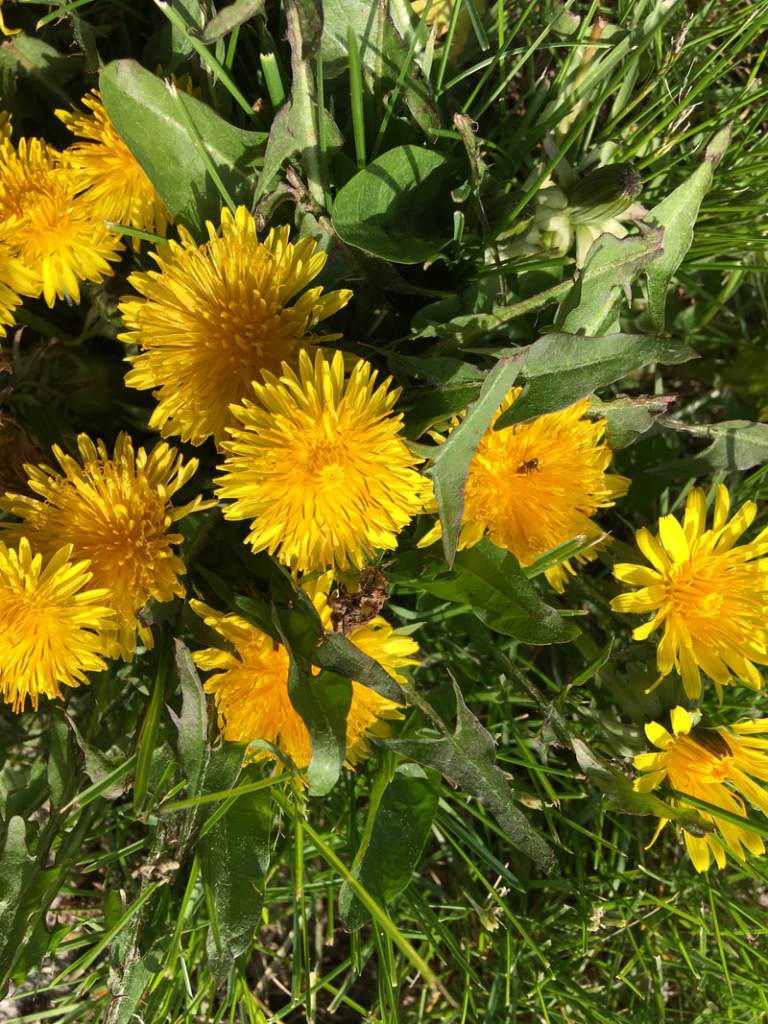
The Universal Dandelion

By Gene Stratton-Porter

If the little yellow flower were imported and cost us $5 a plant, we would all be growing it in pots and exhibiting it as something rare and beautiful. But because it grows in field and wood and is the universal flower of the soil, few people bother about it or take the trouble to notice how pretty it is. It is useful too, for the roots are a fine blood purifier and the wine of our grandmothers is justly famous. Properly cooked, there is nothing better to eat than the leaves, and honey gathered from the flowers is delicious.

The leaves gave it its name. They are long and slender with a lovely rich green color and ragged edges which have reminded scientists of the tooth of a lion – dent de lion – or lion’s tooth. The bloom is a flat round disk of gold, thickly petaled and lightly dusted with pollen. After a day or two of bloom the disk folds up for the seed to ripen, and in a few days lifts itself again, except that this time it is a ball of misty white. it stands only for a little, which before the wind harvests the seed and scatters them to the four corners of the earth.

We hope you enjoyed Gene’s writing about the dandelion.

Limberlost Owls

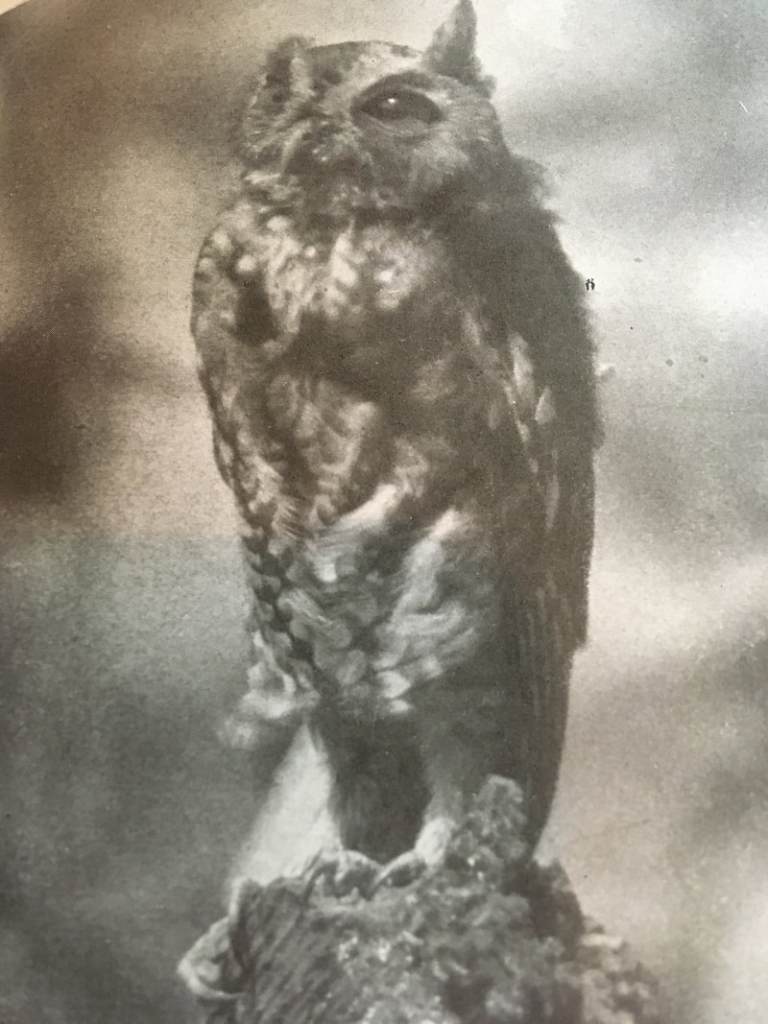
One of Gene Stratton Porter’s favorite birds was the screech owl. In Music of the Wild, she wrote “I love to hear the screech owl screech…..He is a friendly, social bird. Every winter he comes around the cabin hunting food, and he will answer my repetition of his calls until I become uncomfortable and close the window.”

The above picture is one of Gene’s photos of a screech owl.

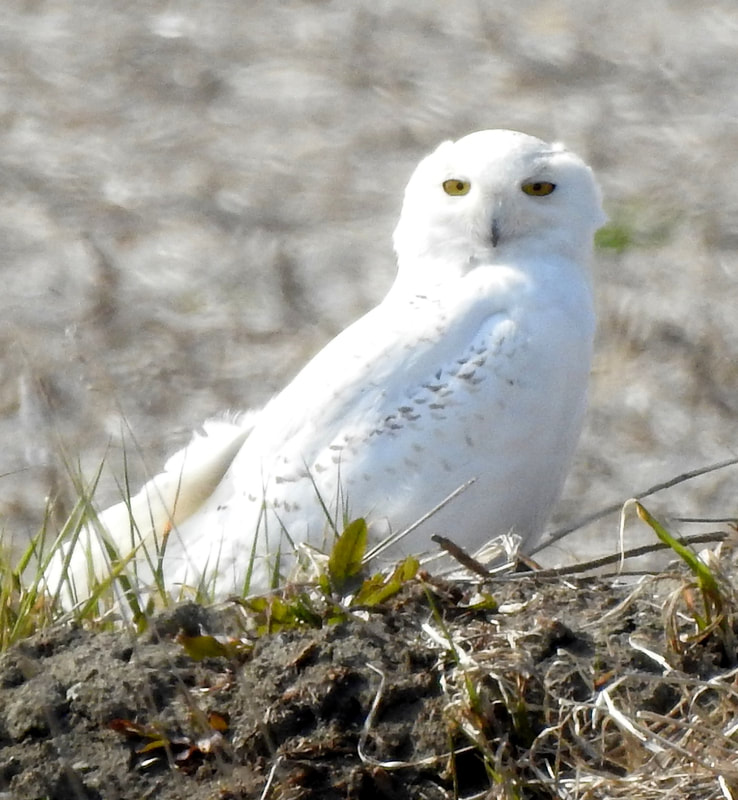
On April 9 2018, Rick Bergman, spotted a snowy owl in Adams County. Almost two weeks later, he is still in the same area. This photograph is by Kimberley Roll.

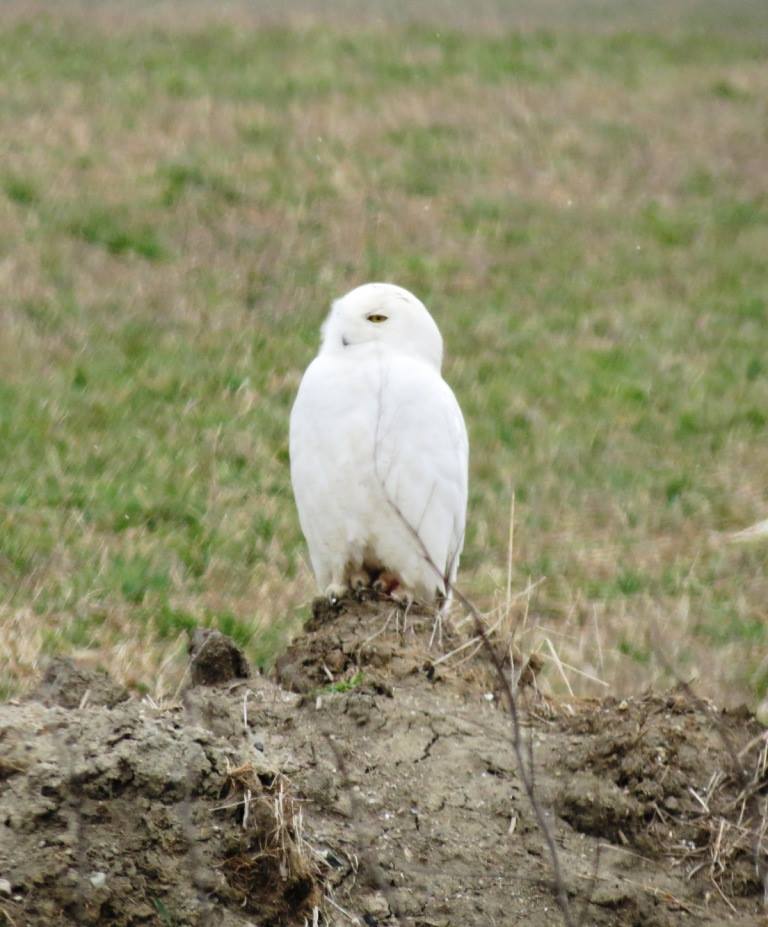
Photo by Randy Lehman of the snowy owl. He was often seen in the field or perched on or around a dirt clump.

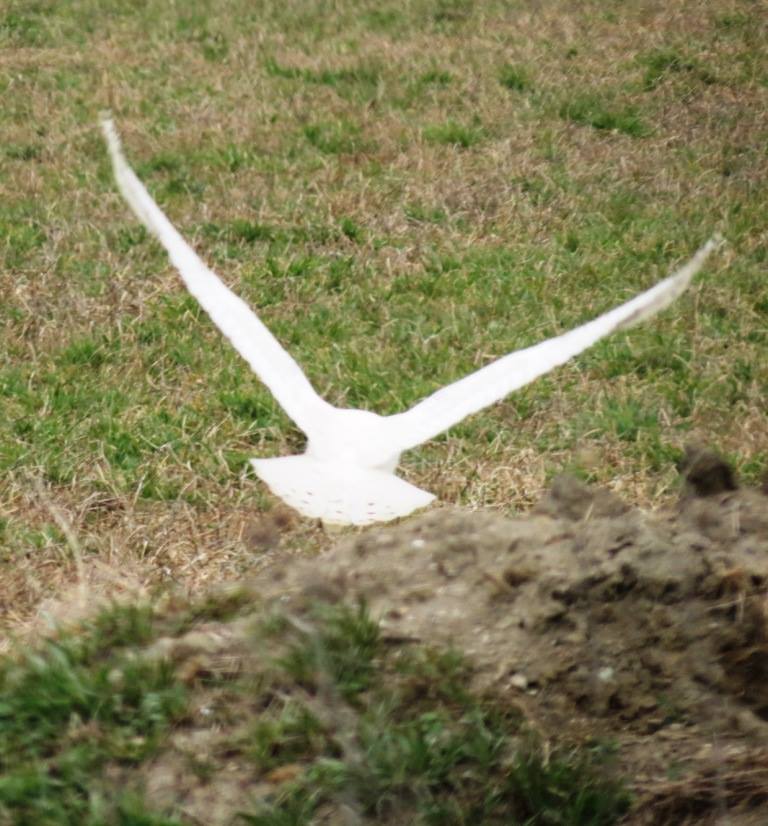
Photo of the snowy owl in flight by Randy Lehman.

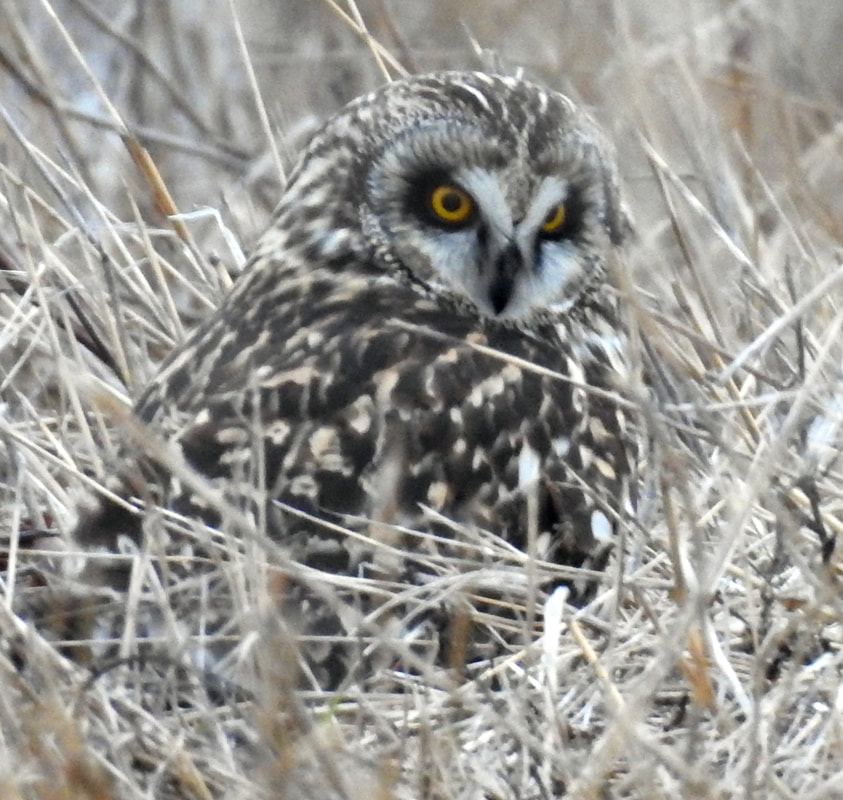
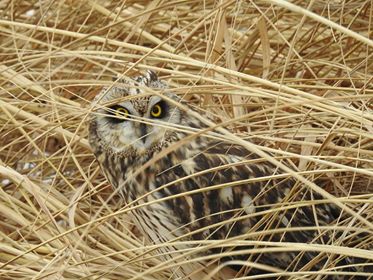
One of the favorite owls this past winter was the short-eared owl. The Limberlost Swamp Wetland Preserve and the Loblolly Marsh make a good winter habitat for this owl. Photo by Kimberley Roll.

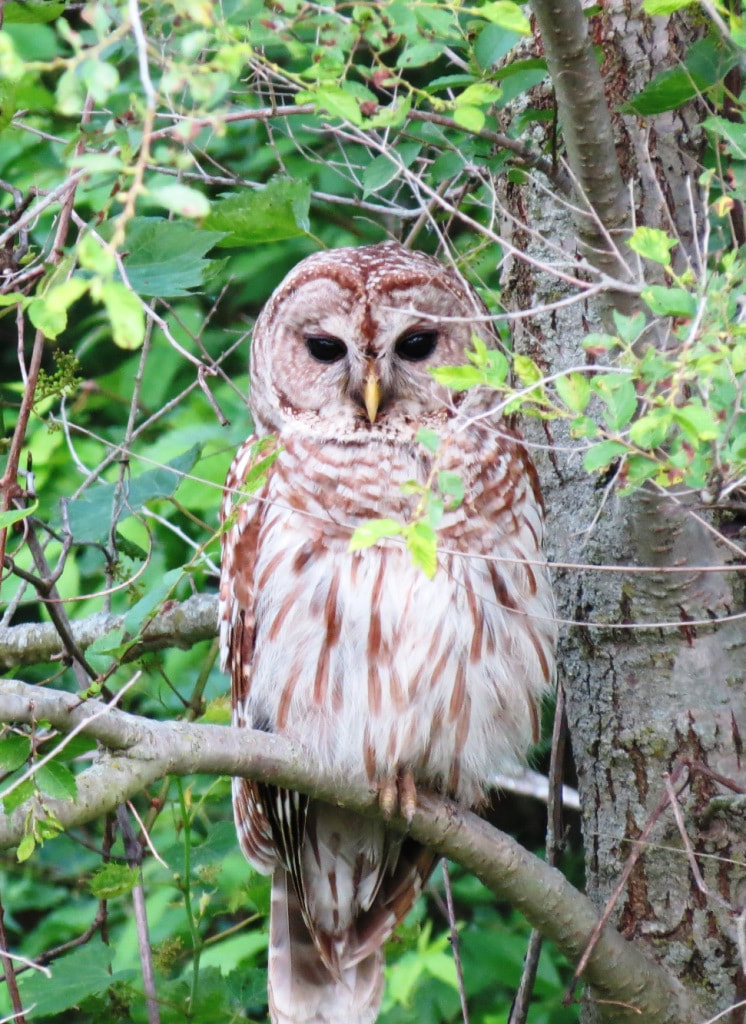
Barred owl taken along the Wabash River in an area that Gene Stratton-Porter called Paradise on the Wabash. Photo by Randy Lehman.

Gene Stratton-Porter would be pleased to know that the owls of Limberlost are thriving. Screech owls can still be heard in the trees of the Limberlost Cabin. Great horned owls can be heard at the Limberlost Swamp Wetland Preserve. The short-eared owls have been wintering at the Limberlost Swamp Wetland Preserve since 2011 and in 2018 we had a snowy owl visit Adams County.

Limberlost and Loblolly Sunsets

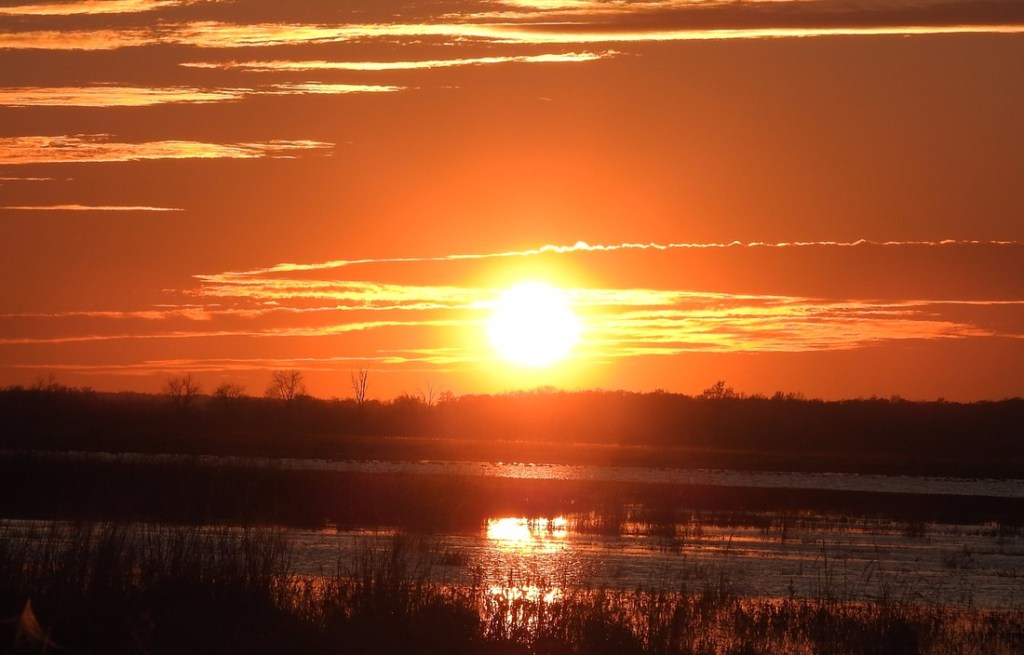
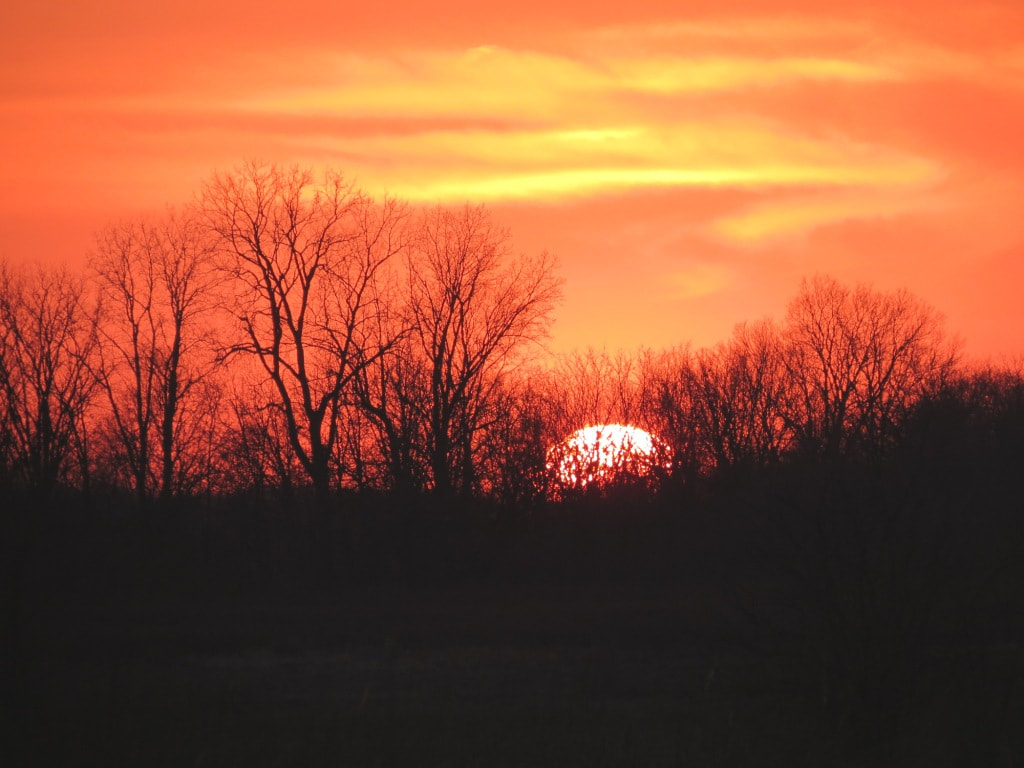
Limberlost Swamp Wetland Preserve and the Loblolly Marsh have some of the most spectacular sunsets. Kimberley Roll took this beautiful sunset in March 2018 at the Loblolly Marsh.

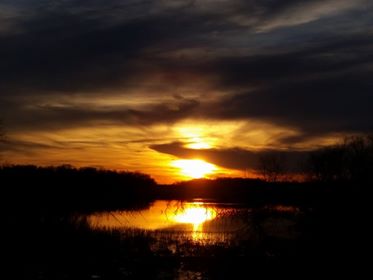
Kimberley Roll took this sunset photo at the Loblolly Marsh in March 2018.

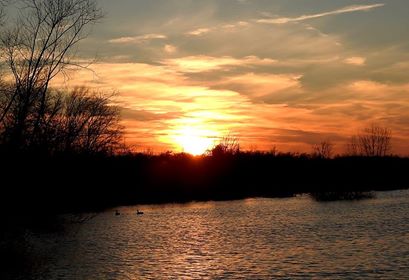
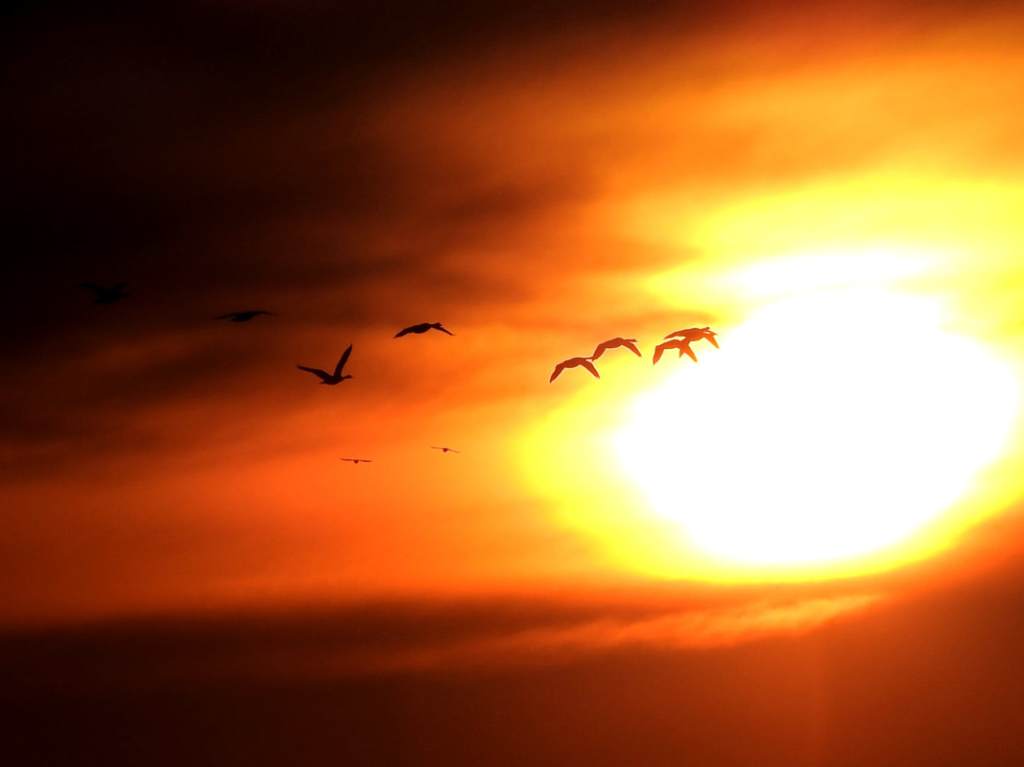
Kimberley Roll snapped this picture at the Limberlost Swamp Wetland Preserve of the Canada Geese flying into the sunset.

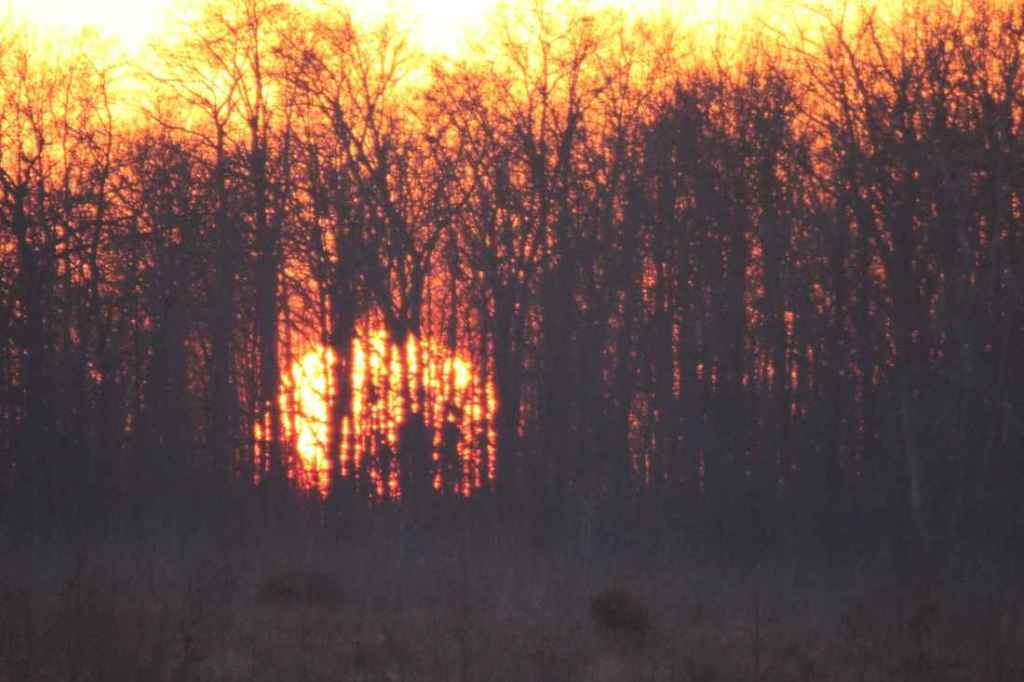
This sunset at the Loblolly Marsh was taken by Kimberley Roll.

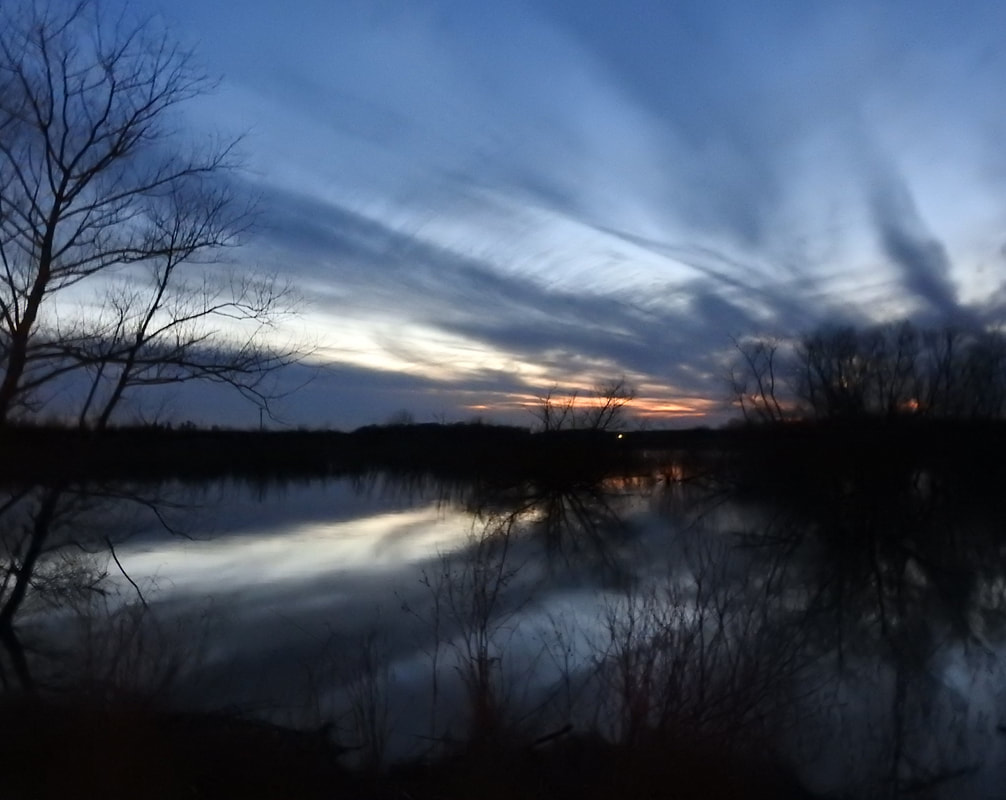
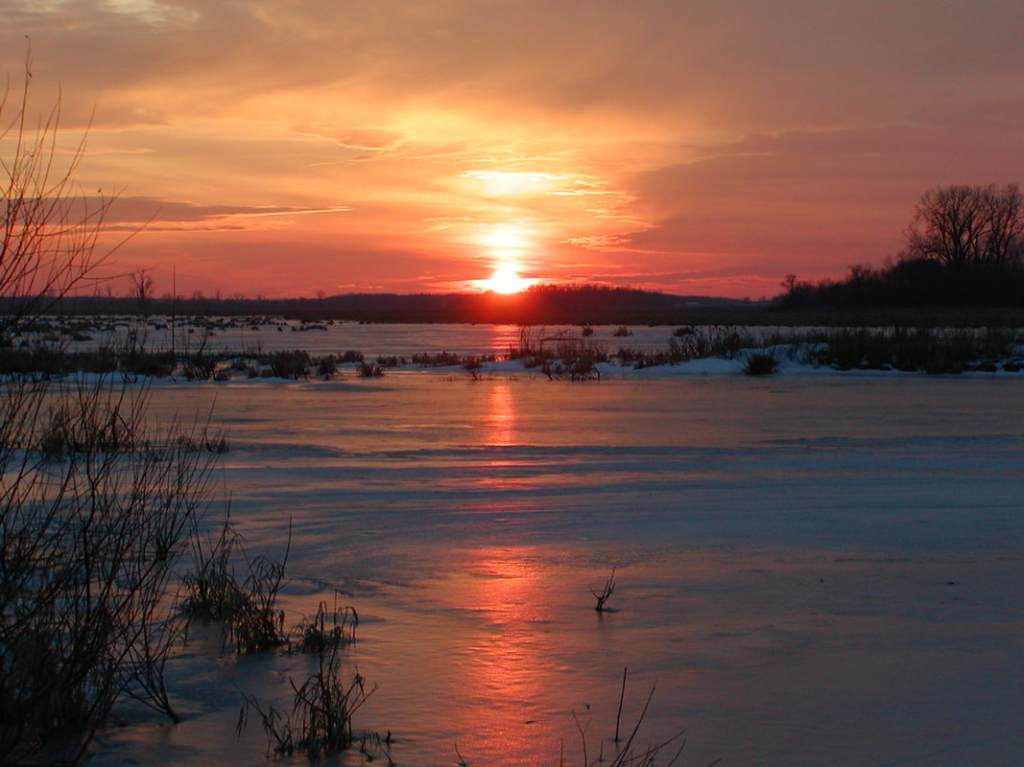
Naturalist Bill Hubbard took this beautiful sunset at the Limberlost Swamp Wetland Preserve in January 2018.

This beautiful sunset was taken by Kimberley Roll at the Limberlost Swamp Wetland Preserve in November 2017.

Sunset at the Loblolly Marsh by Randy Lehman.

Curt Burnette took this picture of a January sunset at the Limberlost Swamp Wetland Preserve.

Wherein Gene Stratton-Porter’s #1 Swamp Guide is Revealed

By Terri Gorney

Who was the man that Gene Stratton-Porter wrote was helpful in her field work and good at finding bird nests? She referred to him only as Paxson. Gene gave clues as to what he looked like and his clothing as she had taken a couple photos of him that she included in her nature book, “Homing With the Birds.” The caption she provided beneath one of these photos said “Paxon, my best Limberlost guide, shinning up a small tree to see what a nest contains.” Although Gene spelled his name differently, it was assumed this Paxson was linked to the Paxsons of Jay County, but that could not be proven.

There was a short notation in the Geneva Herald, dated July 5, 1901, that stated Mr. Paxson who worked as an oil pumper on the C.D. Porter farm had burned his hand with fireworks. This was the first time that we knew that a Mr. Paxson had worked for Gene’s husband Charles. Could this be Gene’s Paxson?

The 1900 Federal Census showed there was a J. W. Paxson living in Hartford Township, which was the same township where the farm was located. His profession was listed as oil pumper. Other information included he was married to Isora, and was born in 1867 in Ohio. This put him in the age range of Gene’s Paxson. He had one son, Chester, this was the only Paxson family for 10 miles around.

According to the Geneva Herald in October 1902, Mr. and Mrs. Paxson moved into a flat in T. E. Mann’s Building in Geneva.

The 1910, 1920, and 1930 Federal Census were studied. J. W Paxson was James William Paxson. Paxson could be traced through his lifelong profession as an oil pumper through the oil fields of Wichita County, Texas and Carter County, Oklahoma. He died February 6, 1938 in the community of Wilson, Oklahoma.

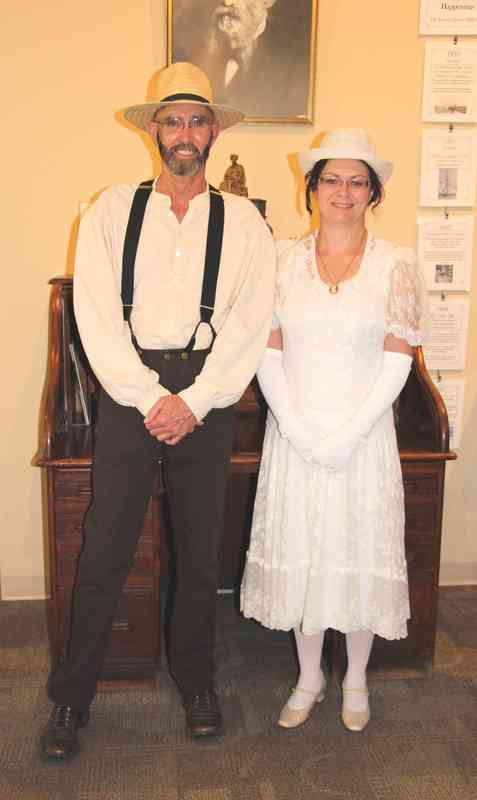
Fast forward to the present. Limberlost naturalist Curt Burnette portrays Paxson. He has studied Gene’s photos to examine his clothing. His hats and his simple garb of a homespun shirt and sturdy pants were typical of common laborers of the early 20th century. Curt purchased clothing of the type Paxson would have worn. Curt then works his own special magic to bring Paxson “to life.” “Paxson” has even been the guest speaker at the Pink Tea held at the Barker Mansion in Michigan City, Indiana. Curt has acquired a new family. he has been made an honorary member of the Paxson Family by Marty Paxson Grundy who created the Paxson Family: Sixth Generation hosted by Rootsweb and Ancestry.

Do you want your own tour of the Limberlost Territories? Curt has created the Rent-a-Naturalist Program. A tour of the wetlands with a modern Paxson is as close as you can get to walking with Gene in the Limberlost. Nowadays, in addition to being able to proclaim that the Limberlost lives again, we can also say that Paxson “lives” again.

Writer’s Note: This article appeared in the Berne Witness on November 17, 2017. A more detailed account of the research on Paxson was written for the Ohio Genealogical Quarterly in 2017.

Curt Burnette as Paxson with one of our Friends members at an event.
Winter Hike at Limberlost

Friends member Kimberley Roll is a popular blogger with her nature hikes at the Limberlost Territories in southern Adams County (Geneva) and northern Jay County (Bryant). Join her as she takes you on a special February hike.

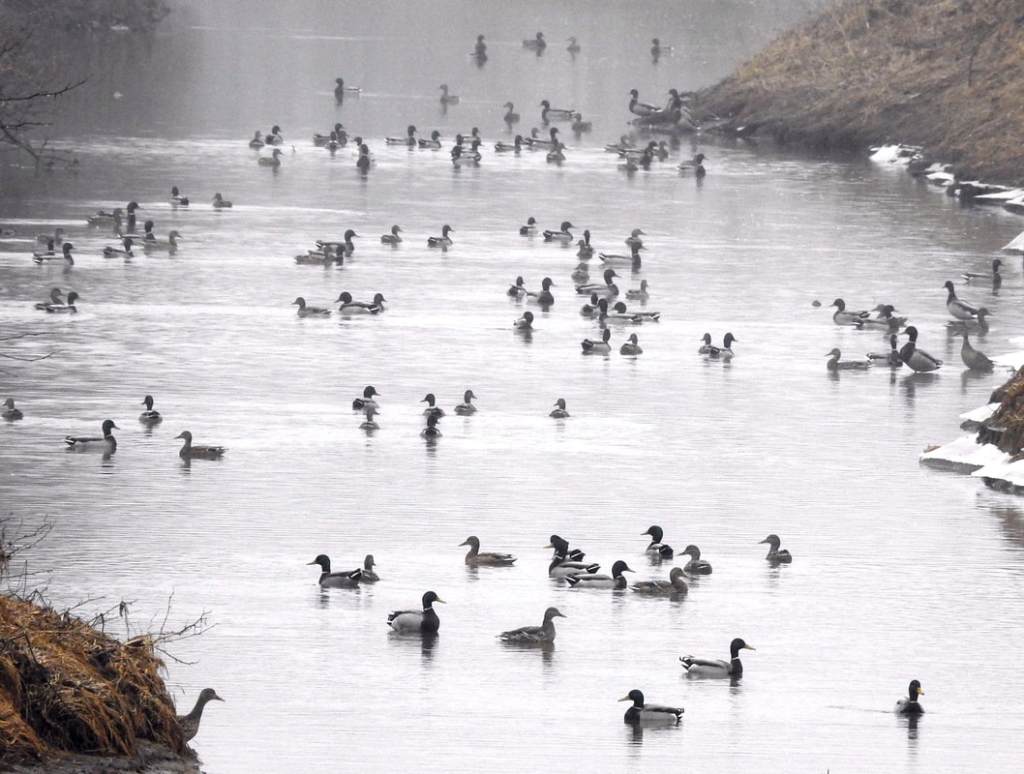
Mallards in the Loblolly Creek in southern Adams County.

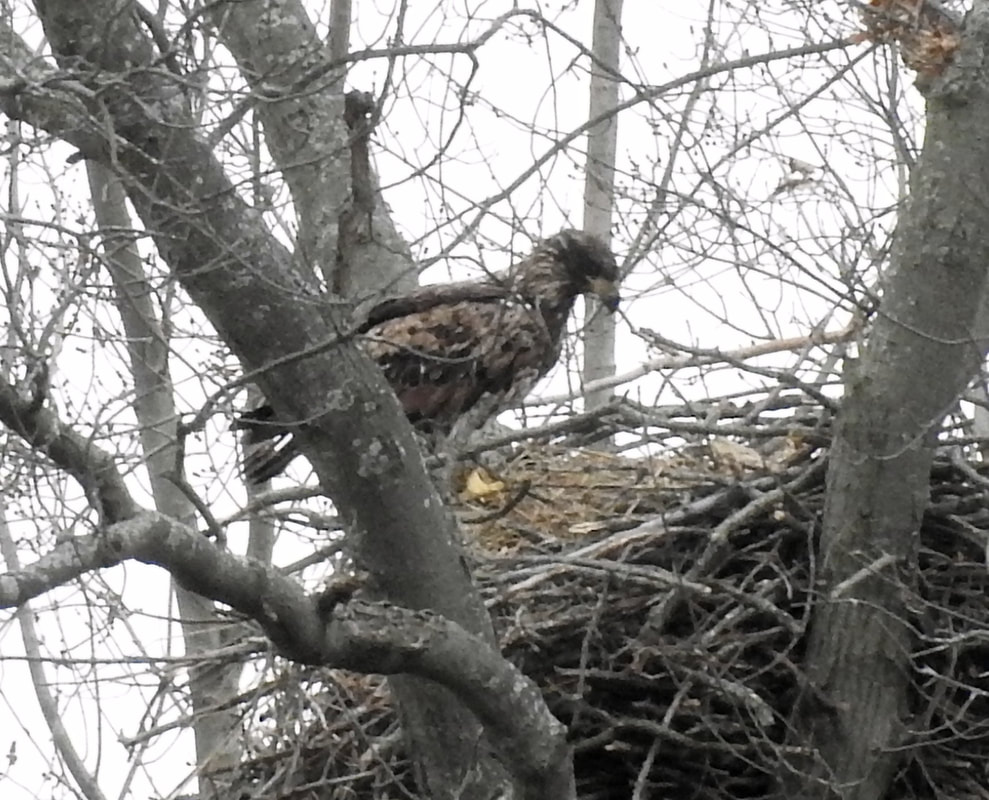
Juvenile bald eagle checking out the Geneva nest. This is before the adult pair were nesting.

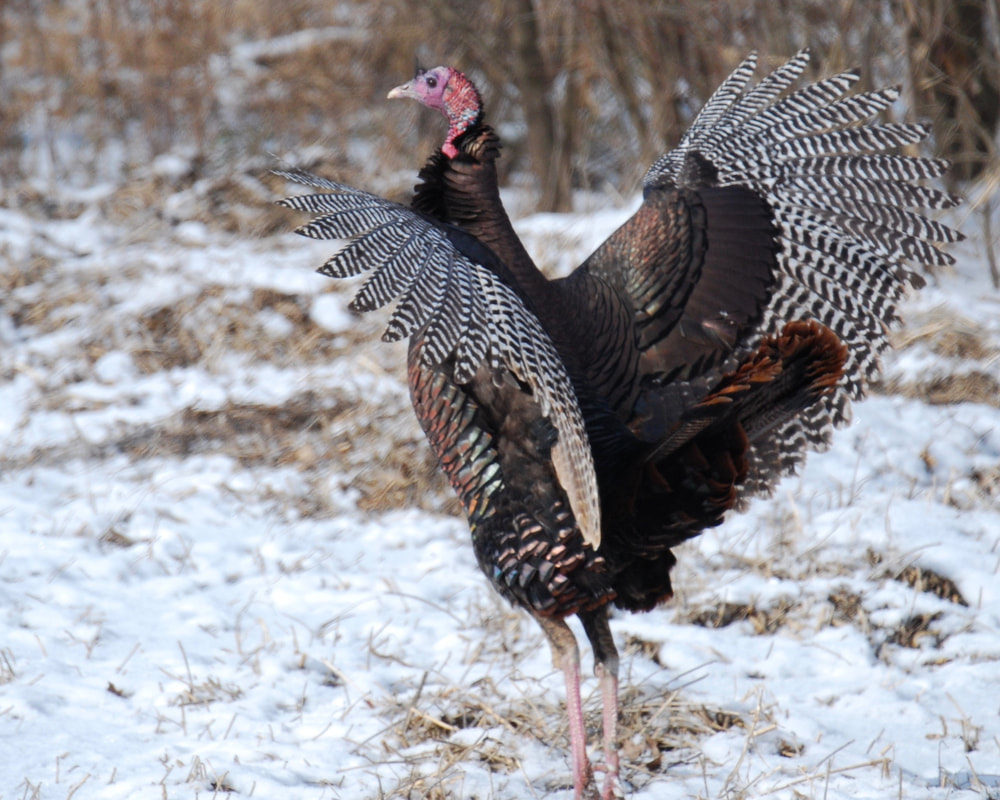
Wild turkey which would have been our national bird if Benjamin Franklin had his way.

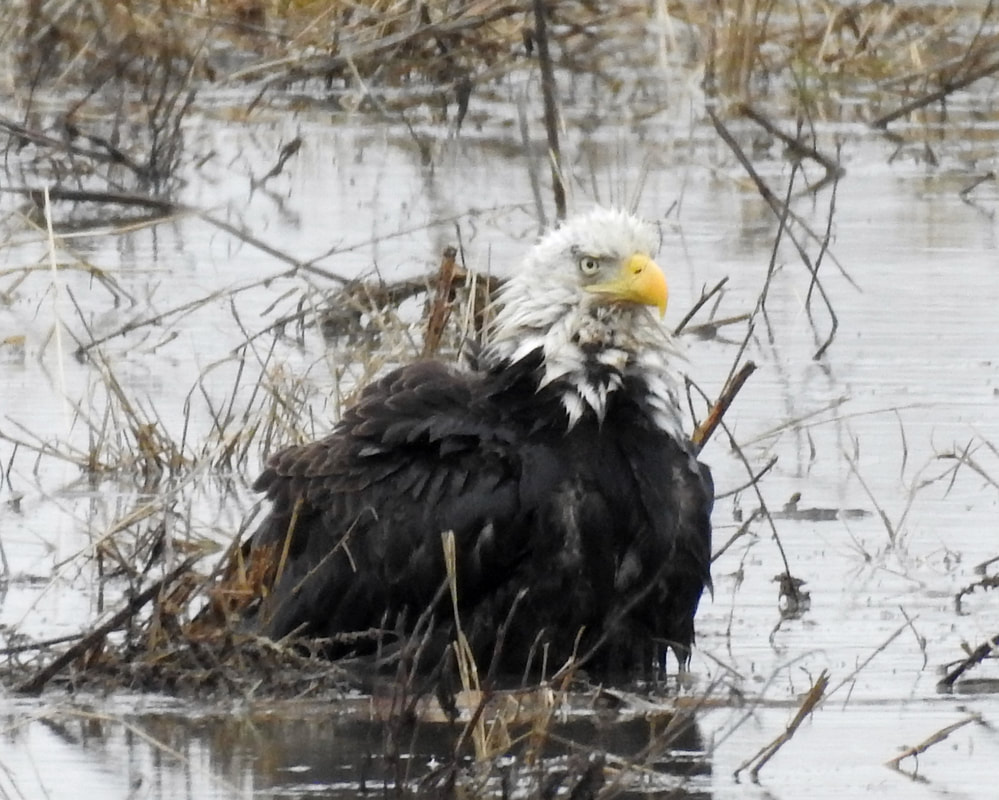
Bald eagle bathing at the Loblolly Marsh.

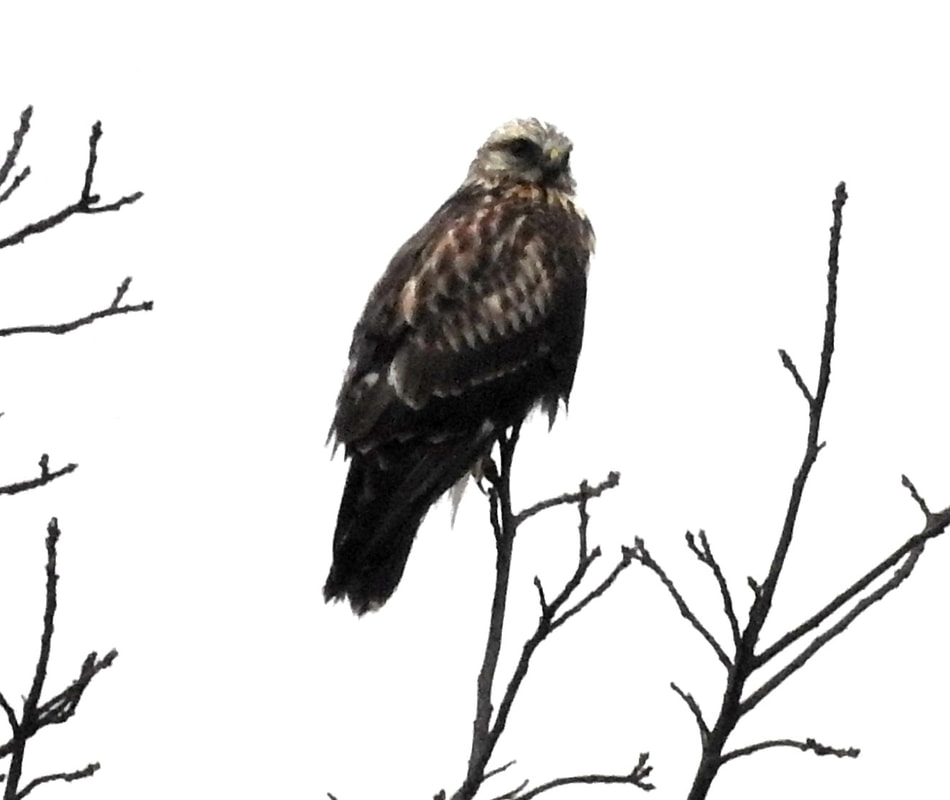
Rough-legged hawk. Two to three of these hawks have been seen at the Loblolly Marsh.

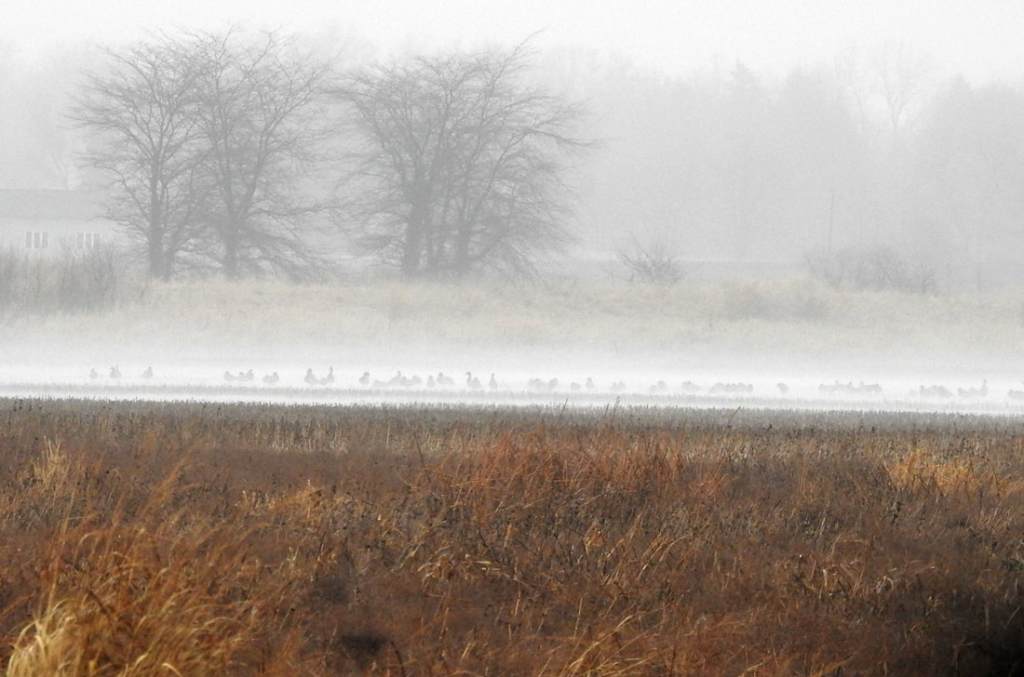
Fog over the Limberlost Swamp Wetland Preserve.

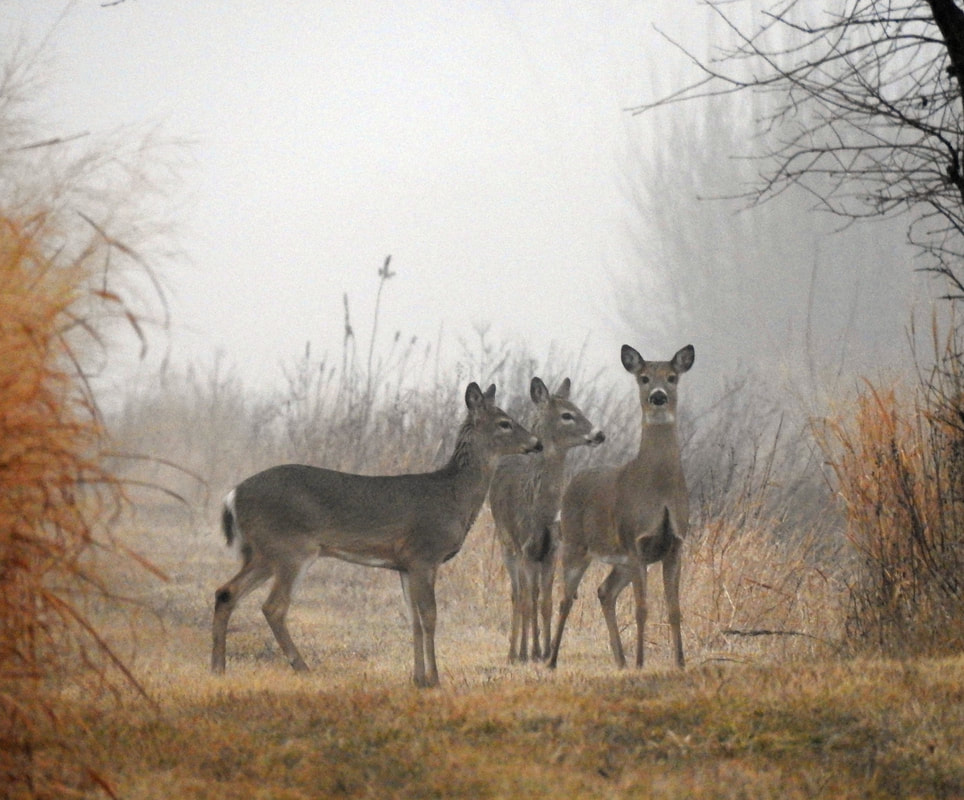
Three of the resident deer that like walking the Deacon’s Trail at the Limberlost Swamp Wetland Preserve.

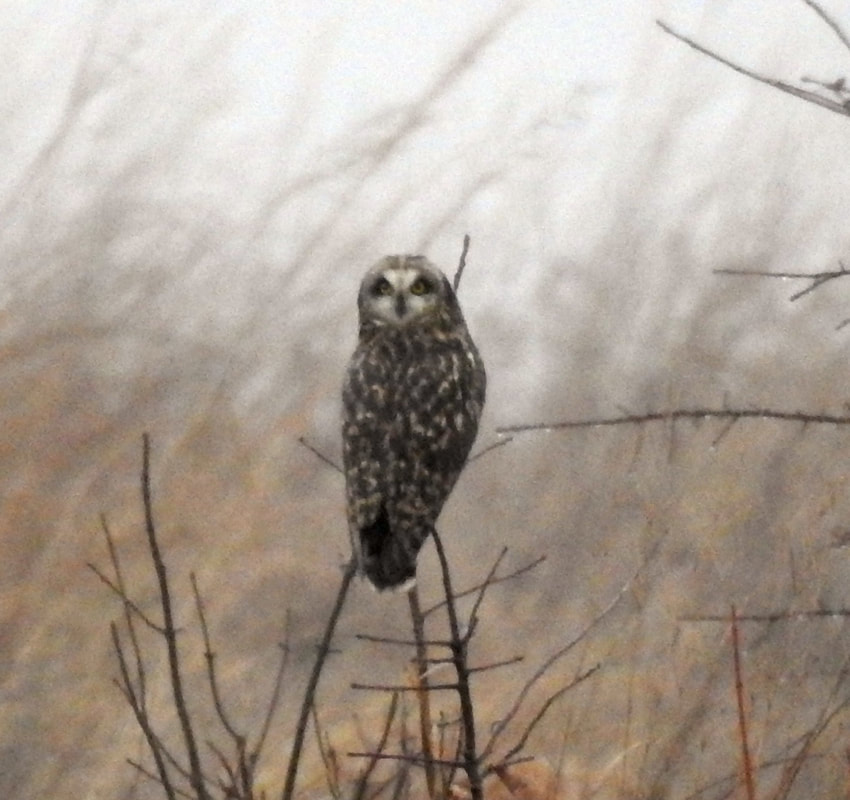
Short-eared owl at dusk at the Limberlost Swamp Wetland Preserve.

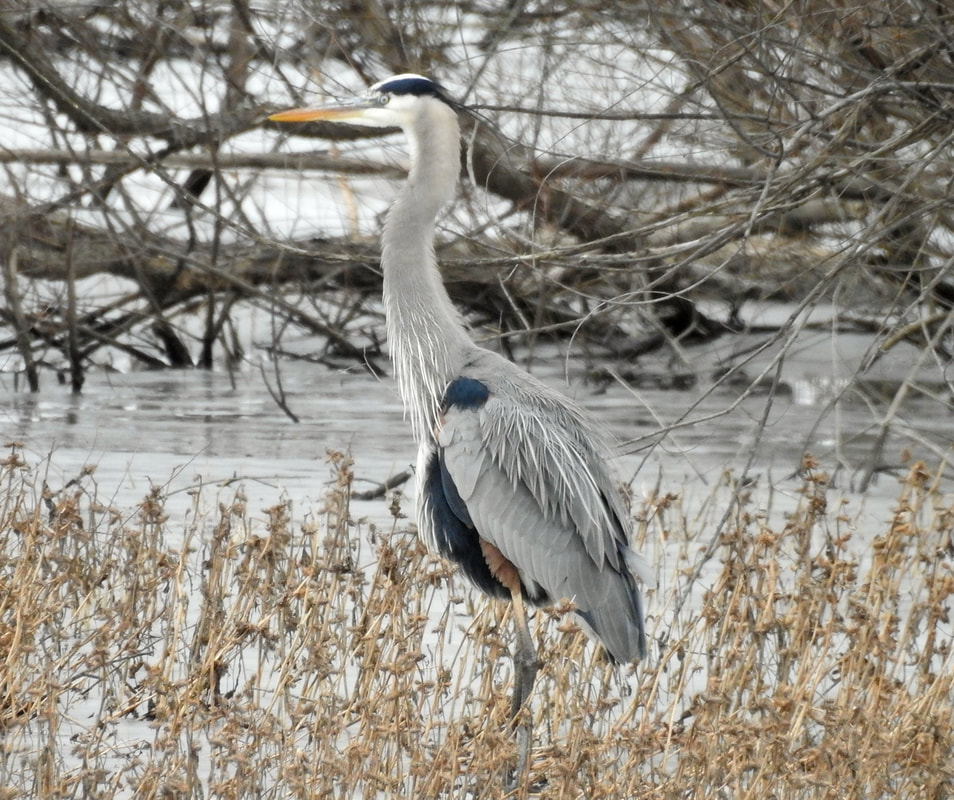
Great Blue Heron. There are a few that stay around here in the winter.

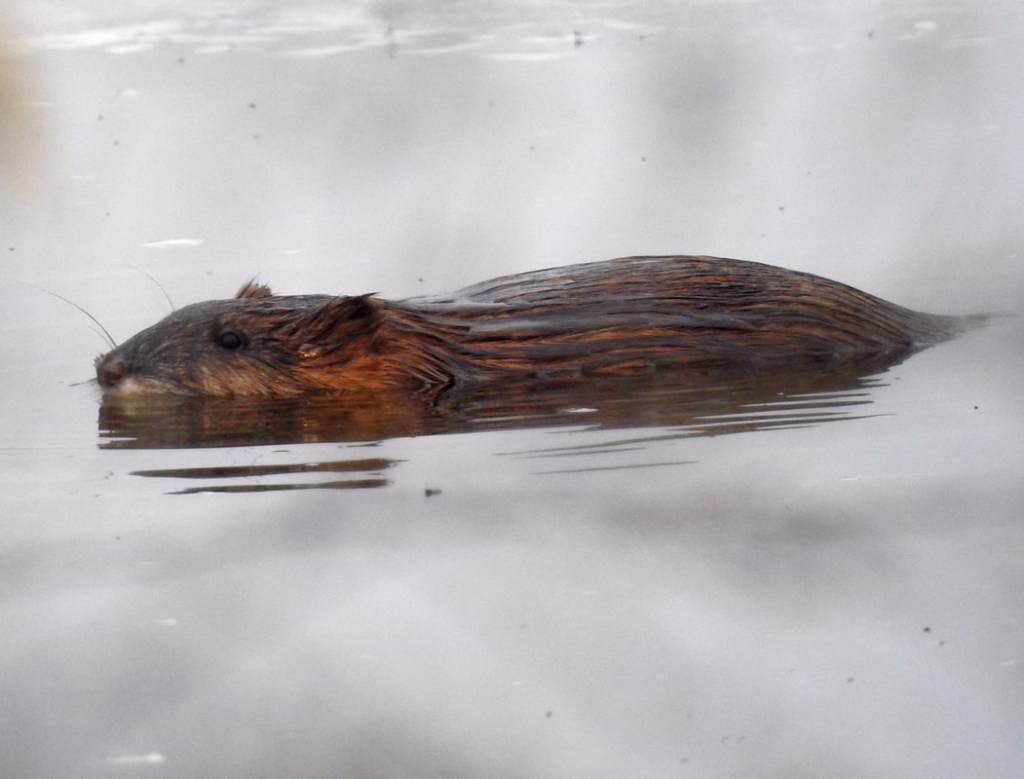
Muskrats are a common site at the wetlands and in the creeks.

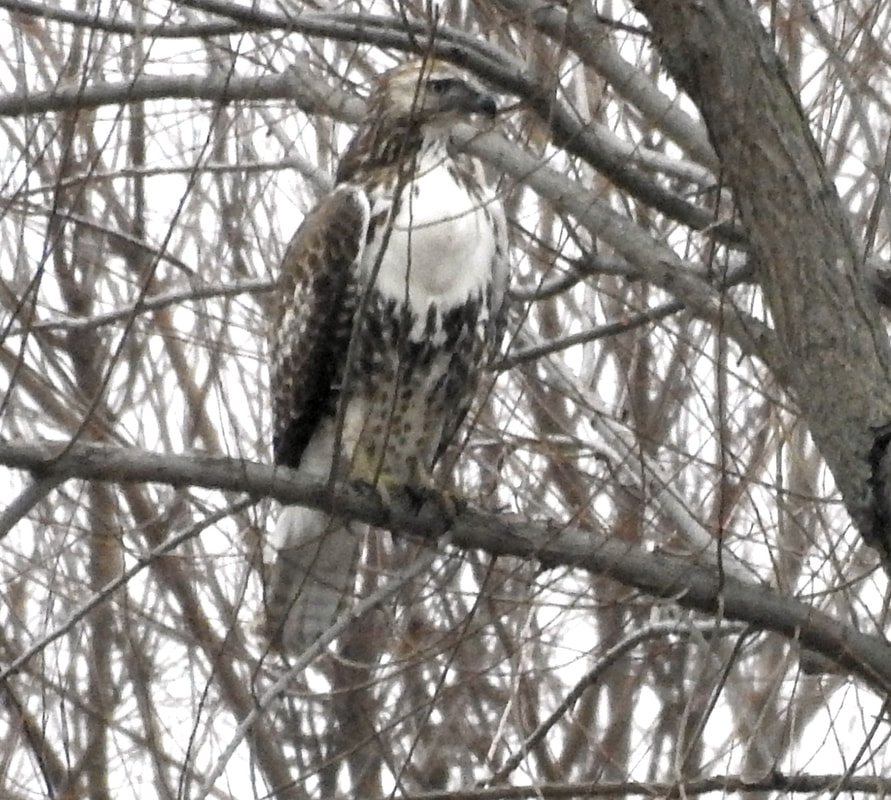
Red-tailed hawk

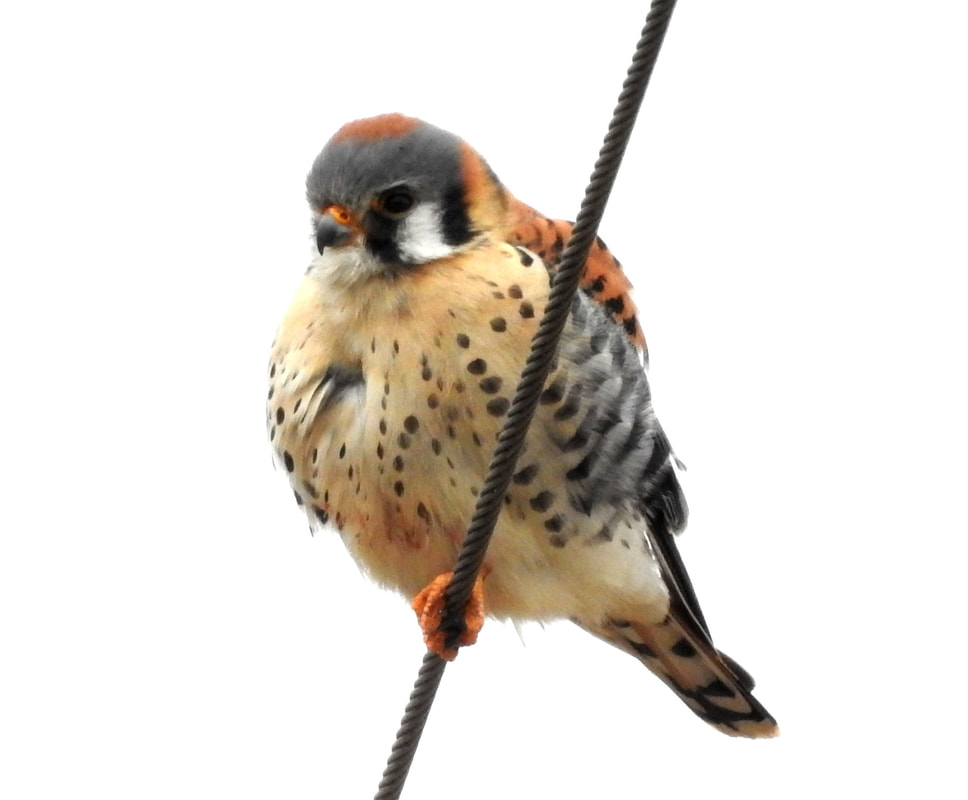
Kestrel. They are commonly seen at the Loblolly Marsh and the Limberlost Swamp Wetland Preserve.

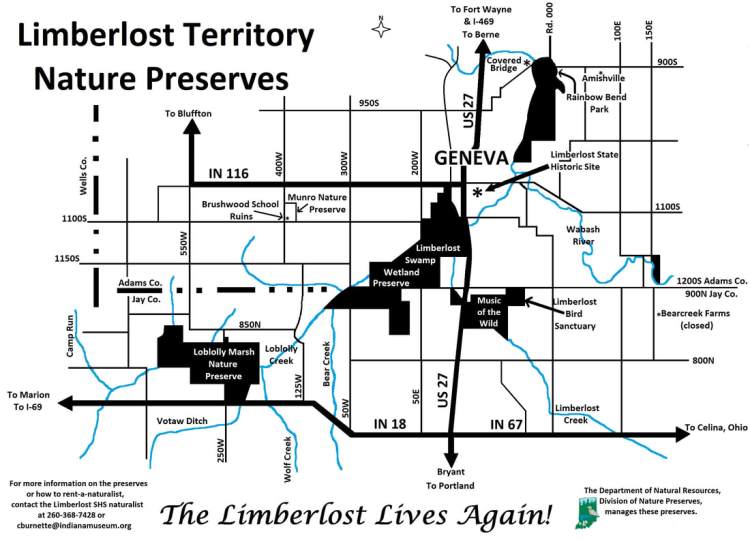
We hope that Kimberley Roll’s hike has inspired you to explore Limberlost. This is a basic map of the 1800 acres that are preserved.

SANJO Christmas Bird Count

By Terri Gorney

On January 1 Limberlost hosted the SANJO CBC. SANJO stands for Southern Adams, Northern Jay, and Ouabache. Randy Lehman came up with this name to represent the area that the circle covers. This circle was created for the National Audubon Society. It came out of the old Adams County CBC that had a 40 year history. Limberlost hosted this event for the 5th year.

It had to be the coldest on record for this area with temperatures -4 to -9 degrees in the morning. That did not deter a record number of 27 field, feeder and property counters from helping. We had participants from Mississinewa Audubon Society, Robert Cooper Audubon Society and Stockbridge Audubon Society and local residents. A total of 48 species were record, 2171 individuals.

This was the 118th Christmas Bird Count by the National Audubon Society. This count relies on volunteers. It is an early winter bird census. This count gives an idea of bird populations and how they have changed over the years. Some species have prospered and others have not. In our area, habitat restoration and creation of the Limberlost Territories and Ouabache State Park have helped the birds to thrive. We now have a year round population of bald eagles and northern harriers and short-eared owls as regular winter residents.

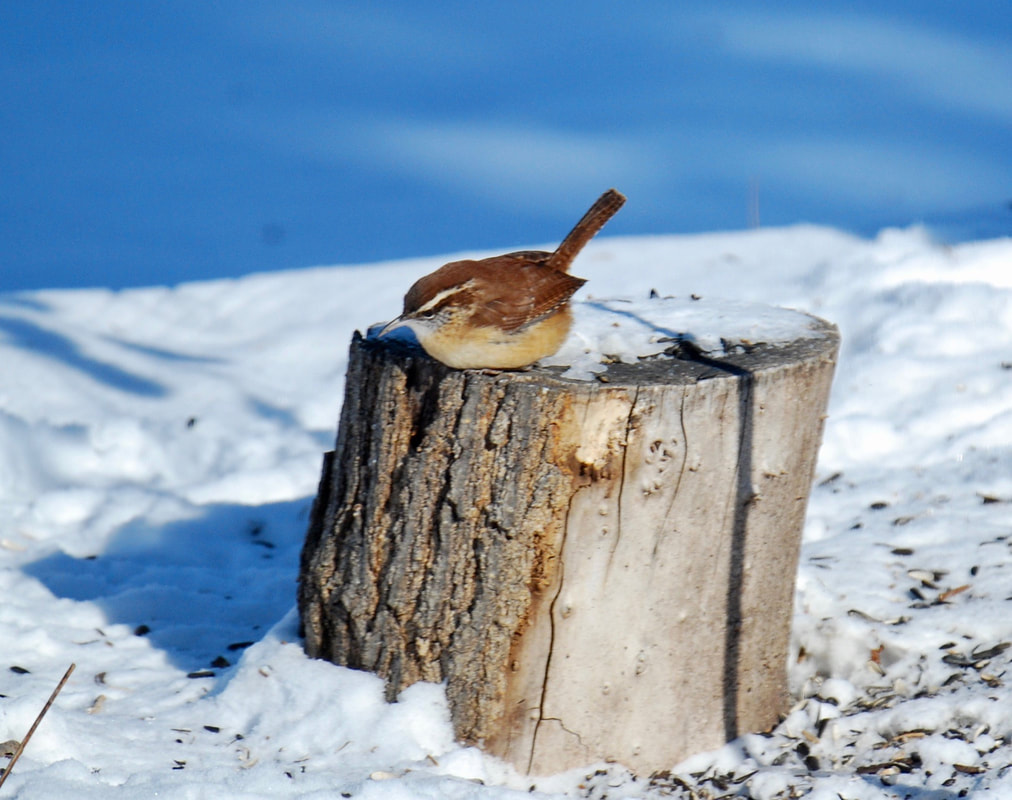
Some of the best birds were the bald eagles, short-eared owls, rough-legged hawks, northern harriers, greater white-fronted geese, snow buntings, Lapland longspurs, Carolina wrens, brown creepers, yellow-bellied sapsucker, redheaded woodpeckers and pileated woodpeckers. We had a record numbers of horned larks, Lapland longspurs, snow buntings, and American tree sparrows this year.

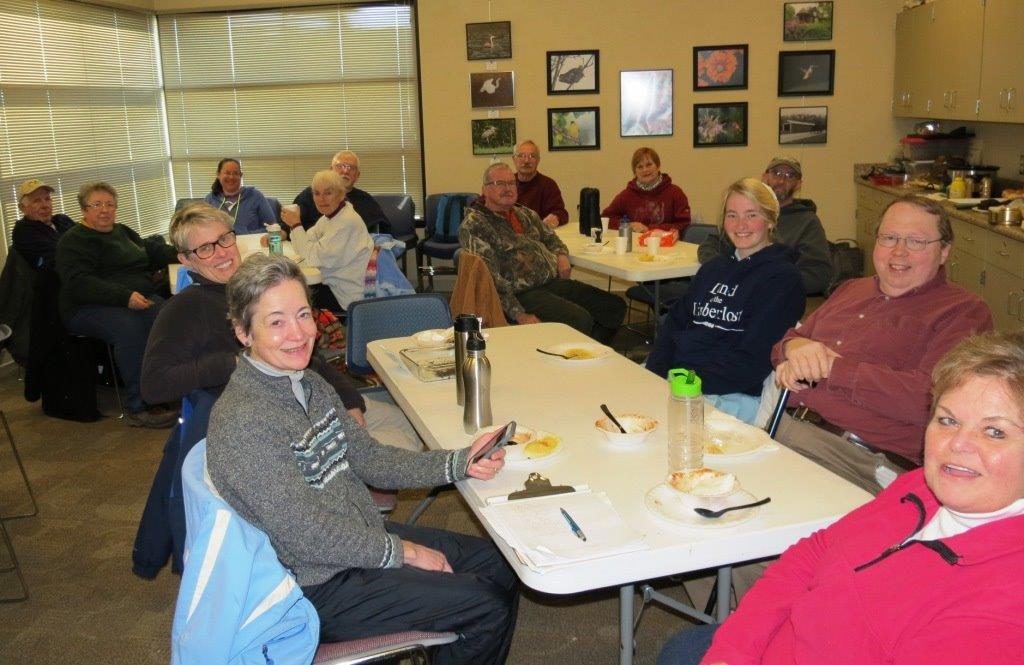
We met at the Limberlost Visitor Center for a chili carry-in lunch. We had a feast along with great conversation. It is a great way to start the new year.

A big thank you to all that participated in this event. In my opinion, it is the volunteers that make this count special. A few of our volunteer had “lifers” – birds they had not seen before. There is always room for more counters for January 1 2019. You do not have to be an expert birder to help with this count. Larry Parker was the compiler before me. Larry has a long history of birding in Adams County and helping with bird counts. He still helps with the counts.
The Indiana Audubon Society’s May Count will be held May 12. This count will be for Adams County. Anyone interested in helping with this count are welcome. We can always use feeder counters, field counters or people who want to count birds on their farms or properties.

Some of our counters enjoying lunch.

Carolina wren by J Swygart

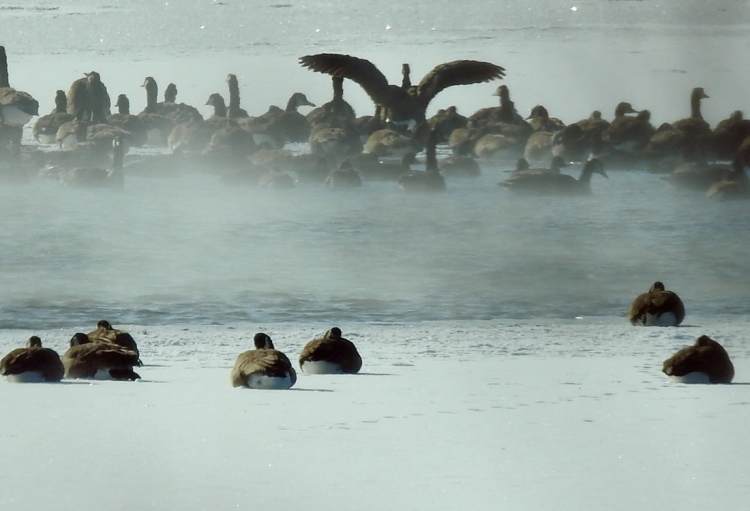
Waterfowl on the old gravel pit in Geneva. It was one of the few places with open water.

Most Elusive Moth

By Gene Stratton-Porter

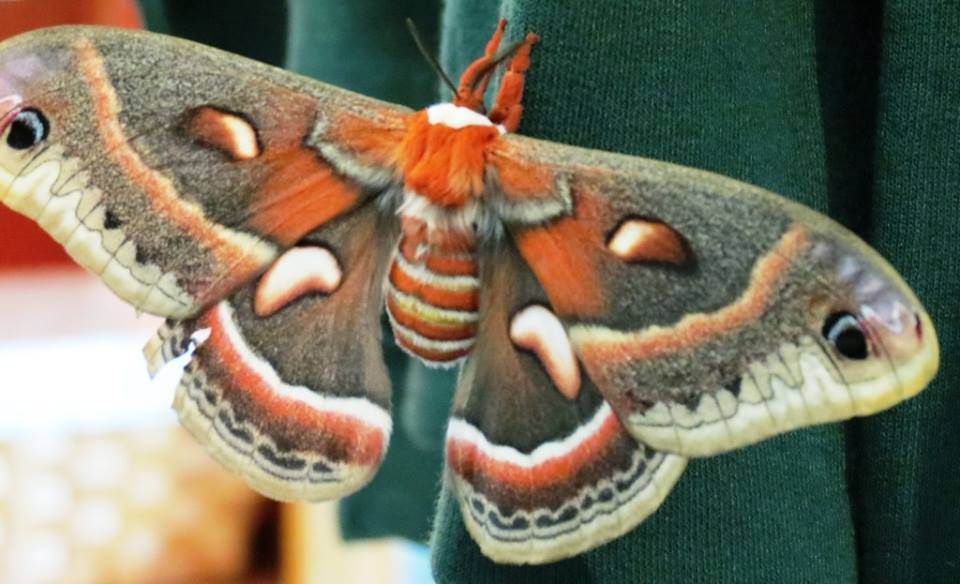
Once when I was a child I brought a Cecropia moth home and kept it for a short time, but not until twenty years afterward did I have one at close enough range to take a picture. I did not see it until one summer morning when a little boy brought me a fine specimen in a pasteboard box with a perforation in the top. I took it out, and found it so numb with cold that it could not cling to a twig. I knew that these moths lived only a short time, and, fearing that this one was near death, focused the camera on a branch and tried again to make it cling. The fourth effort was successful, though the moth crept so far away before it settled that I had to change the shutter. It took less than a minute, but when I looked around my fine Cecropia was sailing over the top of the elm trees near the orchard.

Some months later, after one of the most trying days I ever spent afield, I came home to find a Cecropia slowly working its wings up and down on the top step of the cabin. I reached for my net. The moth for which I had waited twenty years was mine.
Note: People in Geneva would bring Gene moths, caterpillars and birds. She would pay them for their efforts.

Cecropia Moth found and photographed by Terri Gorney.

Wherein Two Winter Visitors to the Limberlost are Examined and Embraced

By Curt Burnette

Going south for the winter from Indiana to most people would mean heading down to Florida or some other Deep South destination. But if you normally spent the summer far north of the Midwest, going south for the winter might mean heading down to northern Indiana. This is, in fact, what some species of birds do. During the winter months, the Limberlost plays host to northern harrier hawks and short-eared owls.

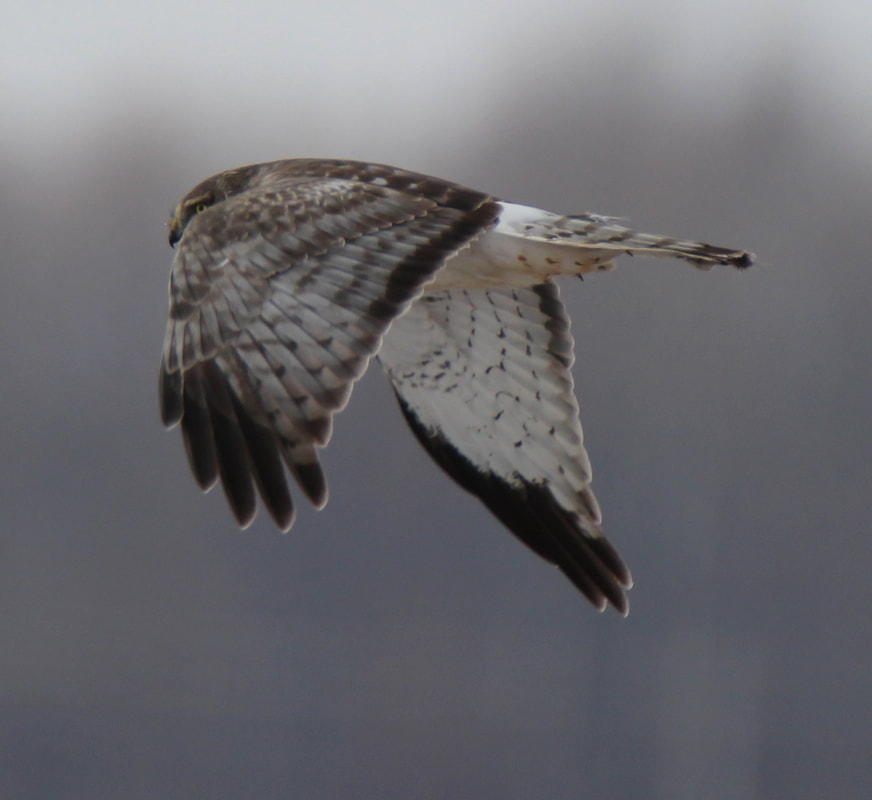
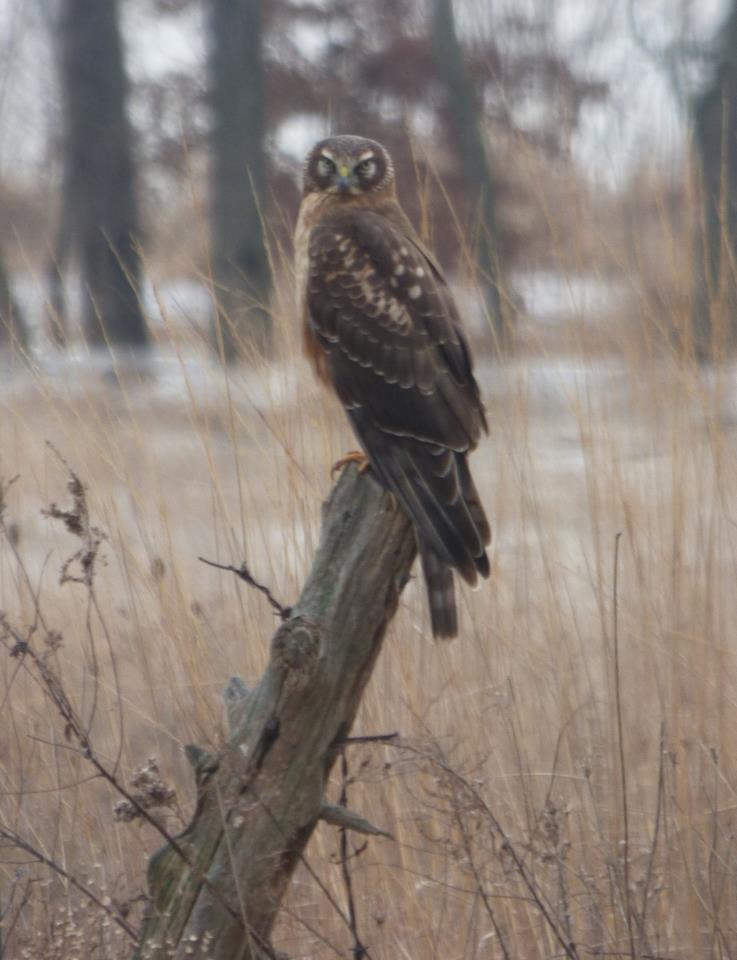
At the Limberlost we generally see northern harriers starting in the fall, though the winter, and into early spring. They are very interesting and unusual hawks in several ways. First of all, they are the most like an owl of any type of hawk there is. They have a facial disk like owls have to help direct sound to their ears, so they use both sight and sound to hunt. They do not soar high above the ground like raptors that use just their eyes, but stay close to the ground to hear prey. ​They are very acrobatic as they fly and will even hover above prey before dropping down on them. And they are sexually dimorphic, which means that males and females look different from each other. Males are smaller and grey, while females are larger and brown. Both sexes have a white rump patch, though, that is easy to spot as they soar through open areas like Lmberlost prairie and marsh.

Short-eared owls are ground-roosting birds of the same open areas that harriers prefer. They roost communally, which means they spend the daytime together in thick clumps of grass or other vegetation. These owls arrive at the Limberlost later than the harriers and leave earlier. There are fewer of them in our area and they are harder to see, as they come out at dusk like other owls, although often a bit earlier than most owls. They don’t hoot like some owls do, but instead make an odd squawking sound. Since they live in the same habitat and have similar behaviors as the harriers, short-eared owls are the night shift and the harriers would be the day shift. There is a bit of overlap with the two shifts since these owls come out before the harriers retire for the night. Apparently the owls are not fond of their daytime counterparts. Several people, including me, have watched short-eared owls chasing and harassing the northern harriers. They must not want the competition, and are encouraging the harriers to quit their shift and go home.

The best place to go to see these two interesting birds is the 850 acre Limberlost Swamp Wetland Preserve. While driving slowing down County Line Road during the day, watch for the acrobatic harriers swooping low to the ground in the open areas. To see the owls at dusk, park in the gravel parking lot where Jay County road 50E intersects with County Line Road, or drive slowly through the preserve and watch for these graceful owls also flying low to the ground. It’s worth a visit to the Limberlost this winter to meet and enjoy these two fascinating feathered visitors from the north!

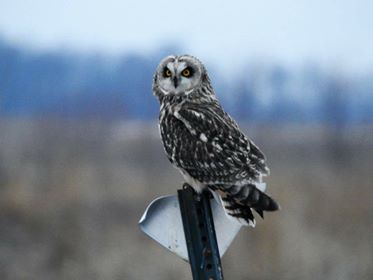
Short-eared owl. Photo by Brian Daugherty.

Short-eared owl. Photo by Brian Daugherty.

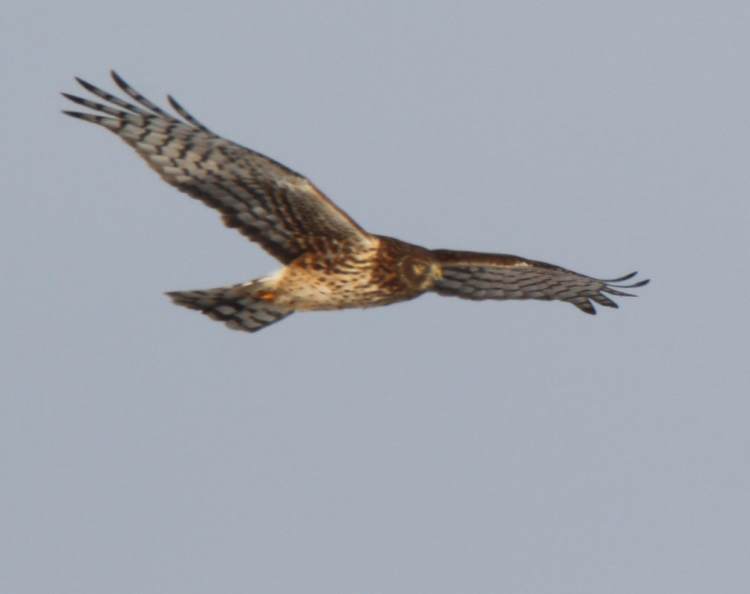
Northern harrier. Photo by Bill Hubbard.

Northern harrier. Photo by Bill Hubbard.

Photo taken by Curt Burnette of a northern harrier in his yard. Curt lives at the edge of the Limberlost Swamp Wetland Preserve.

WINTER: Through Gene’s Eyes

Long time board member and Friends supporter Becca James shares this blog with us. Gene Stratton-Porter spent her winters writing books and magazine articles in the library of the Limberlost Cabin. Gene loved winter walks to the Wabash River and feeding the birds along the way.

“When it grew cold enough to shut the doors, and have fire at night, first thing after supper all of us helped clear the table, then we took our slates and books and learned our lessons for the next day, and then father lined us against the wall, all in a row from Laddie down, and he pronounced words-easy ones that divided into syllables nicely, for me, harder for May,and so up until I might sit down. For Laddie, May and Leon he used the geography, the Bible, Roland’s history, the Christian Advocate, and the Agriculturist. My, but he had them so they could spell! After that, as memory tests, all of us recited our reading lesson for the next day, especially the poetry pieces. I knew most of them, from hearing the big folks repeat them so often and practice the proper way to read them. I could do “Rienzi’s Address to the Romans,” “Casablanca,” “Gray’s Elegy,” or “Mark Antony’s Speech,” but best of all, I liked “Lines to a Water-fowl.” When he was tired, if it were not bedtime yet, all of us, boys too, sewed rags for carpet and rugs. Laddie braided corn husks for the kitchen and outside door mats, and they were pretty, and “very useful too,” like the dog that got his head patted in McGuffy’s Second.” Gene Stratton-Porter, Laddie: A True Blue Story

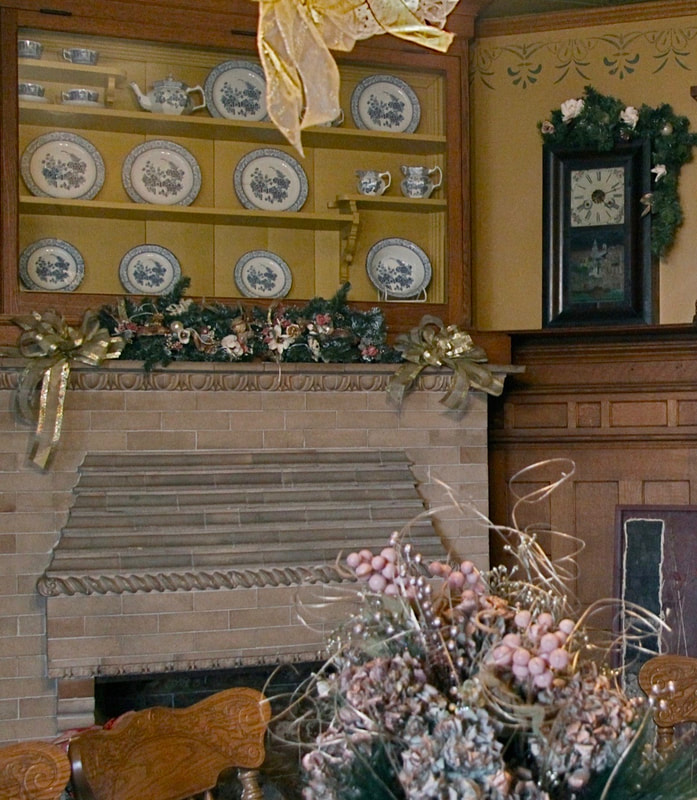
The picture is of the fireplace in the dining room at the Limberlost Cabin. Photo by Becca James.

The Rose Parade, California Marshes, and Indiana Connections

By Adrienne Provenzano

When I was growing up, watching the Rose Parade from Pasadena, California on TV was a New Year’s Day tradition, and I’ve continued this tradition as an adult. This year, one float in particular caught my eye, because it represented a marsh. After the parade was over, I did a little online research and thought Friends of the Limberlost, and others, may enjoy my findings.

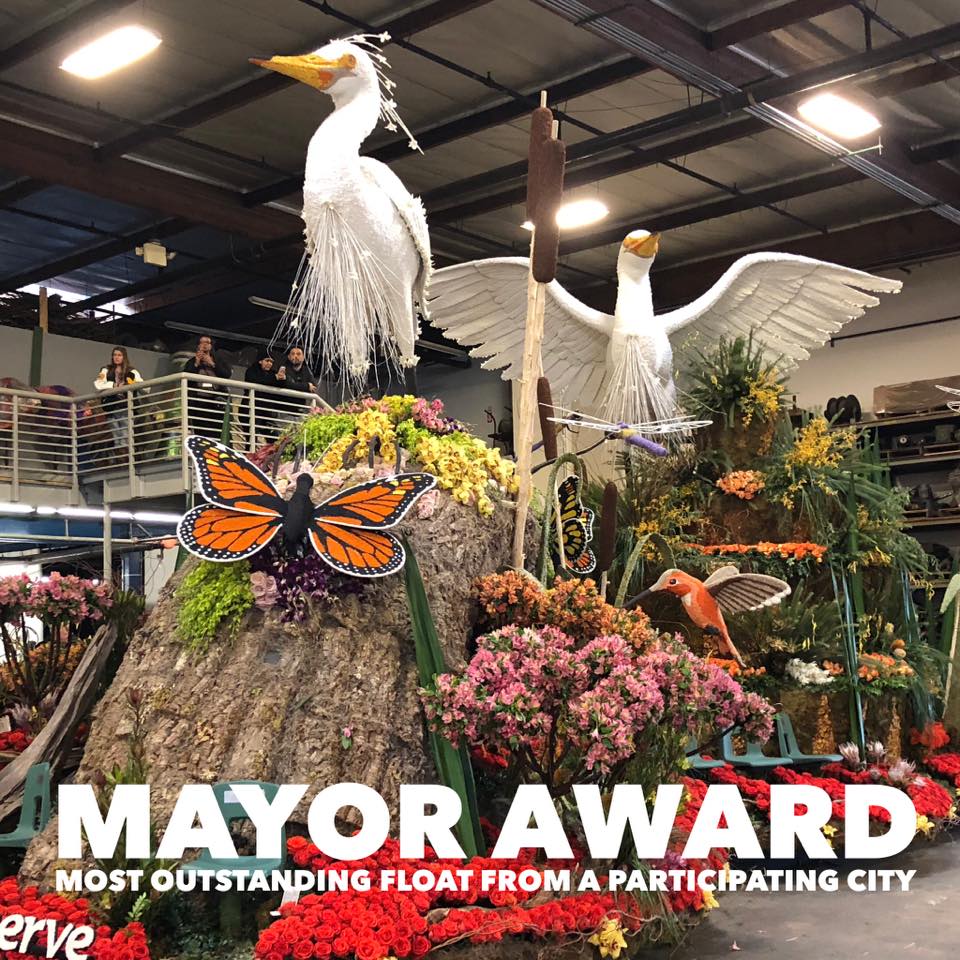
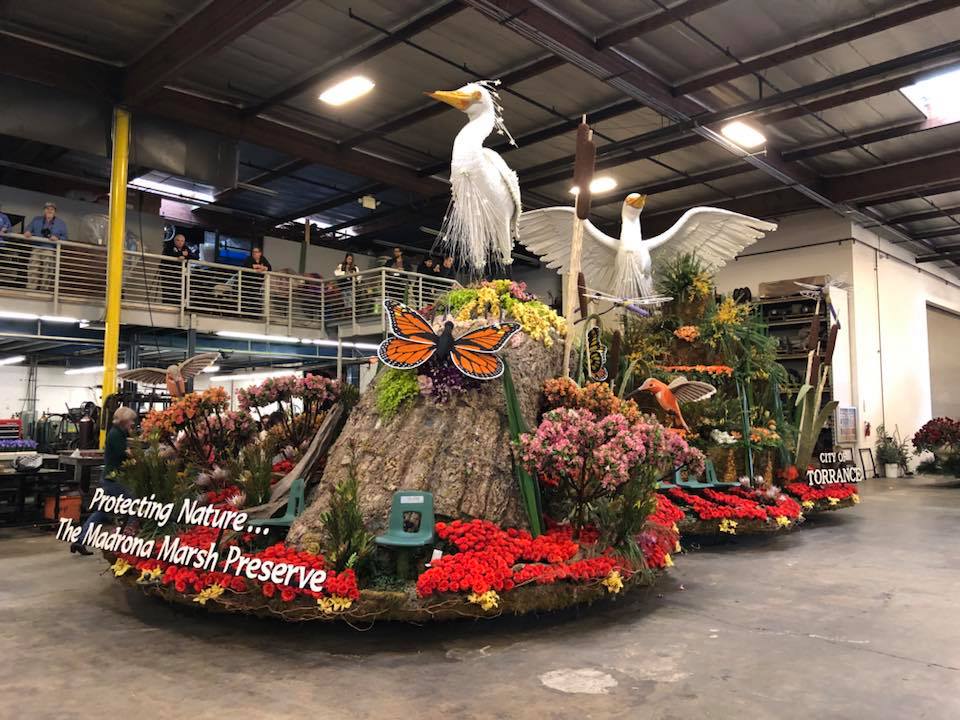
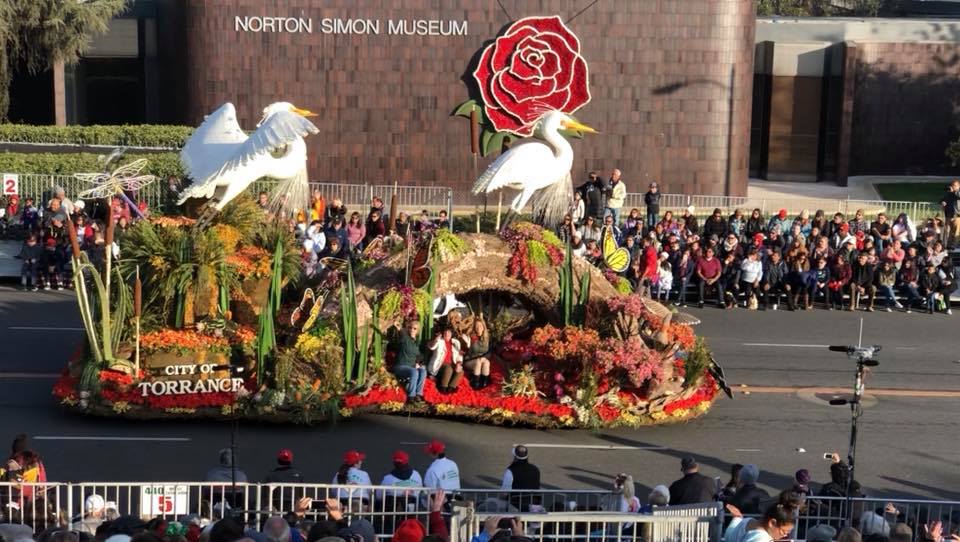
The float, entitled “Protecting Nature: the Madrona Marsh Preserve,” was built by the Fiesta Parade Floats company for the City of Torrance, California (with lots of volunteer help!) and designed by a high school student, Irene Tsay from West High. This vernal freshwater marsh in Los Angeles County is unusual for the area nowadays, but there used to be many such marshes. A vernal marsh does not have a built-in water source, and in this case is created by winter and spring rains. There are many micohabitats, and some of the species located there are depicted on the float – such as monarchs, cattails, and egrets. Hmmm…do any of these sound familiar, Friends of the Limberlost?!? Over 275 native and 50 non-native species of birds have been spotted over the past 40 years. Check out friendsofmadronamarsh.com for lots more information, including photos of flora and fauna!

I wonder if Gene Stratton-Porter may have visited the Madrona Marsh area when she lived in California. According to GSP researcher extraordinaire Terri Gorney, Gene did enjoy picnicking at Laguna Beach, and other biographical information about Gene, as well as her writings set in California, show an appreciation for the flora and fauna of the region. Her home on Catalina Island was certainly part of this area once frequented by the Tongva Native Americans, who had 100 settlements in the area of Los Angeles basin and Southern Channel Islands, including Catalina.

I also wondered if Gene ever attended the Rose Parade. It was started in 1890, and she moved to the area in 1919 and had an article, “Why I Always Wear My Rose-Colored Glasses” published in American Magazine that year. There is no mention of the parade in the article, but certainly, with her love of roses, it would have been a delight to her! So, no research so far has disclosed any mention of the Rose Parade by Gene, but she did include roses in her California landscaping!

The overall theme for this year’s Rose Parade was “Making a Difference.” Friends of the Limberlost, Limberlost Swamp Remembered and Friends of Madrona Marsh share in this important conservation work. It seems all roads lead to the Limberlost, even Orange Grove and Colorado Boulevards in Pasadena where the Rose Parade takes place!

Happy New Year!