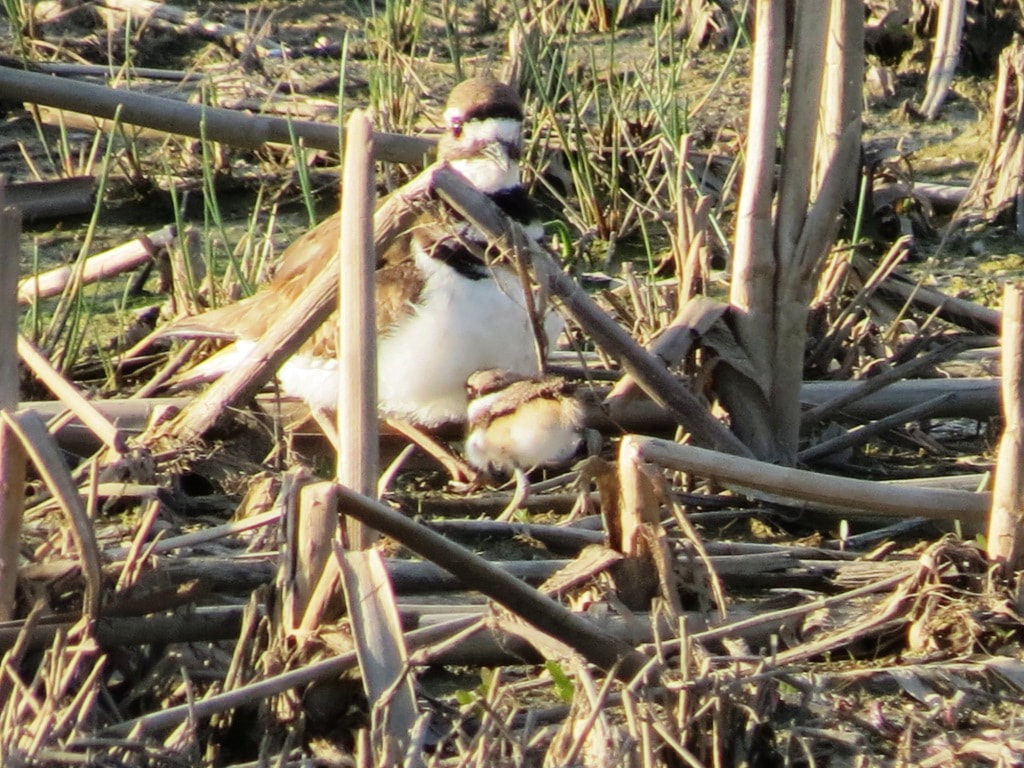
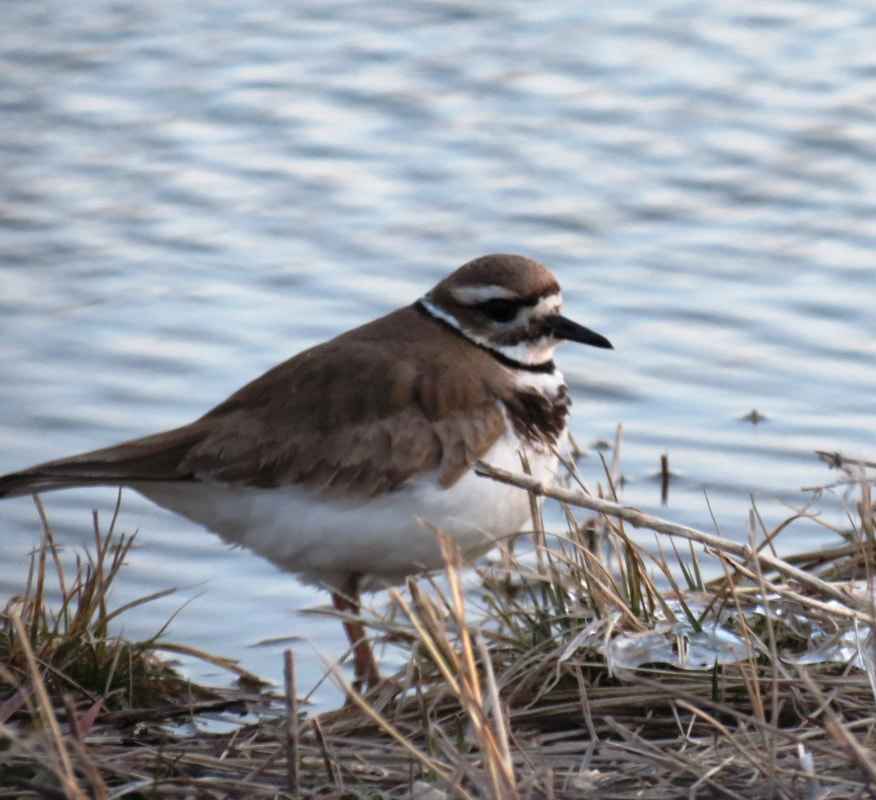
The killdeer nest was in the middle of a cornfield. It was not much to boast of. The four tan-colored eggs sprinkled with dark brown and black lay on the bare earth surrounded by a few bits of bark and cornstalk. The mother bird was young and extremely shy and nervous, and , though I dreamed of having her perch on my hand like other killdeers I have known, it was only with the greatest difficulty that I was able to take a picture even of the young birds.
After a week or so of patient waiting I was compelled to miss one day’s visit to the nest and when I went back it was deserted. Before I could decide whether or not there had been a tragedy I heard a faint cry which I recognized as that of one of the young birds. We gave chase, my daughter and I and finally, breathless, hot and disheveled, secured a picture of him as he mounted a rock.
He was the quaintest baby bird I have ever handled, with his downy black and white, pink and tan suit, his slender beak, his long legs and the big prominent eyes which showed plainly that he was able to fly by night as well as day.
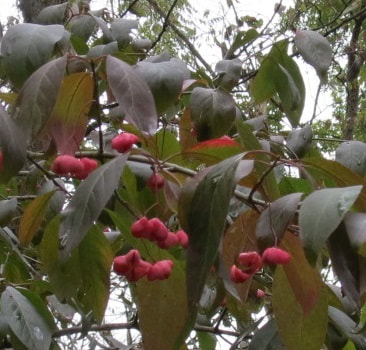
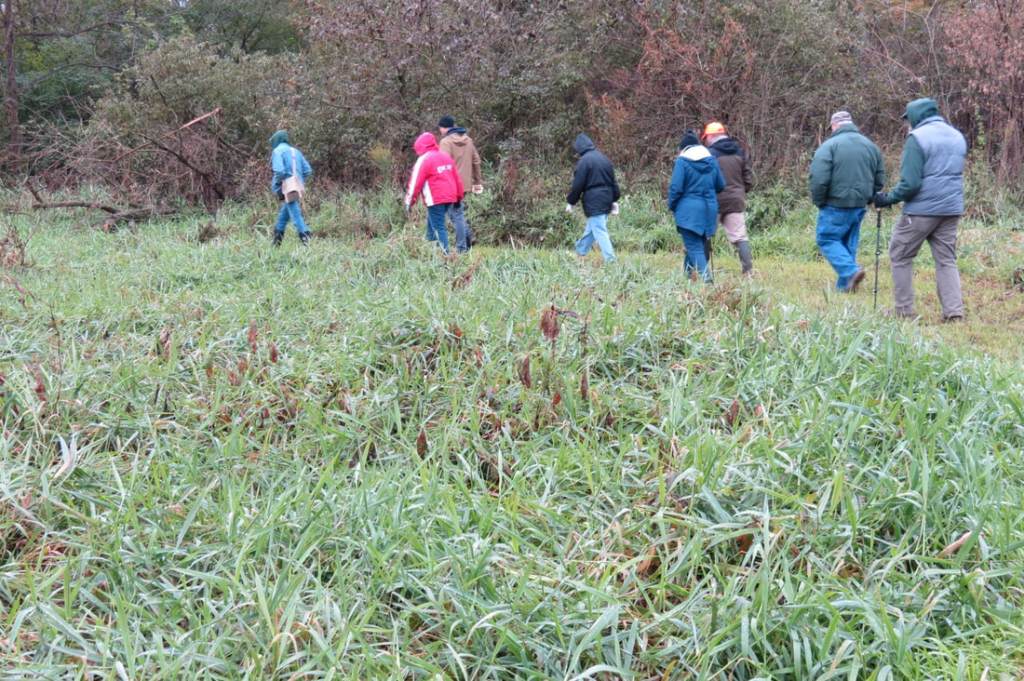
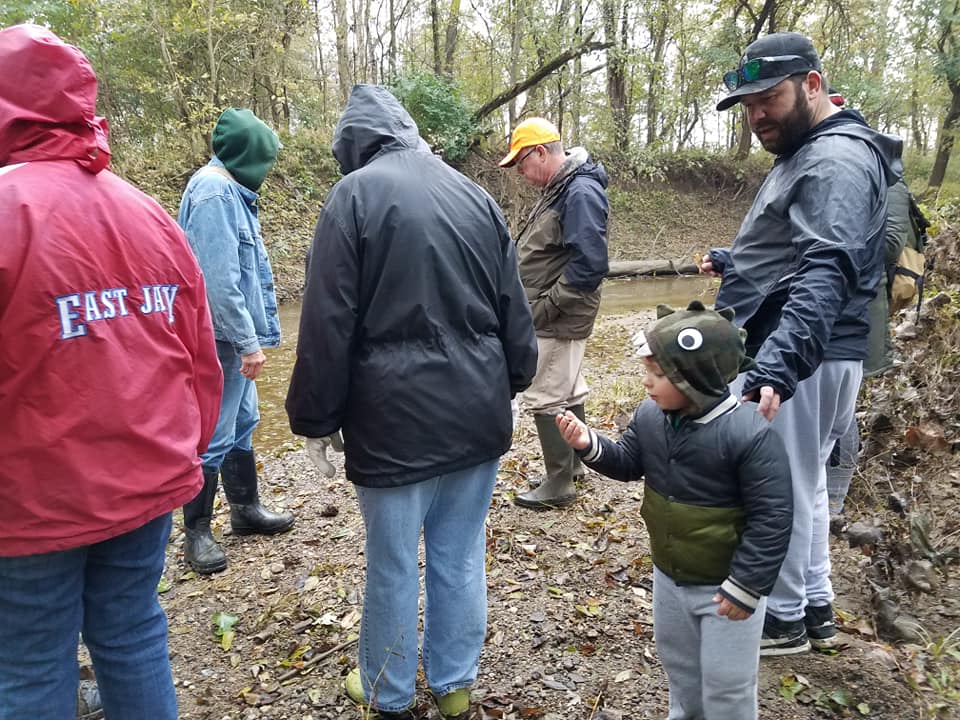
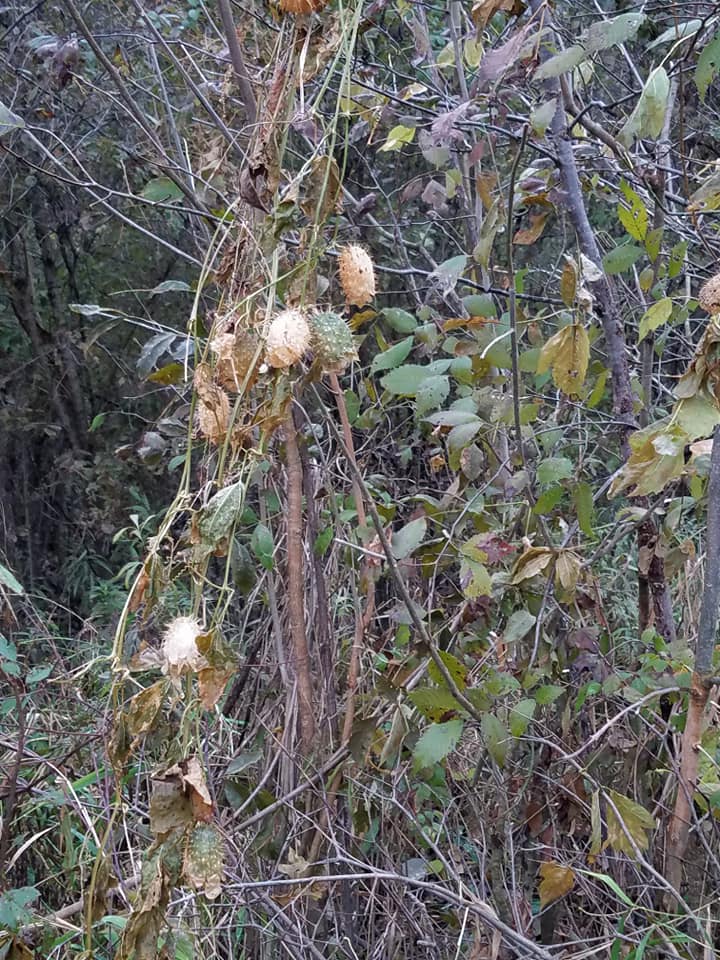
This blog is a collaboration of a hike led by Naturalist Curt Burnette at the Music of the Wild Preserve on October 27, photographs of the hike by Melissa Fey and Randy Lehman and the words of Gene Stratton-Porter from her book “Music of the Wild,” Part II, Songs of the Fields, which is about this area. We hope you will enjoy your hike with Gene, Curt, Melissa, and Randy.
I love all the music of nature, but none is dearer to the secret places of my heart than the Song of the Road. The highways are wonderful. They appear to flow between the fields, climbing hills without effort, sliding into valleys, and stretching across plains farther than the eye or lens can follow.
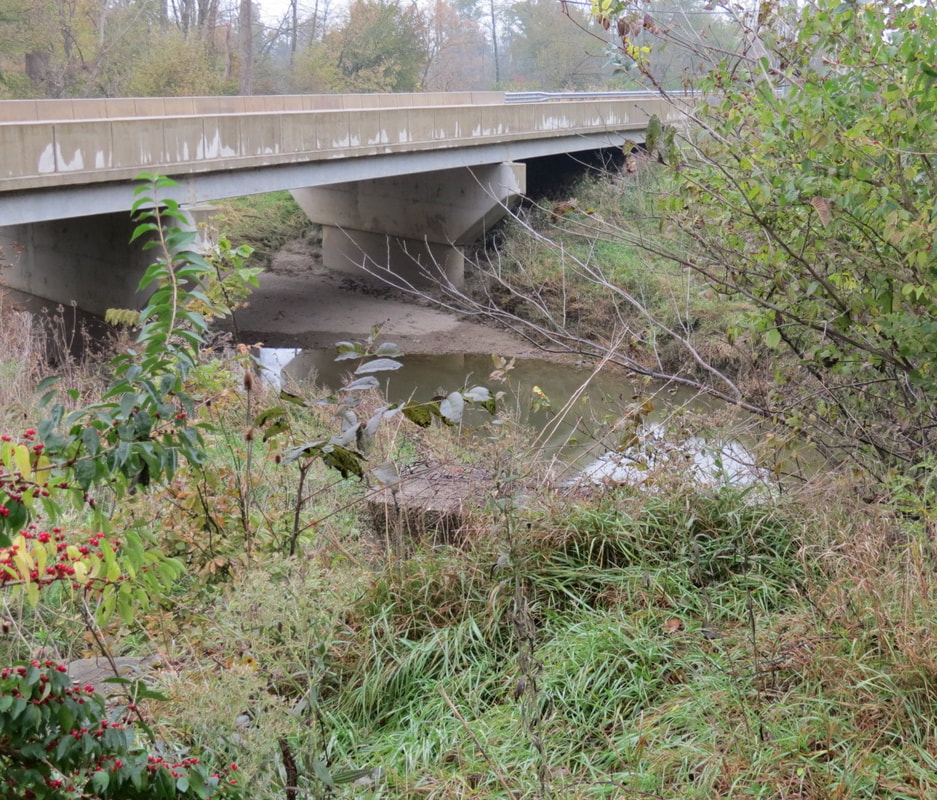
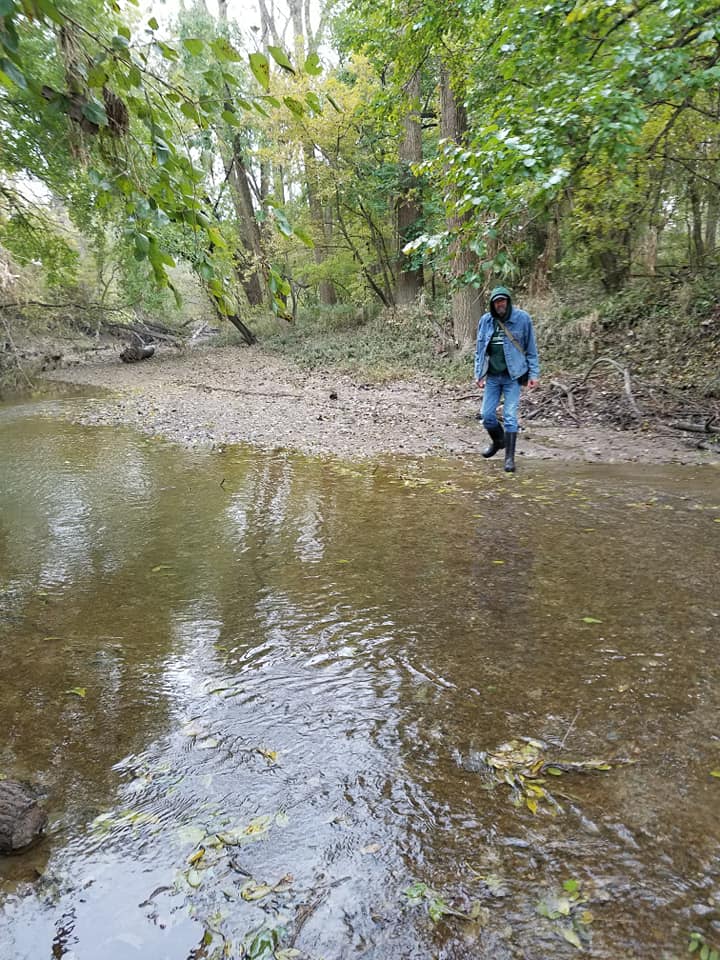
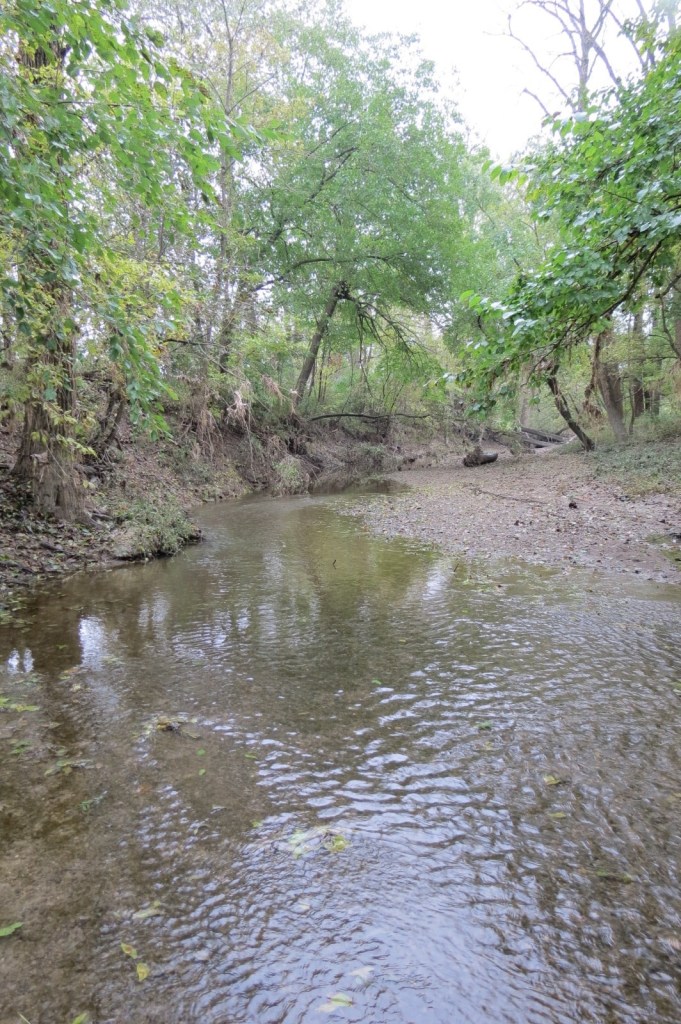
The Limberlost is a wonderful musician, singing the song of running water throughout its course. Singing that low, somber, sweet little song that you must get very close earth to hear, because the creek has such mighty responsibility it hesitates to sing loudly lest it appear to boast.
All the trees rustle and whisper, shaking their branches to shower it with a baptism of gold in pollen time.
The many trees and masses of shrubs lower their tones to answer the creek, and he who would know their secret must find for himself a place on the bank and be very quiet, for in the thicket the stream will sing only the softest lullaby, just the merest whisper song.
Sometimes it slips into the thicket, as on the Bone farm; for it is impartial, and perhaps feels more at home there than in the meadows, surely more than in cultivated fields, where the bans are often are stripped bare, the waters grow feverish and fetid, its song is hushed, and its spirit broken.
…..and November spreads a blanket of scarlet and gold.
This is a new concept in the United States, but Forest Bathing has been practiced in Japan for many years. The idea is to immerse yourself in the forest. This is not a hike but more a leisurely walk using all your senses to engage with Nature.
Contact with nature is as vital to our well-being as regular exercise and a healthy diet. Just as our health improves when we are in nature, our health suffers when we are divorced from it. As we walk slowly through the forest, seeing, listening, smelling, tasting and touching, we bring our rhythms into step with nature. Shinrin-Yoku is like a bridge that opens our senses and bridges the gap between us and the natural world. When we are set in harmony we can begin to heal.
Why should we be interested in Forest Bathing?
3.9 billion people live in cities
Living in cities can be stressful
The average American spends 93% of their time indoors
A high percentage of our time indoors is spent looking at screens
Even a small amount of time, as little as two hours, will help you unplug from technology and slow down. Forest Bathing can help:
Reduce blood pressure
Lower stress levels
Improve cardiovascular and metabolic health
Lower blood-sugar levels
Improve concentration and memory
Lift depression
Improve pain thresholds
Improve energy
Boost the immune system
Increase anti-cancer protein production
Help you to lose weight
A walk in the woods can do all this?
There are natural oils in plants, Phytoncides. They release these oils as a part of their defense system to protect them from bacteria, insects and fungi. It is the way that the trees communicate with each other. A study at the Mie University in Japan showed that the citrus fragrance of phytoncides is more effective than anti-depressants for lifting mood and ensuring emotional well-being.
The microbes in the soil we breathe, Mycobacterium vaccae, activate neurons associated with the immune system. Soil stimulates the immune system and a boosted immune system makes us feel happy. Digging in the garden or eating vegetables from the earth will give yourself a boost.
How to get started. Visit someplace that will fill your heart with joy. If you do not live near a forest, a local park will do. Trees in the city are just important as trees in the country. a single tree can absorb 4.5 kg of air pollutants in a year.
Leave your camera and phone behind
Let your body be your guide
Listen to where it wants to take you
Take your time
Focus on your breathing
Savor the sounds, smells and sights of nature
Let the Forest IN
Listen to the birds sing and leaves rustle
Smell the fragrance of the forest, breath in the phytoncides
Place your hands on a tree, dig your fingers/toes in a stream
Cross the bridge to happiness via your natural path
If you cannot go outside, bring the outside in by using tree essential oils. A test performed at Vanderbilt University Medical Center in the Emergency Department, which is a high stress and fatigue area, showed hat using essential oils generated from pine, cedar, spruce and other conifers made a big difference. 84% of the people tested felt that essential oils contributed to a more positive work environment.
Before
After
Work-related stress
41%
3%
Feeling well equipped to handle stress
13%
58%
Perceived energy levels
33%
77%
Develop a hands-on approach to the Natural World. Get in harmony with the earth. Take some time and practice Shinrin-Yoku, you will benefit from nature.
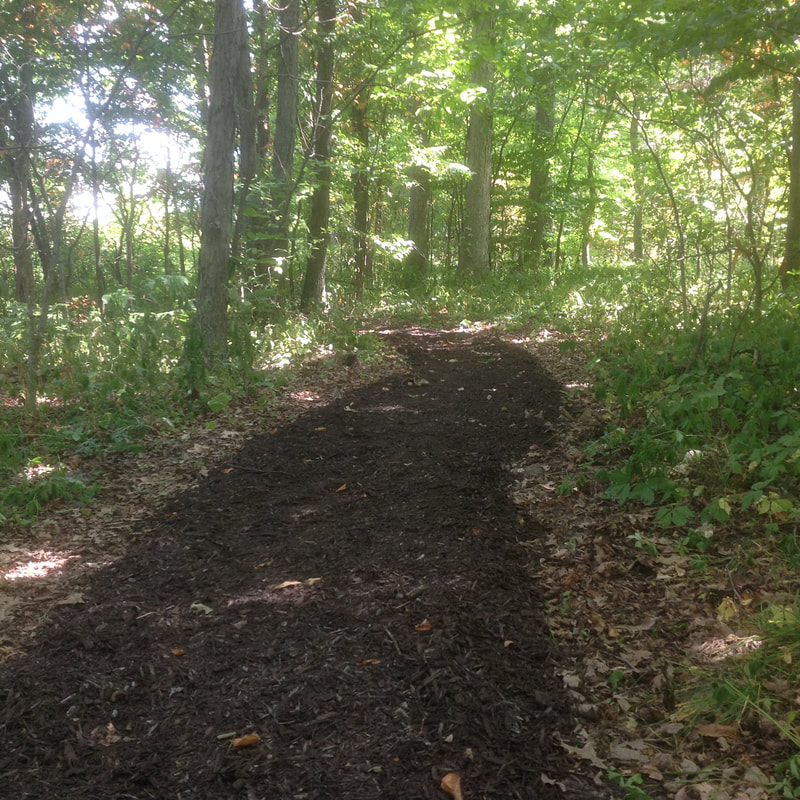
Photos from the Limberlost and the Loblolly Marsh woods trail.
Where was the magical place that Gene called Paradise on the Wabash? In a 1903 article, Gene gave clues to where it was located. She mentions Stanley’s end, Shimp’s farm, a favorite picnic, fishing and swimming sot along the river. It was also a place she could easily reach by carriage as she wrote that “almost every day there was some wonder for her” at this place.
Gene spent summers in the field working on bird studies. Paradise on the Wabash was where she photographed many birds and their nests. Gene gave Bob Black credit for finding over forty bird nests for her to photograph. Bob, like Gene, had a way with birds. Gene wrote that “the birds trusted him.”
In helping her with her studies, Gene wrote that oil men were the best “whether it was a millionaire lease holder or a ditcher in a trench.” Bob Black was an oil man as was J. W. Paxson. Gene wrote that Bob was her best field worker and that Paxson was her best Limberlost guide. Gene would be lifelong friends with Bob.
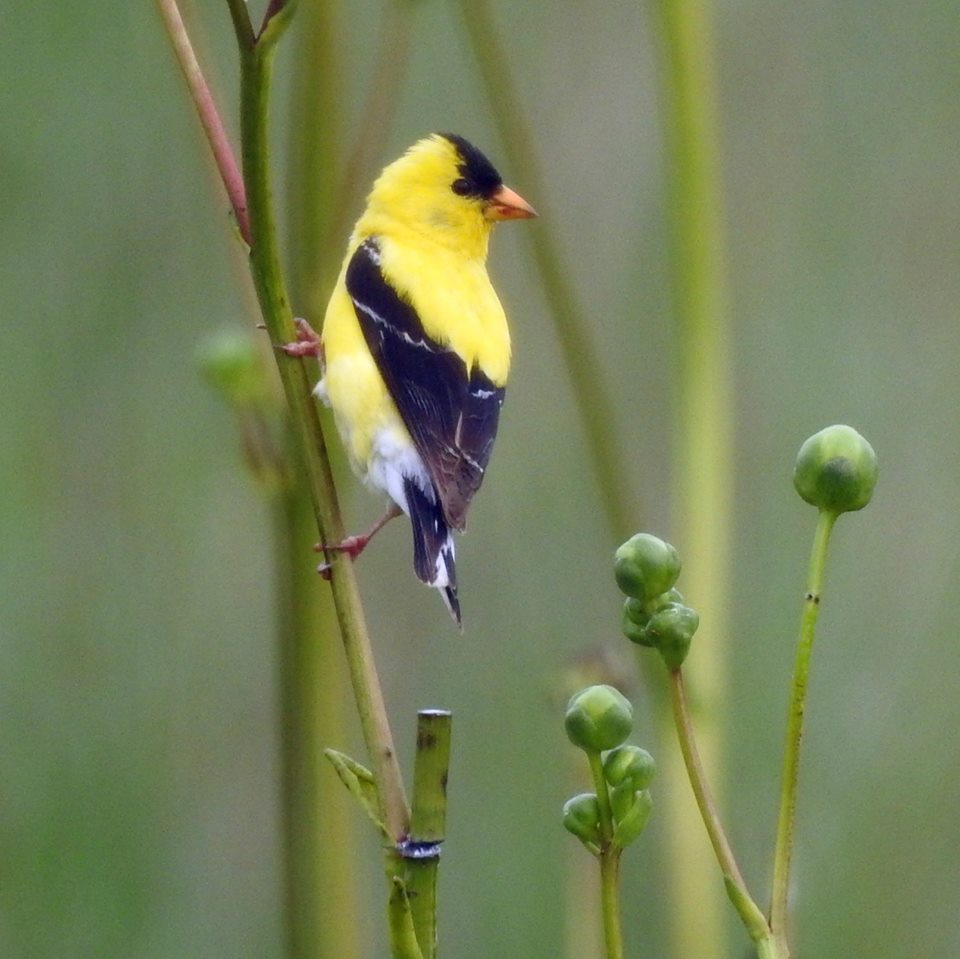
At Paradise on the Wabash, with bob’s help, Gene was able to photograph many birds and their nests. Gene penned that there was a scarlet tanager nesting in a mulberry tree, a vireo in an elm tree, a masked warbler (common yellow throat) in a wild plum, a crested flycatcher in a giant maple, a cardinal in a red haw. She also mentions a cuckoo, catbirds, robins, blue jays, doves and goldfinch. She noted that every hollow tree had flicker sapsucker, woodpecker or nuthatch.
There was one bird in this area that Gene did not like It was the cowbird. The reason is that they deposit their eggs in another bird’s nests to let them incubate and raise, sometimes to the detriment of their own young. She referred to them as “the feathered interloper.” Bob found a nest that contained an extra cowbird egg. Gene asked him to leave it as she wanted to use that nest as a study.
Paradise on the Wabash is on the east side of Geneva between the Wabash River and Riverside Cemetery. It was where Bob worked on the Stanley’s Oil Lease. This area was sometimes referred to in the Geneva Herald as Bob Black’s Park.
Today it is still a thriving place for bird life. The birds that Gene recorded over one-hundred years ago are still here. Those birds, as well as pelicans, snow geese, greater white-fronted geese, pileated woodpeckers, bald eagles, barred and great horned owls, and red-shouldered haws have all been seen in this area. Gene’s Paradise on the Wabash lives on!
Inspired by Melissa Fey, my wife Phyllis started raising Monarch butterflies from eggs and caterpillars we found in the yard. Going around in the garden we came across other caterpillars, including some of the Red Spotted Purple butterfly (which she has already raised to butterflies and released). She asked me what a rather non-descript green caterpillar would turn into. I didn’t know but answered if she wanted to know, she could raise it and see what it turned into. She did. She put it in a ventilated box with some of the leaves it was on and changed the leaves for fresh ones every couple of days.
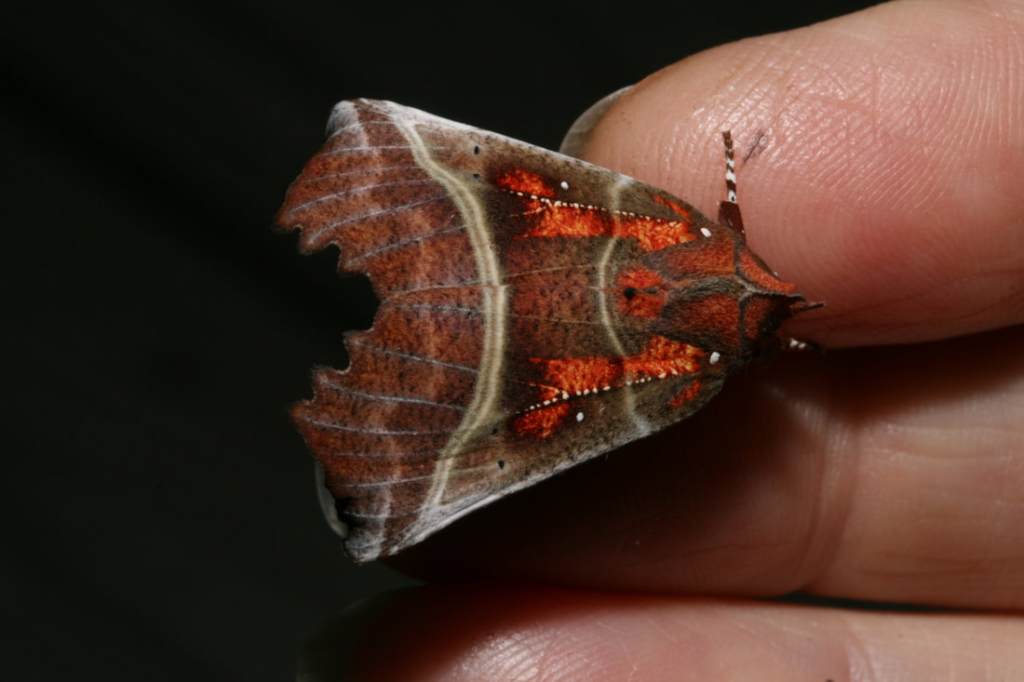
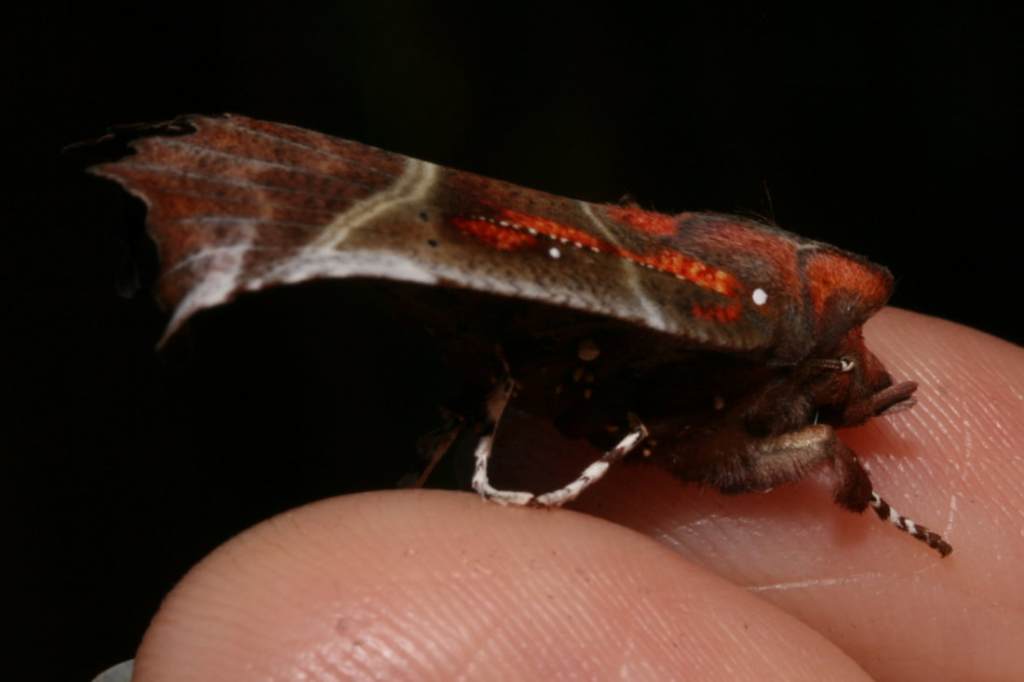
One day she let out a surprised yell. She said she thought she saw a dead and withered leaf in the box and reached in to replace it with a fresh one. It moved! The caterpillar had pupated and hatched into an adult moth. This is a moth, called The Herald, Scoliopteryx libatrix (Scolio: curved; pteryx: wing; libatrix: someone or something that pours.)
As you can see in the photo, the wingtips have not completely straightened out yet. Being newly emerged, the colors are strikingly strong.
Some species of moths look a lot alike and are difficult (sometimes impossible) to tell apart just by looking at them. The color and pattern is quite unique in this moth The orange colored patches are described as “wide streaks of mottled orange.” they remind me of glowing coals. it almost looks like there’s a fire burning through the wings from below. maybe that’s just my imagination.
Phyllis was fooled by the moth’s camouflage pattern. Hanging among (wilted) leaves it really does blend in. It is a fairly common moth, but rarely noticed.
The caterpillar prefer poplar and willow. An interesting note is that this species overwinters as an adult, often in caves or in man-made structures like basements, barns and sheds.
Limberlost State Historic site in Geneva, Indiana is where Gene Stratton-Porter (1863-1924) wrote many of her articles, books, and poems, inspired by the surrounding Limberlost Swamp, Gene hiked, took photographs, observed the changing seasons, and created classic stories such as “Freckles” (1904) and “A Girl of the Limberlost” (1909).
About a century earlier, in another Geneva, a different classic story was created. The English author Mary Wollstonecraft Godwin Shelley (1797-1851) first created the idea of what became the novel “Frankenstein” when in Geneva, Switzerland in 1816. She was visiting the villa of the poet Lord Byron, who challenged Mary and his other guests to write original ghost stories. Mary was later encouraged by her then lover, and later husband, Percy Shelley, to expand the story into a novel, and “Frankenstein; Or, the Modern Prometheus” was first published on January 1, 1818.
To celebrate that work and encourage reading, discussion, and related events during this 200th anniversary year of Frankenstein, the Indiana Humanities Council has organized a statewide read of the book as part of a program entitled One State/One Story, offered in partnership with the Indiana State Library. Information about the program can be found at http://www.quantumleap.indianahumanities.org, including calendar of events around the state.
Earlier this month, the 155th birthday of Gene Stratton-Porter occurred on August 17th. This week, August 30th, marks the 221st birthday of Mary Shelley. Two women authors whose works have stood the test of time, inspired by two Genevas!
“I live in a world of light, fragrance, beauty, and song; no wonder some of it overflows in my books,” wrote Gene Stratton-Porter. Gene was a great storyteller and she wove nature into her stories. Her Limberlost books were known as much for the nature within as they were for the stories themselves.
In one of the early book reviews of her first book, “Song of the Cardinal,” the Chicago Tribune wrote that the book had the true “Spirit of Nature” with “artfully blending” the “field and swale” with the story of the cardinals. The story was about a pair of cardinals and the setting was Rainbow bottom on the north side of Geneva. Gene wrote about the silver beauty of the Wabash River at Horseshoe Bend. This area is owned by the Friends of the Limberlost and it has been restored to wetlands.
Gene’s second book was “Freckles.” One of the most descriptive passages in the book was about the beauty of Limberlost in the fall. “The Limberlost was now arrayed as the Queen of Sheba in all her glory. The first frosts of autumn had bejeweled her crown in flashing topaz, ruby and emerald. Around hr feet trailed the purple of her garments, while in her hand was her golden scepter. Everything was at full tide.”
Her main character, Elnora, in “A Girl of the Limberlost” enjoyed being out in nature. One passage in the book was about the sounds of spring: “Back in the deep woods a hermit thrush was singing his chant to the rising sun. Orioles were sowing the pure sweet air with notes of gold poured out while on the wing.”
The San Francisco Chronicle wrote a favorable review of Gene’s book, “The Harvester.” “She may write indoors, but she lives, moves and has her being in the open and like most nature worshipers, exercises her imagination as freely as her powers of observation. The setting is the Limberlost woods in Indiana, the descriptions are as entrancing as the story.”
Gene wrote, “I have never seen any person who on being shown any of ten of our most beautiful moths did not promptly pronounce it the most exquisite creation he had ever seen, and evince a lively interest in its history.” She wanted her book “The Moths of the Limberlost” to be a book that the average reader could learn about the moths she found so fascinating. She did not want a dry text book full of facts. “It is in belief that all nature lovers afield for entertainment or instruction, will be thankful for a simple method of becoming acquainted with moths, that this book is written.”
Gene drew inspiration from the nature and saw aspects of it as a treasure. She described the “gold of sunshine, diamond water drops, emerald foliage and sapphire sky.” We are happy that she shared her special place of Limberlost with the rest of the world.
We thought our Limberlost followers would enjoy a look back at some of the birds that Kimberley Roll photographed at the Limberlost Territories this spring.
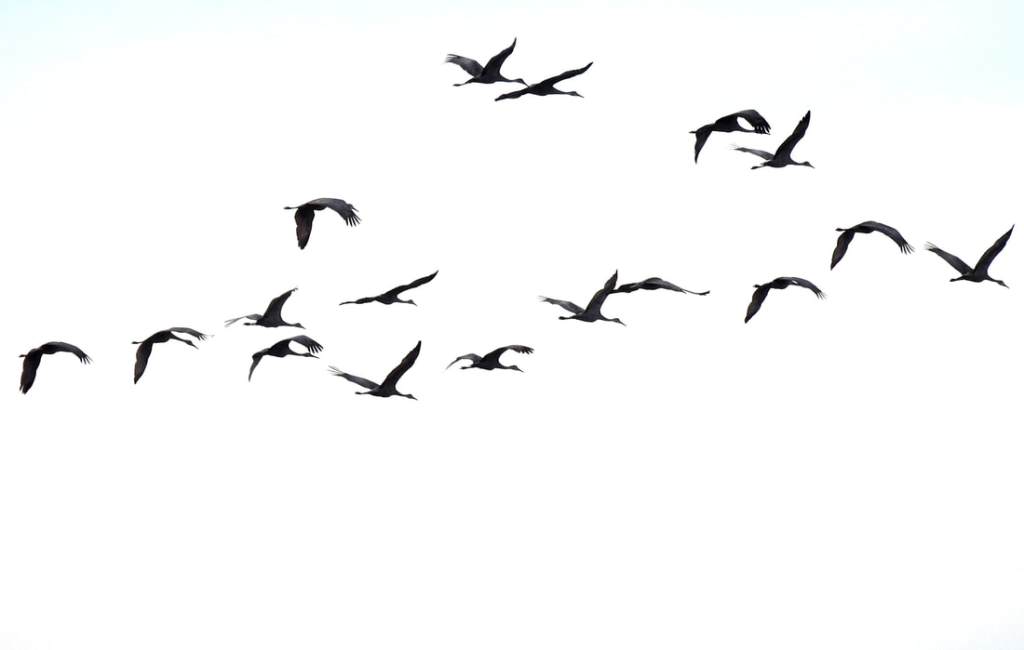
Sandhill Cranes flying north in mid March. A pair has been spotted in May at the Limberlost Swamp Wetland Preserve. Our hopes is that they are nesting here.
Redheaded ducks
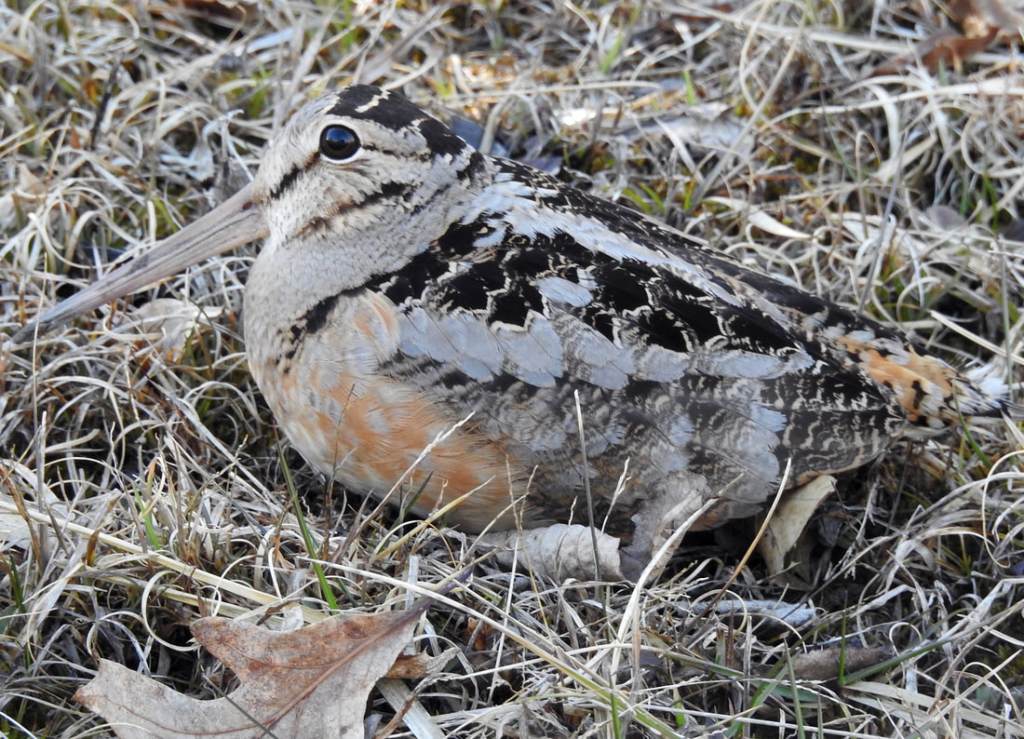
Woodcock. This bird is a secretive one. Normally it is heard by its “peenting” call but not seen.
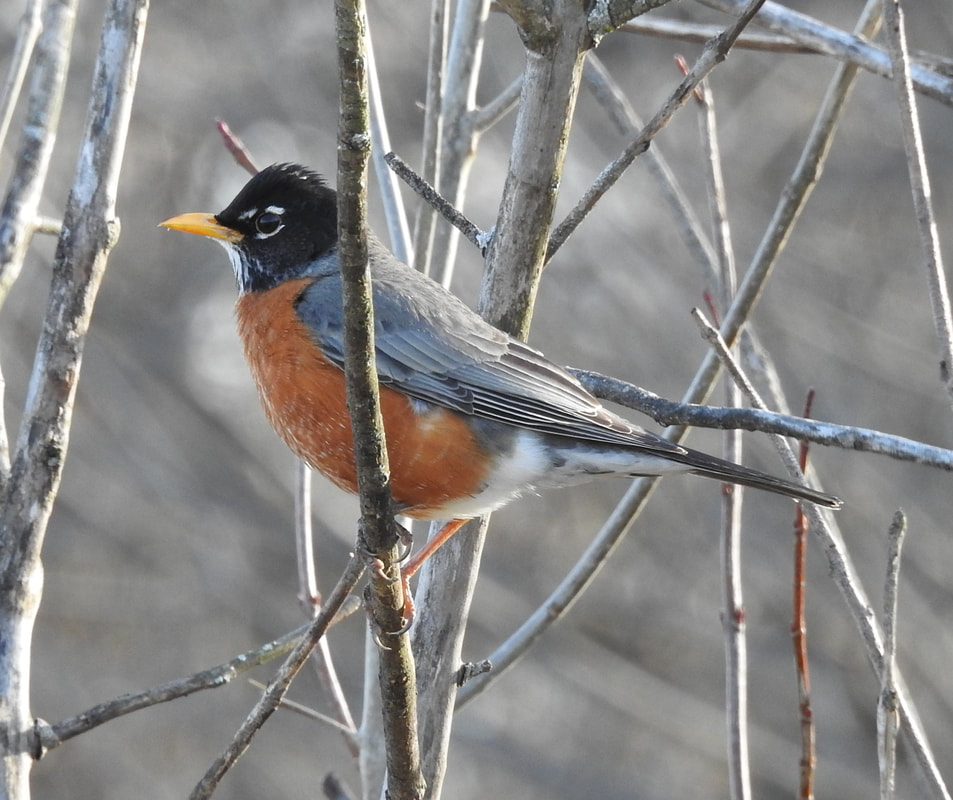
Robin
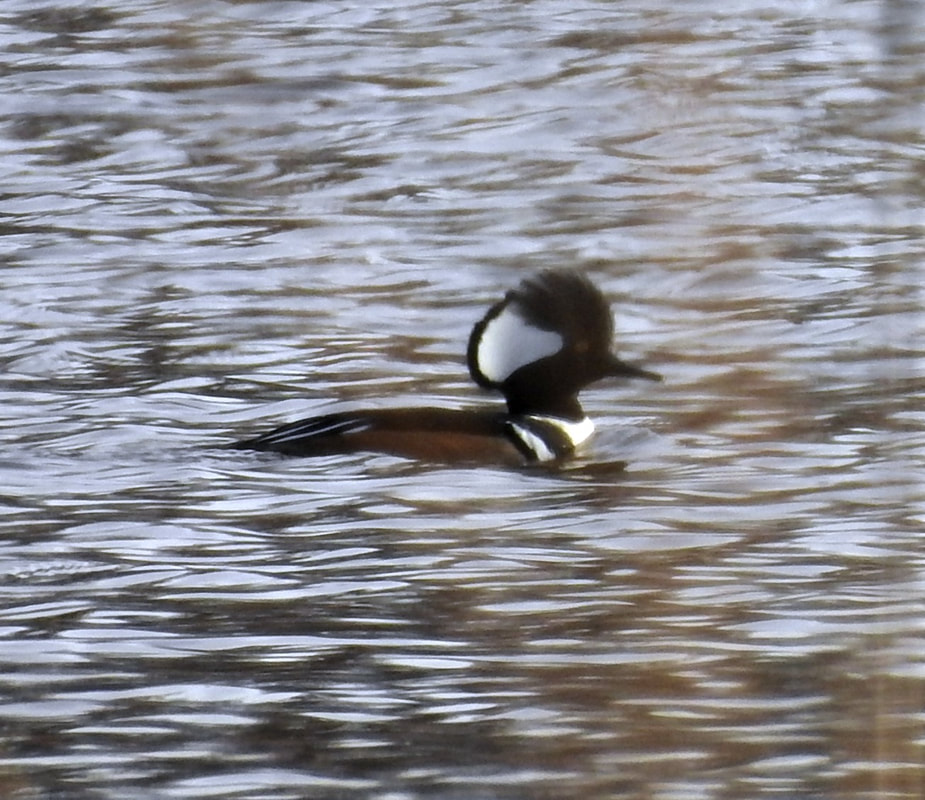
Hooded merganser
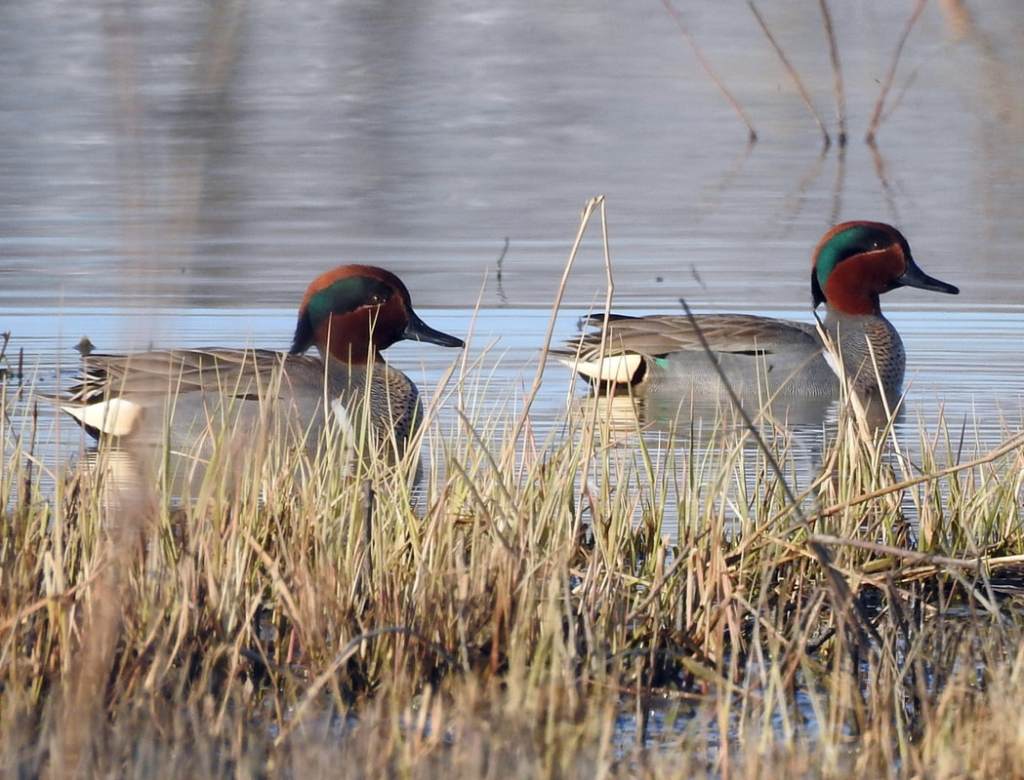
Green-winged teal; not as common as the blue-winged teal which have been nesting at the Limberlost Swamp Wetland Preserve.
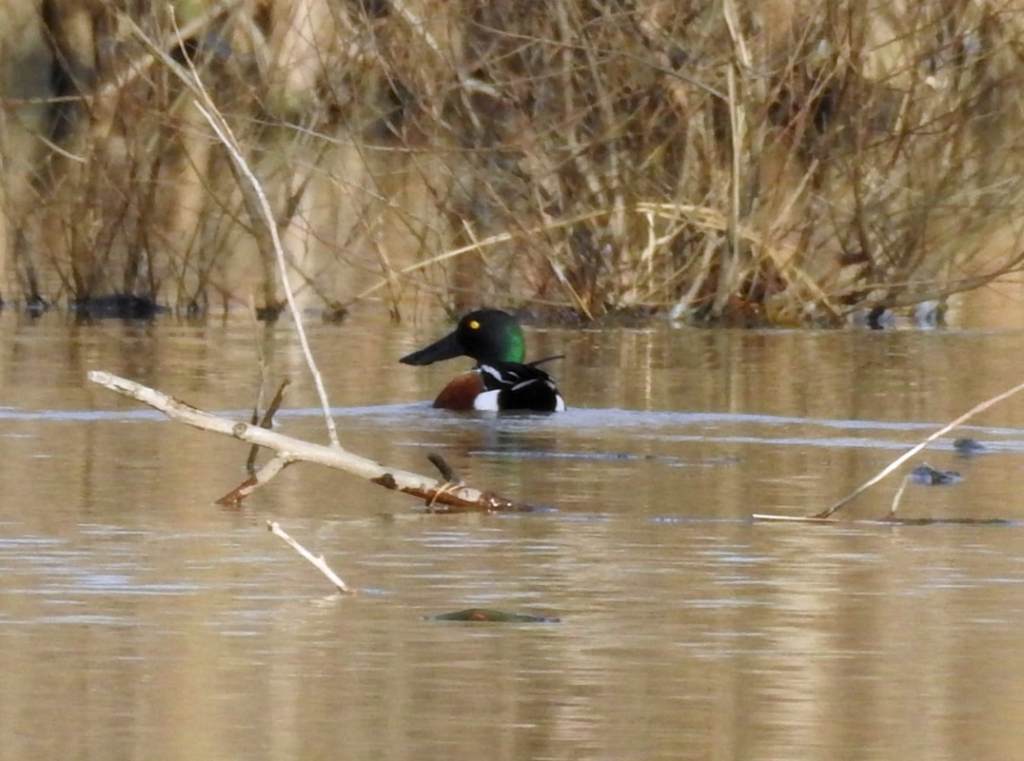
Northern shoveler
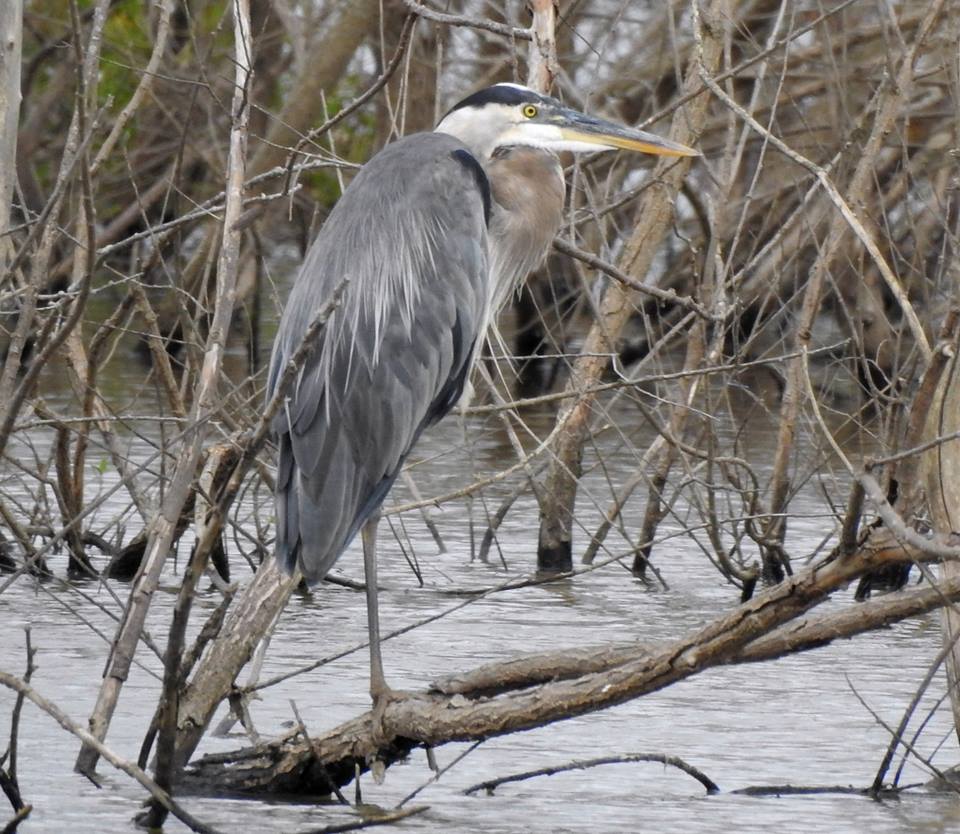
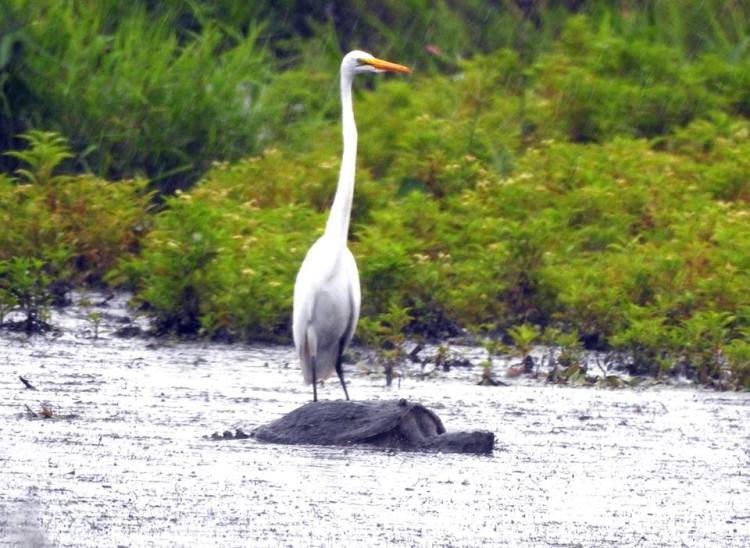
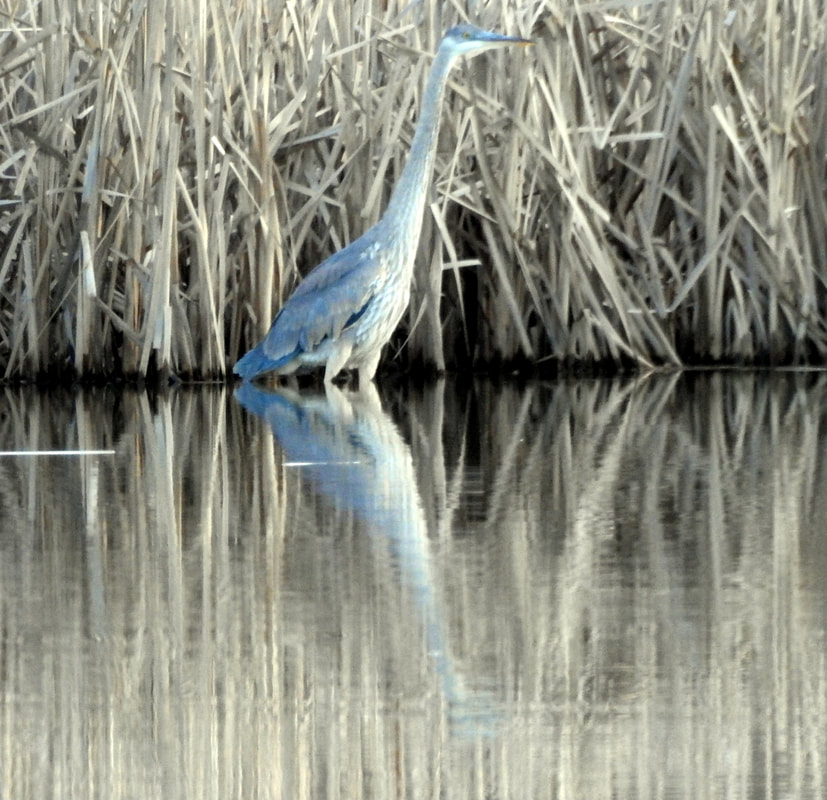
Great blue heron are commonly seen all year round at Limberlost.
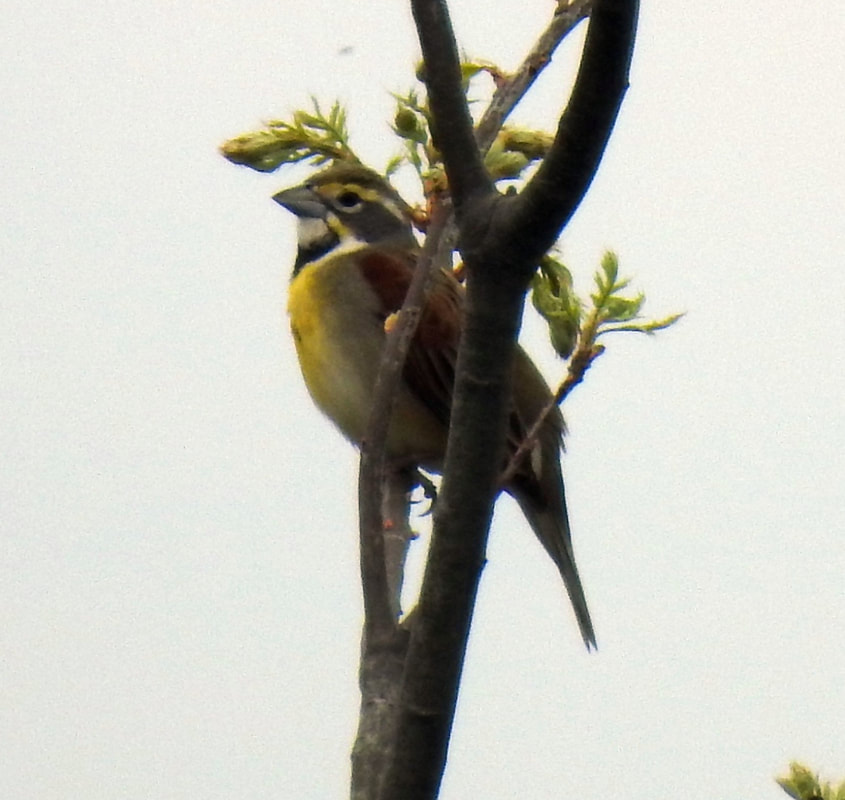
The dickcissel is a summer resident at Limberlost. You can hear the calls during this spring and summer.
We hope you enjoyed your look back at some of the birds who visit the Limberlost Territories this spring.
Note: Gene Stratton-Porter’s book “Music of the Wild” was published in 1910. Some of the places that Gene walked, studied and wrote about in this book, may be visited today. Her words are vibrant and descriptive of this area of the Limberlost Swamp around Geneva that she loved.
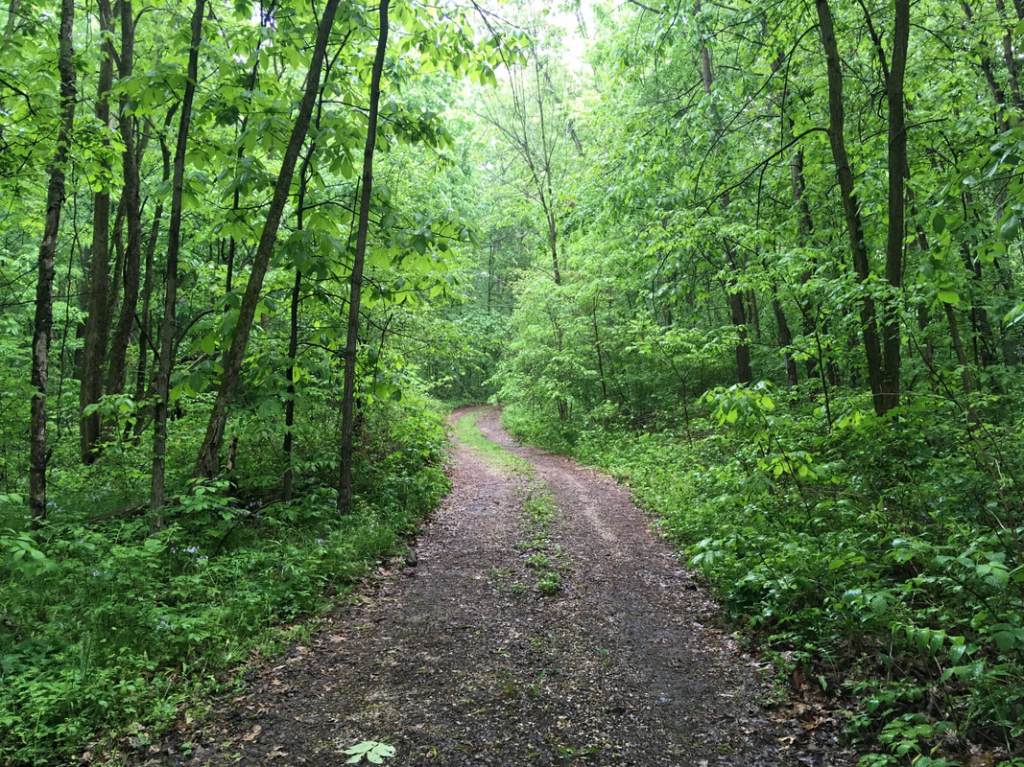
The leaves and mosses near earth were the darkest, growing lighter through never-ending shades. No one could have enumerated all of them. They were more variable and much more numerous than the grays. But in dim forest half-light all color appeared a shade paler than in mere woods.
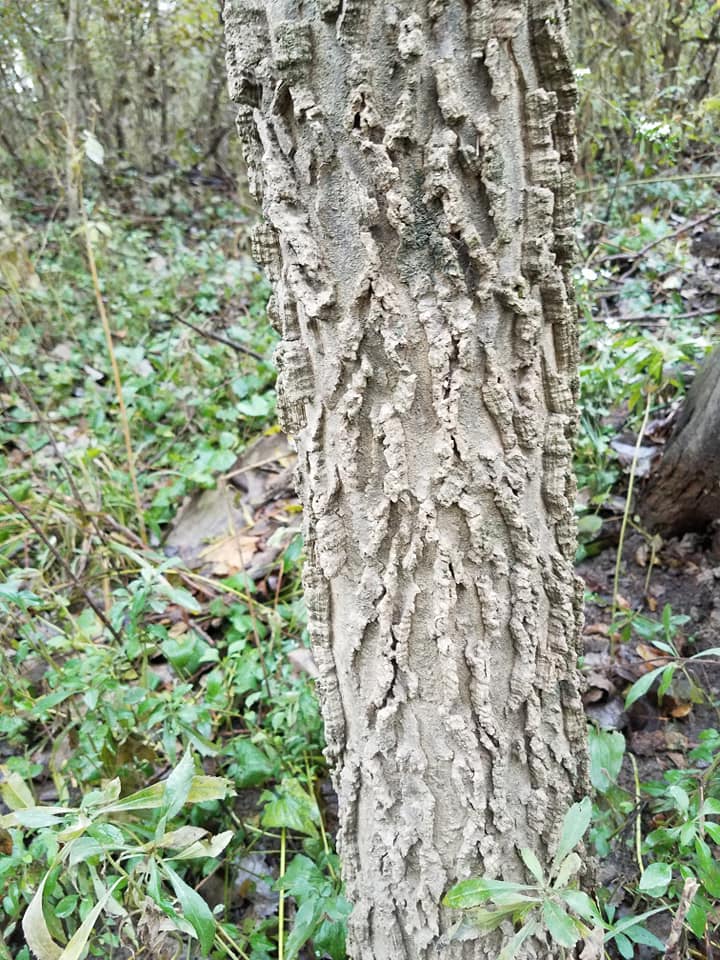
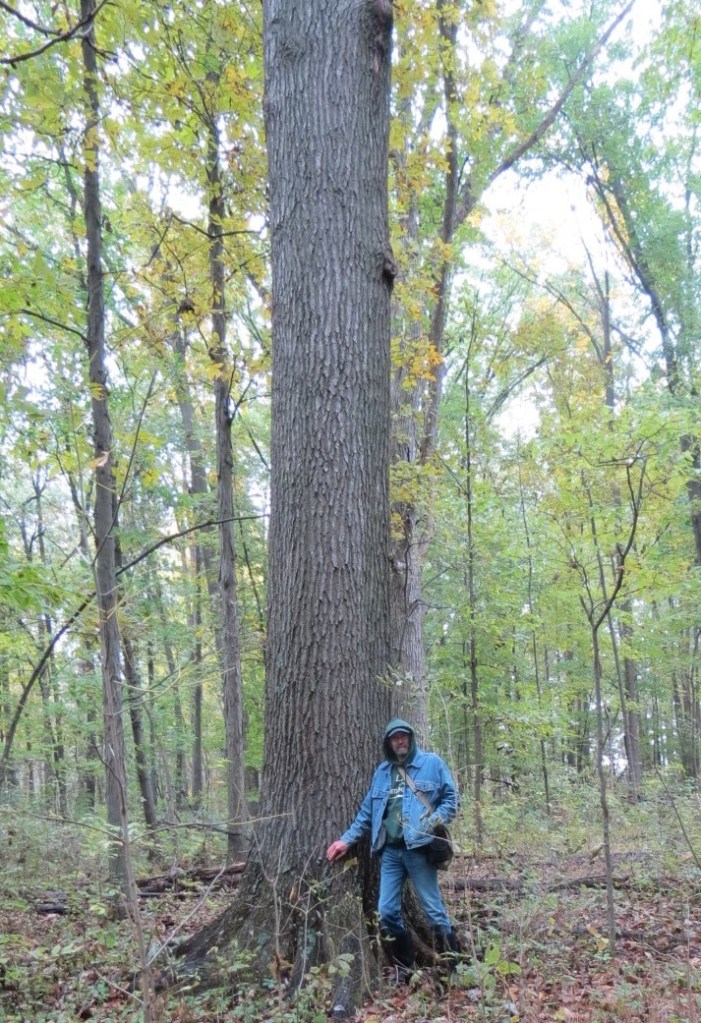
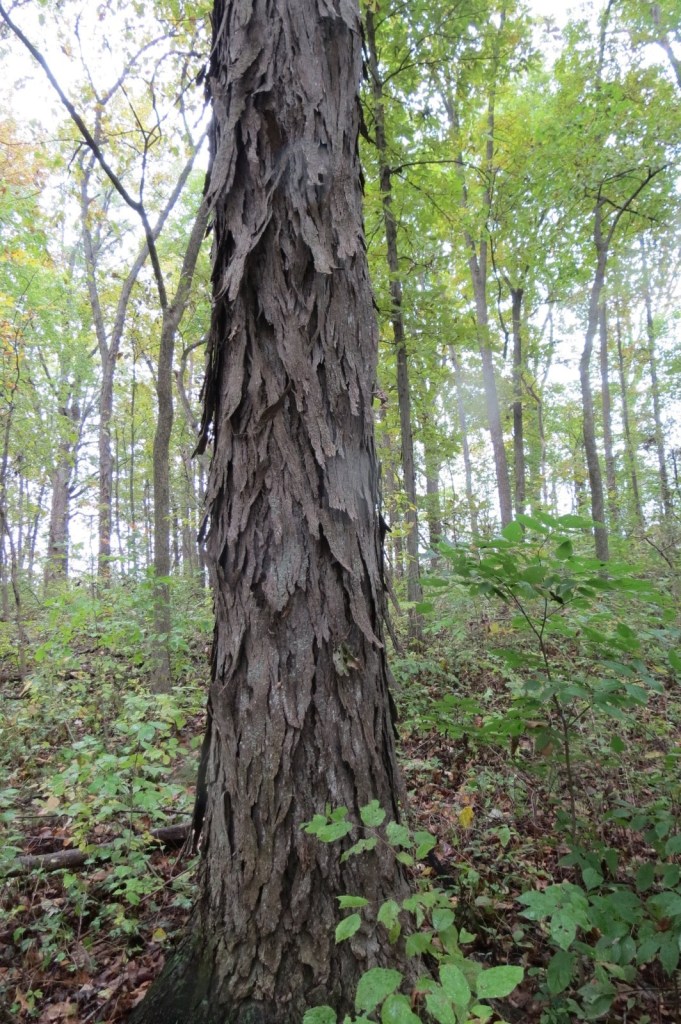
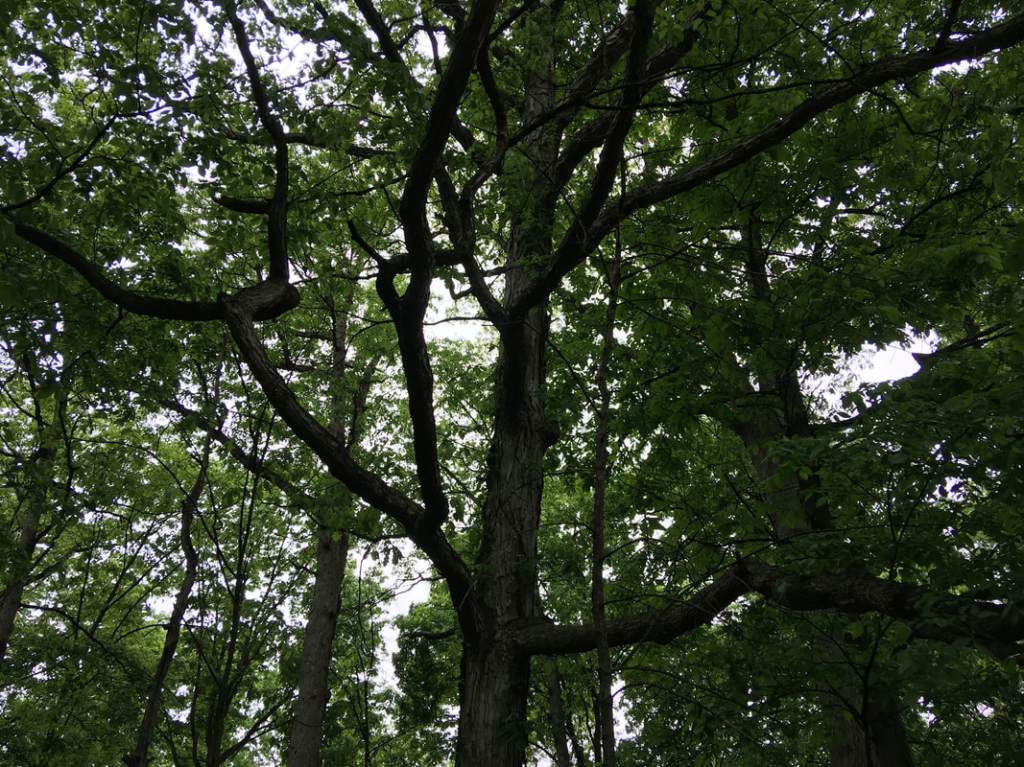
From the all-encompassing volume of sound I endeavored to distinguish the instruments from the performers. The water, the winds, and the trees combined in a rising and falling accompaniment that never ceased. The insects, birds, and animals were the soloists, most of them singing, while some were performing on instruments. Always there was the music of my own heart over some wondrous flower or landscape picture or stirred to join in the chorus around me. The trees were large wind-harps, the trunks the framework, the branches the strings. These trunks always were wrapped in gray, but with each tree a differing shade.
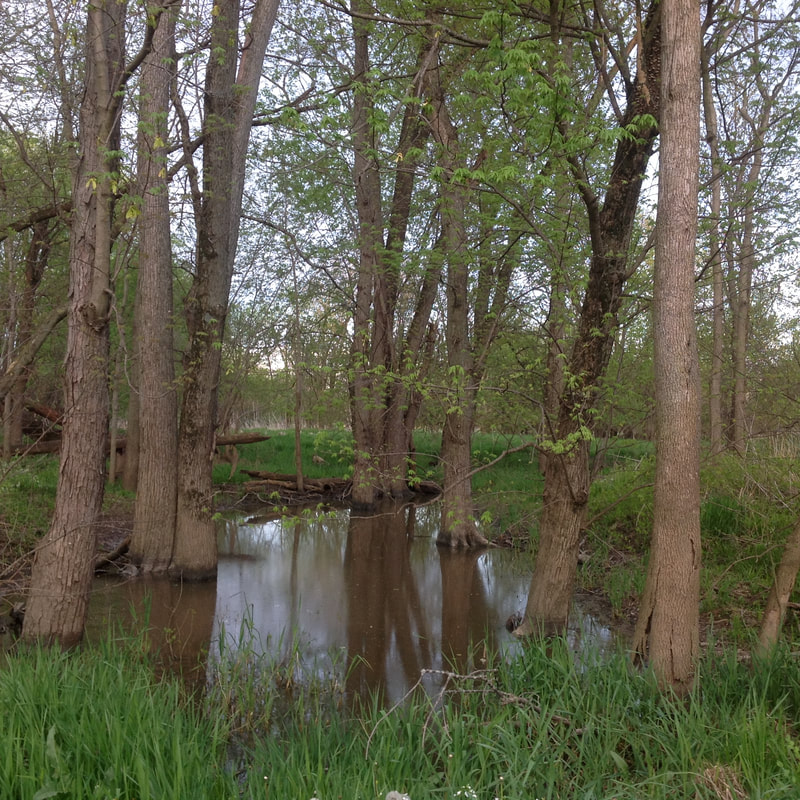
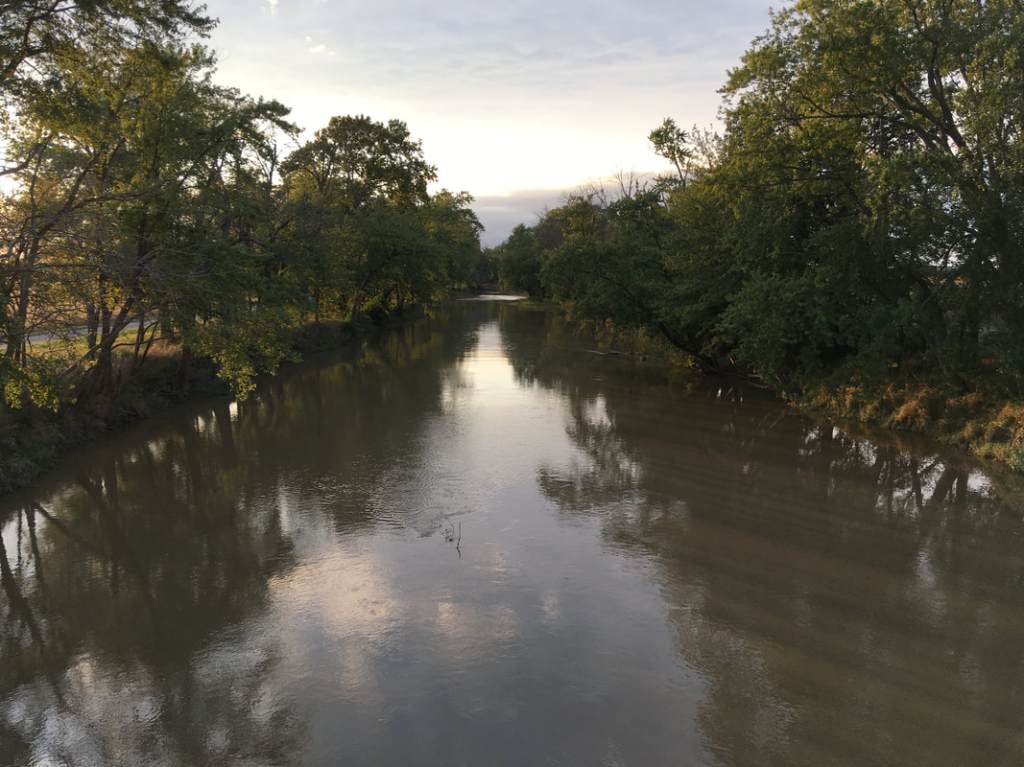
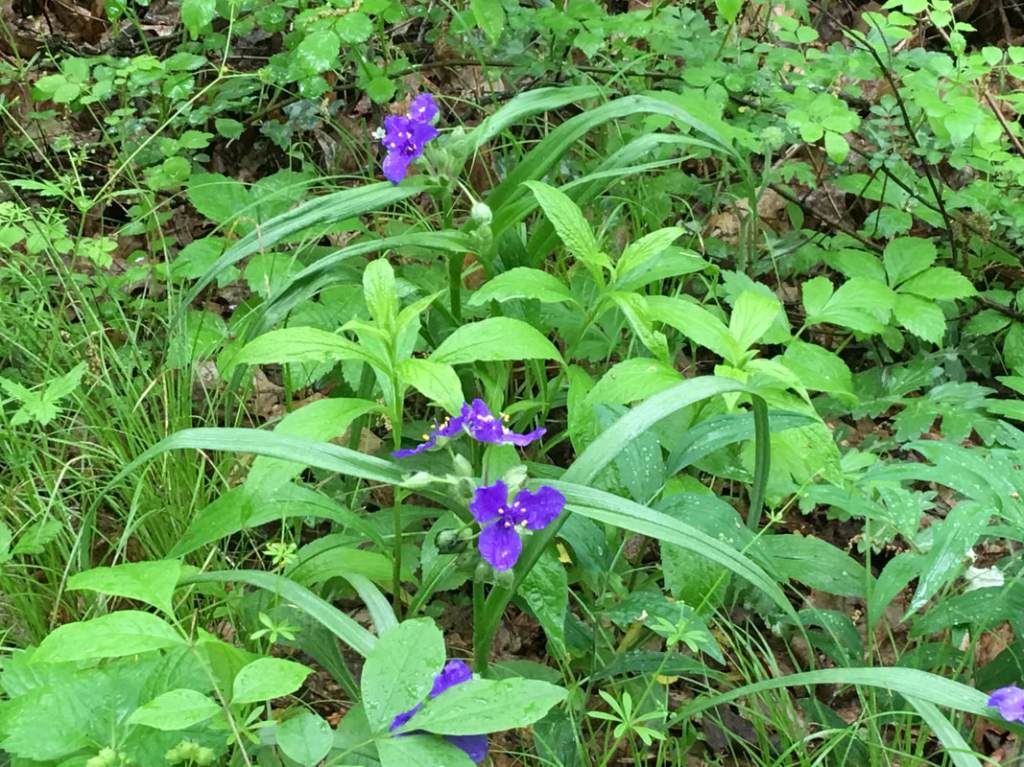
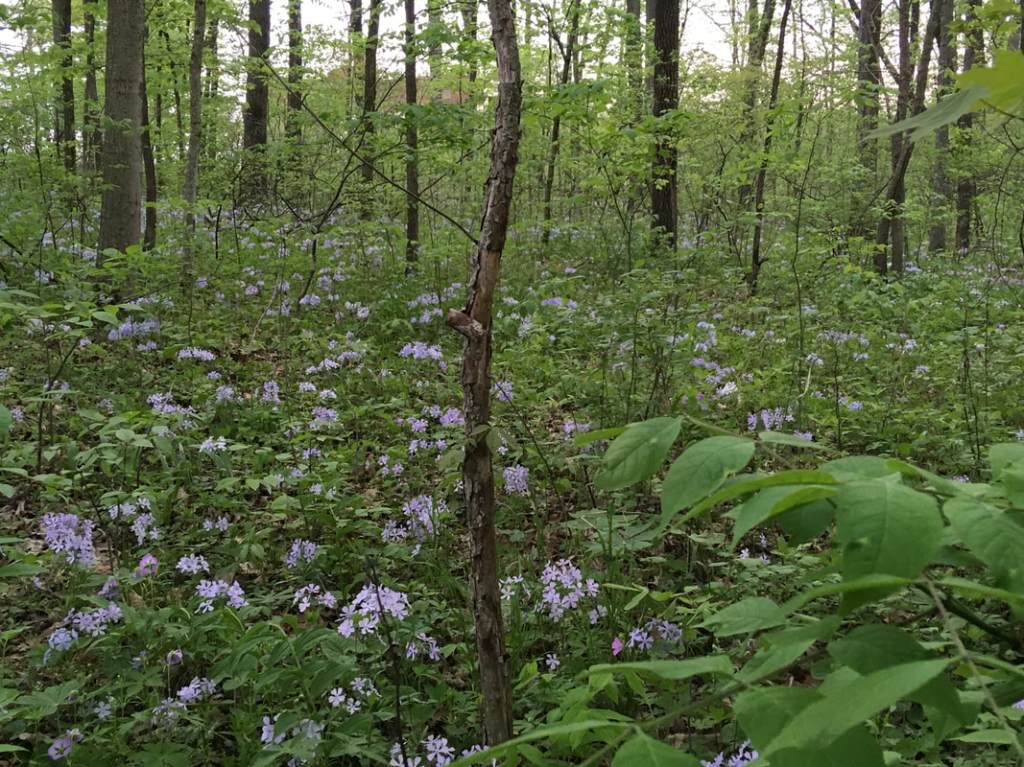
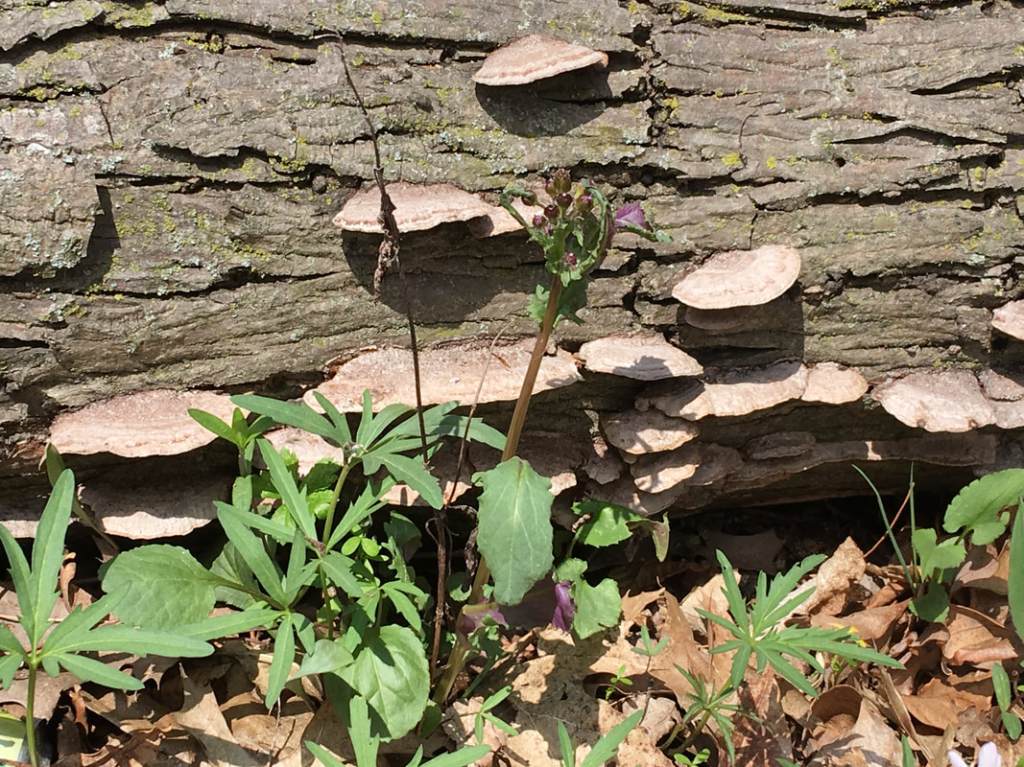
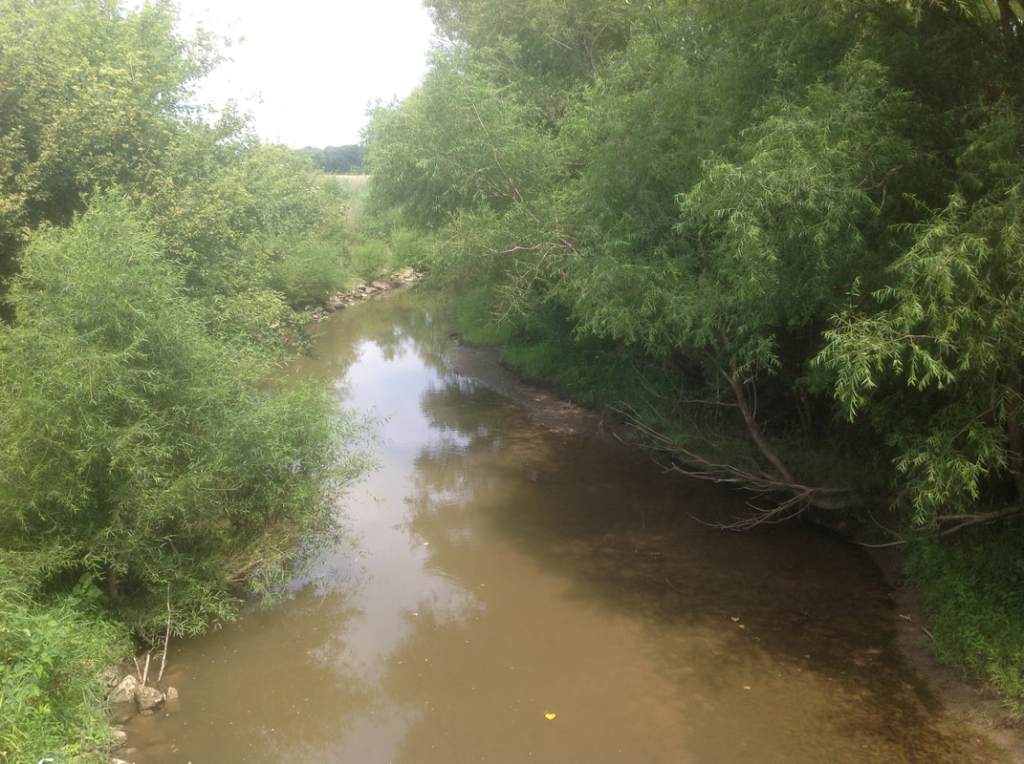
Woods on the Limberlost Territories, spiderwort, phlox, fungi, and the Limberlost Creek. Photos by Terri Gorney.



 Friends of the Limberlost