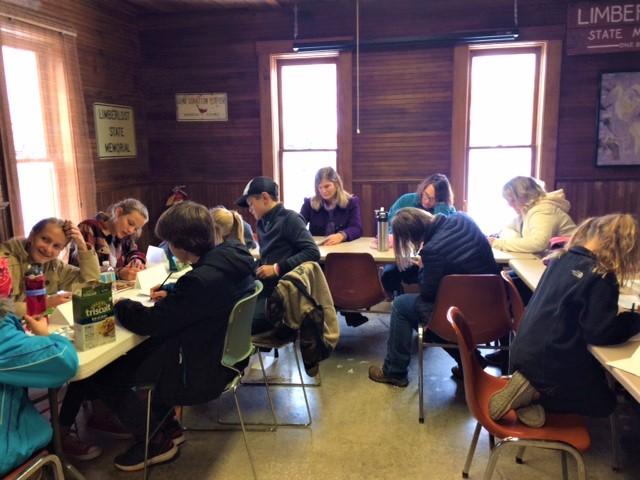
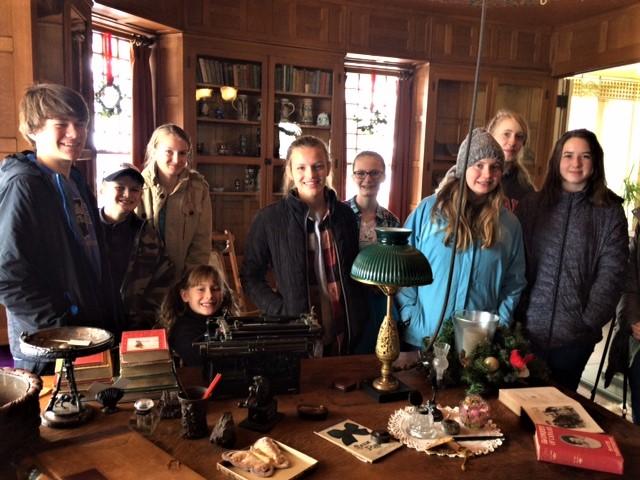
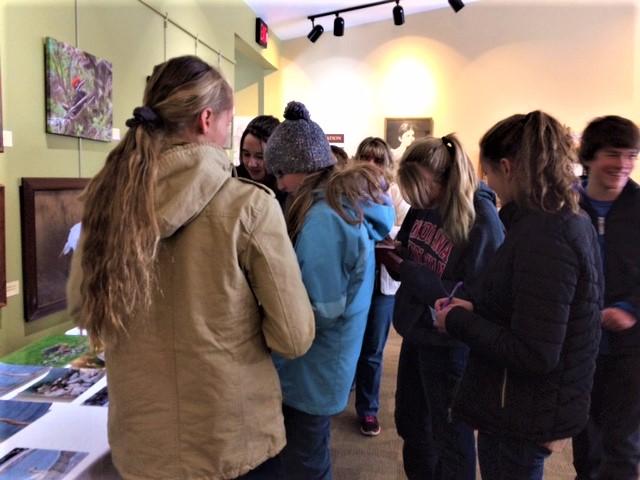
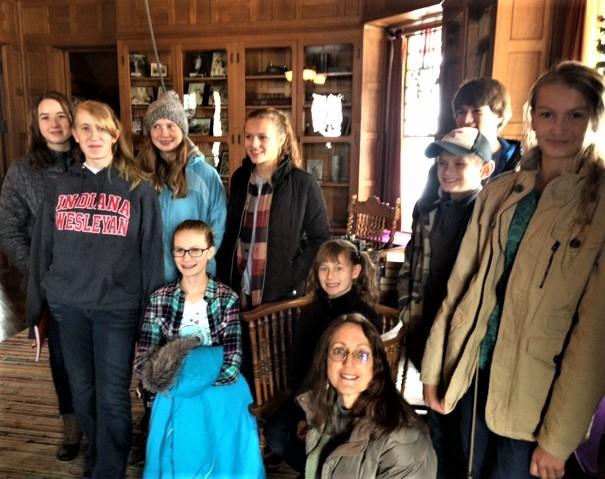
During 2017 and again in 2019, I had the privilege of offering poetry workshops inspired by the ecology and history of the Limberlost. These workshops were sponsored by Arts in the Parks and Historic Sites, a program of the Indiana Arts commission. Much of workshops’ success was do to the promotion efforts of Friends of the Limberlost and to the expertise of Curt Burnette, Bill Hubbard, and Jeanne Akins, staff members who served as guides as participants visited the Cabin or walked a trail. Each workshop included the discussion of prompts and models and individual and collaborative writing activities. By scrolling backward, you can read some of the poems from these workshops.
In preparing for workshops, I spent time reading Gene Stratton-Porter’s nonfiction books. I was amazed by what she observed in nature through her patience and attentiveness. A story that’s particularly special to me is her account of seeing what may have been the last known passenger pigeon. Until reading about his experience, I had assumed (like most people) that the last living passenger pigeon was “Martha,” a caged bird on exhibit at the Cincinnati Zoo. What follows is a persona poem inspired by an account in Tales You Won’t Believe.
Gene Stratton-Porter Identifies the Last Known Passenger Pigeon
“Martha, the Passenger Pigeon, passed away on September 1, 1914, in the Cincinnati Zoo. She was believed to be the last living individual of her species after two male companions had died in the same zoo in 1910. Martha was a celebrity at the zoo, attracting long lines of visitors.”
-Smithsonian National Museum of Natural History
I saw him three miles west of the Limberlost with my camera set to film the brooding hen goldfinch. A whistling of wings and then that singular bird settled on the telephone wire above me, I recognized his bright red beak and feet, hue of blue-gray feathers, distinctive See? See? As a farm girl, I heard that call when flocks thick as storm clouds eclipsed the sun. Fervent wings rumbled in ceaseless thunder. Roosting birds broke limbs and toppled trees. See? See? they whimpered in our neighbor’s yard—dozens clubbed and captured, with broken legs, backs, and wings, soon to be dropped into the pot-pie kettle. See? See? See? this one cried, cocking his head and looking in every direction. But by then, Martha had been shipped to the Smithsonian inside a block of ice. Among Objects of Wonder she was paired with an Ectopistes migratorius shot years before she hatched. If I could have shifted my camera, then you could see for yourself how the last passenger pigeon was nameless and perched by himself on a wire. How iridescent shone the bronze patches on his throat with nothing but the sun behind him.
LIMBERLOST VIEWS ~Inspired by Bill Hubbard’s Photographs
Oriole Little and yellow mindful but lost gliding through the clouds
By Lydia Shaffer * * * Swan on the lake White, curved neck Ice floats by
By Callie Shaffer * * * Monkey cry, a flash of red Swooping through the trees Pileated woodpecker
By Simon Brainerd
The Old Schoolhouse crumbling walls wood patched windows I stand empty floor covered in greens rotting wood planks empty I stand
By Emily Scase * * * Tiger swallowtail on the purple flower smelling the butterfly bush.
By Ella Shaffer
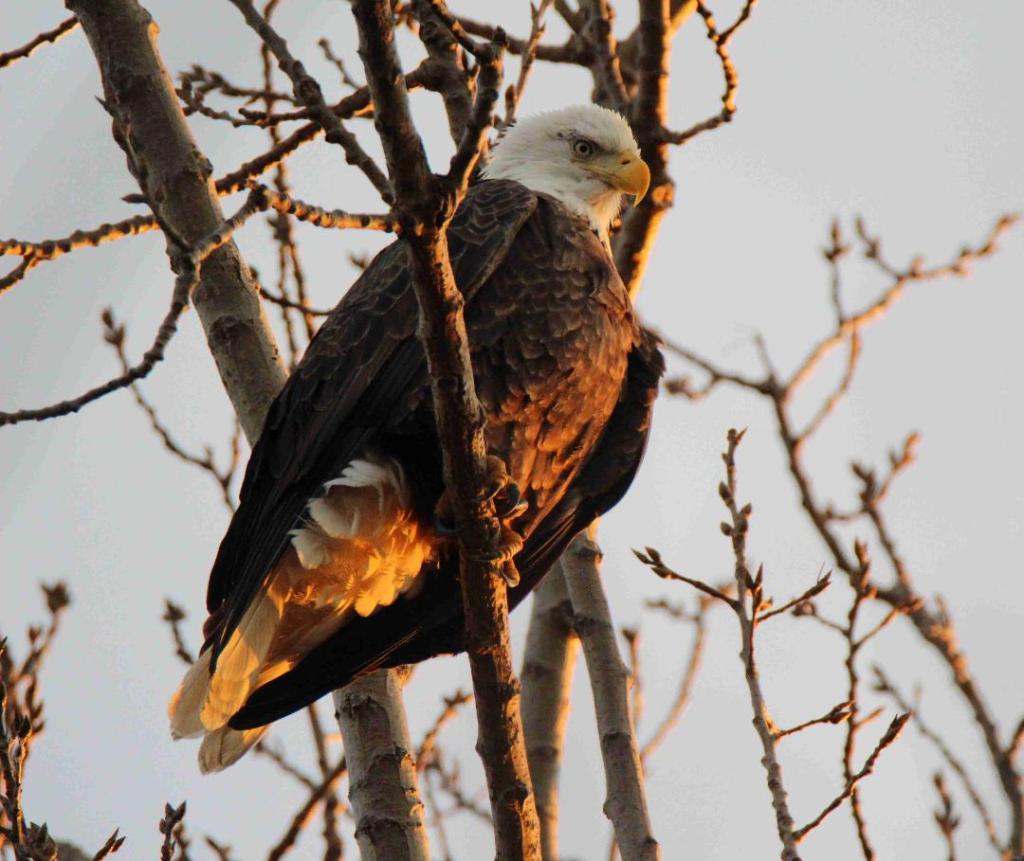
Bald Eagle Bald Eagle creeped feathers shadowed, banana nose Perched on leaning tree
By Allisyn Scase * * * Swoop, glide, float lovely white feathers Tundra swan afloat
By Kaity Scase
The Sunset Bright and bold Orange and blue Heavenly sunset to look to
By Abby Waymire
Cabin in the Dusk As the lights flicker at night the owl watches them while they sleep
By Josiah Scase
TWELVE SNAPSHOTS OF LIMBERLOST CABIN
I remember the limestone fence traveling around the house— dirty, unique, and weird to the human eye but to cute, crawling creatures it’s a gateway to a world full of love. * * * I remember the old wood smoker— like a small red fire extinguisher or a red cylinder. * * * I remember the conservatory’s colossal windowpanes with ferns and fluttering movement all about. * * * I remember pink fragrant flowers and,through the window, a tall oak tree. * * * I remember arrowheads painting pictures of the past. * * * I remember skillful ceilings, artistic designs leaping out of placid plaster. * * * I remember the elegant moths of gorgeous colors and delicate wings. * * * I remember the luna moth captured in the moment like a photograph of nature. * * * I remember the pictures of Gene, Jeannette, and Charles, close family frozen in time. * * * I remember Gene’s painting of blue irises where guests would slumber when visiting. * * * I remember the glass doll rocking near the fireplace in the sitting room. * * * I remember stories like moths tucked into cocoons waiting to hatch.
Collaborative Poem from Participants In Shari Wagner’s November 13 2019 Workshop for Kids “At Limberlost Cabin”
DAUGHTER OF MRS. PORTER
I remember the glass doll rocking by the fireplace in the sitting room.
I remember the playhouse under the porch floor sipping on tea in cups.
I remember Mom painting watercolor pictures of caterpillars crawling through the swampy grass.
I remember a screechy owl flying through the window to see the candle.
I was Jeannette.
By Ella Shaffer
THE SCREECH OWL
I remember. I heard Gene talking to me in the midst of the night. I thought about going in or not. Later I glided softly though the window. I stared at the candle. I realized I was trapped! Then in the morning Gene took a picture of me while I was sleeping.
By Josiah Scase
FREEDOM
I am ready to get out. My legs squishing together. My wings aching to be free. I started to scratch. It feels as if a lifetime has passed. I am ready to breathe. Emerging I am greeted by flashing lights. And two round eyes.
By Lydia Shaffer
THE SURGEON’S SWORD
I am old, I am worn, I am blunt. I am guilty.
As I gaze from my mantel, I begin to dull. Am I guilty? It becomes official, The red stain, though washed off, Lingers.
By Simon Brainerd
THE PIANO
Once, I was beautiful. My black and white dress shone like the sun, reflecting off a lake. The young ones banged on me, producing imperfect chords. Soon, the banging became music. I sang the same songs. Christmastime was my favorite season. I sang “Jungle Bells,” “Silent Night,” and “Away in a Manger.” Then, one by one, the little ones grew up and moved away. I was alone in the house. Now, my only companions are the mice. My once radiant dress now faded and dirty. My once beautiful voice now out of tune. And yet, though my pedals are broken and my spirit crushed, the memories of happier times live on.
By Callie Shaffer
THE MOTH
I remember when I was free Flying through the night No worries, carefree But now I’m trapped Trapped under a glass panel My color slowly fading My beauty still there but quickly disintegrating I have been trapped for so many years Just staring.
By Abby Waymire
MIGHTIEST OF SWORDS
Cabin in the wild swamp Birds calling from the tree Take the brick path to the cabin See. The rusted Civil War sword Sitting on the mantle of the old brick fireplace Look closely at the blade Noting the memory of Charles D. Porter’s dad A Union Captain, a surgeon Feel the symbolic, sharp, sword Marking the furnace with self-respect Peace. Why leave a sword for us? What does it mark? Leaders become great not because of heir power but Because of their ability to empower others. A leader is one who knows the way goes the way Shows the way.
By Allisyn Scase
THE GUARDIAN
As I lay against the wall I hear laughter traveling through the house I see guests come and go I watch over the sleeping body that lay in bed The restless nights and calm ones I saw them admire me, and I wonder if some fear me I watch the humans put on their riches The owls on the headboard stare at me The moth lay between the owls in sleep I feel like the guardian of the room
Kimberley Roll is an excellent nature photographer. She has shared her photographs from her October hikes at the Limberlost Wetland Preserve and the Loblolly Marsh Nature Preserve.
Wood ducks in flight.
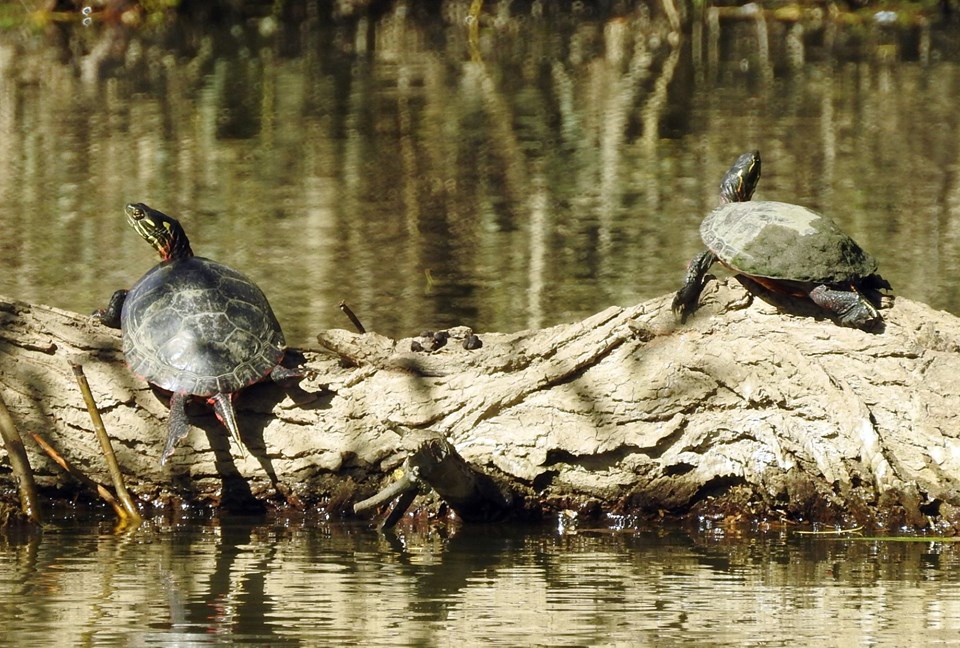
Turtles catching some sun on a warm October day.
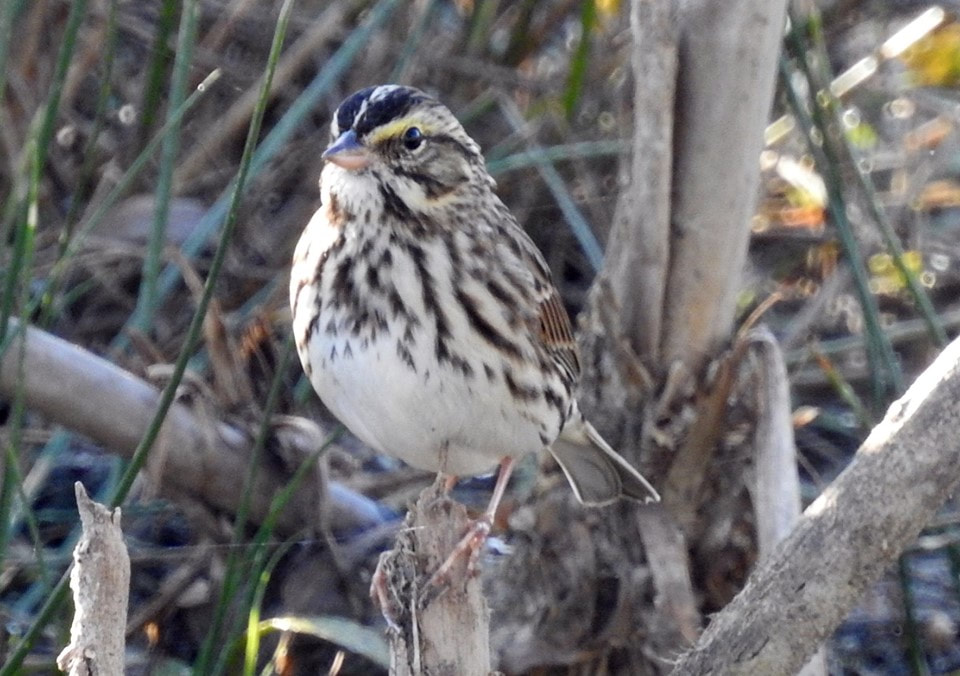
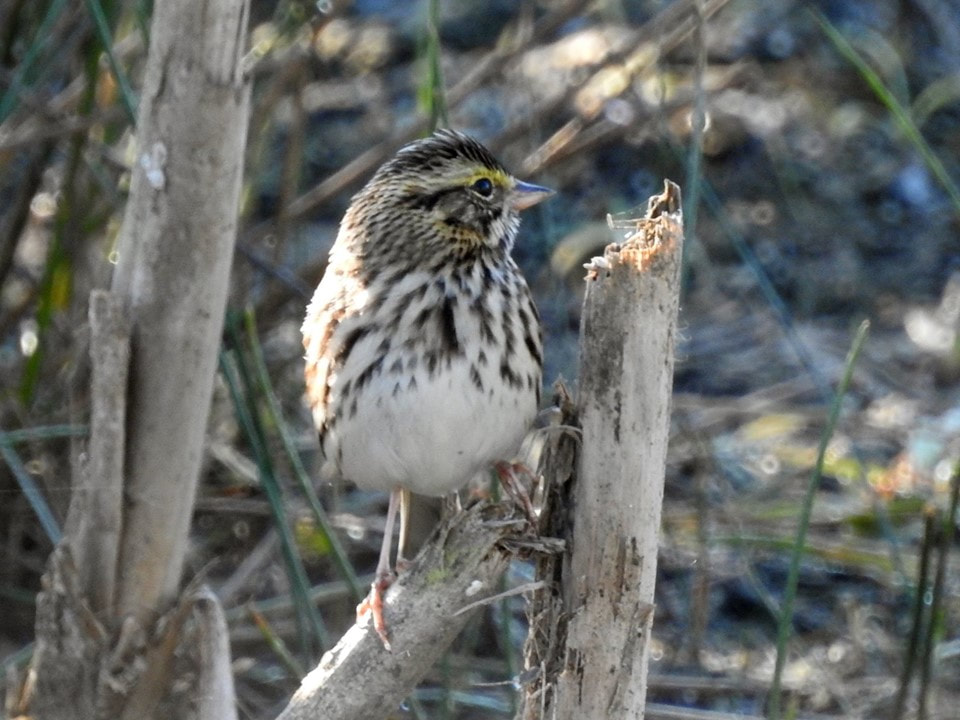
Savannah sparrow
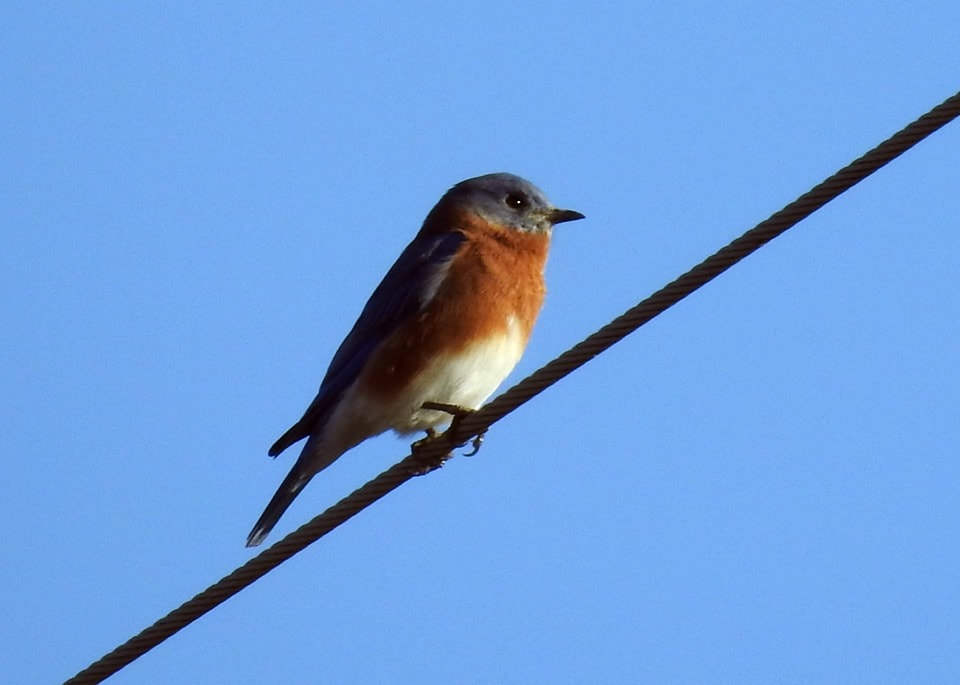
Male bluebird. We will have some bluebirds stay all winter and others will migrate south.
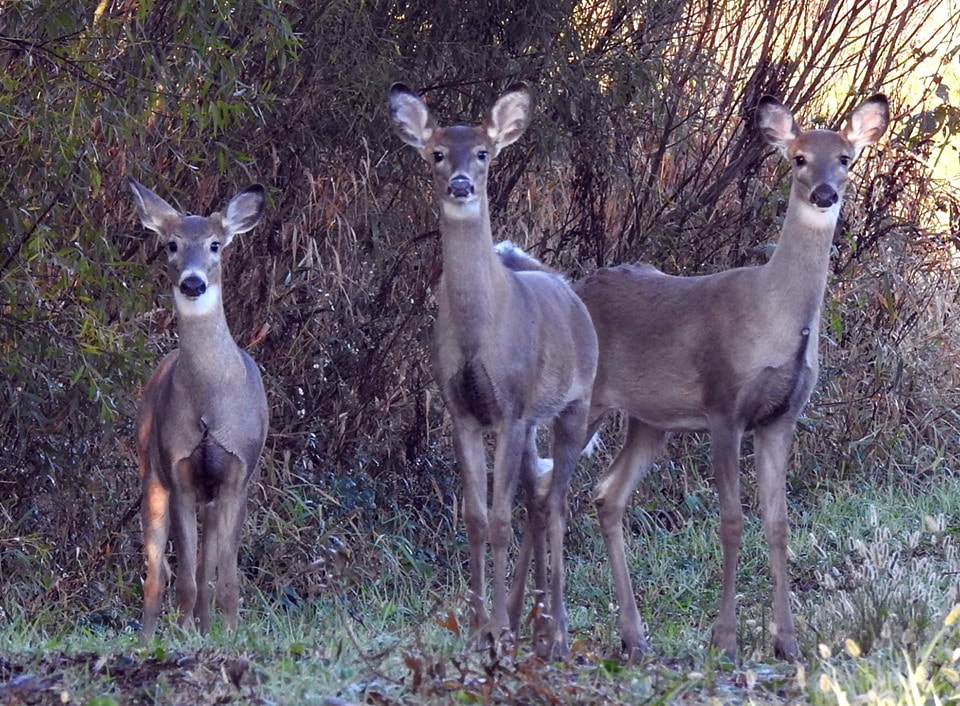
Deer at the Loblolly Marsh Nature Preserve
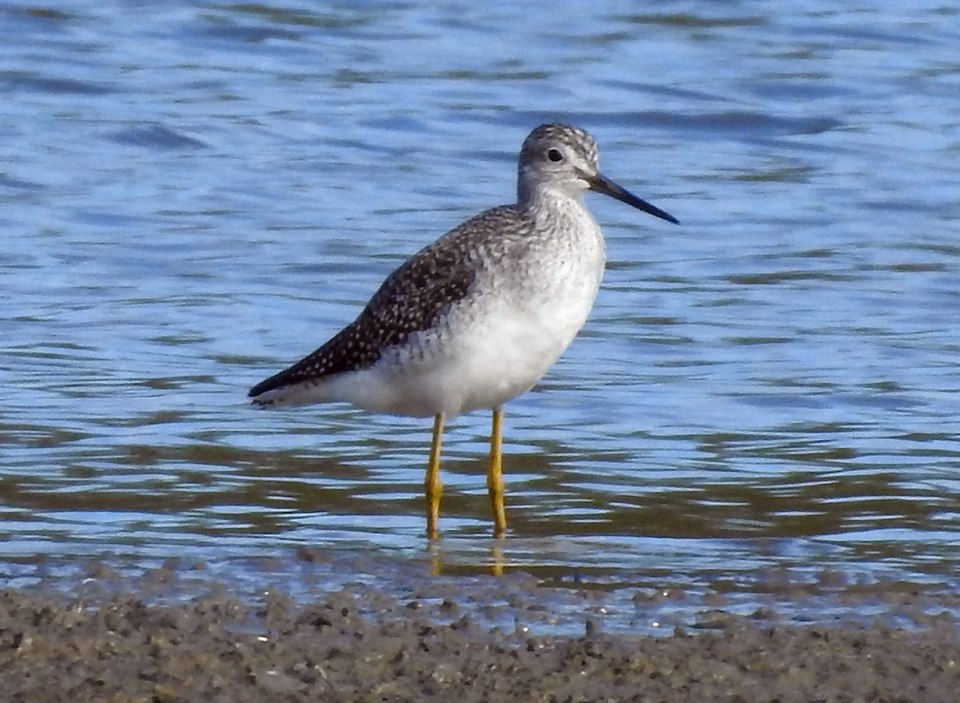
Lesser yellowlegs migrate through Limberlost in October.
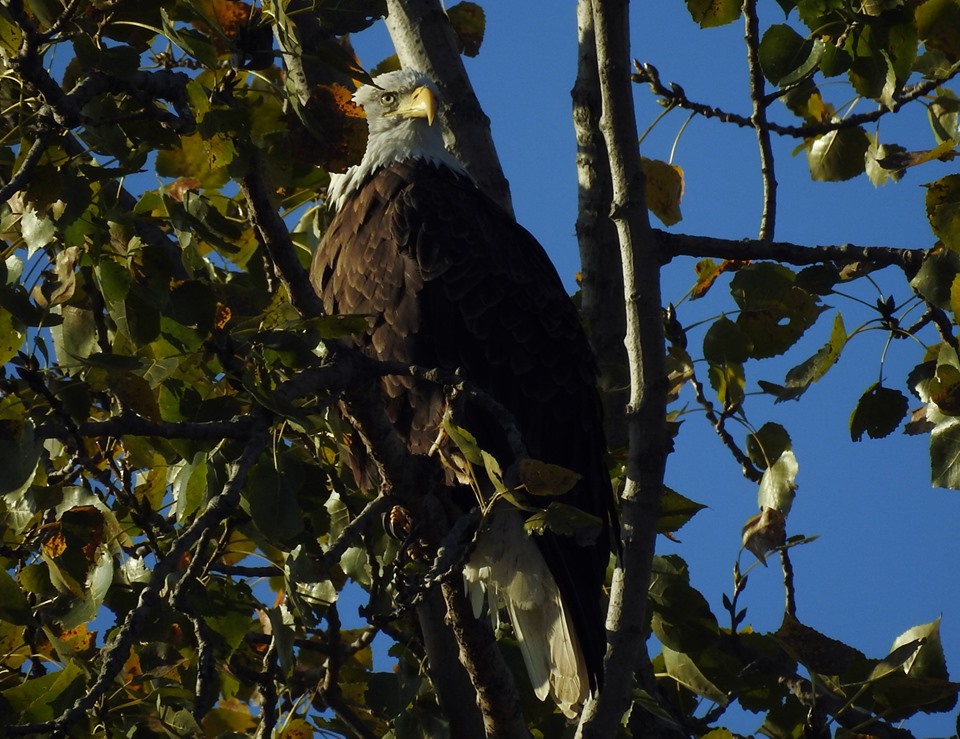
Bald eagle surveying his territory.
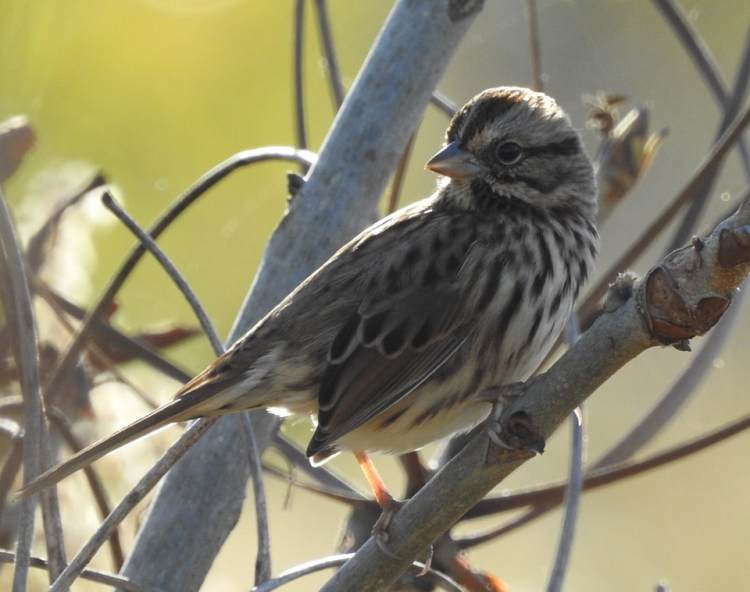
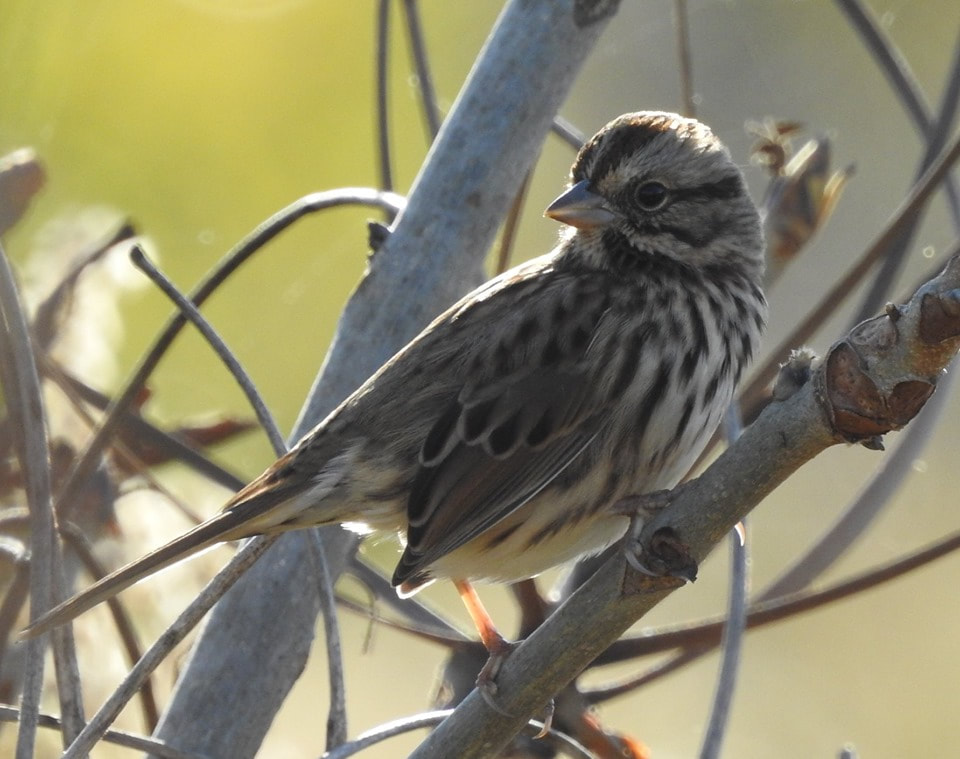
Song sparrow
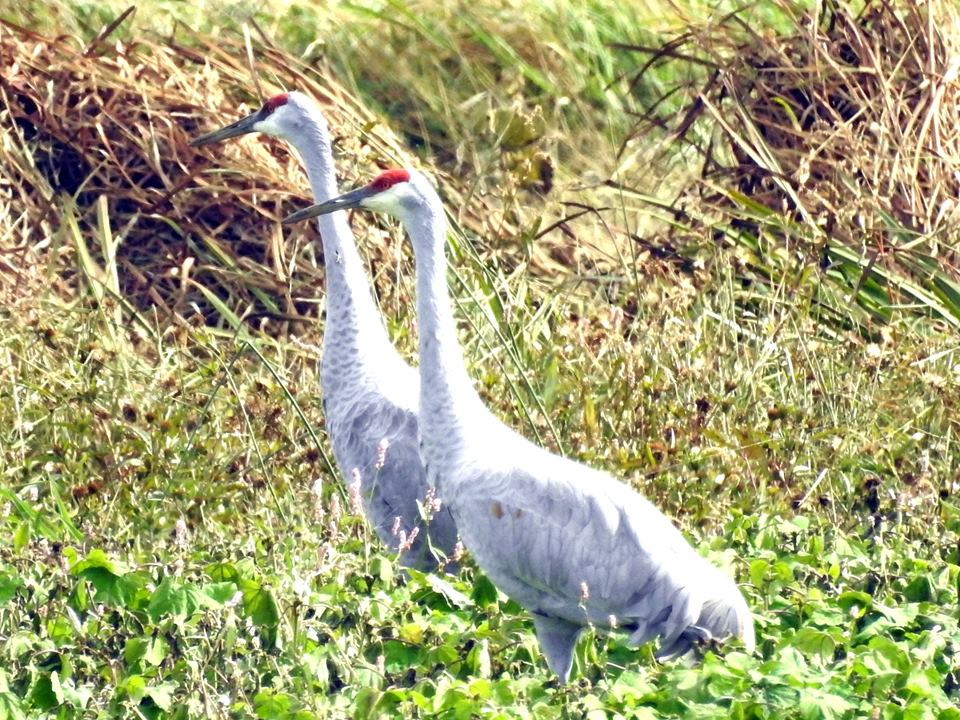
Sandhill cranes
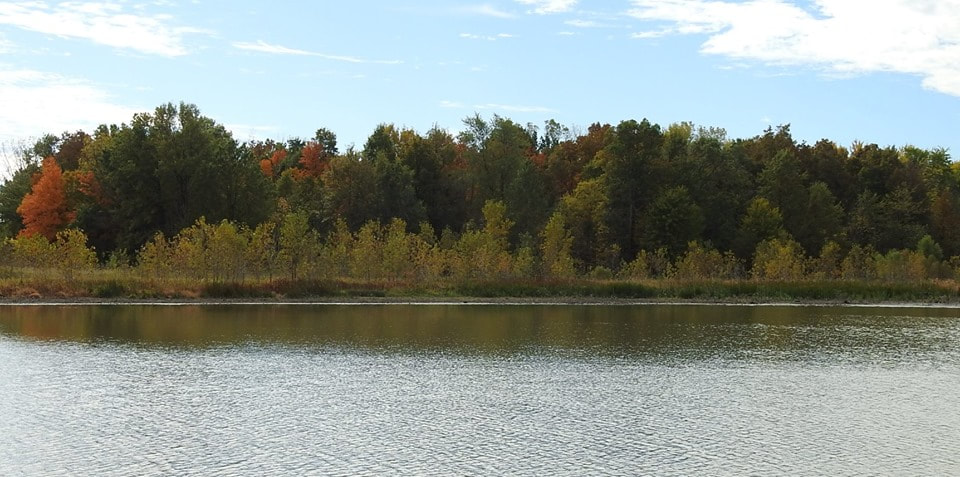
Limberlost Swamp Wetland Preserve: Miller’s Pond on the Jay County side.
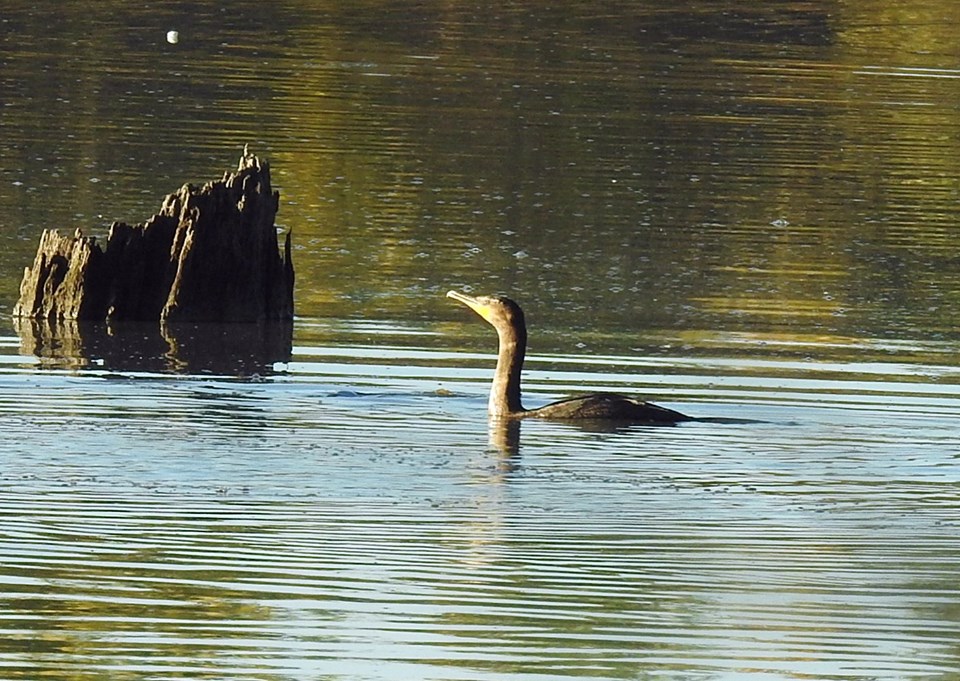
Cormorant. They are now summer residents at Limberlost.
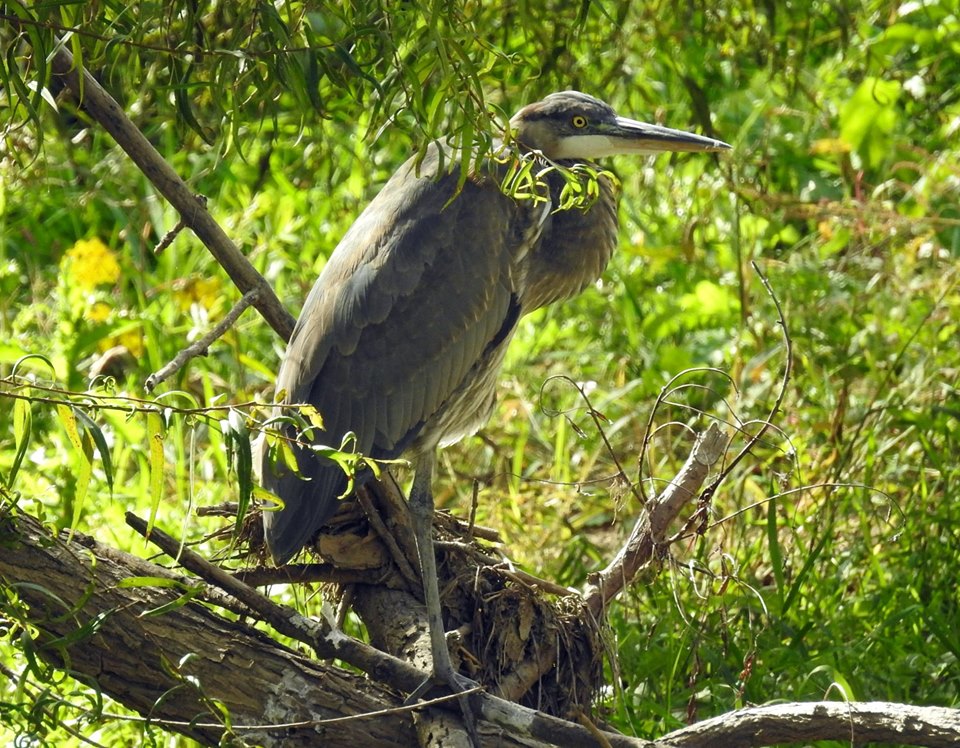
Great Blue Heron
Savannah sparrow
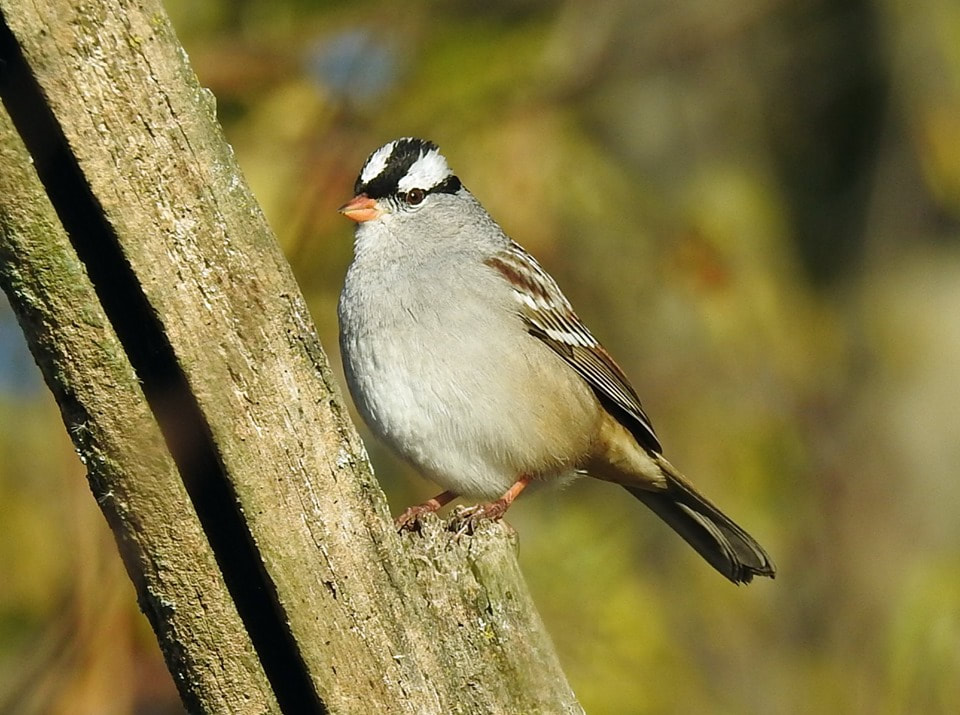
White-crowned sparrow
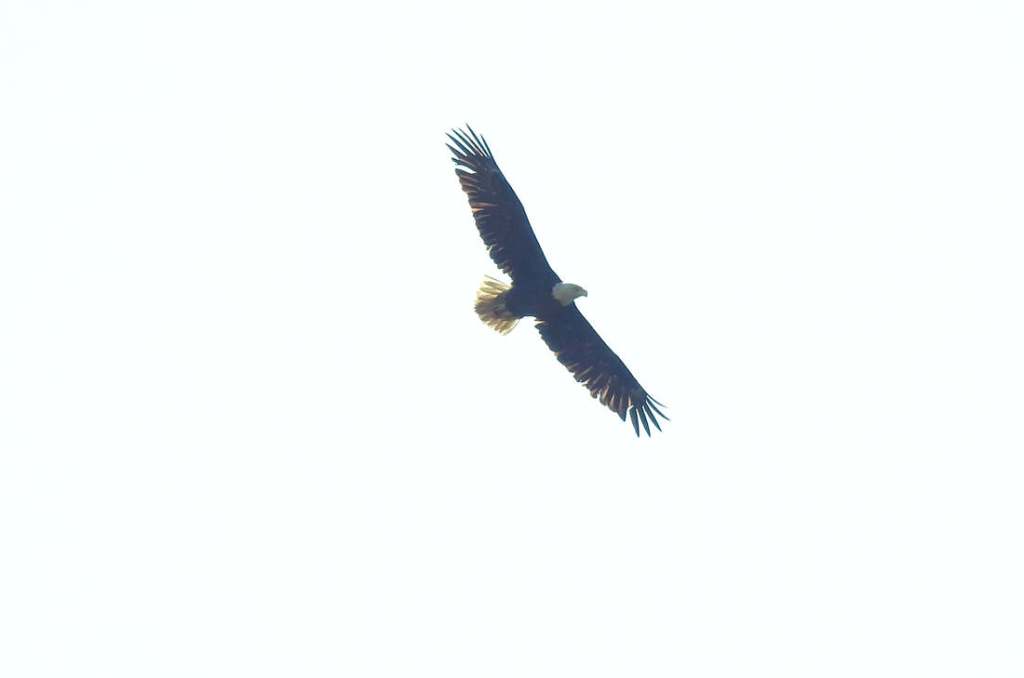
Bald eagle in flight
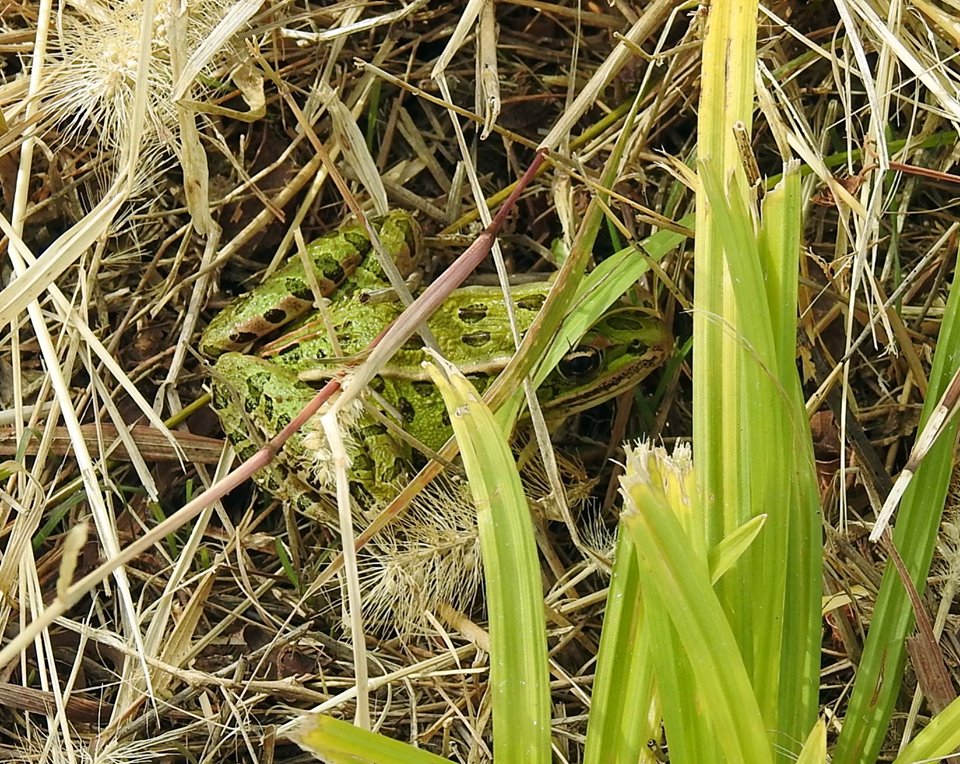
Northern Leopard frog
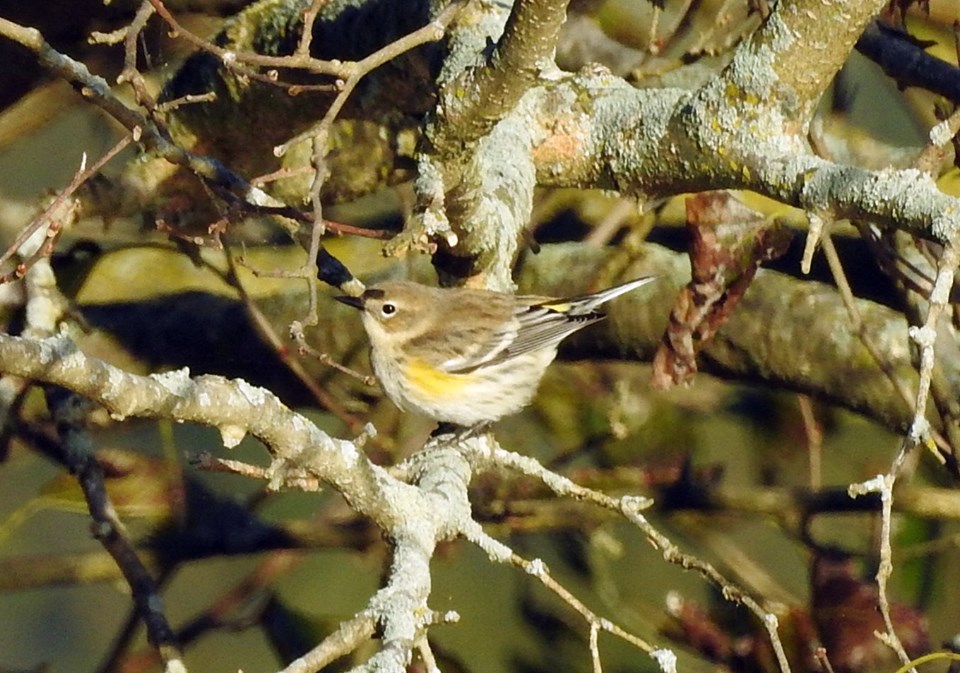
Yellow-rumped warbler
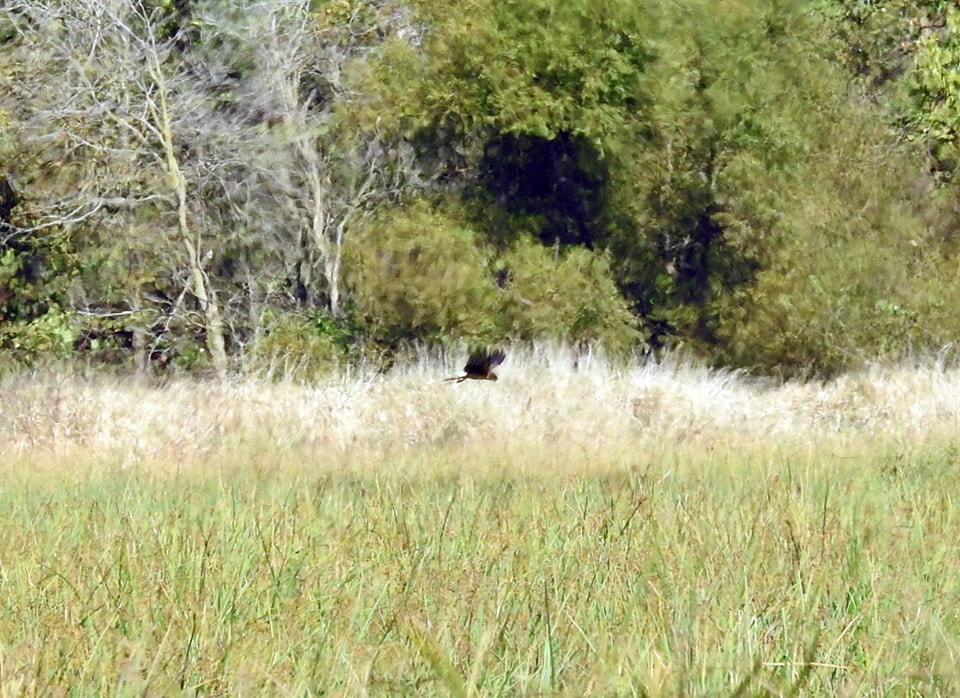
Northern Harriers are back for the winter. Randy Lehman and Curt Burnette first spotted them on October 5 at the Limberlost Swamp Wetland Preserve.
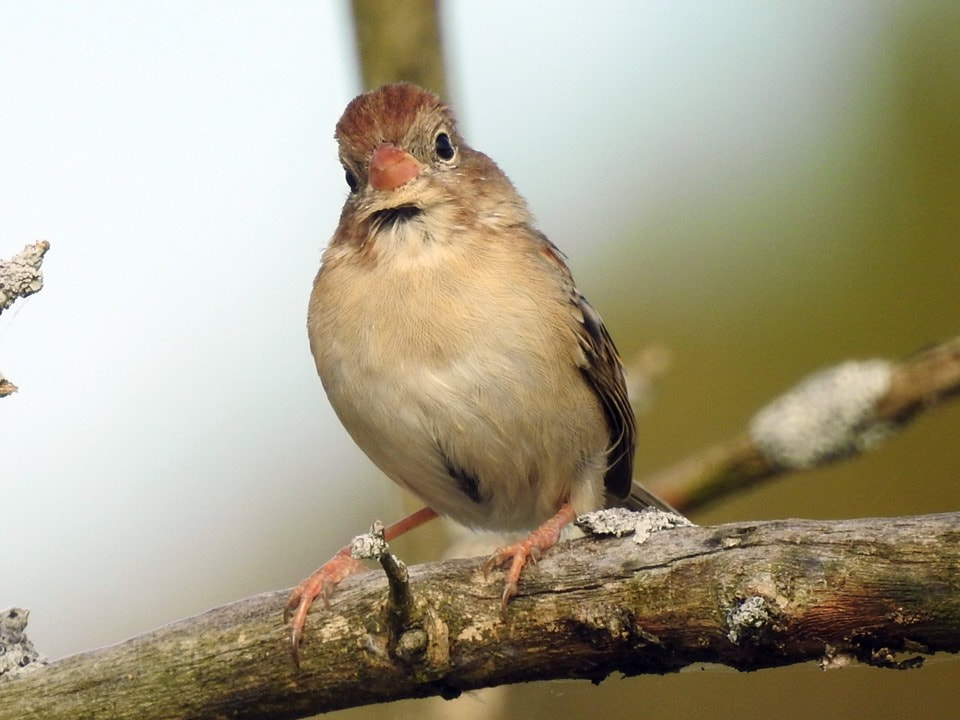
Field sparrow
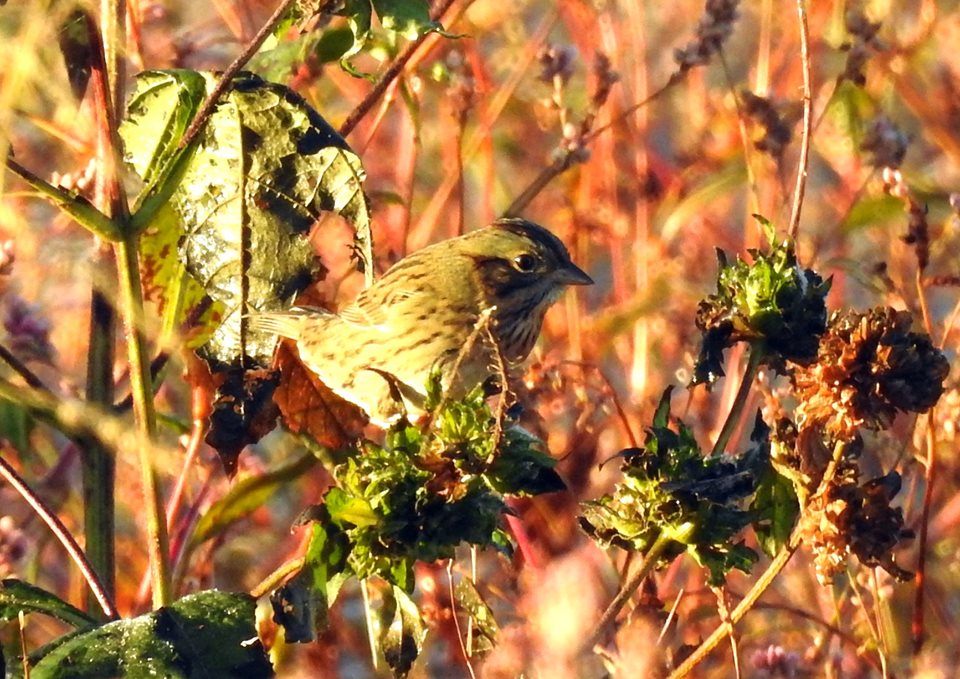
Lincoln’s sparrow
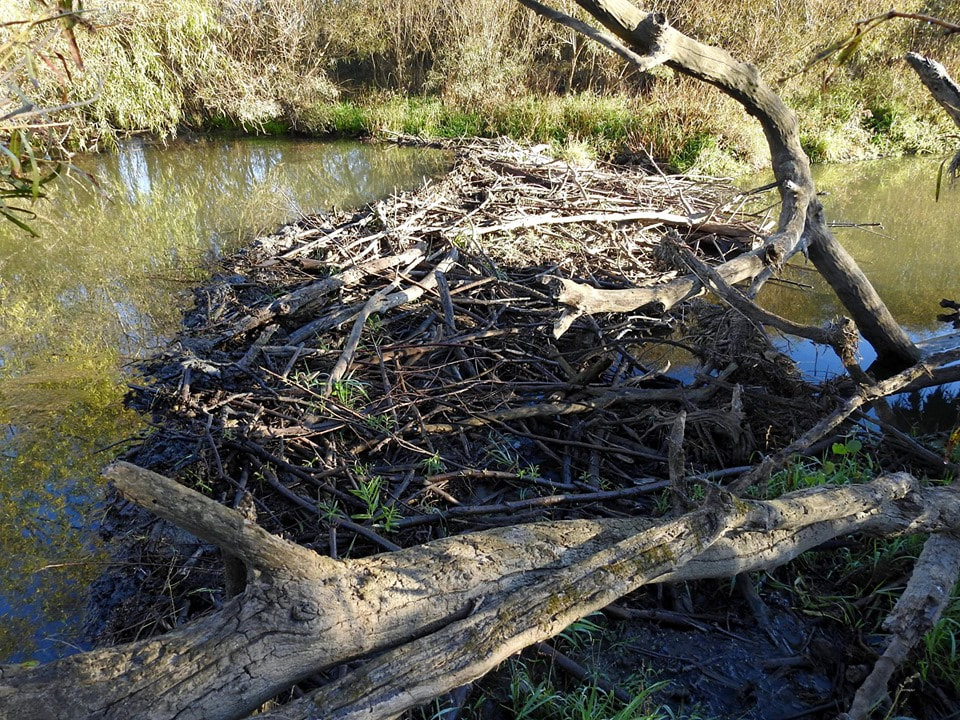
Beaver dam
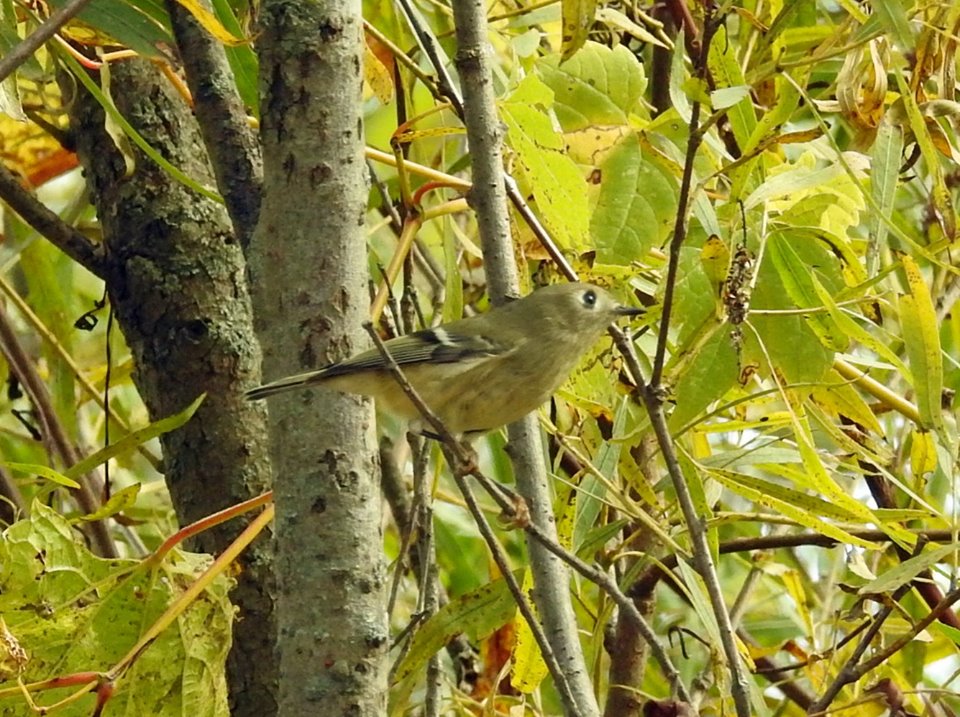
Ruby-crowned kinglet
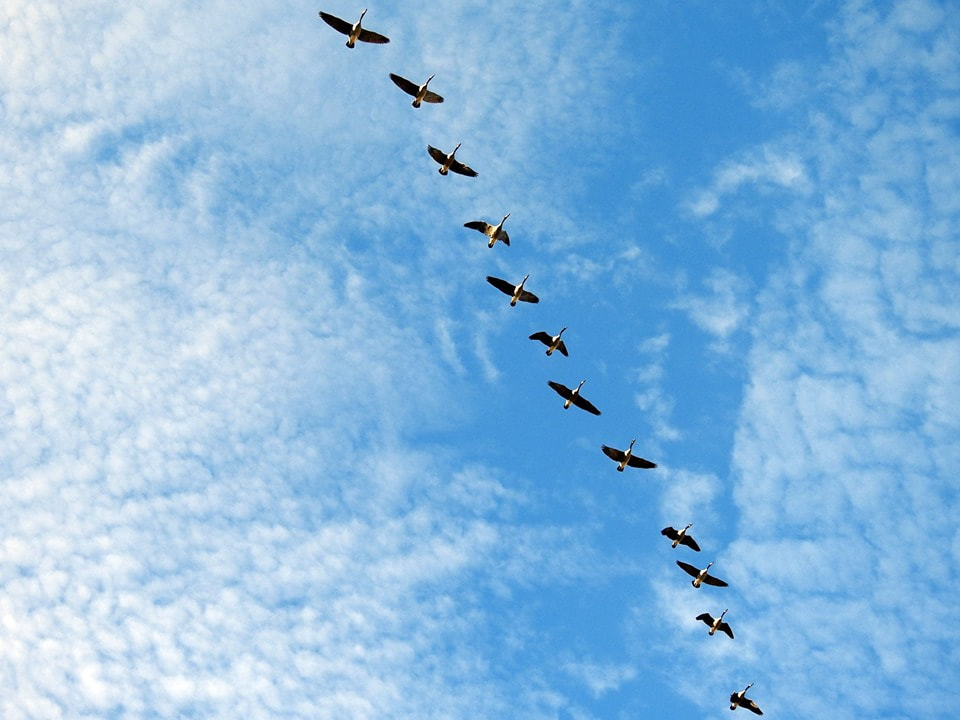
Canada Geese. October is a month of migration at Limberlost.
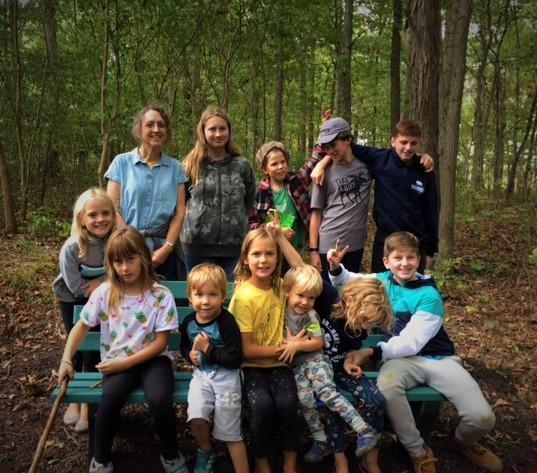
Collaborative Poems from Participants in Shari Wagner’s 9-25-2019 Workshop for Kids: “Among Sights, Sounds, and Silences: A Writing Workshop”
LOBLOLLY MARSH INVITATION
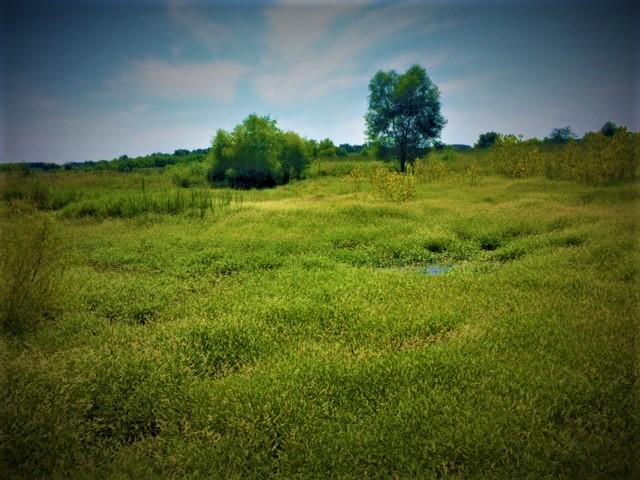
See the grass in the distance moving the way a cat sashays side to side.
Watch the geese flying over, an arrow that leads us into the prairie.
Hear the flock’s babble, laughing at us, and the honking of its clown horns.
Listen to the crickets’ chirp and chatter, high-pitched jingle bells in a cicada choir.
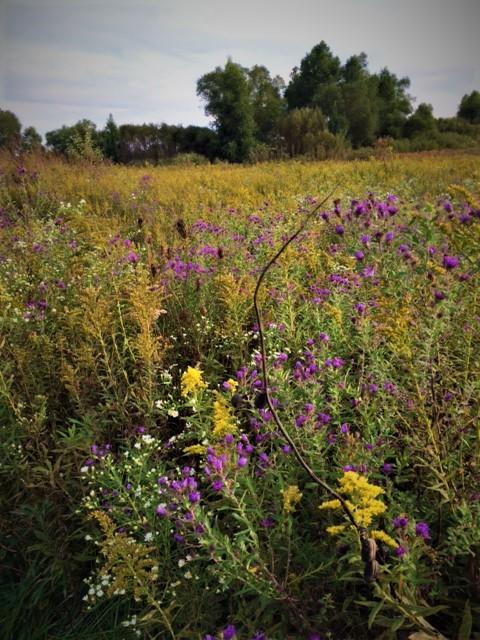
Smell the gold in the goldenrod. Touch its corn-like tassels complimented in September
by purple asters’ royalty. Feel beebalm between your fingers like the crinkling of tinfoil.
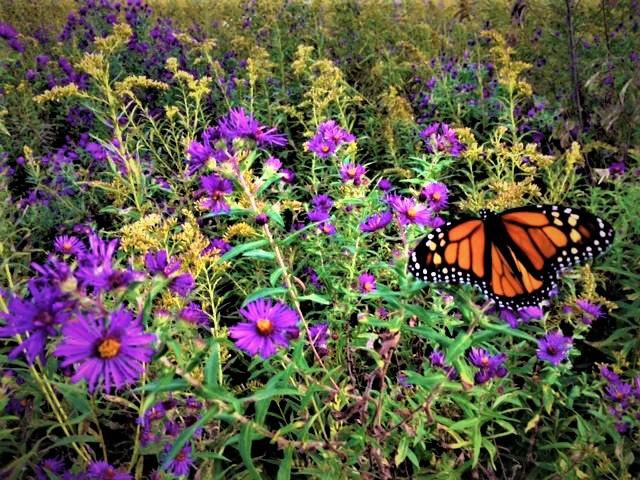
Come to Loblolly Marsh like a monarch riding the waves of the wind.
THE SHAGBARK HICKORY
is a rough man with a shabby beard and leathery clothes.
His one good eye is a swollen knot.
Nuts fall through the holes in his pockets.
He waves his hands to the toad at his feet.
THE BUTTERFLY WING
It was by a lot of asters and laying on the path, orange and black and white.
I walked with it for a minute. It made me happy like a gift.
By Maggie
The Catydid Choir
Hear the Catydid Choir chirping, singing, deafening. Feel the wind blowing cool and refreshing. See the goldenrod blooming bright, tall, and yellow. Smell the different flowers perfumy and sweet. Taste the sweet berries black and juicy. Don’t ignore it. Explore it!
By Callie Shaffer
HAIKU
Red mosaic leaf Flitting, bouncing Monarch butterfly
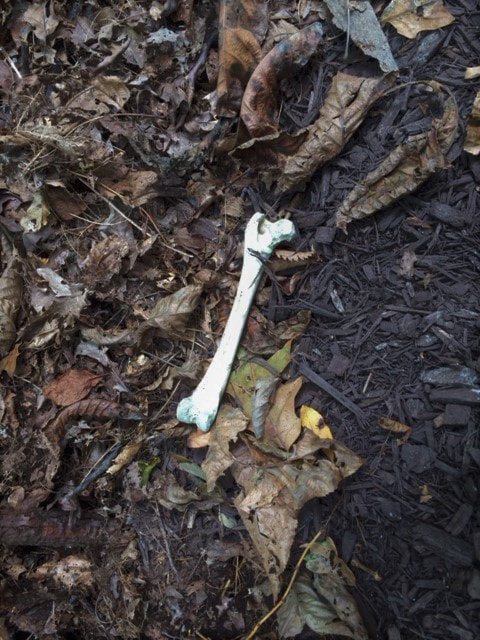
White, hard aged Cracked open, honeycombed Deer Bone
Shari Wagner, Indiana Poet Laureate 2016-17, conducted a poetry workshop at Limberlost on Saturday, October 12. The day started with a hike led by Limberlost Naturalist Curt Burnette at Rainbow Bend Park. A place that Gene Stratton-Porter called Rainbow Bottom. Gene set “Song of the Cardinal” and “At the Foot of the Rainbow” at this location.
Enjoy some of the photographs of the hike. We will be sharing some of the poems created that day in a later blog. It was a group of talented poets.
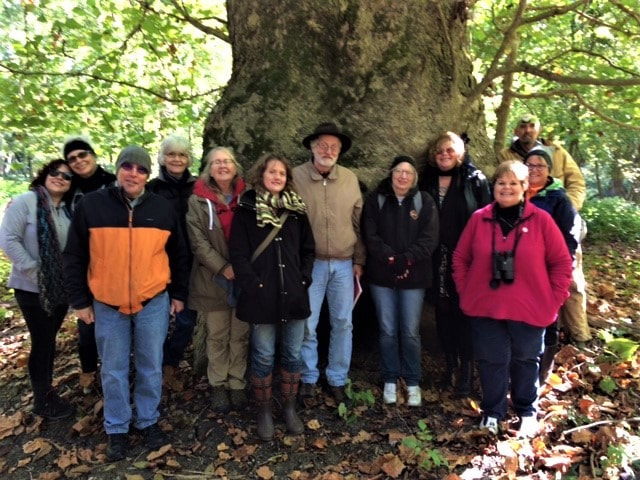
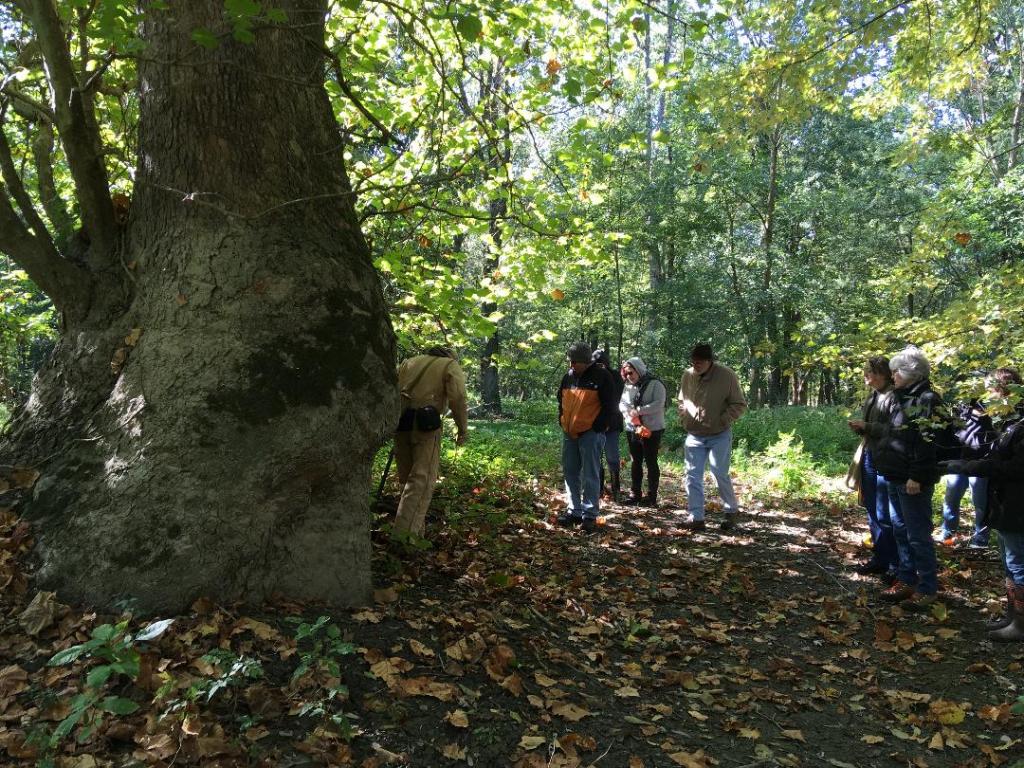
Photo of the poetry group in front of one of the Giant Sycamores of Rainbow Bottom.
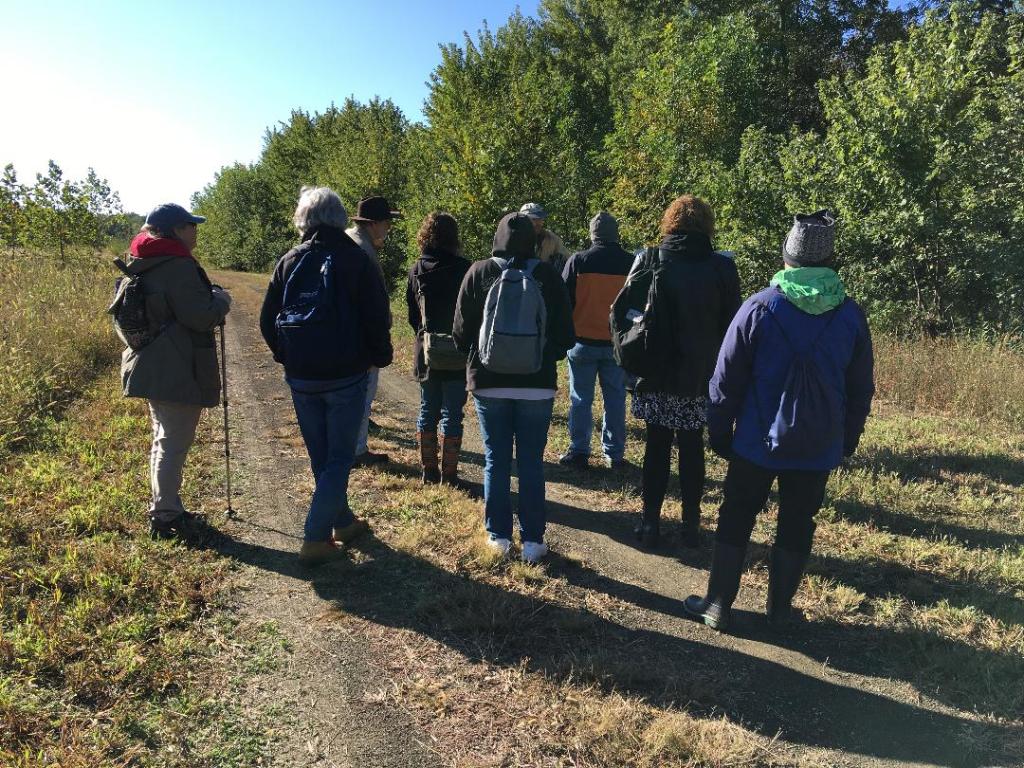
Group begins hiking with Curt pointing out interesting things along the way.
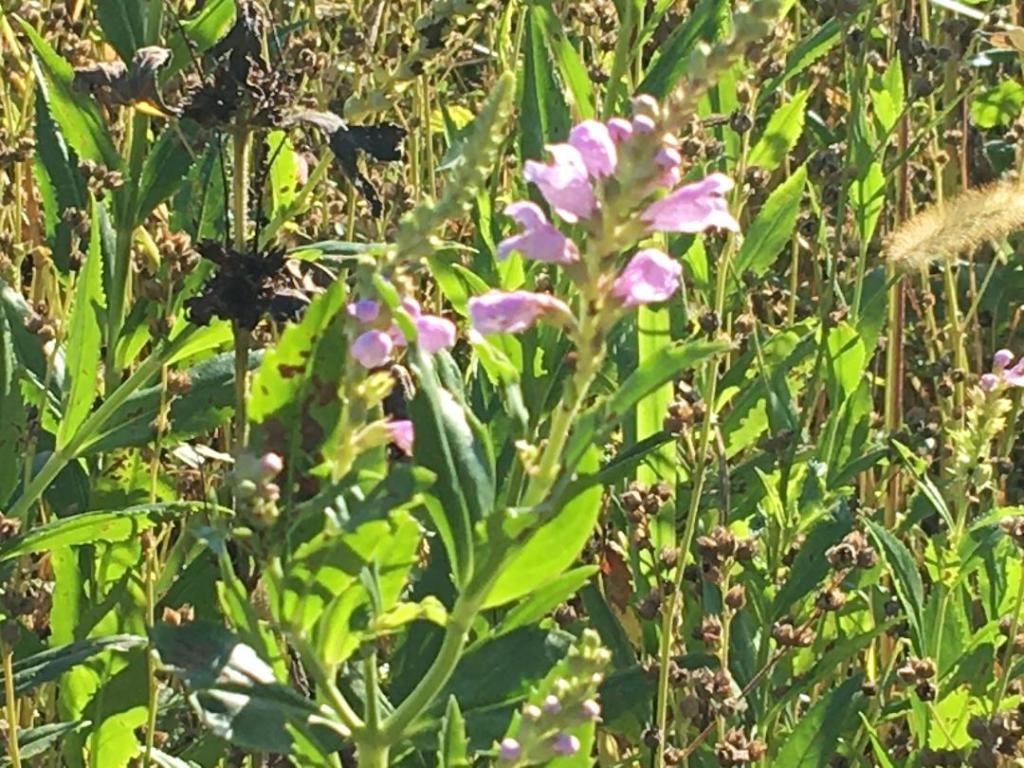
Some obedient plants were still blooming.
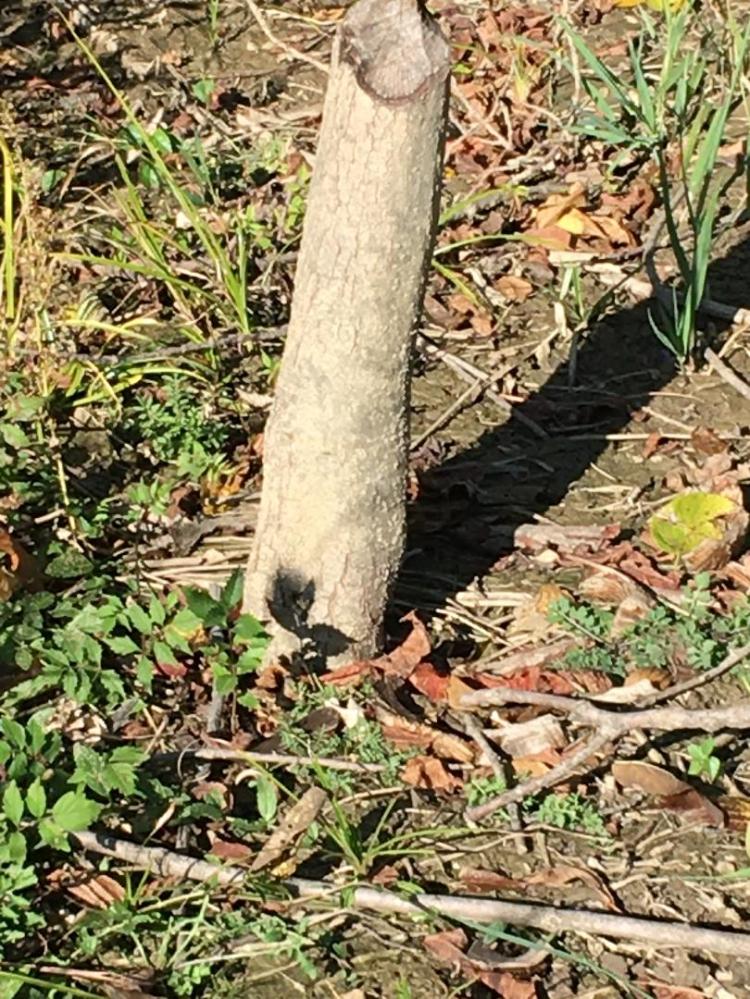
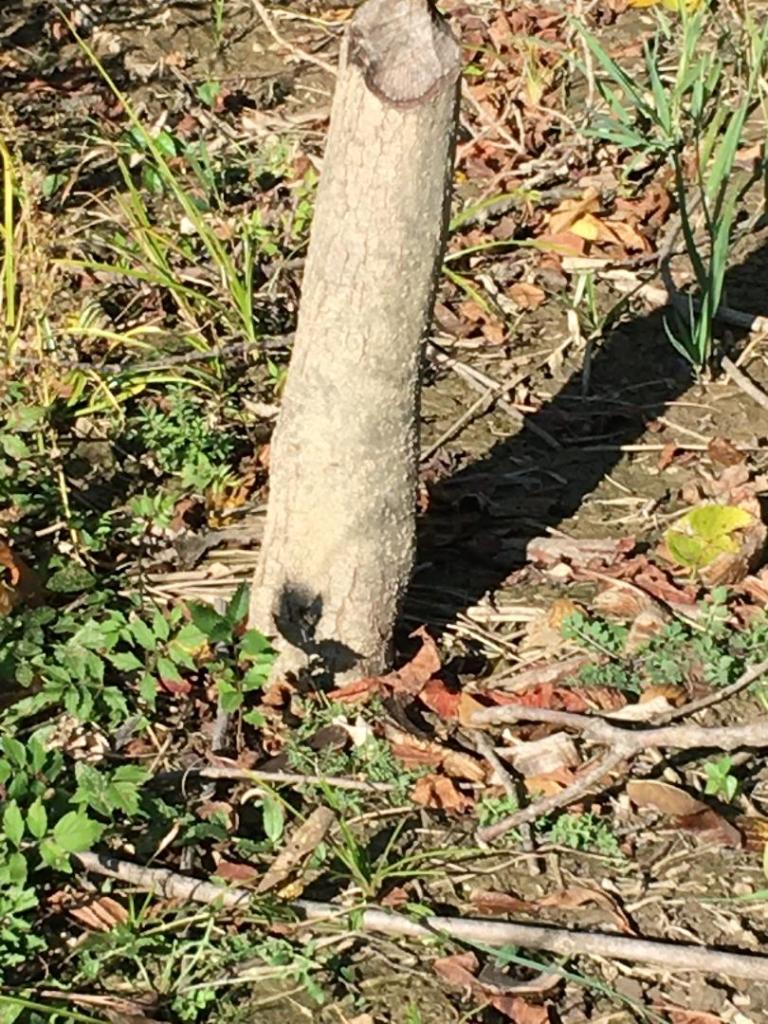
A beaver chewed this small tree down.
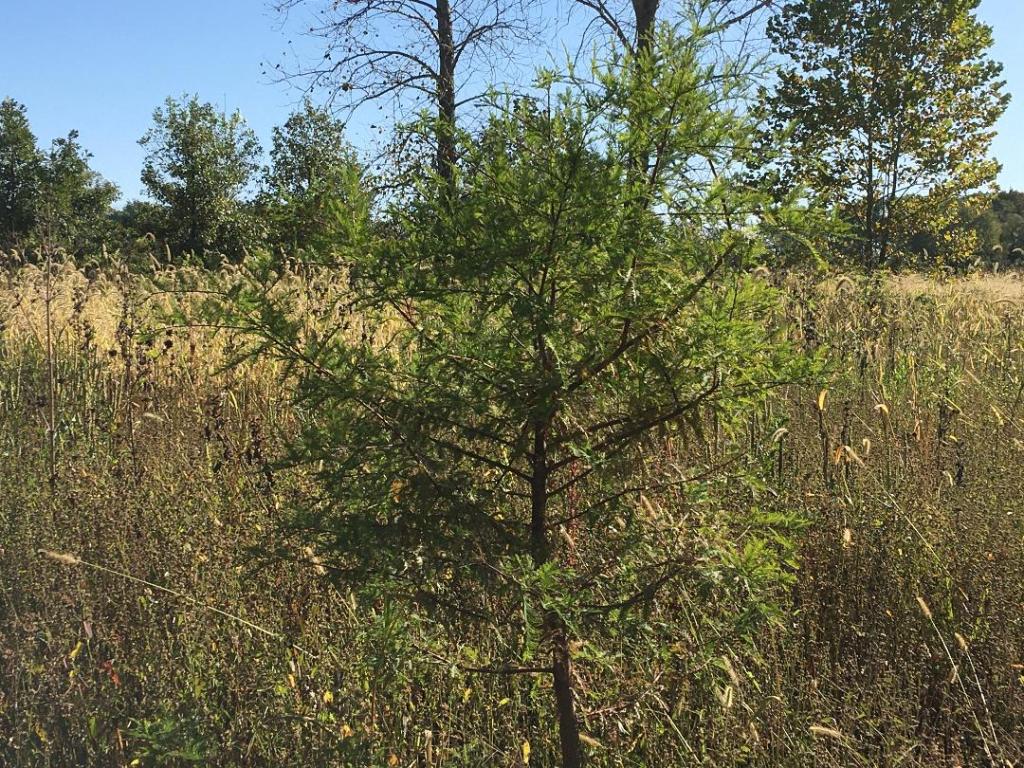
Bald cypress tree. The Friends of the Limberlost own this preserve and have planted trees on it.
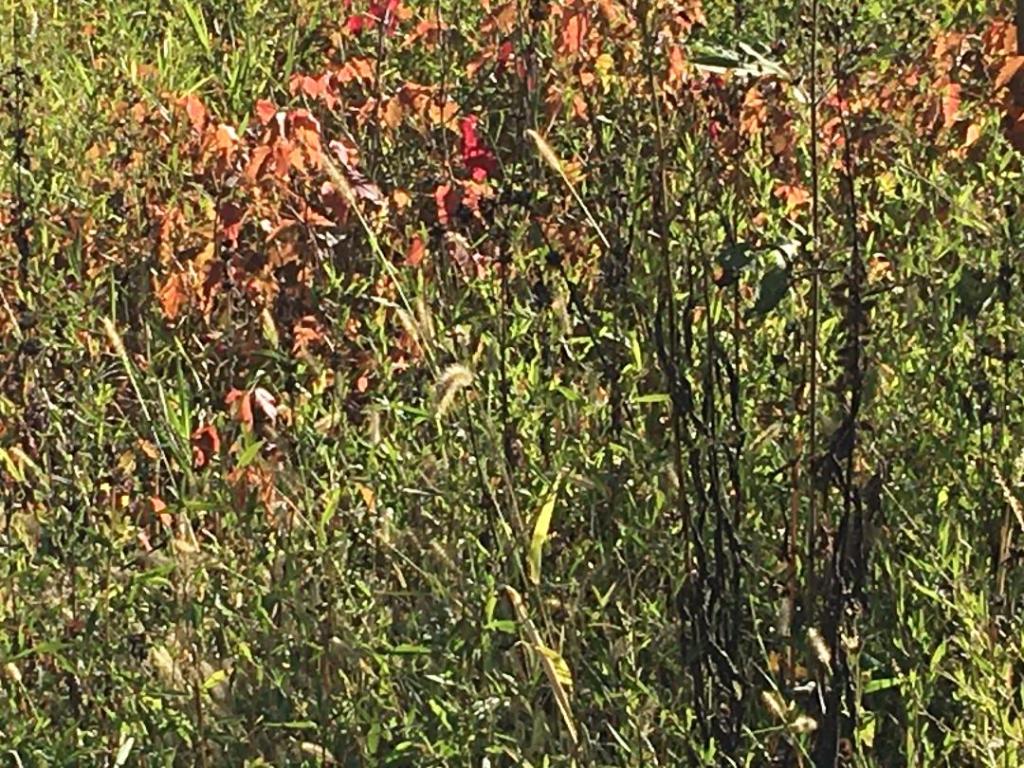
The poison ivy is turning red.
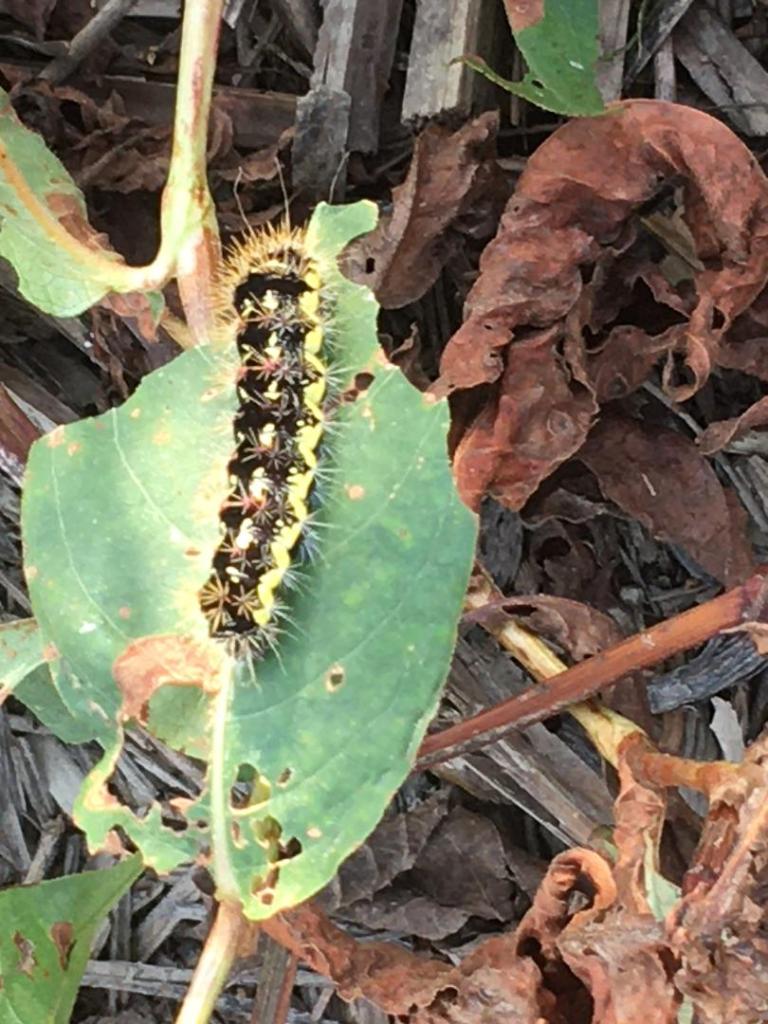
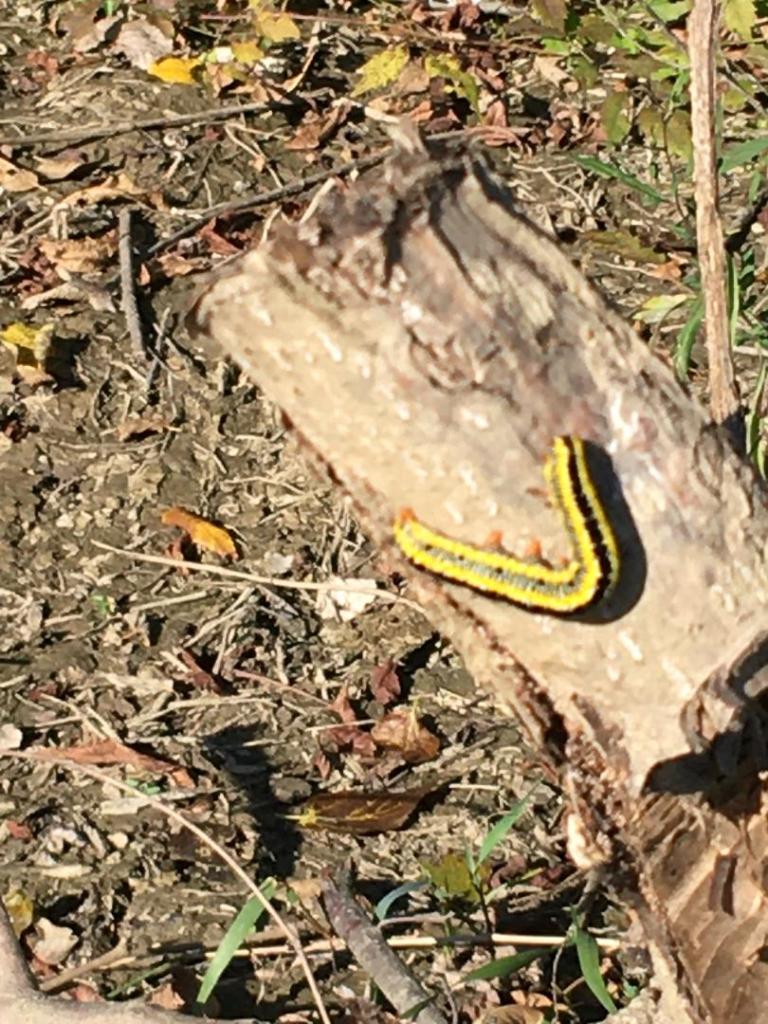
Caterpillar
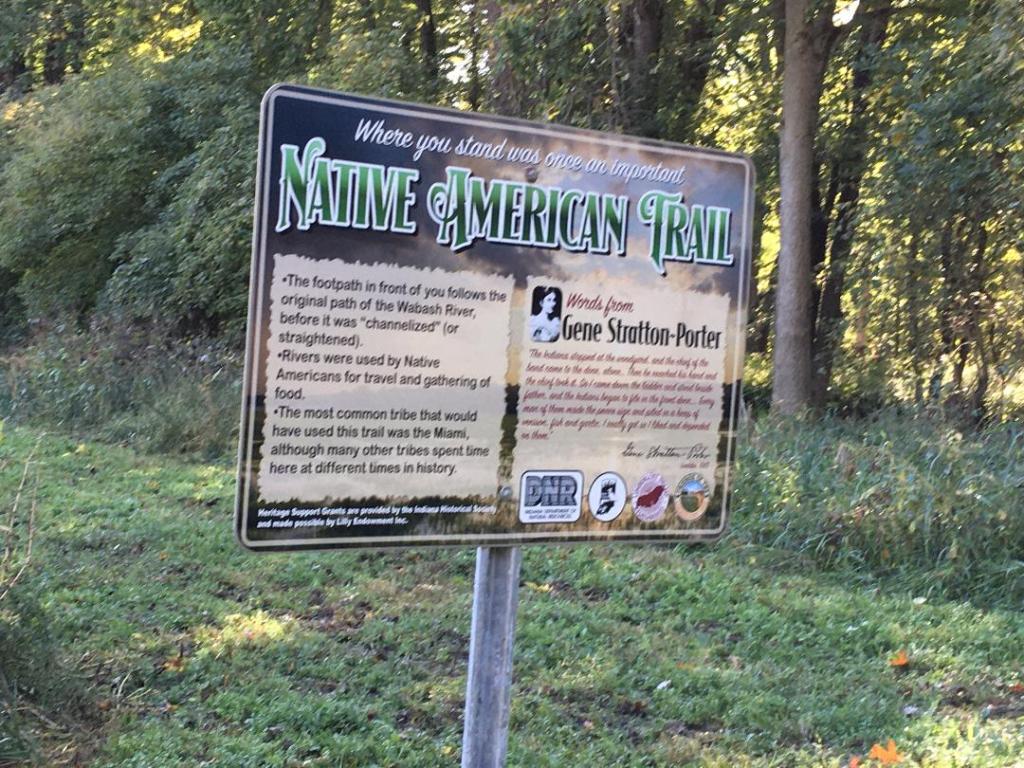
Interpretive signs placed in 2018 by the Friends of the Limberlost with a grant from the Indiana Historical Society and the Lilly Endowment.
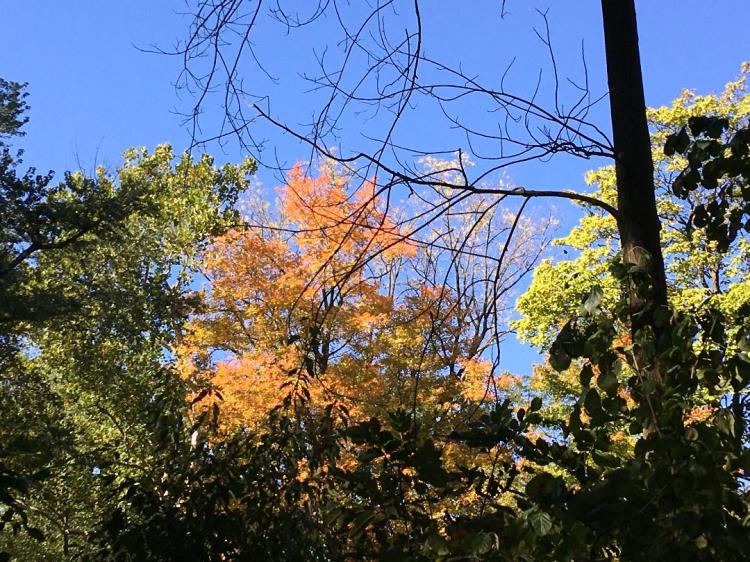
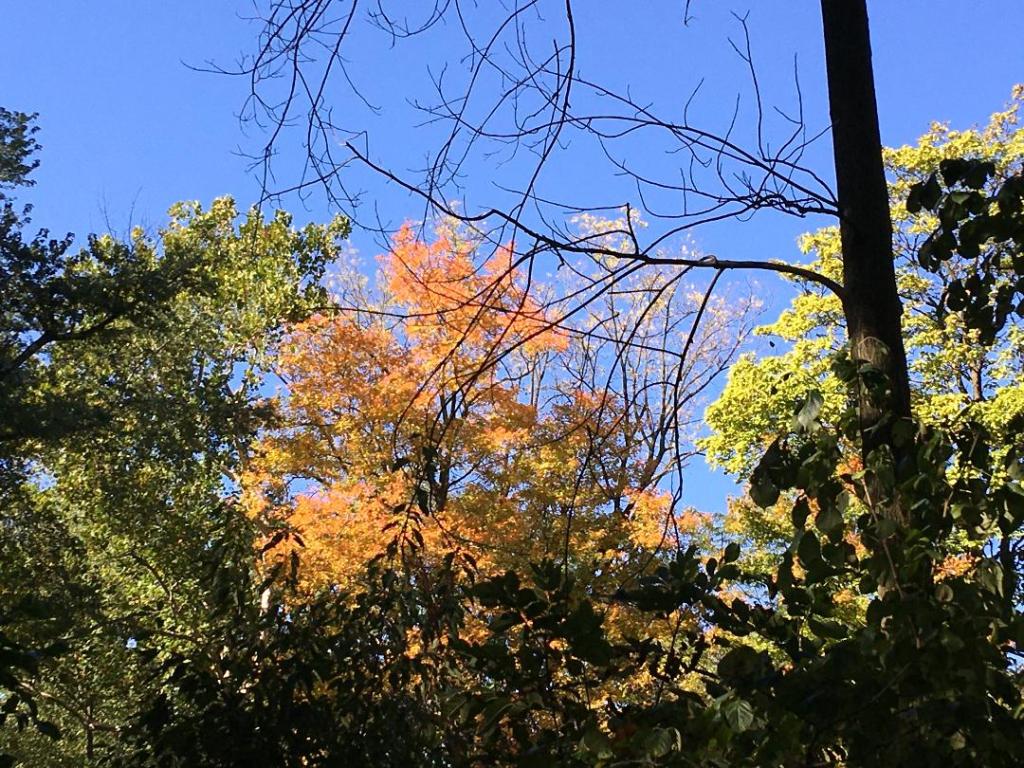
There is just a touch of fall color in the trees.
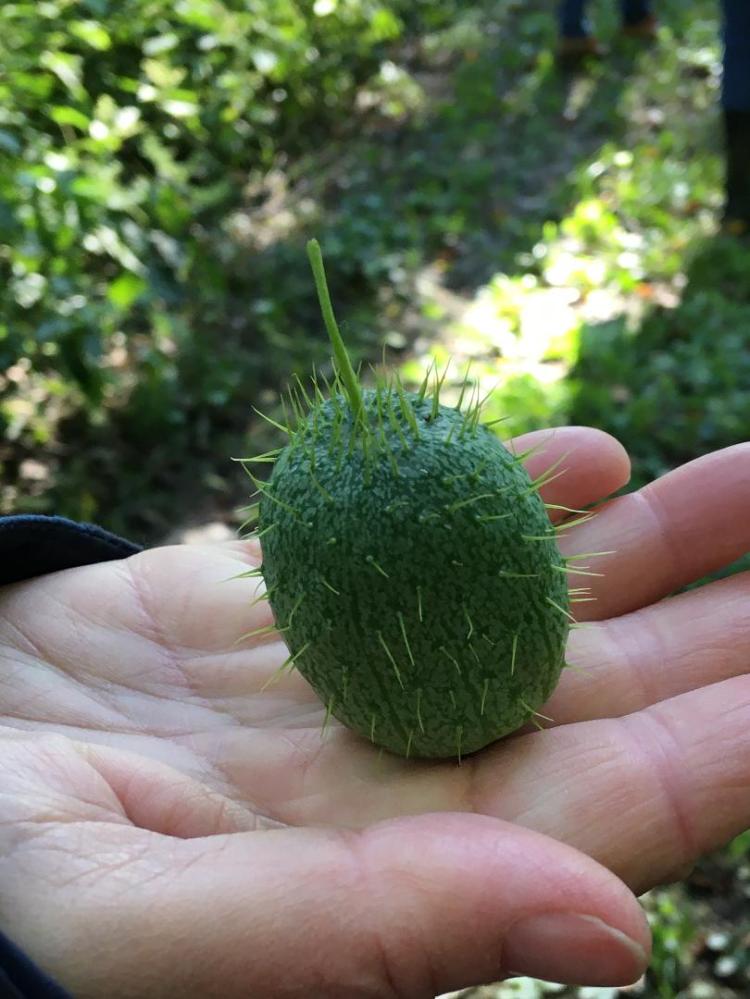
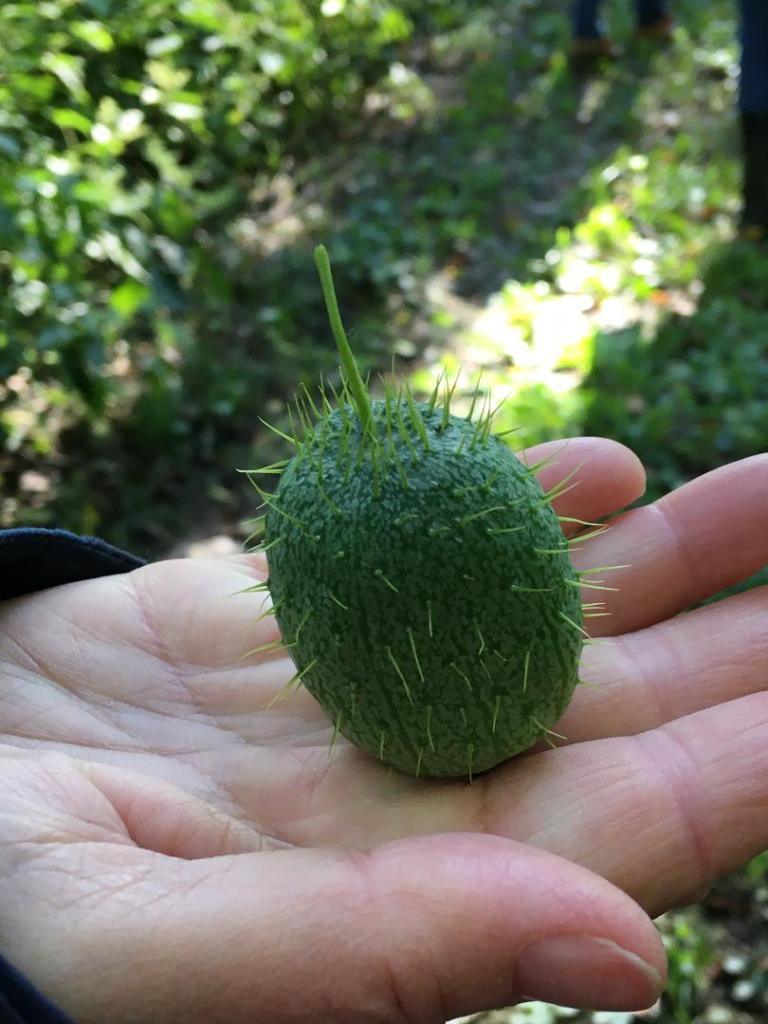
Our native wild cucumber. Everyone had a chance to hold it.
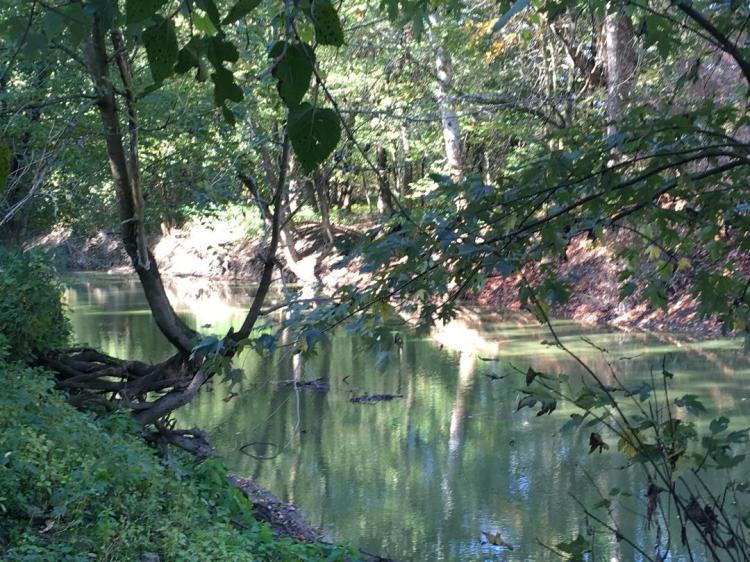
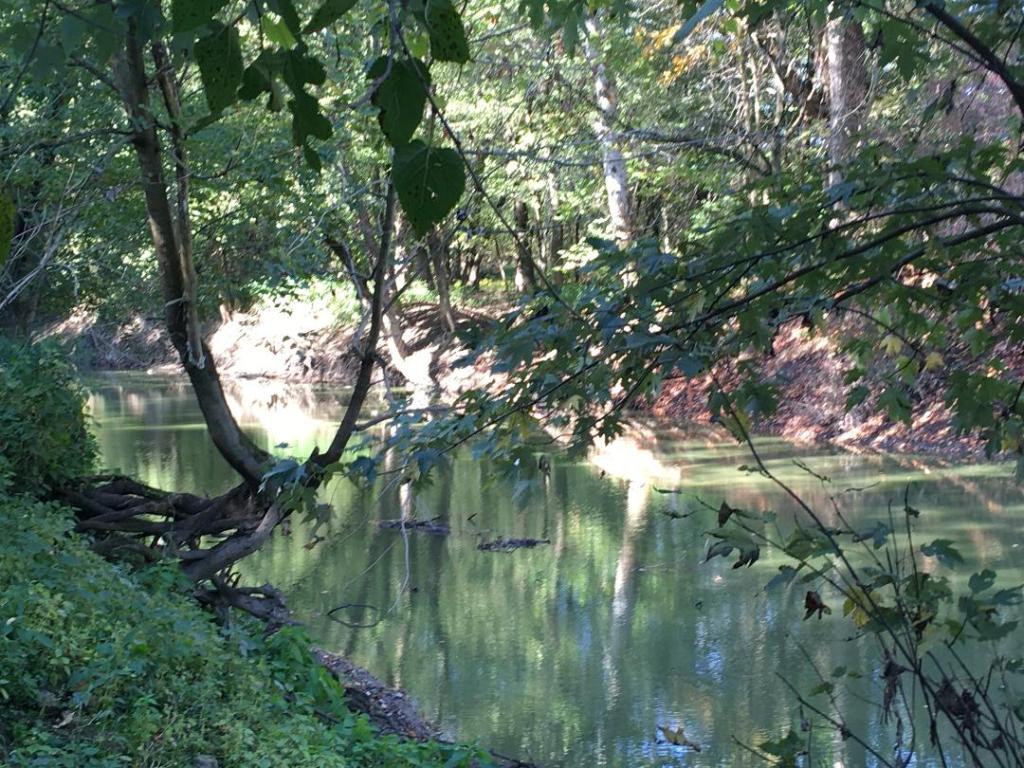
Wabash River
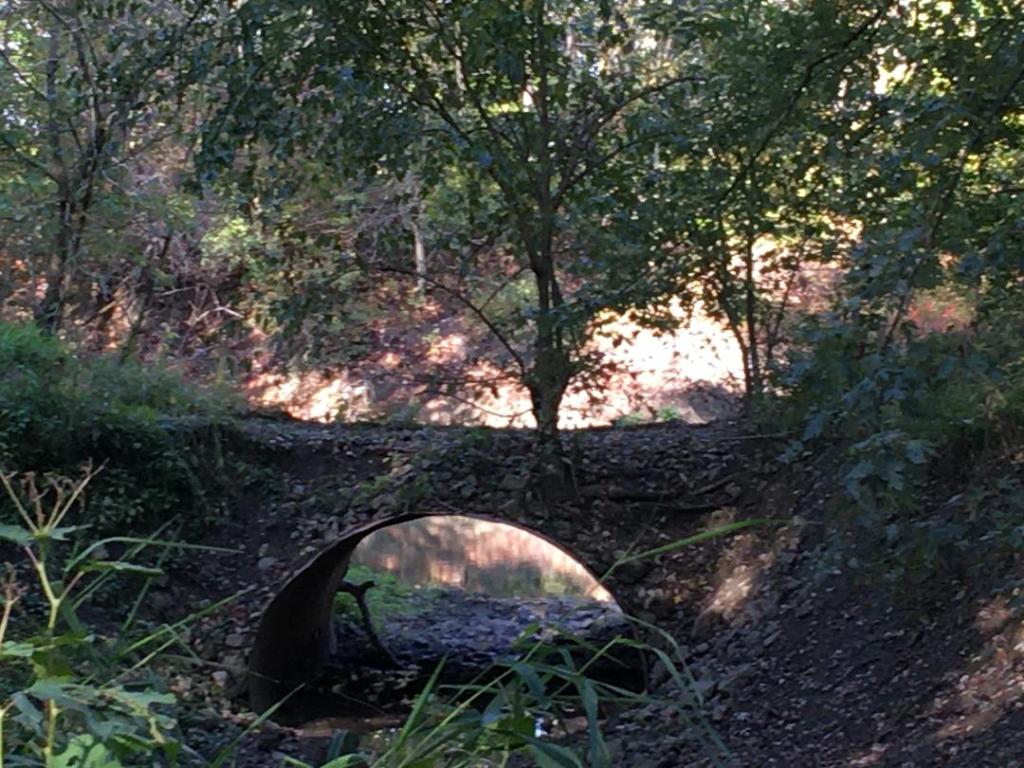
Bridge at Rainbow Bottom
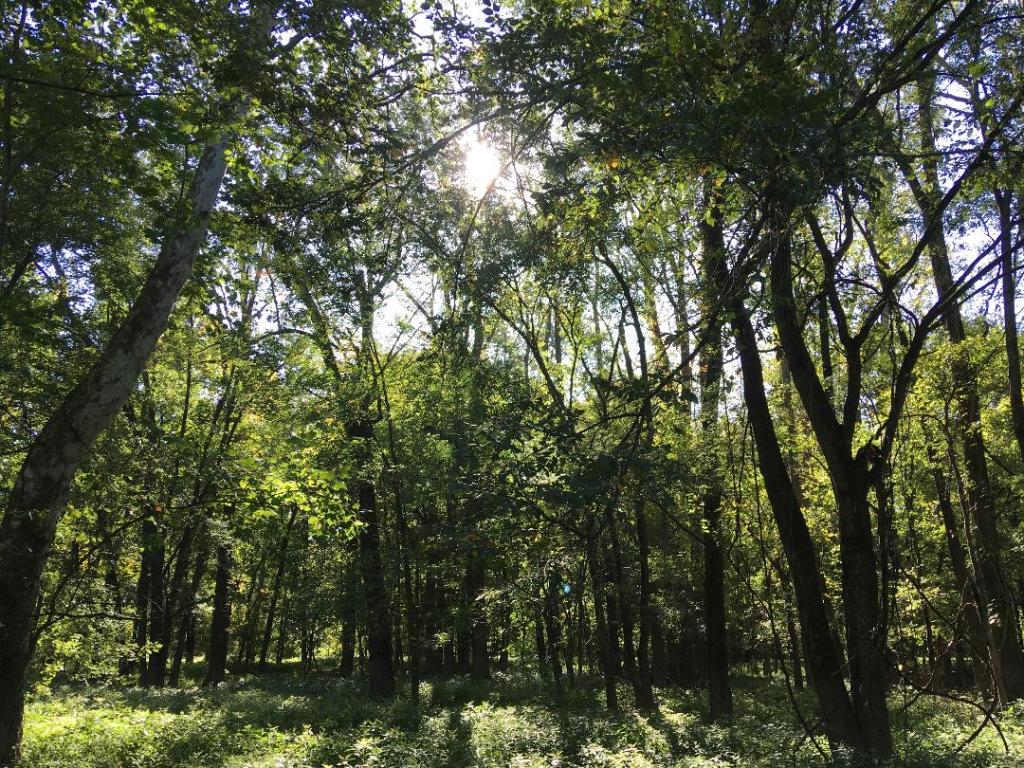
Trees of Rainbow Bottom
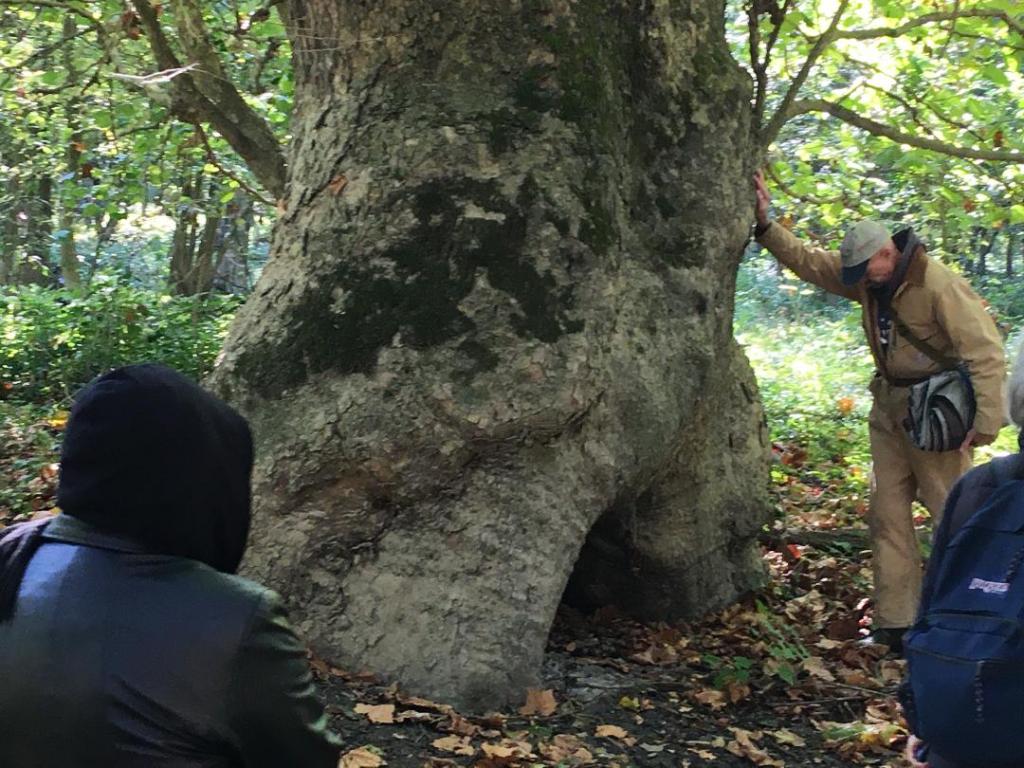
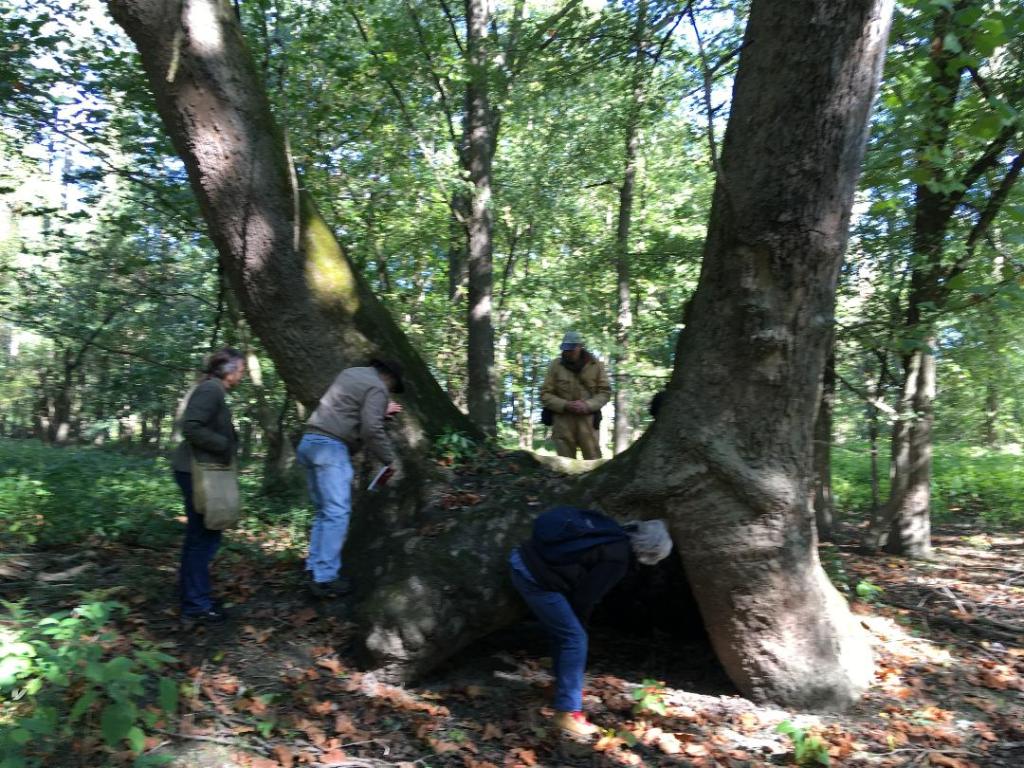
Curt leads the group to the first giant sycamore tree. This tree would have been there in Gene Stratton-Porter’s time.
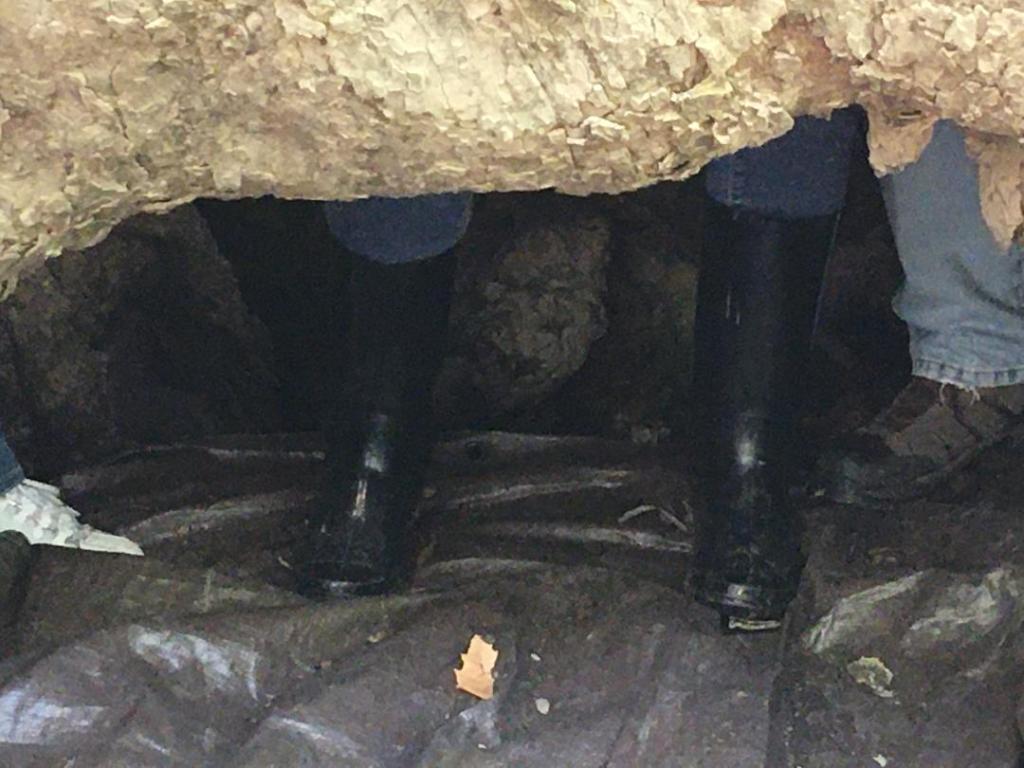
Ever the gentleman, Curt spreads a tarp for those that want to crawl into the tree.
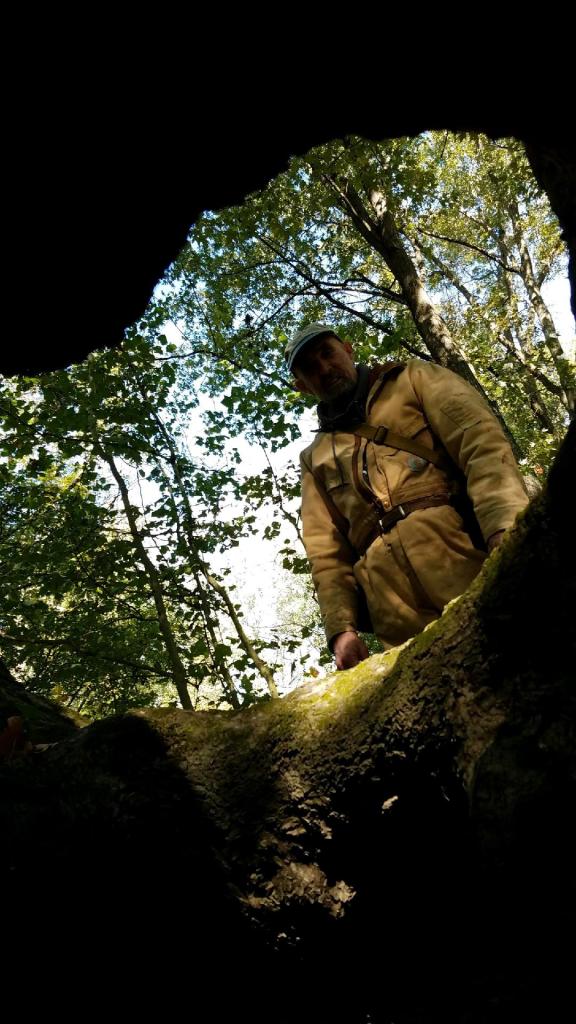
How many adults can fit into a tree? Four were in the tree at this time.
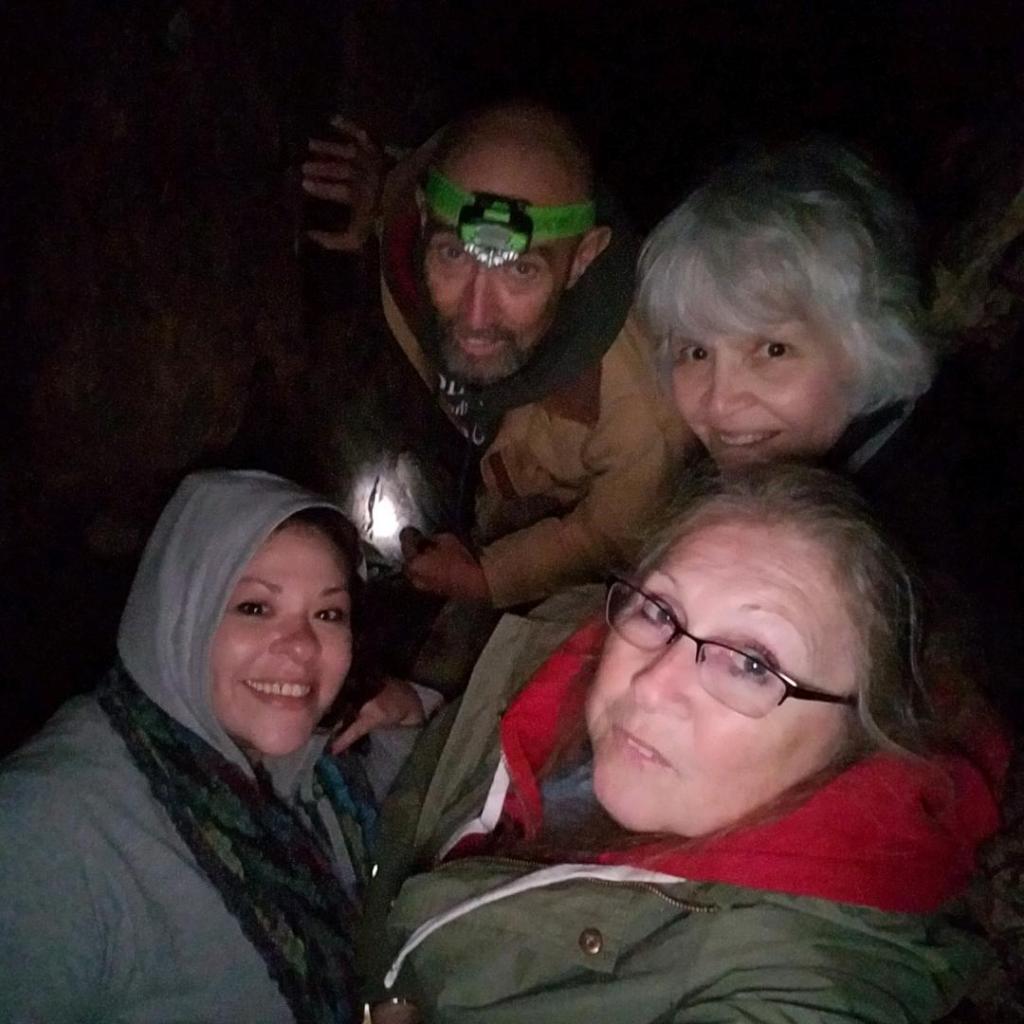
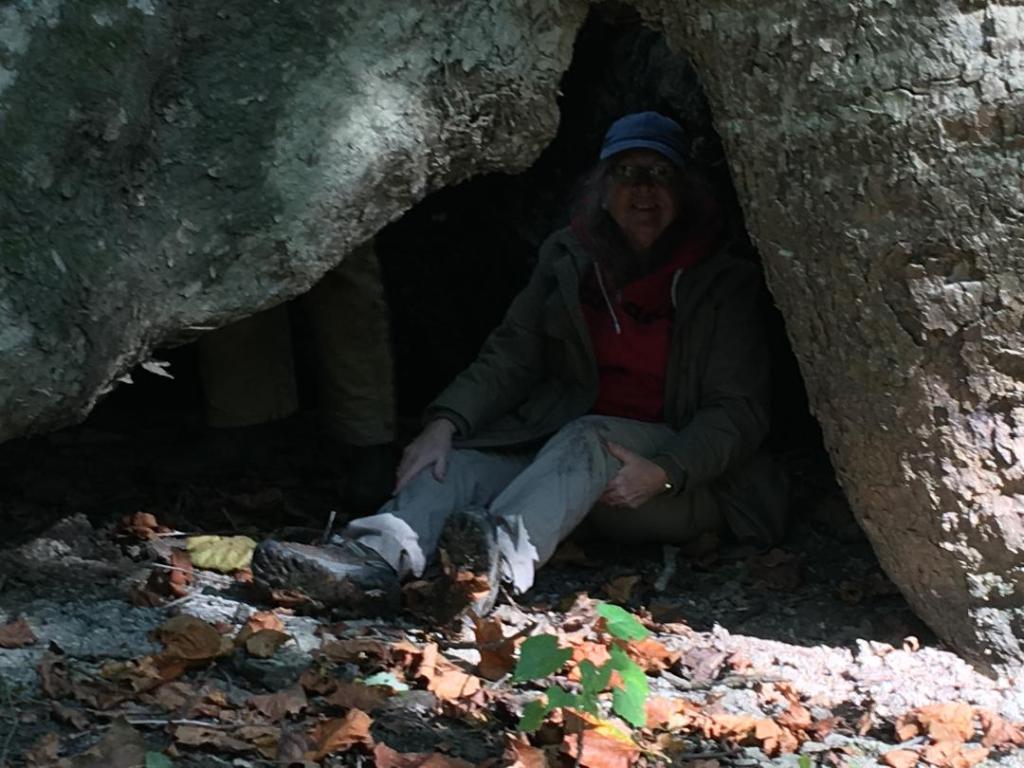
Melissa Fey took this picture of the group of four in the tree. It was warmer in the tree than outside.
Exploring a second large sycamore tree. Each tree has its own personality.
Melissa inside the sycamore.
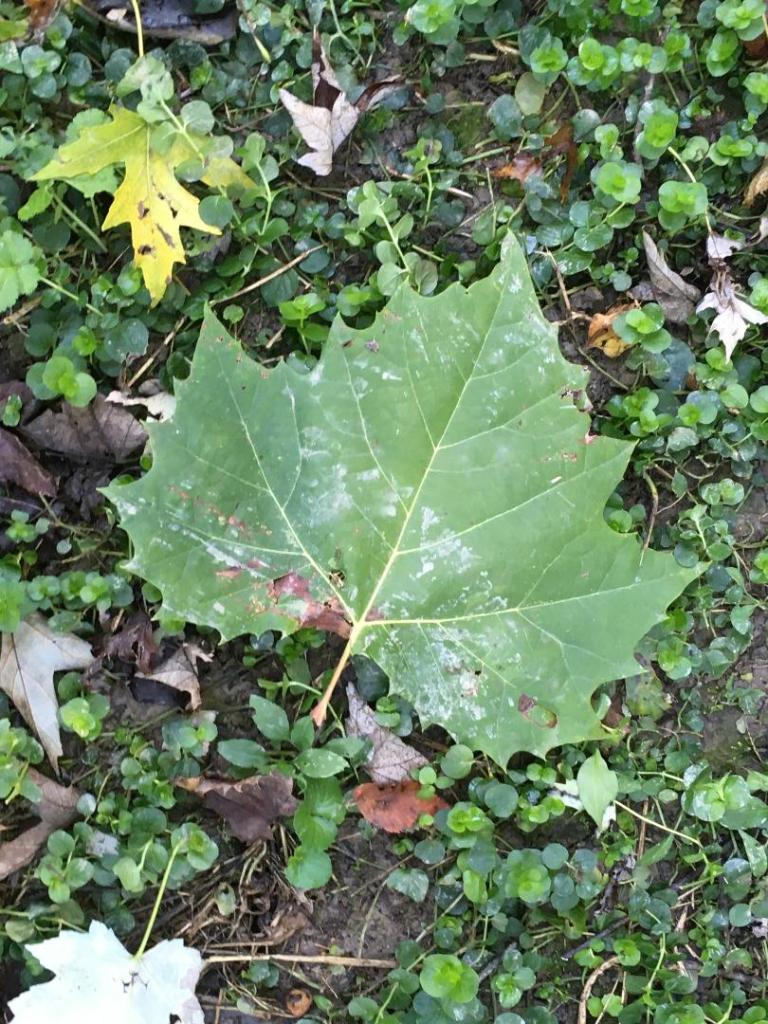
Sycamore leaf
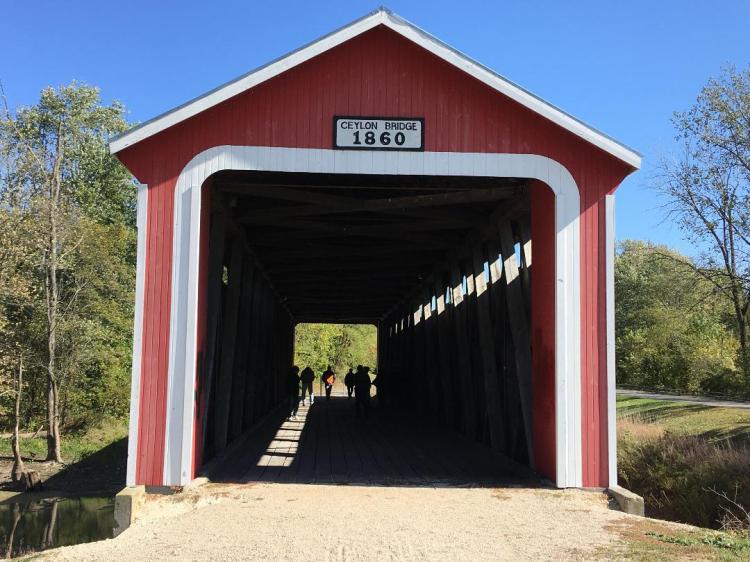
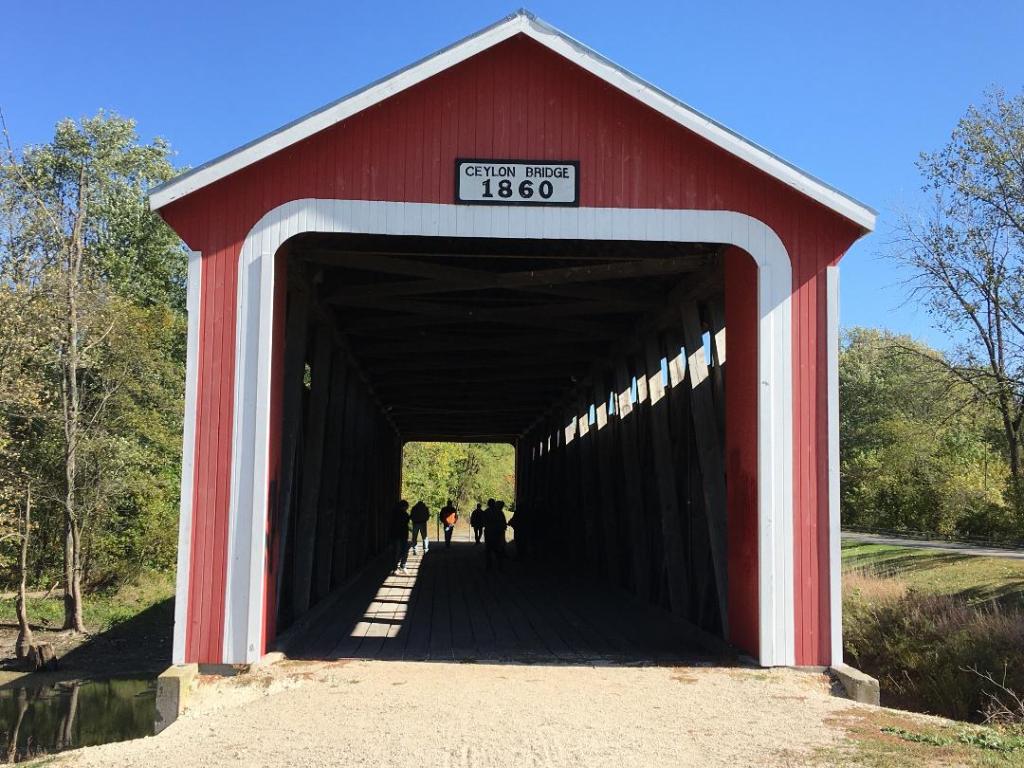
The hike ended at the Ceylon Covered Bridge. The poetry group was going to meet at the bridge but with the chilly temperatures, it was decided to have the workshop at the the Carriage House at Limberlost State Historic Site.
Thank you to Shari Wagner and Curt Burnette and to all that participated.
Saturday, October 5, Naturalist Curt Burnette led a hike at the Limberlost Swamp Wetland Preserve which began at the Deacon’s Trail. This is a rare look at some of the areas of the wetland that cannot be seen from the road and spend part of the year underwater.
This is the area where Gene Stratton-Porter did her vulture studies and inspired her to set her novel “Freckles.”
The following photos were taken by Randy Lehman. We hope that you will enjoy your Limberlost hike!
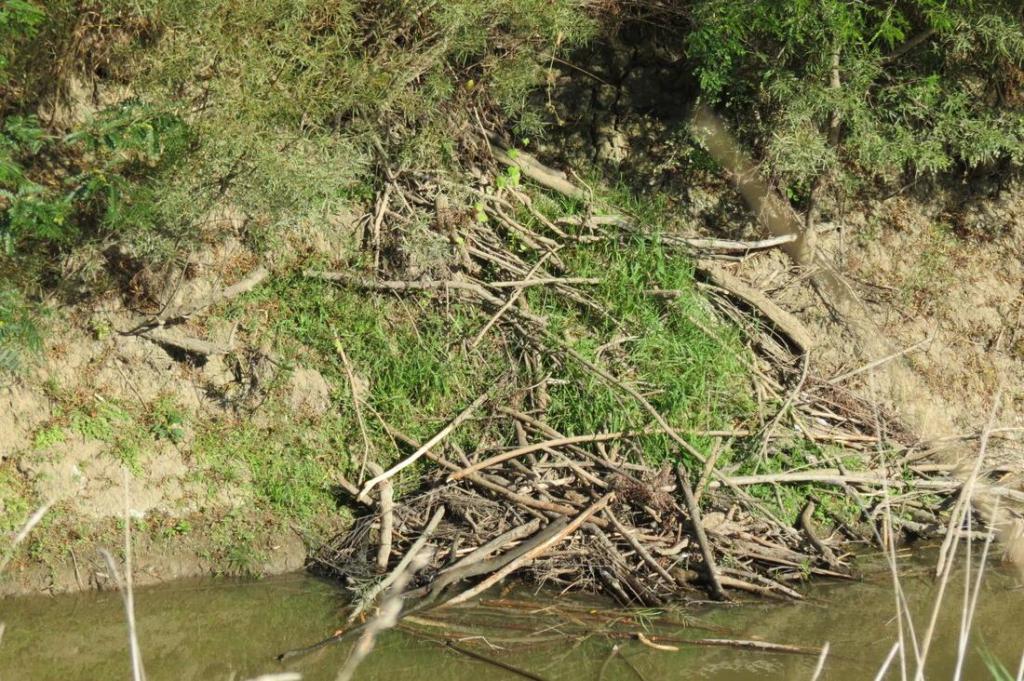
Signs of beavers. Beaver stick cache.
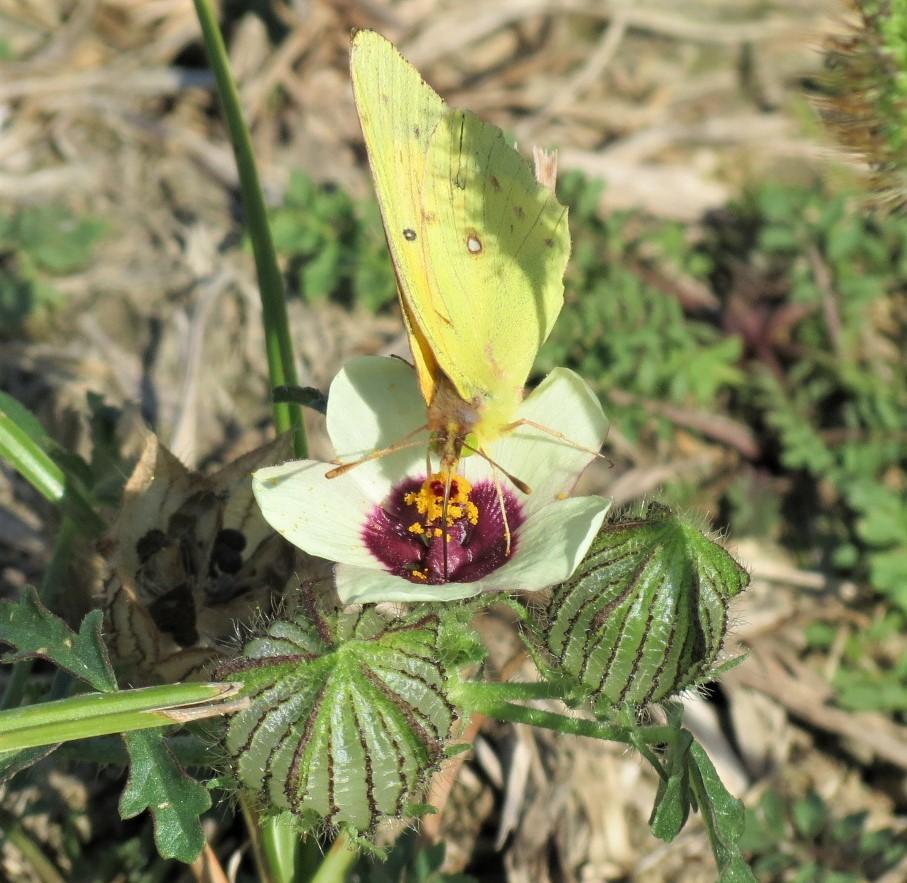
Flower-of-the-hour with a sulphur butterfly.
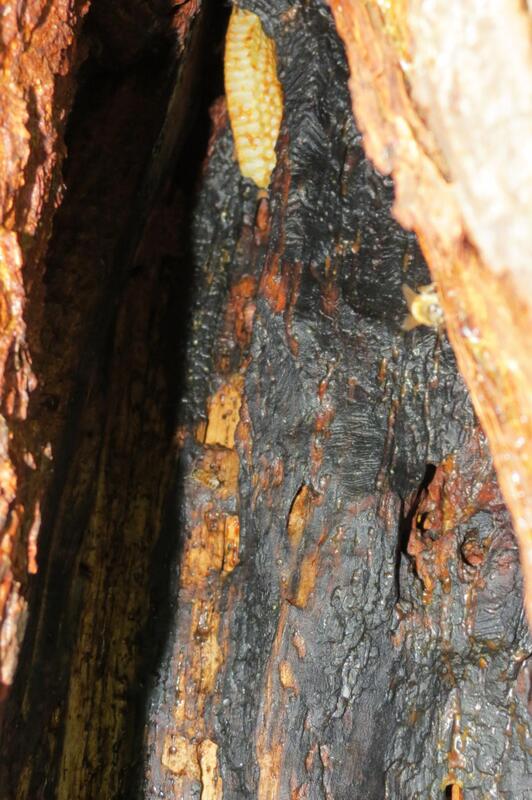
Bee hive in a tree.
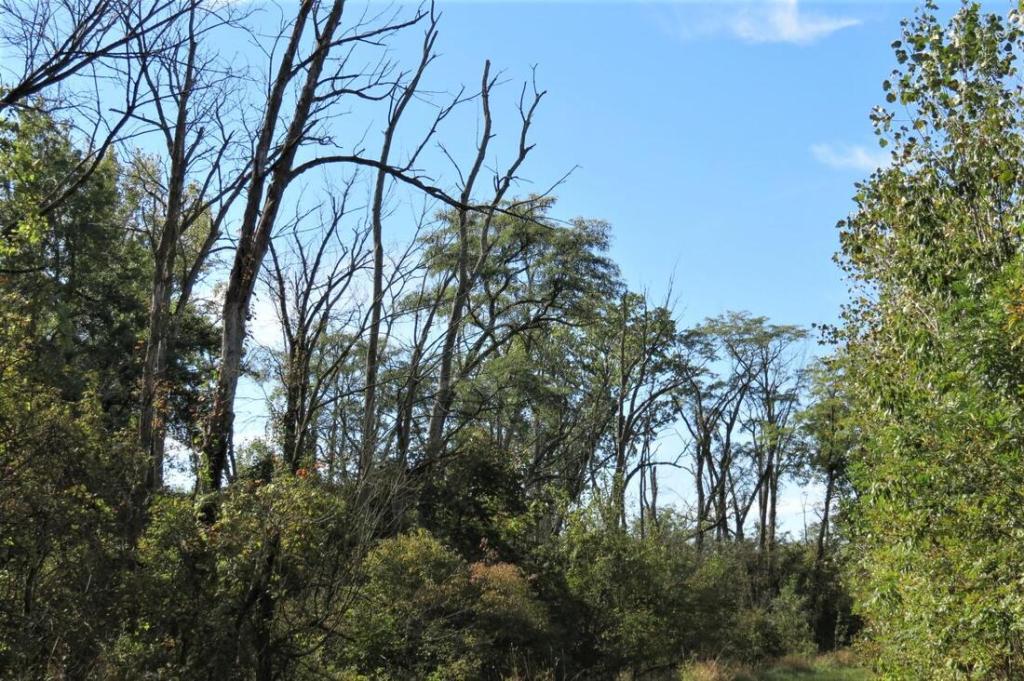
The dead ash trees stand out among the living trees.
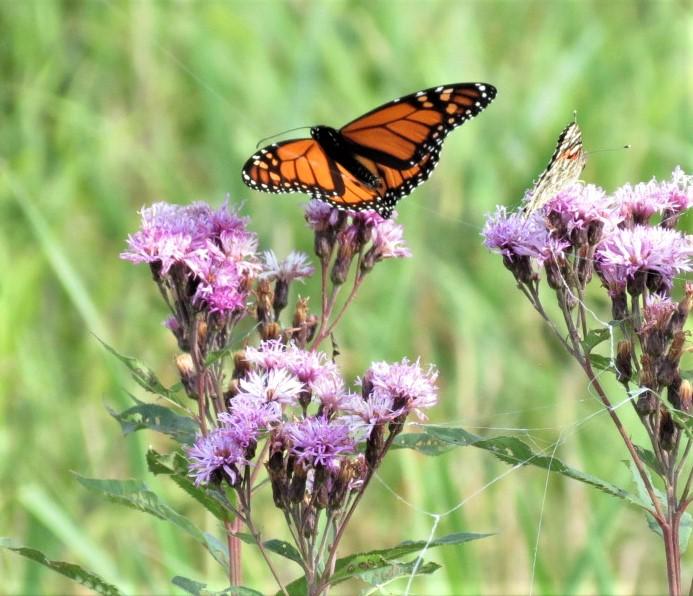
Monarch on ironweed.
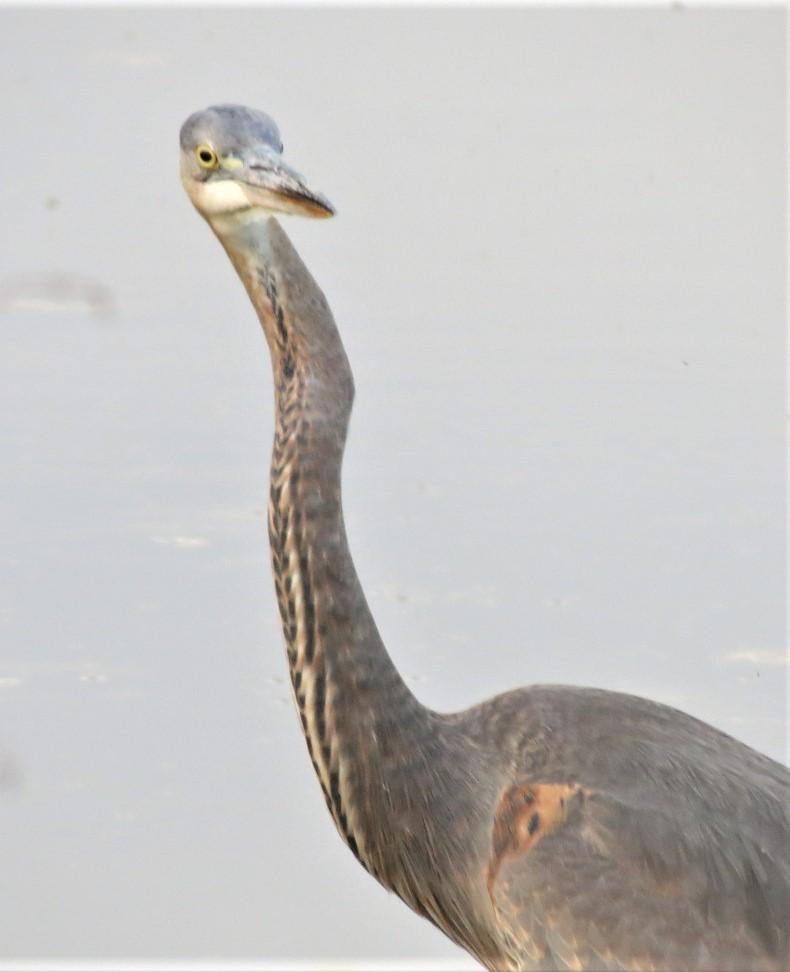
Great blue heron on the Loblolly Creek.
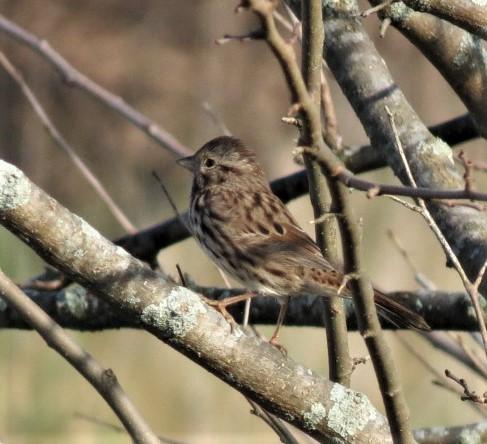
Song sparrow
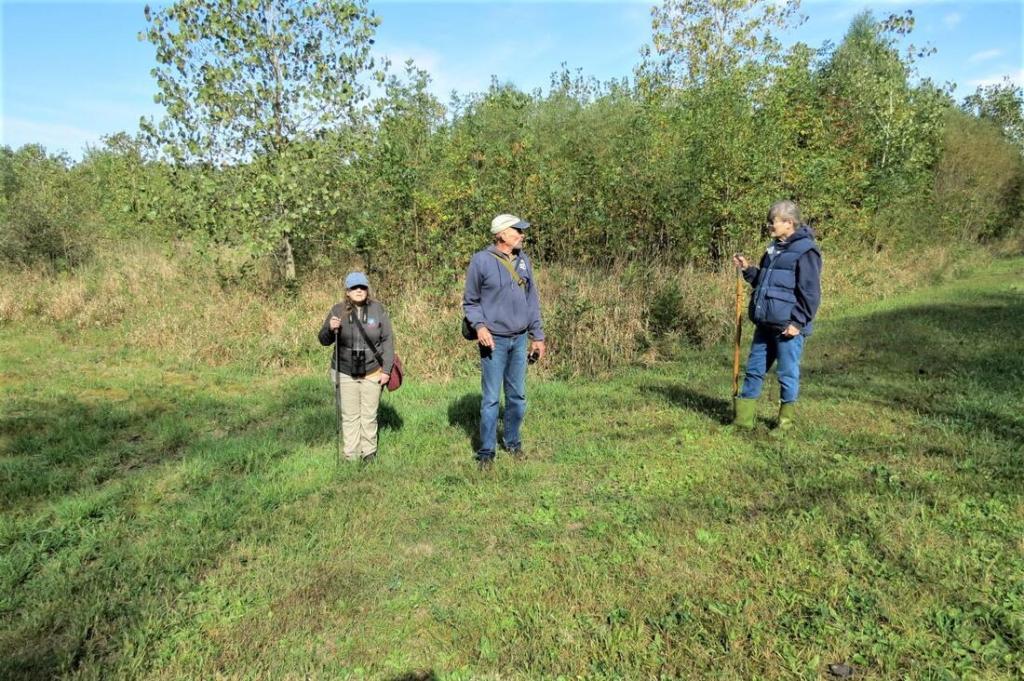
Melissa, Curt and Cheryl
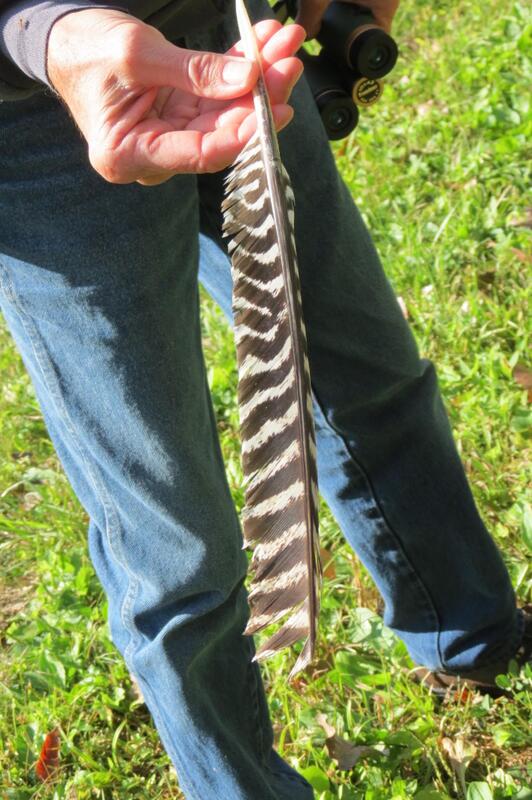
Turkey feather
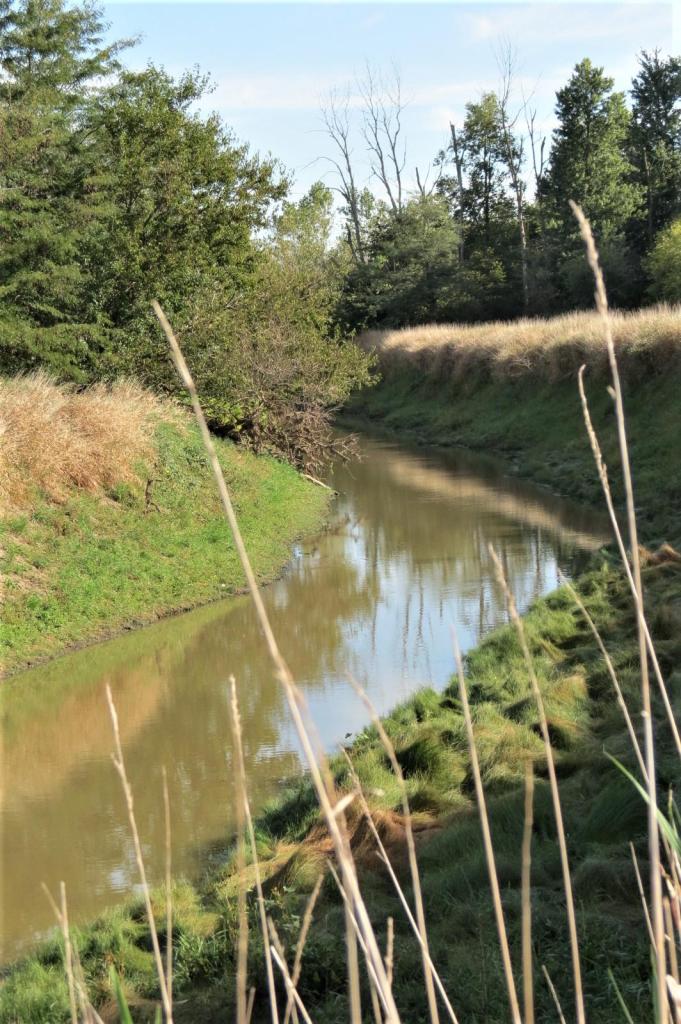
Loblolly Creek
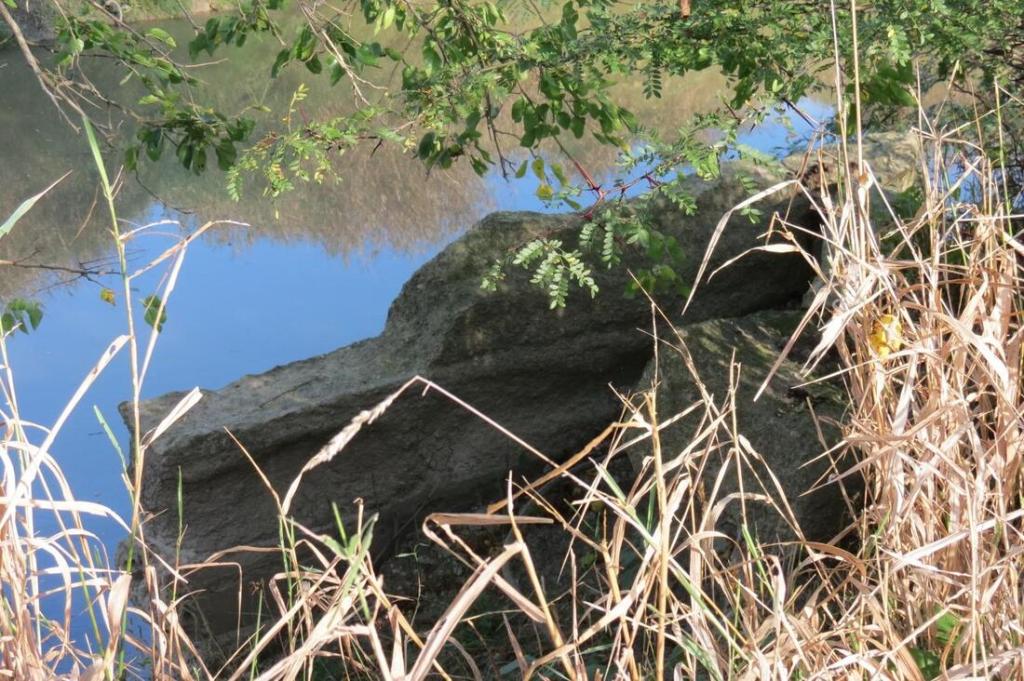
Old bridge abutment
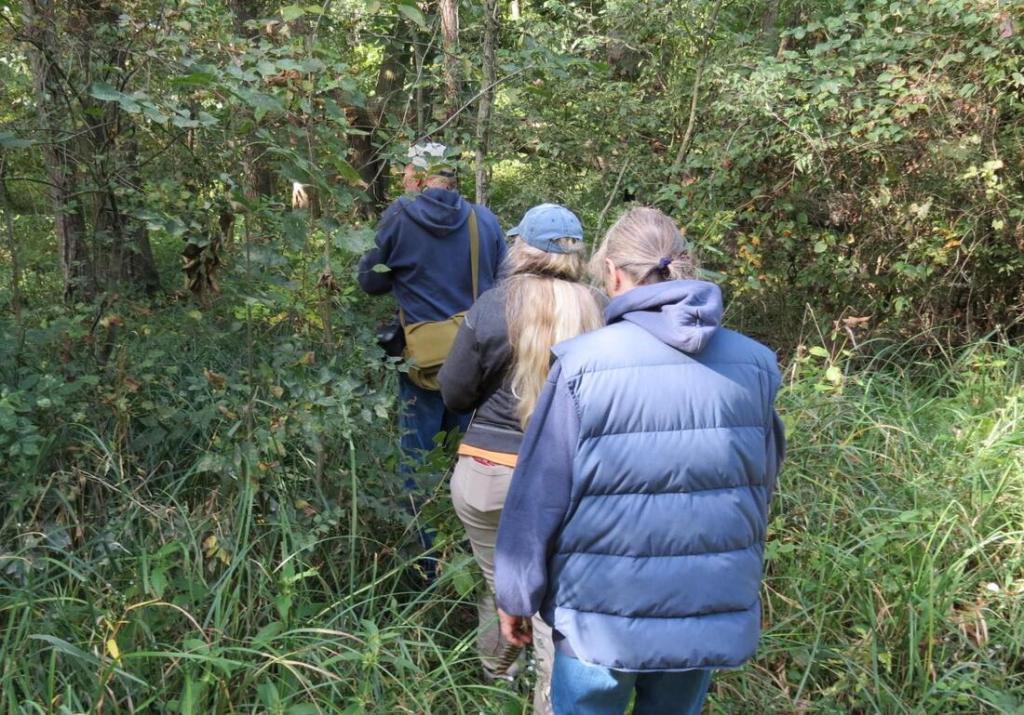
Hiking through the woods.
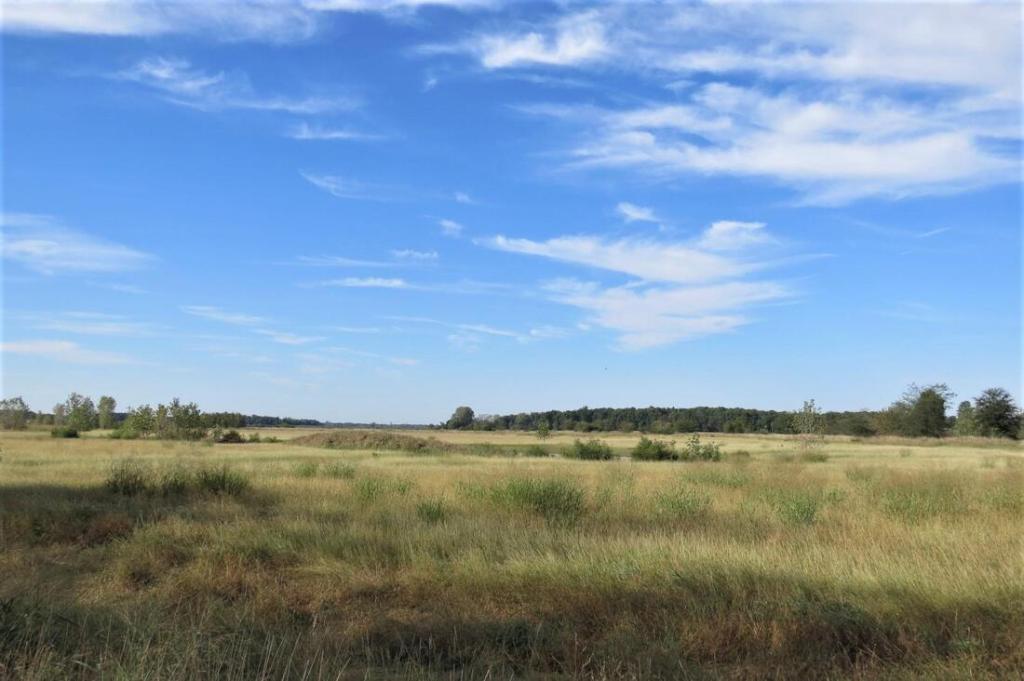
Sea of grass; this area was underwater in the spring of the year.
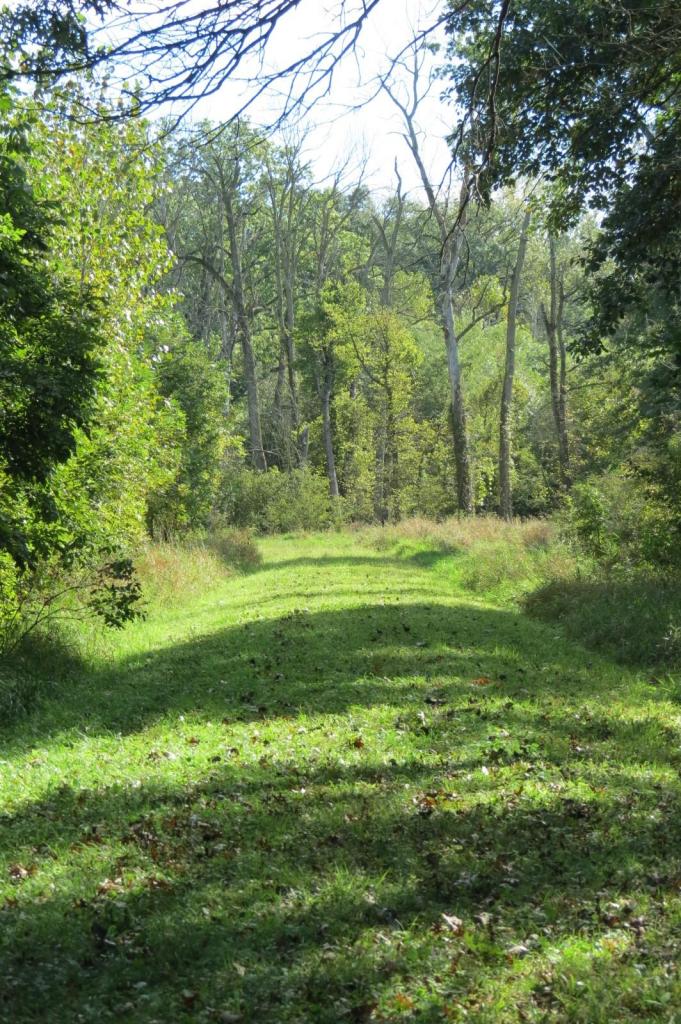
Levee Trail
We hope you have enjoyed your walk at the Limberlost Swamp Wetland Preserve. It is the largest of the preserves in the Limberlost Conservation Area.
The Marsh is marvelous, too marvelous for words. The grasses swaying in the breeze Put my heart and soul at ease. Each little bird with its song of cheer Brings to my heart a message dear. The eagle perched, or soaring in the sky, Brings to my mind the thought, Oh, that it could be I! Vultures, beautiful in their ugliness, Scavenge bodies in an acts of cleanliness. The birds and bees, The flowers and the trees Amidst the constant strife, Work in unison to spin the web of life. The Monarch, Buckeye, Viceroy, and Painted Lady Are spreading life where sunny or shady. The worms and bugs, The beetles and the flies, Perform a thankless job Upon which our life relies. The wetlands and the forests, The prairies and the hills And all the creatures great and small, Make you, Oh Lob, A sacred place for all.
By Adrienne Provenzano, Songstress of the Limberlost
Gene Stratton-Porter is better known as a naturalist, photographer, and author than as a poet. She enjoyed writing poems throughout her life and turned more and more to that genre in her later years. Field o’ My Dreams: The Poetry of Gene Stratton-Porter, is a comprehensive 2007 scholarly work by Mary DeJong Obuchowski, and a resource I’ve turned to many times, as it gathers all of Stratton-Porter’s known poetry along with insightful commentary. In recent years, former Indiana Poet Laureate, Shari Wagner, has shared her own poetry at the Limberlost and facilitated engaging writing workshops for children and adults, the results of which have been shared online by the Friends of the Limberlost
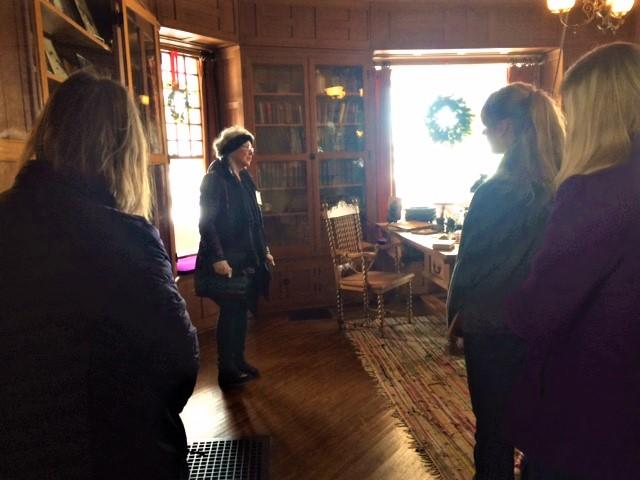
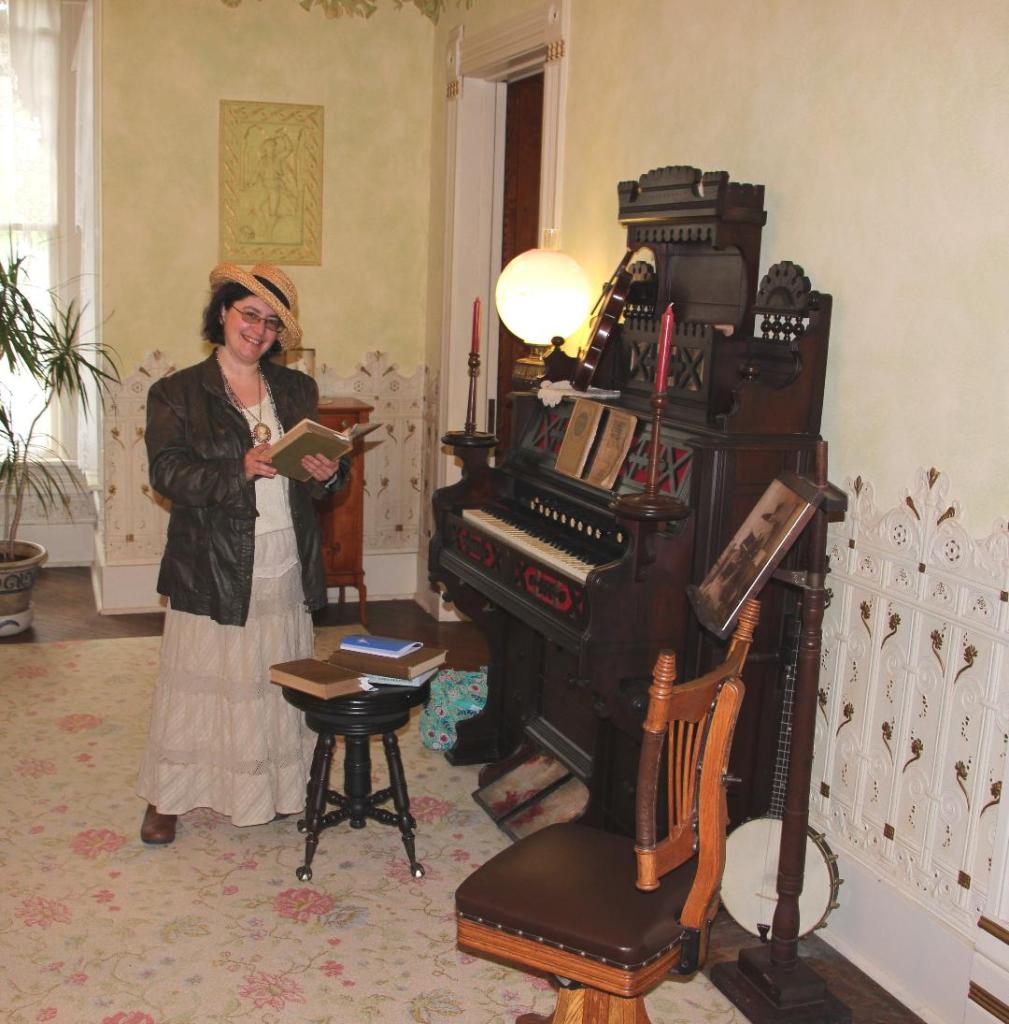
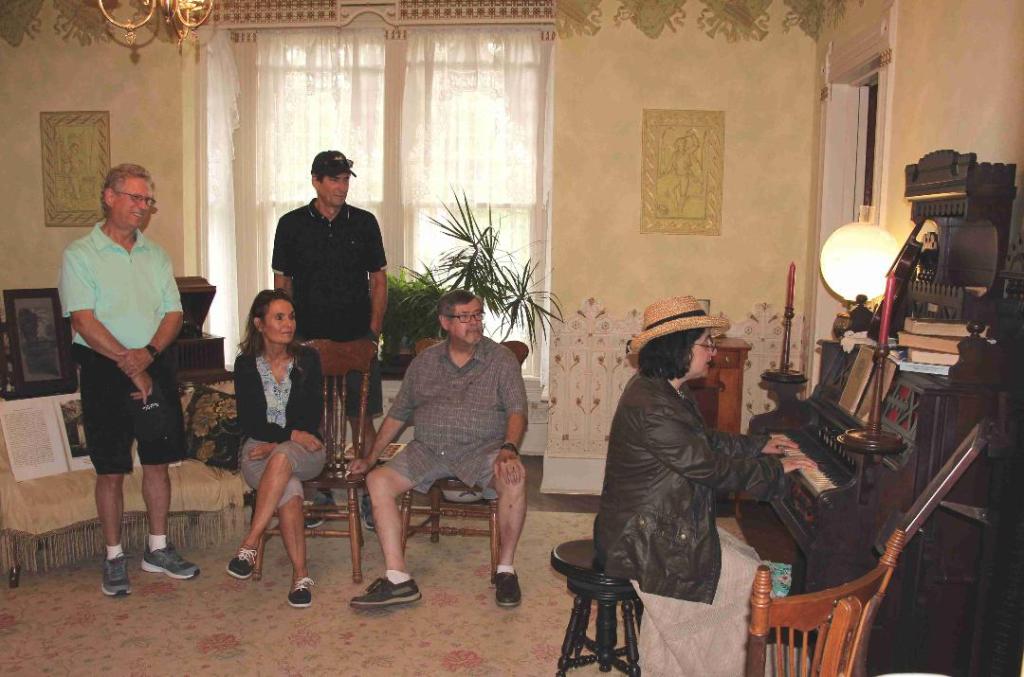
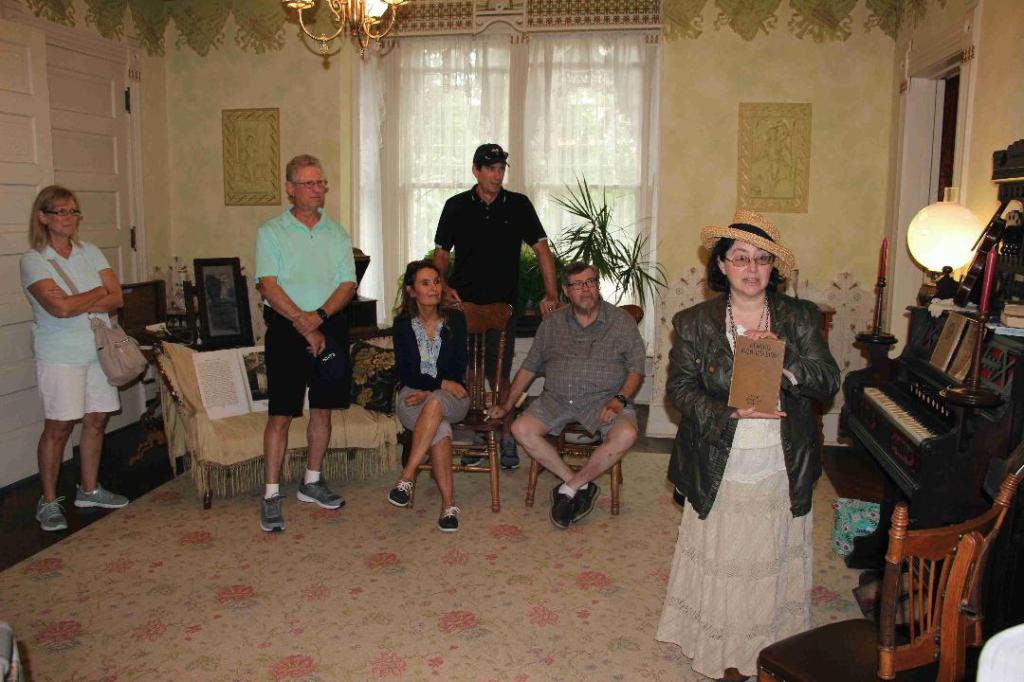
Last month, I had the privilege of portraying Gene Stratton-Porter at the Limberlost State Historic Site on what would have been her 156th birthday, August 17, 2019. I spent most of the day in the lovely music room of the Limberlost Cabin, speaking with tour groups and providing brief musical selections throughout the day.
I also asked for suggestions from visitors for words or phrases about nature. I planned to later combine these contributions into a collaborative poem and share it on the Friends of the Limberlost website and Facebook page. One of the visitors recited a poem “Be Like the Bird” which she recalled learning during elementary school. A most appropriate literary work to recite in the home of Gene Stratton-Porter, also known as The Bird Woman! Readers familiar with Freckles and A Girl of the Limberlost may recall that The Bird Woman is a prominent character in both novels by Stratton-Porter and Limberlost Cabin also plays an important part!
Below, I’ve included one of the many translations for the “Be Like the Bird” poem, written by French author Victor Hugo. While the original French refers to a male bird, I’ve also found translations which depict the bird as female, so I’ve included both options. The poem resulting from collaboration with visitors follows. Thank you all for keeping the spirit of creativity alive at Limberlost Cabin!
Be Like the Bird By Victor Hugo
Be like the bird who,
Resting in his (her) flight
On twig too slight,
Feels it give way beneath him (her),
Yet sings,
Knowing he (she) hath wings.
A Peaceful Place A Collaborative Poem by the Songstress of the Limberlost (Adrienne Provenzano) and Visitors to Limberlost Cabin, August 17, 2019
A peaceful place,
Beautiful trees and brilliant birds.
Colors of red and blue.
When the eagles fly,
They create a peaceful place for meditation.
Be like the bird.
Brilliant, beautiful.
Create a peaceful place.
Thank you to Bill Hubbard for the pictures taken on August 17, 2019.
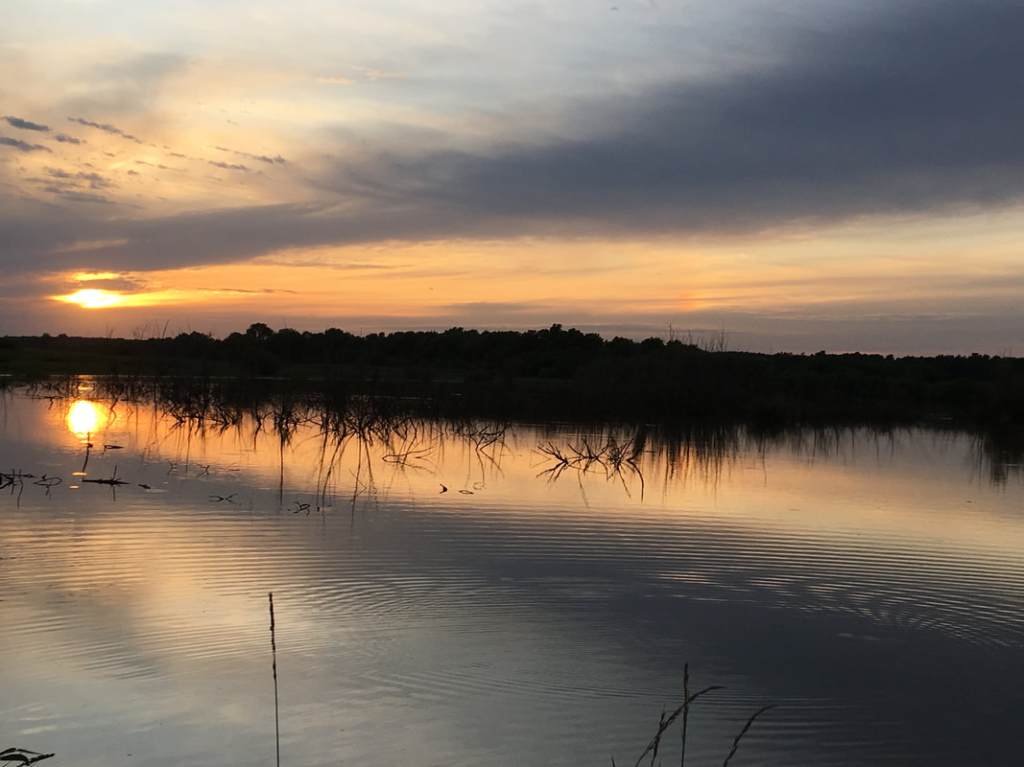
Sunset at the Loblolly Marsh Nature Preserve August 2019 by Terri Gorney.
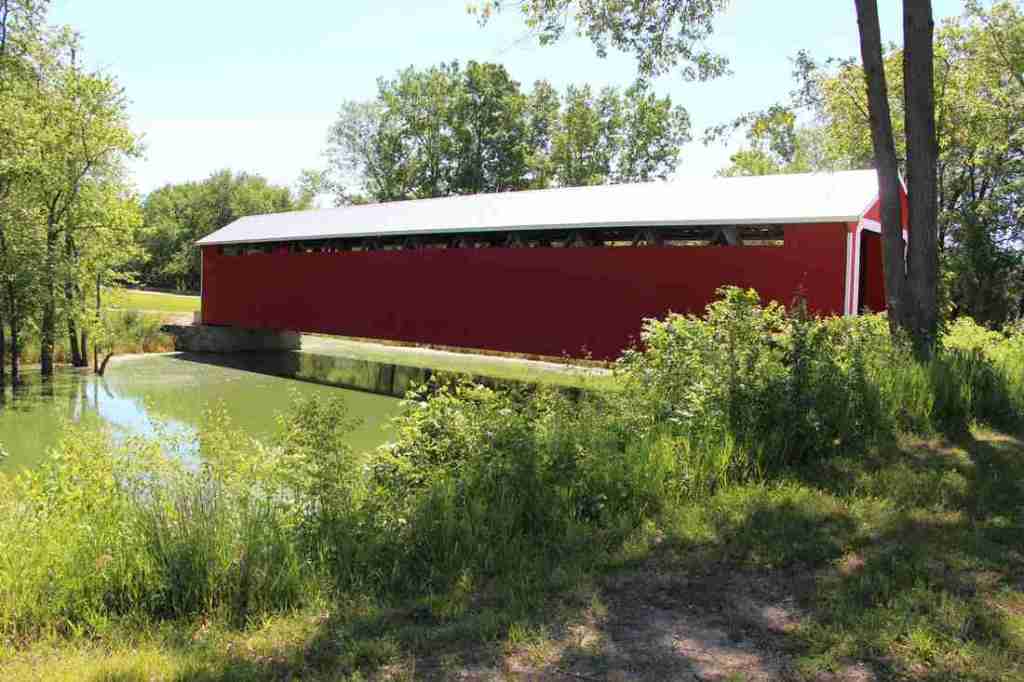
Ceylon Bridge, the last covered bridge on the Wabash River. Photo by Bill Hubbard.
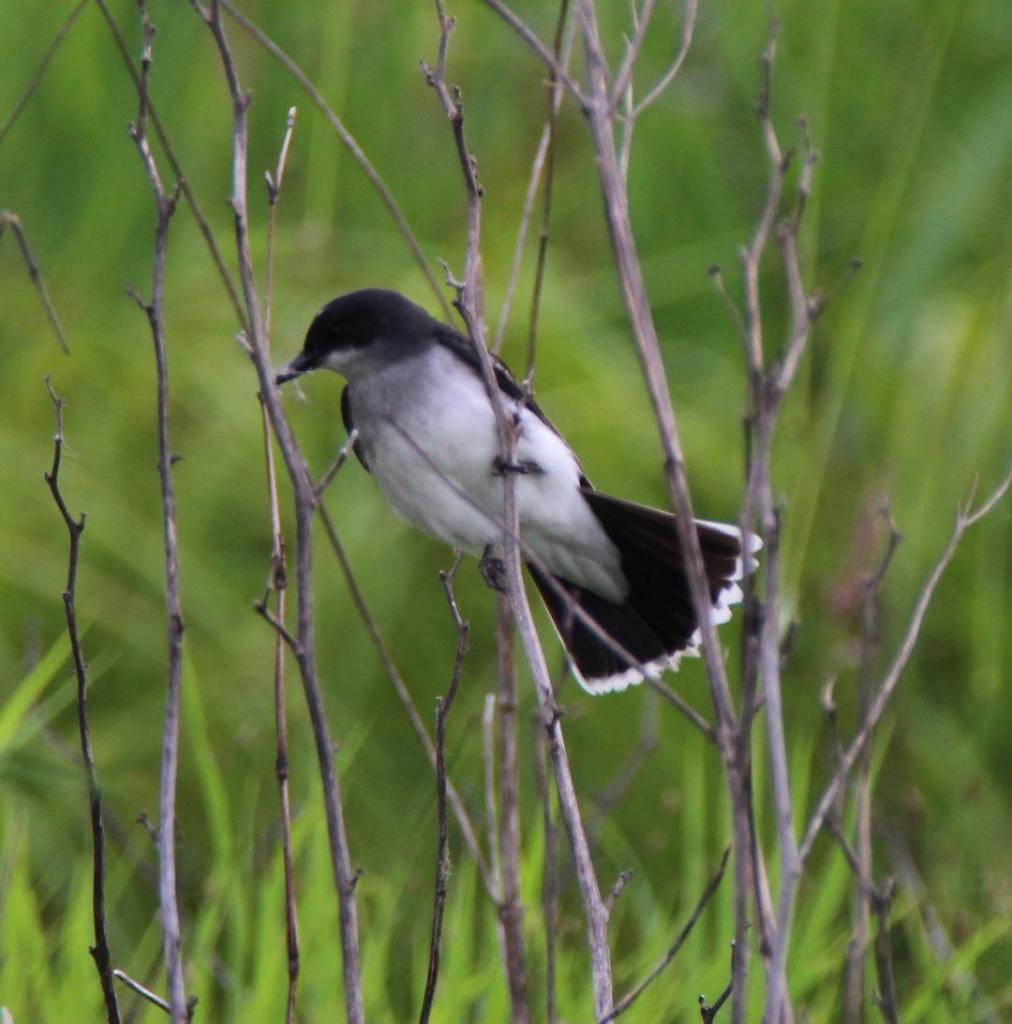
Kingbird. Photo by Bill Hubbard.
Bald Eagle. Photo by Bill Hubbard.
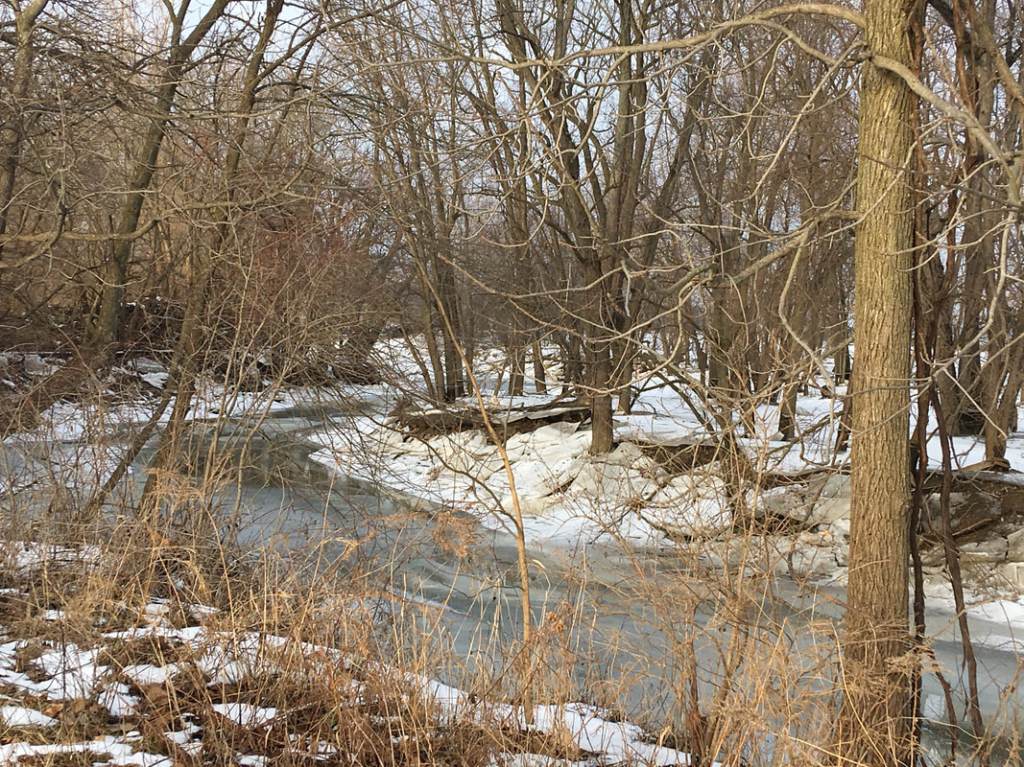
Wabash River, east side of Geneva. Gene Stratton-Porter called this area “Paradise on the Wabash.” Photo by Terri Gorney.


 Friends of the Limberlost