Review of Music of the Wild

Gene Stratton-Porter’s book Music of the Wild came out in October 1910. An early review was in the October 15 1910 issue of the Decatur Daily Democrat, p. 1-2. This review was uncovered by Terri Gorney. Below is part of that review.

Music of the Wild, the newest and we believe the most charming of all her nature stories, by Gene Stratton-Porter of Geneva, was offered by her publishers, Jennings and Graham of Cincinnati, October 1st. It is the sweetest, most inspiring, interesting and lovable story of nature we have ever read, and we believe that all who read it will agree with us. For a week we have enjoyed this new book—mark you—-enjoyed it, and we expect to re-read it and then read it to the children. No one can glance through the book without becoming interested, and if you study it, you will become not only a lover of nature, but a sincere admirer of the writer, for her work is marvelous. She has done wonders and is rapidly becoming if not now, the foremost nature writer of the country and the age……

On the title page appears the following: “Music of the Wild, with reproductions of the performers, their instruments and festival halls.” these reproductions include 120 pictures of birds, insects, animals, flowers, trees and familiar haunts of the wild. The book is in three parts, namely, “The Chorus of the Forest,” “Songs of the Field,” and “Music of the Marsh,” and we believe a short review of each will be appreciated by our readers.

She begins the “Chorus of the Forest,” by comparing the woods to a Cathedral, where the unsurpassed tree-harps accompany the singers in natures’ grandest anthems, and says it is the place for “all brave and happy hearts to go and learn the mighty chorus.” She tells of the trees, mighty and small; of the flowers, beside which their hot-house relatives cannot compare in beauty or in delicacy of color….

The writer is a true nature lover, and thinks the occupants of the forest, the bees, the birds, the animals, the flowers and the trees too precious to be ruthlessly destroyed. …..

“Songs of the Fields,” the second part of the book, is possibly more entertaining than the first. While the forest is called the Temple of God, the fields are the amphitheater of man. The old farm, forest guarded, resounding with bird song and tramped with scudding feet, have two owners—man who pays the taxes and the woman with the camera, and an eye for the beauty of the landscape. White others have sung of various flowers, Mrs. Porter’s favorite is the dandelion, and she says that if we had to import them at five dollars per, all of us who could wold grow them in pretty pots. Other flowers of the field are described, the skylark which the authoress calls the earth-born singer is given a share of pretty description. Even the hop-toad is described in language so well chosen that it converts the reader from the old idea that it causes warts…….

Through all the book, the writer shows her real love for the Limberlost land, with which does not even compare the streams of India’s golden sands, Italy’s mountains or England’s meadows. She follows the little stream through the Bone’s woods, the Rayn farm and singing into Schaffer’s meadow and on through Grove’s fields, where it rushes into the Wabash River….. [This area in part two “Songs of the Field” is now part of the Music of the Wild Nature Preserve].

“Music of the Marsh,” the third part begins with:
“Come with me and you shall know
The garden where God’s flowers grow;
come with me and you shall hear,
His waters whisper songs of cheer”….

Adams County has a right to feel proud of Gene Stratton-Porter and her splendid work, and we believe that every man woman and child within the borders of this old shire, at least those who know her and have read her beautiful nature books, are not only indebted to her, but they love her and the work which brings them closer to nature’s wonders.
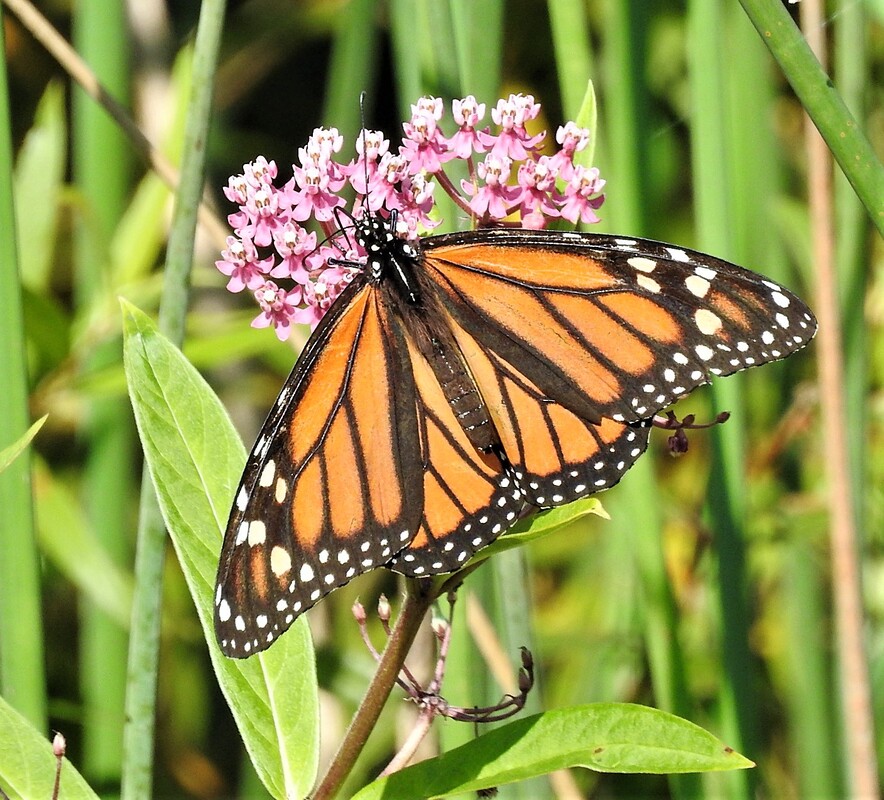
Monarch on milkweed
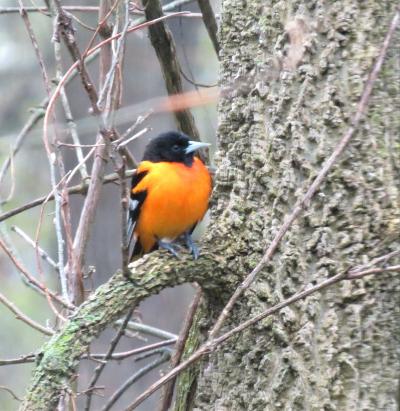
Baltimore oriole. Photo by Randy Lehman.
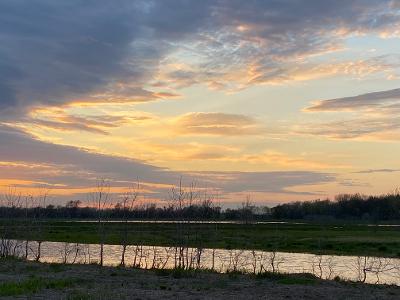
Skies at dusk over Limberlost Swamp Nature Preserve.
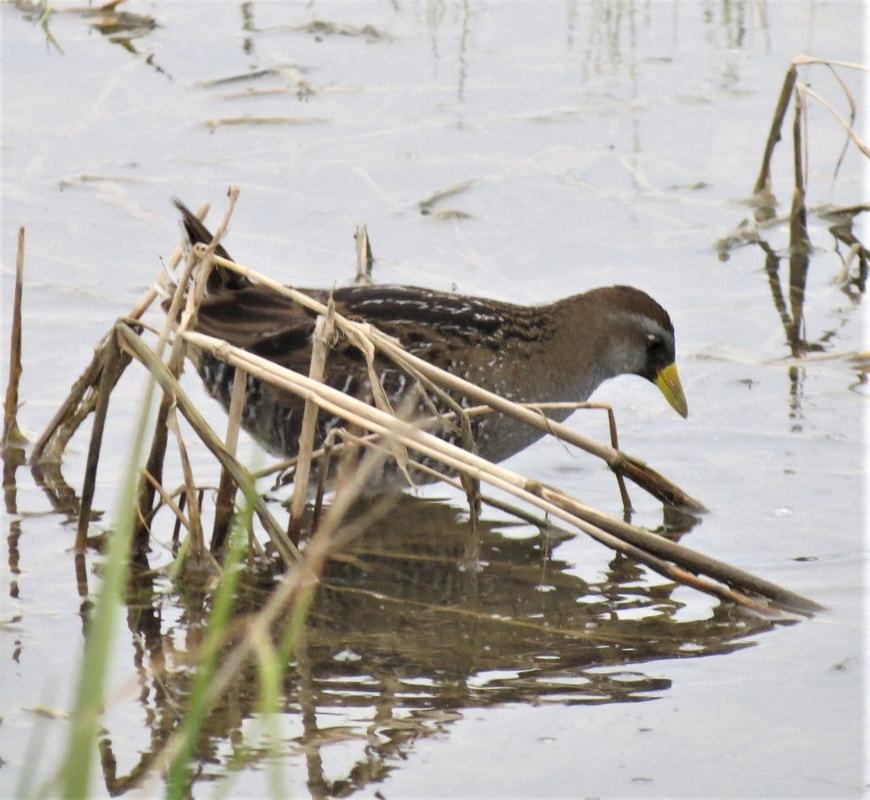
Sora at Limberlost Swamp Wetland Nature Preserve. Photo by Randy Lehman.
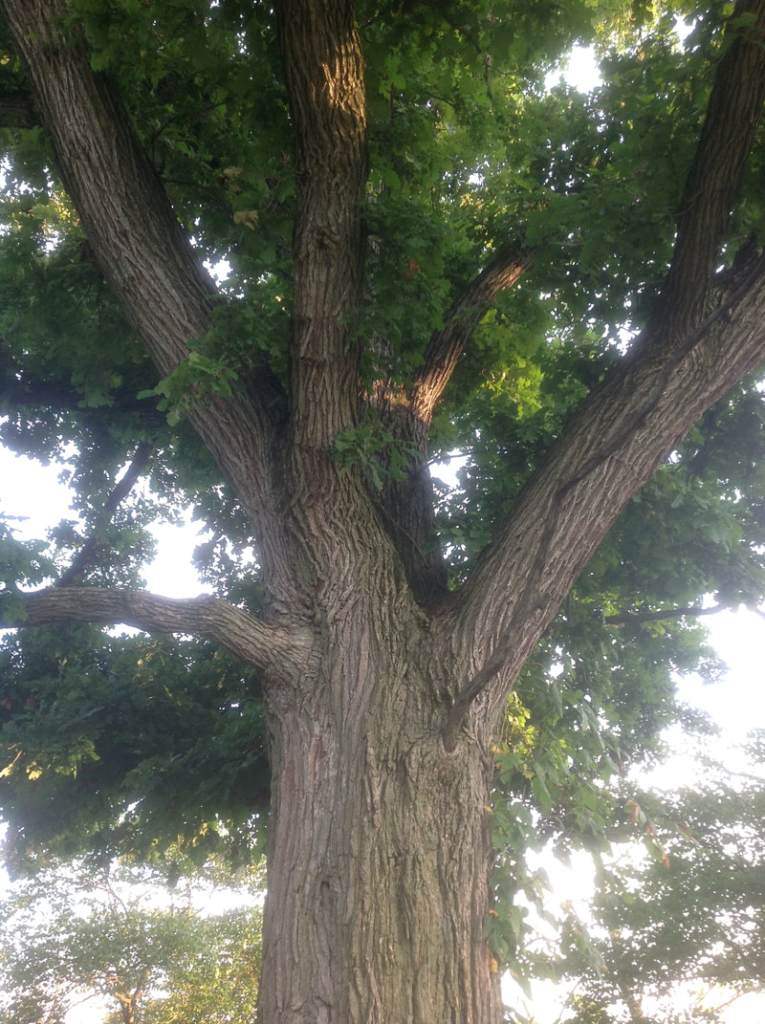
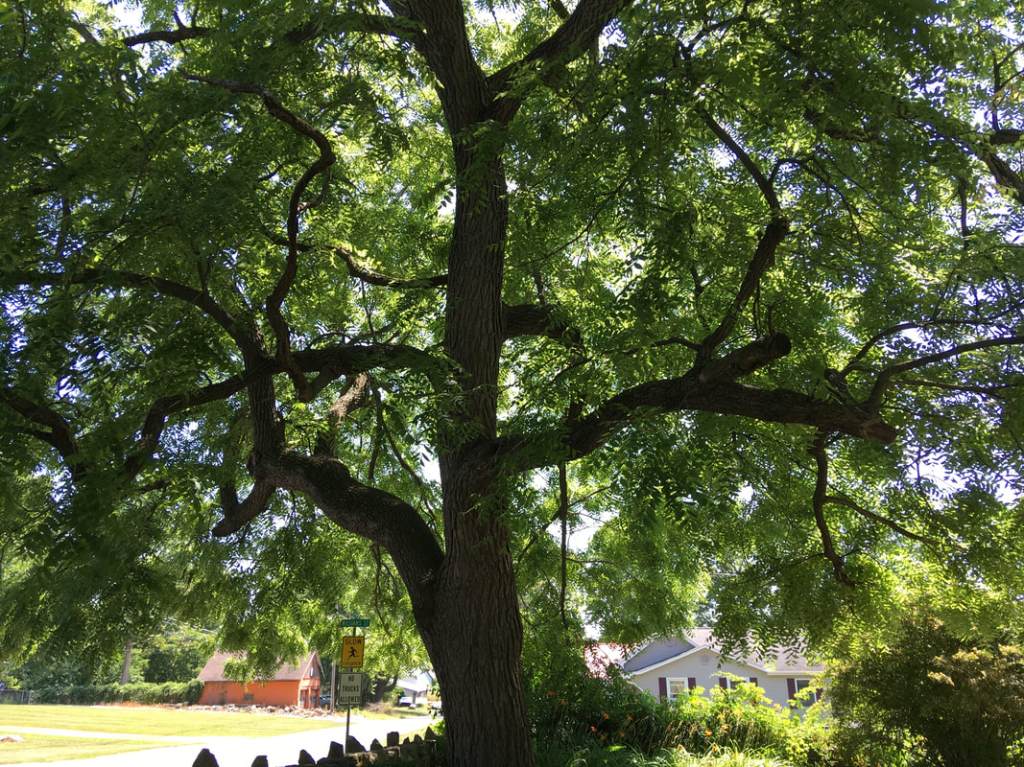
Could Gene have rested under this tree on her tramps through the Limberlost?
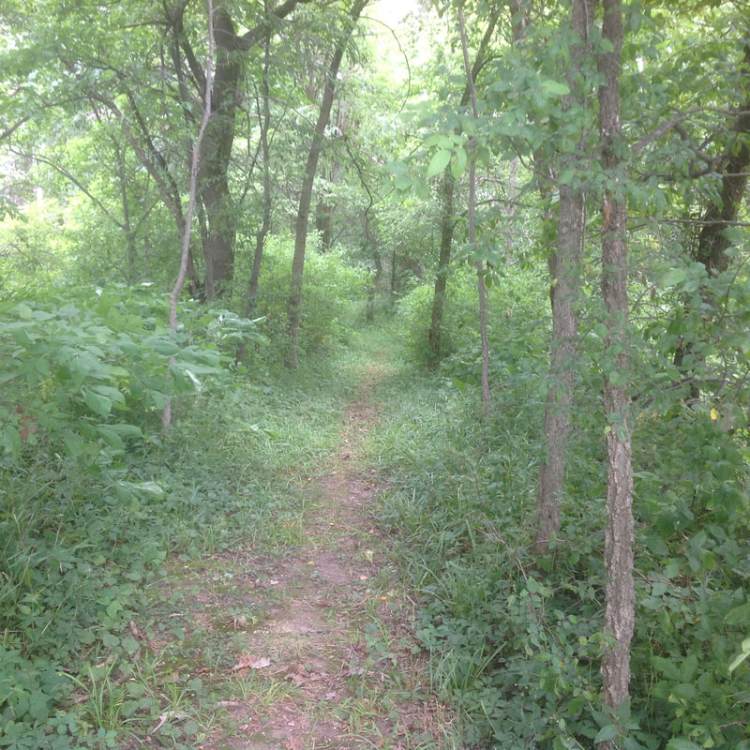
Trail at Music of the Wild Nature Preserve.
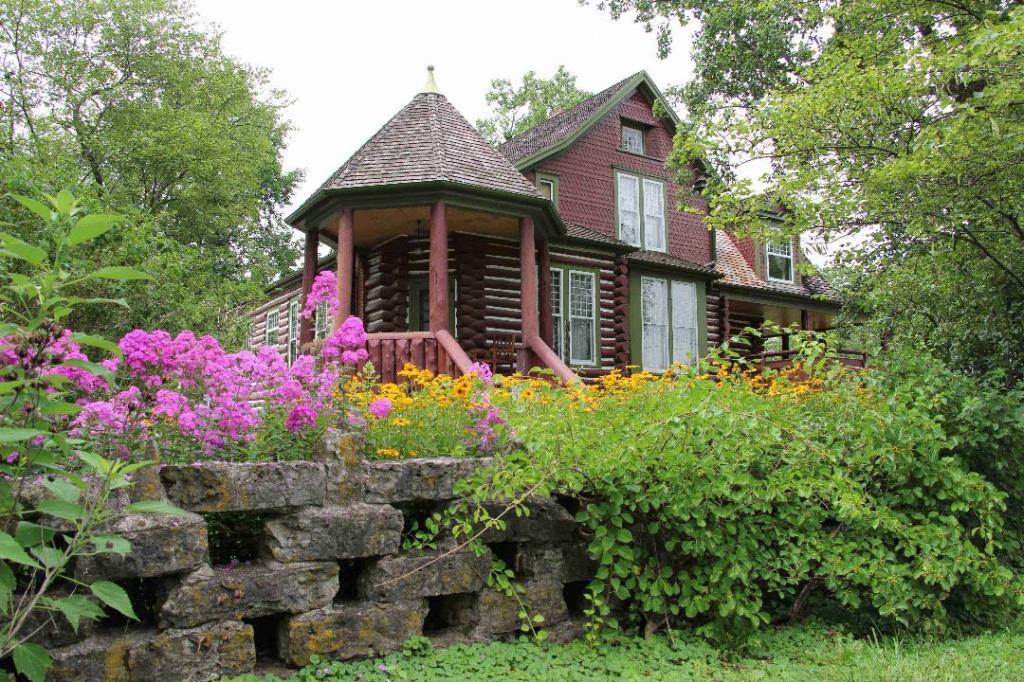
Newcomer Discovers Limberlost

Curt Burnette has been writing the Limberlost Notebook column for the Berne Witness since the fall of 2012. This is a look back at one of his first columns.

Wherein a newcomer discovers the whole can be greater than the sum of its parts

​By Curt Burnette

Gene Stratton-Porter introduced the Limberlost to the rest of the country in her first book, The Song of the Cardinal. Her next book, Freckles, brought her readers back to the Limberlost and introduced the Birdwoman and the fictional stand-in Geneva – Onabasha. It was her fourth novel, A Girl of the Limberlost, which made the Limberlost famous around the world. Inexpensive reprints of Freckles and Girl were sold in the U. S. and abroad. Average people were transported to the Limberlost no matter where they lived. Gene received letters from such far-flung places as China, Australia, and South Africa, and every corner of the United States. The Limberlost had become legendary.

But by the time it had become famous, it was also mostly gone. oil production, timber removal, and agricultural needs led to the destruction of the once 13,000 acre Limberlost. After Gene’s death in 1924, her popularity and influence waned, but she was not completely forgotten. The Limberlost Cabin in Geneva was preserved as an historic site on December 31, 1946. And although Gene and the Limberlost are gone, the Land of the Limberlost remains.

The citizens of the Land of the Limberlost are small town folks with big ideas. It didn’t take me long to realize this after I began my job at the Limberlost State Historic Site as the naturalist. I saw a committed support group, the Friends of the Limberlost, working to keep the Limberlost Cabin an important part of the community and vital to the tourism of the area. I saw this same group, through the Limberlost Remembered Committee, working with Nature Preserve (a division of DNR) and the local agricultural community to restore flood-prone farmland back to Limberlost wetlands. I also saw a nice 4000 square foot welcome center under construction. there sure was a lot happening in this small town!

Something special is going on It isn’t just that there are currently over 1500 acres [now around 1700 acres] of nature preserves in the area. A lot of places have natural areas around them. It isn’t just that there is an historic home in a picturesque small town. There are historic homes in many small towns. It isn’t just that this is a place where a very famous Hoosier author lived for many years. There are plenty of places where famous people have lived. So just what is it that is so special?

It is all of the above taken together. What I see happening is a version of the old saying that something can be of greater value than the sum of its parts. Each of the things mentioned above are nice, but taken separately aren’t all that special. But when convinced they rise above the ordinary. Not many places have nature preserves surrounding a town that has a fine historic home of a famous author, a beautiful welcome center, and dedicated staff and volunteers committed to the excellence of these facilities. That’s what’s so special. Nice job folks! You are the reason the whole (the Land of the Limberlost) is greater than the sum of its parts.

Limberlost Cabin. Photo by Bill Hubbard.

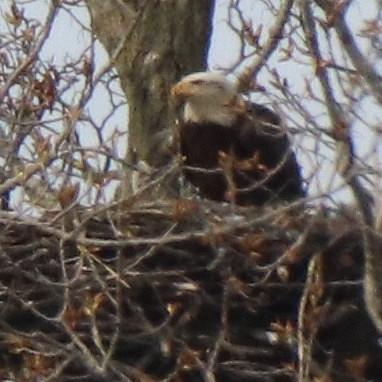
Bald eagle on nest spring 2020. Photo by Bill Hubbard.

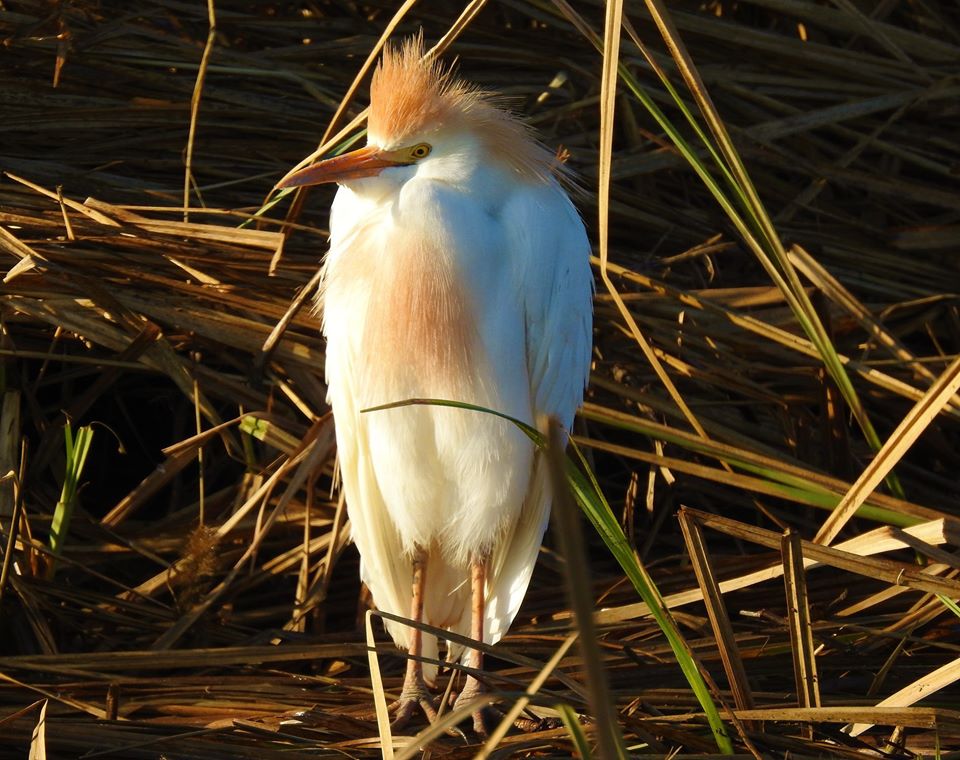
Cattle egret at the Limberlost Swamp Nature Preserve in the spring 2020. Photo by Curt Burnette.

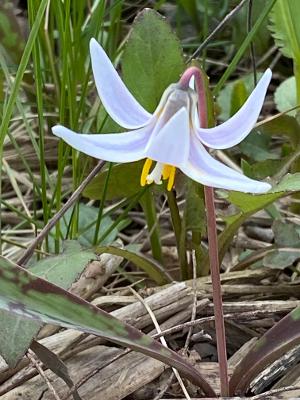
Trout lily at the Munro Nature Preserve, which was once part of the Charles and Gene Stratton-Porter farm. Photo by Terri Gorney.

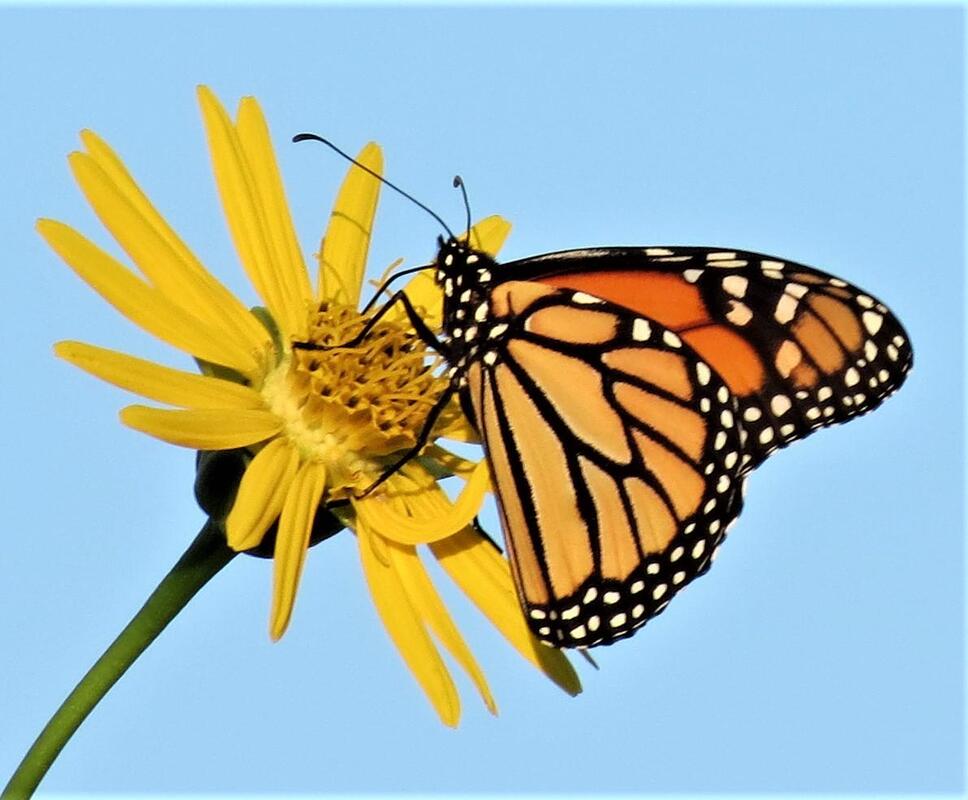
Monarch on prairie dock at the Loblolly Marsh Nature Preserve. Photo by Randy Lehman.
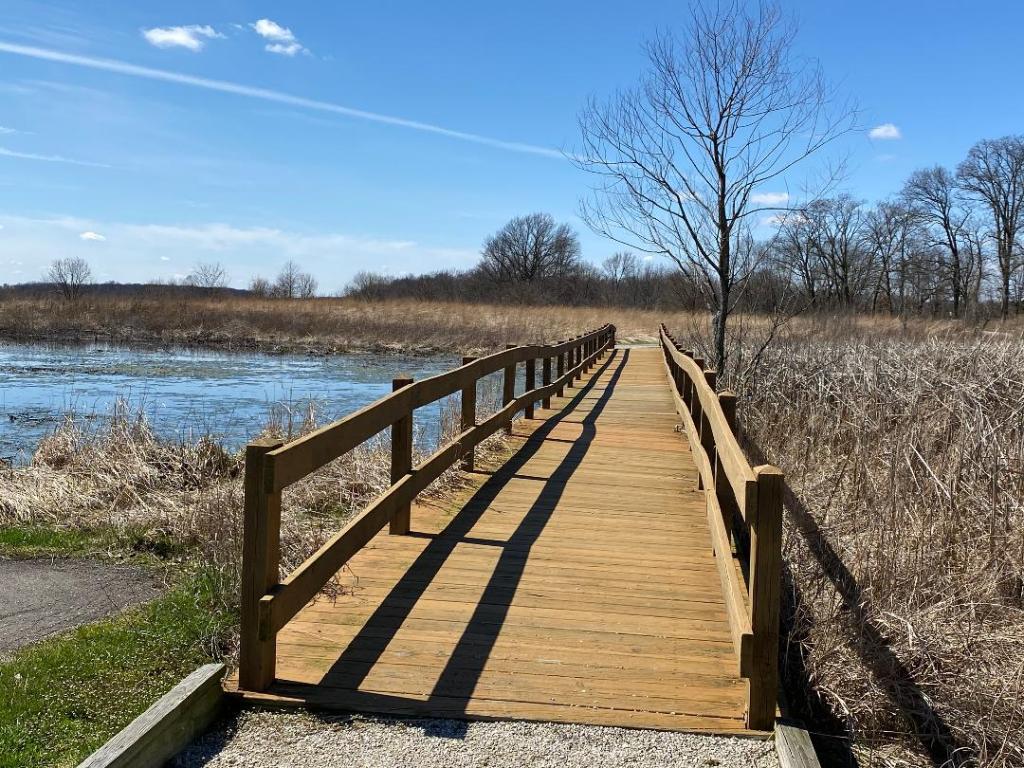
Veronica’s Trail at the Loblolly Marsh Nature Preserve.
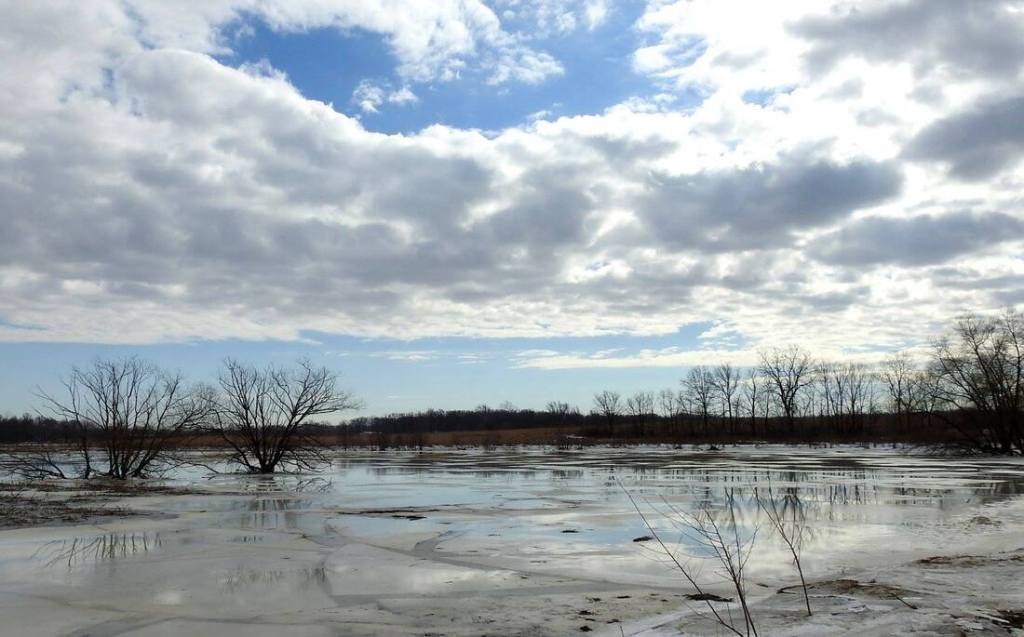
Loblolly Marsh in early spring.

Earth Day is Every Day!

By Adrienne Provenzano

The Bird Woman seeks and the Bird Woman finds.
The Bird Woman looks with her heart and her mind.
The Bird Woman hopes and the Bird Woman waits and waits.
Till something wonderful happens!
Like a butterfly emerging from its tight cocoon.
Or bullfrogs leaping in the heat of June.
Like a heron flying in a soaring arc.
Or a moth making motions in the evening’s dark.
The Bird Woman seeks and the Bird Woman finds.
The Bird Woman looks with her heart and her mind.
The Bird Woman hopes and the Bird Woman waits and waits.
Till something wonderful happens!
She snaps a picture and captures a scene.
When the ground is white, or the ground is green.
When the sky is clear, or the sky is cloudy.
Then she takes her treasures home, till another day dawns.
She takes her treasures home, till another day dawns.
The Bird Woman seeks and the Bird Woman finds.
The Bird Woman looks with her heart and her mind.
the Bird Woman hopes and the Bird Woman waits and waits.
Till something wonderful happens!
And something wonderful, something wonderful,
Something wonderful always happens!

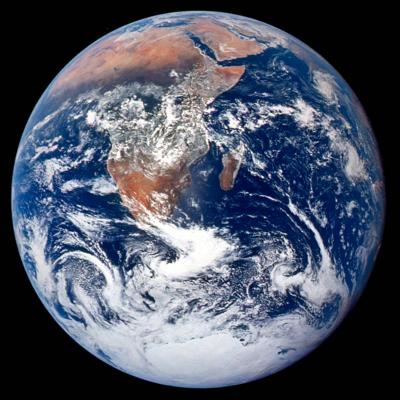
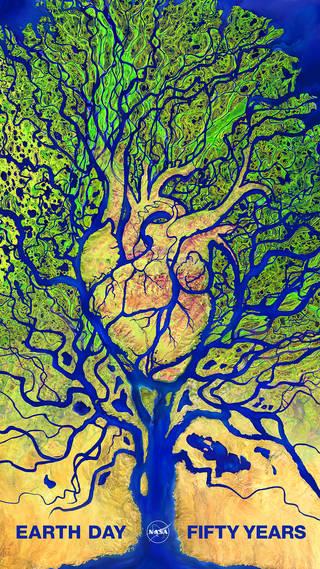
Gene Stratton-Porter understood the Earth as an ecosystem, long before that term came into use. She appreciated the natural world using all her senses. Wednesday, April 22, 2020 is the 50th Anniversary of Earth Day, and event established to celebrate our planet. Our global home. Whether you call it the Pale Blue Dot, the Blue Marble, Spaceship Earth, or something else, we all share time and space on this unique place.

I wish everyone a Happy Earth Day! Here are few ideas for what you might do to celebrate. Check out www.nasa.gov/earthday and https://nasa.gov/content/earth-day-2020-50th-anniversary-toolkit, as well as www.earthday.org for lots of images, videos, educational resources, and information. Look for Gene Stratton-Porter’s fiction and non-fiction works online. Go on a journey with a story by a Friend of the Limberlost, like Bill Hubbard’s new online book “Billy Jim Explores The Limberlost (free under the Resources section of this website!) or (re)read one of Ken Brunswick’s books, or browse through whatever nature book you’ve been planning to get to “someday.” Catch up on reading the Friends of the Limberlost newsletters and blogs. Enjoy the photos and videos on the Friends’ Facebook page. Spend a little time in nature, in the Land of the Limberlost wherever you are.

Adrienne Provenzano is a Friend of the Limberlost, Advanced Indiana Master Naturalist, and volunteer NASA Solar System Ambassador.

Earth as seen from Apollo 17

Earth as seen from Apollo 8

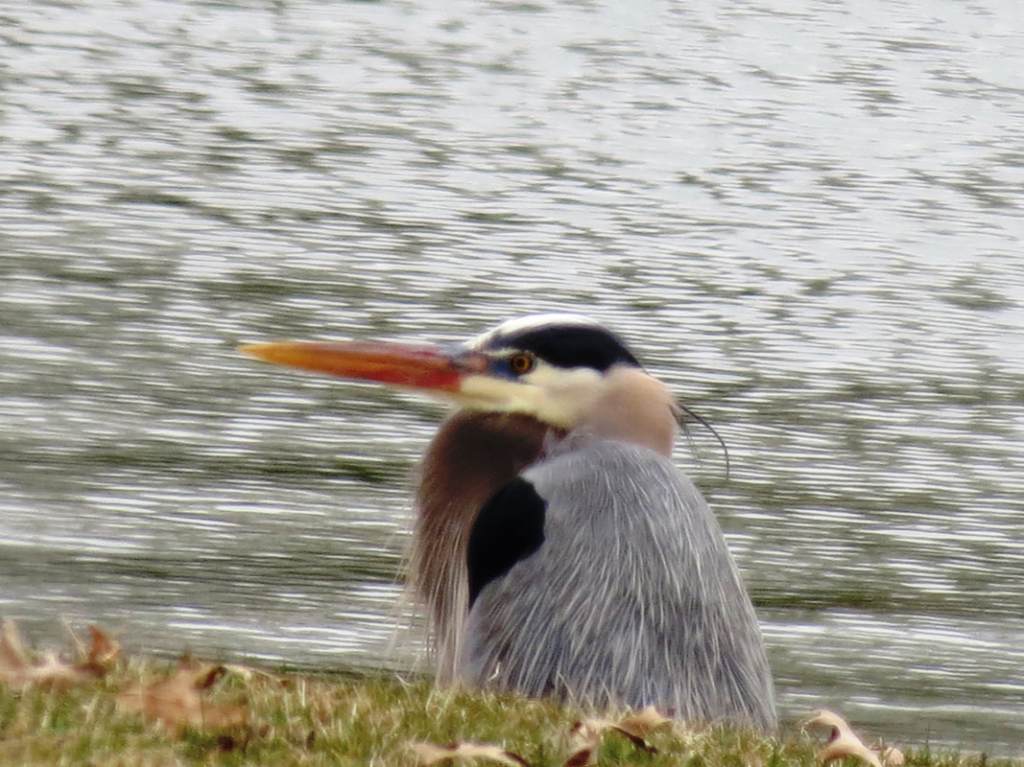
Great Blue Heron. Photo by Randy Lehman.

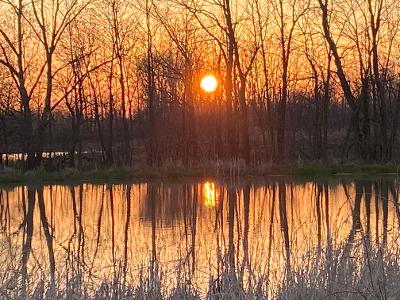
Sunset over wetlands in Geneva on April 17 2020 by Terri Gorney.

Gene’s Music of the Marsh

Gene Stratton-Porter wrote about the Limberlost Swamp in her non-fiction book Music of the Wild. In the third section, she writes about the Music of the Marsh. She describes scenes that we see today at the Limberlost Swamp Nature Preserve, Loblolly Marsh Nature Preserve, Rainbow Bottom and Music of the Wild, the preserve named for this book. These preserves were all once part of the Limberlost Swamp, now called the Limberlost Territories.

Enjoy Gene’s words with photographs of today.

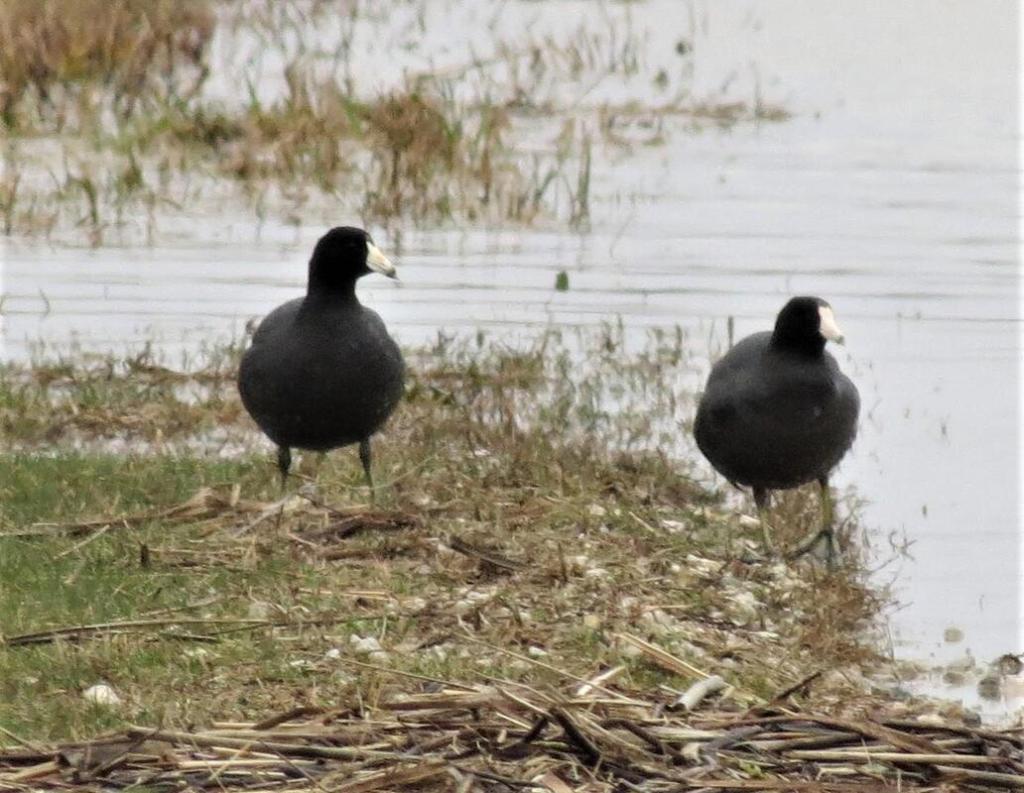
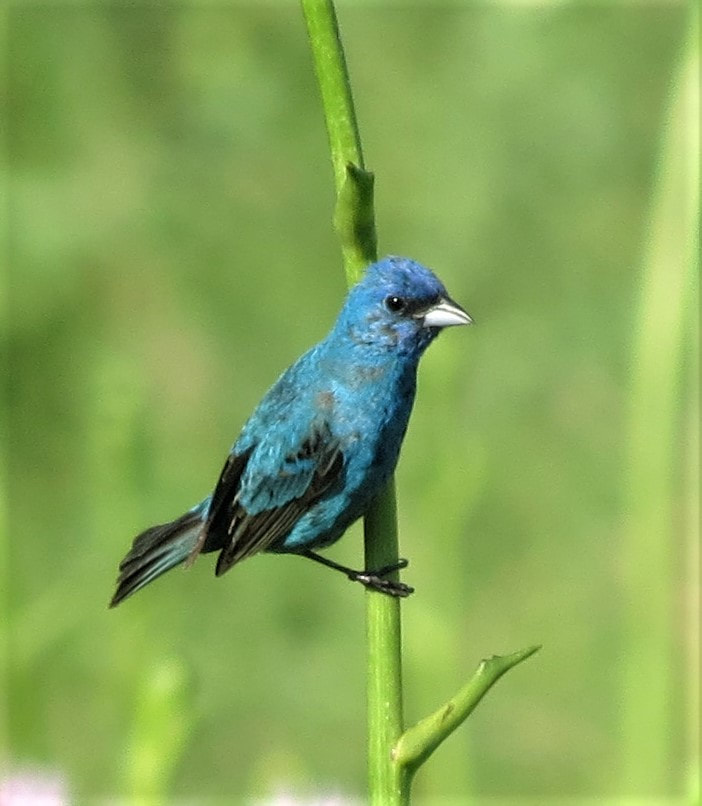
“I have seen coots running throughout a season in this swampy corner of a marsh, and it is as nearly typical of their location as any I know. The muck of such places is alive with worms, the grasses with insects, and the surrounding vines and bushes bear seed. It seems that birds of any habit might flourish there, and indeed I often have seen a little red-eyed vireo so busy in these bushes that I mam sure there was a nest and family, and when I landed and worked my way into the marsh I scared up a female Indigo finch [now known as an Indigo bunting] and soon found her nest in a thicket of blackberry and wild grape.”

Coots at the Limberlost Swamp Nature Preserve. Photo by Randy Lehman.
Male Indigo bunting.

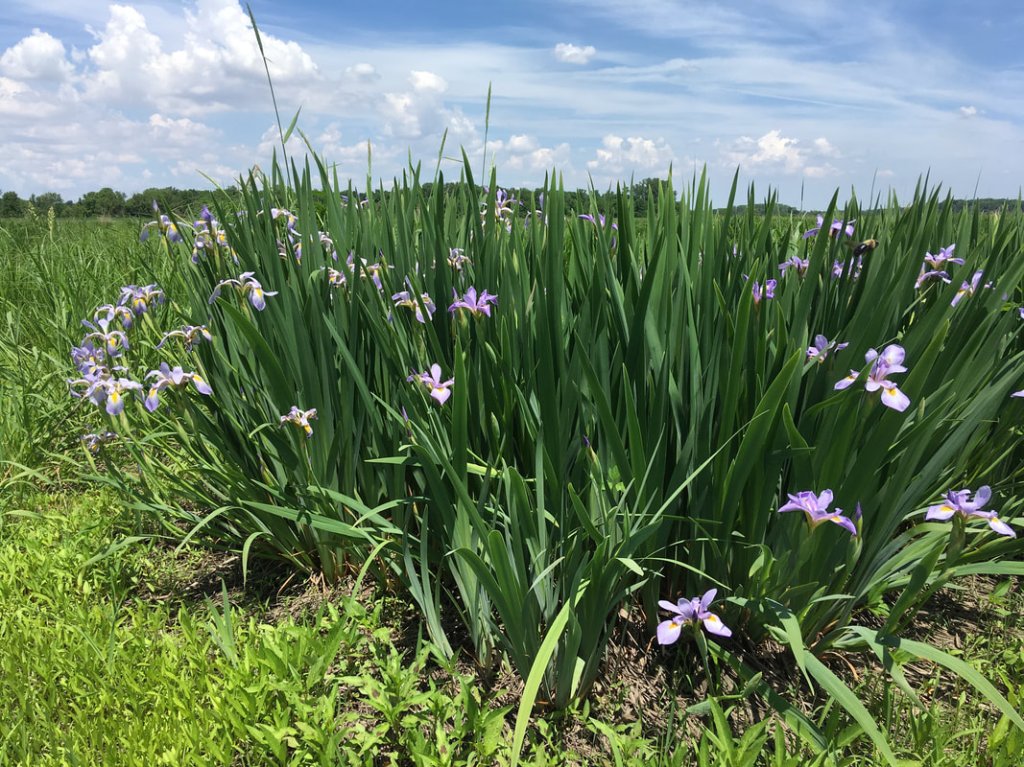
“The five typical flowers growing in the water of the outer edge of all other vegetation are the arrowhead lily, blue flag, yellow lily, water hyacinth, white water lily, and differing members of their family. They are all beautiful plants of fine leaf and exquisite bloom; and there are some who will prefer one, and some another. My choice is the arrowhead, not only of marsh flowers, but among any, it ranks well toward first with me.”

Blue flag at the Limberlost Swamp Nature Preserve. Photo by Terri Gorney.
Arrowroot at the Limberlost Swamp Wetland Preserve.
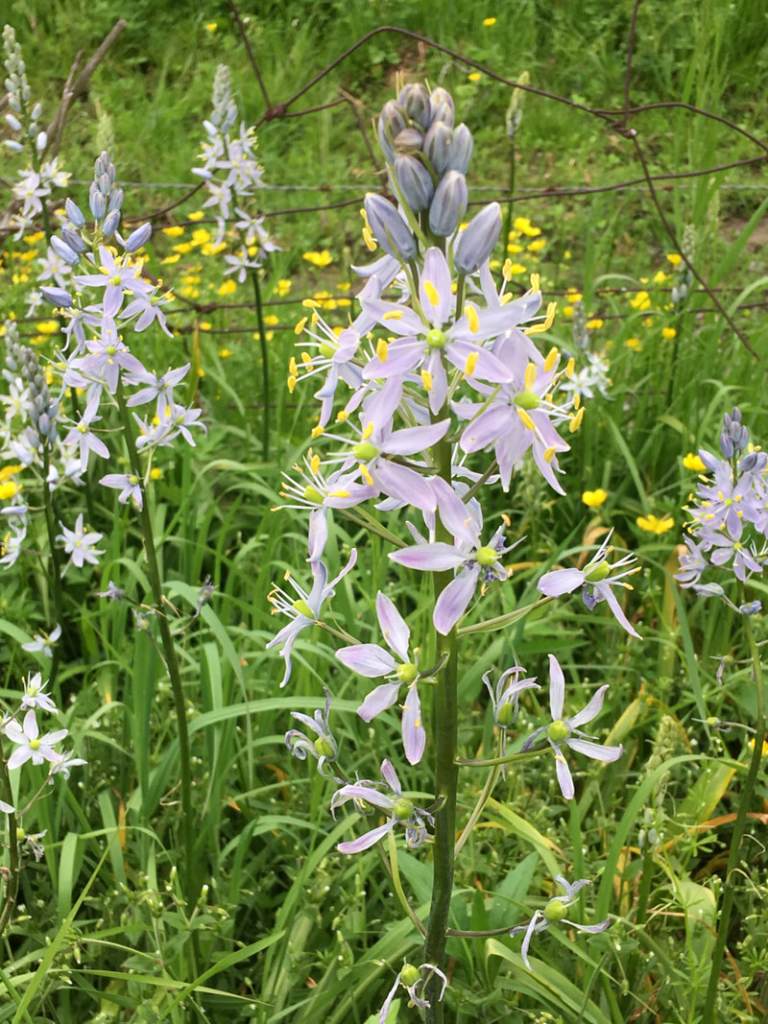
Wild hyacinth growing in a ditch on an Amish farm. Photo by Terri Gorney.

Poetry by L. A. Dubay

This week’s featured poet is L. A. Dubay. L. A. Dubay is a Certified Therapeutic Recreation Specialist in Fort Wayne Indiana. She has a rewarding job working with people with disabilities. Her mission is to help people achieve their goals through recreation and leisure.
Mother Tree

mother tree
shelter
natural shelter
spider and web
moth and gnat
nature’s shelter

mother tree
humans within
unnatural
her head first
him feet first
a breech

mother tree
breech
unnatural act
in a natural setting
we plundered her
searching for sensation

Haiku

The cracks so remain
crevices of the river
rerouted for man

the lizard tail plant
filled with holes of the hungry
bugs that carry on

The Wabash River at Rainbow Bottom

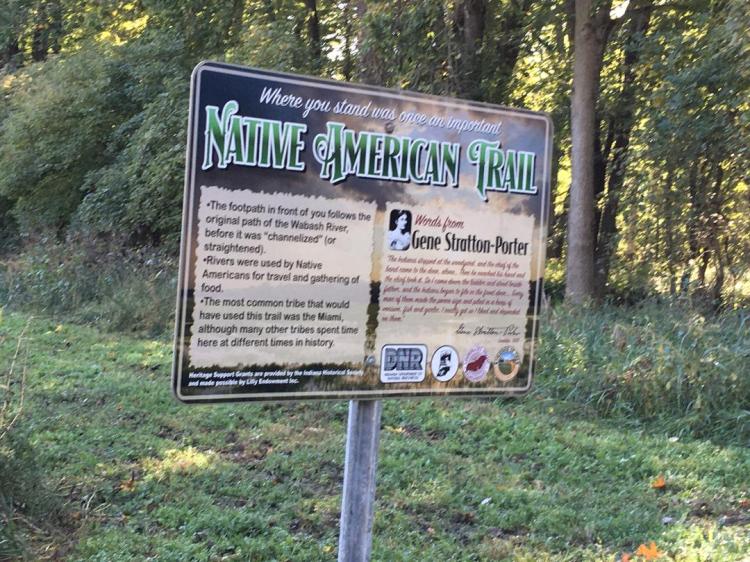
The Indian Trail

The Indian Trail
traders, hunters passage
into White-y world
Oh, how she came to welcome them
Oh, how they became unwanted
Oh, how their land and their wares were wanted.
The Indian Trail
poets, writers trespass
into Indian history
Oh, how they came to write
Oh, how they became curious
Oh, how they mourn and their hearts weep.

Savages, really.

The Way (it never was)

Rich in heritage and culture
The Indian way
The trail
The tears.

We relish the memory
wiped out
Relished
too late.

Signs
Native heritage
learn about the way
it never was.
Learn about the way
white crime lies.

Poetry by Michael Brockley

Michael Brockley is this week’s featured poet. He is a retired school psychologist who worked for 33 years in Adams and Wells Counties. His poems have appeared in such publications as Flying Island, Tipton Poetry Journal, Clementine Unbound, Panoplyzine, Jokes Review, Third Wednesday, Atticus Review, and Gargoyle. In addition, Visiting Bob: Poems Inspired by the Life and Work of Bob Dylan and Local News: Poetry about Small Towns are among the anthologies which have included Brockley’s work.

The Poet Regrets Retirement While Studying a Raccoon Skull by the Side of a Trail at the Base of a Hollowed Out Sycamore Tree

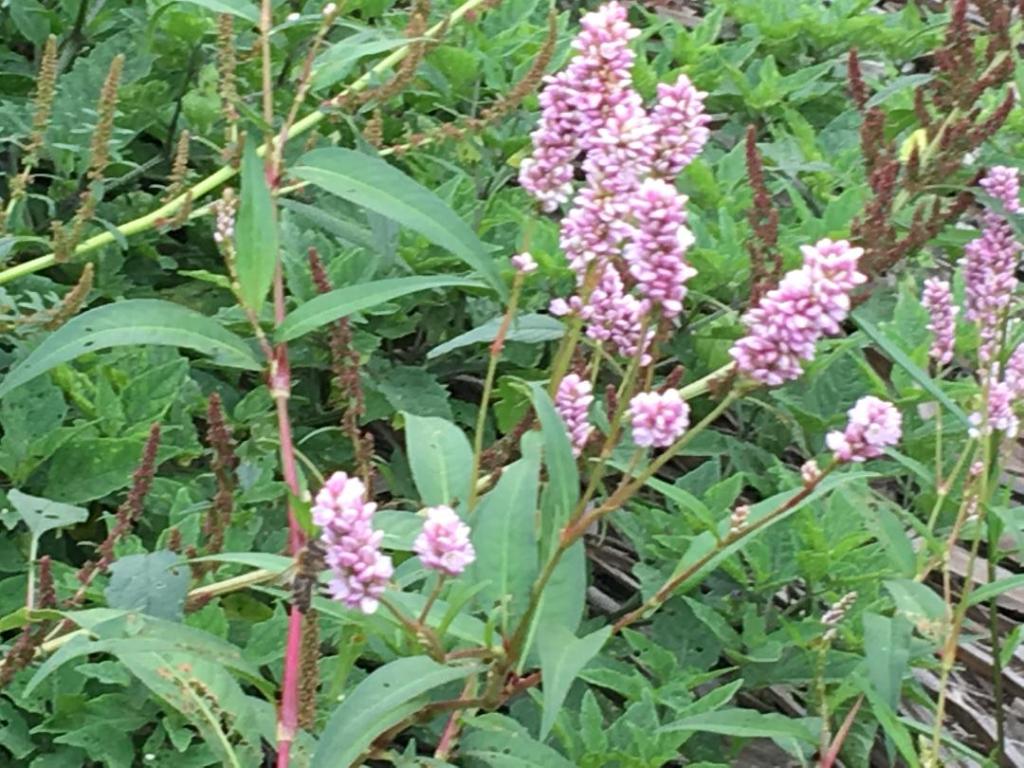
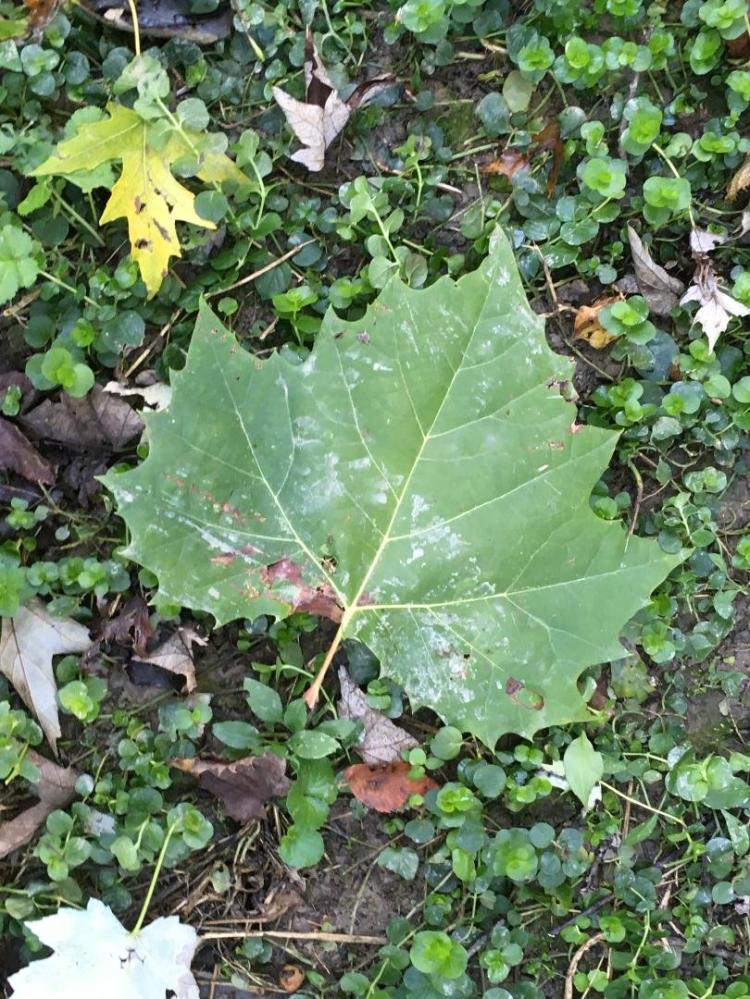
I eavesdrop on tourist conversations about dowsing for water and a ghost town haunted by a stage coach driver hanged by a mob. The raccoon skull I dragged from the sycamore is pale, scoured by the way time ravished and raises life on a flood plain. The eye sockets are empty. My career has vanished into the memories old men carve into their erratic moods. Anagram puzzle solutions and the definition of “pinwheel” stored now among madras shirts and scenes from the Man with No Name movies. I examine the emptiness in the dead mammal’s skull. The slope of the brainpan long and shallow for a creature so clever. Among our group, the trail guide catalogs plant names, companions for my trip back to a drafty house on a street not named for a saint or an outlaw. Reed canary grass, lizard’s tail, smartweed. I watch my finger pass behind a clearweed stem while my shadow falls across the plant’s path. Late caterpillars cling to wild cucumber leaves. In the morning, I will awaken to abandoned agendas from the due dates of my working life’s labors. I will notice my maple has not turned red mid-way through October but the leaves it has shed are crimson. On the trail someone tells a joke about rattlesnakes. The tour guide warns against trusting nature. What will I make of myself now that I am no longer me.

Smartweed

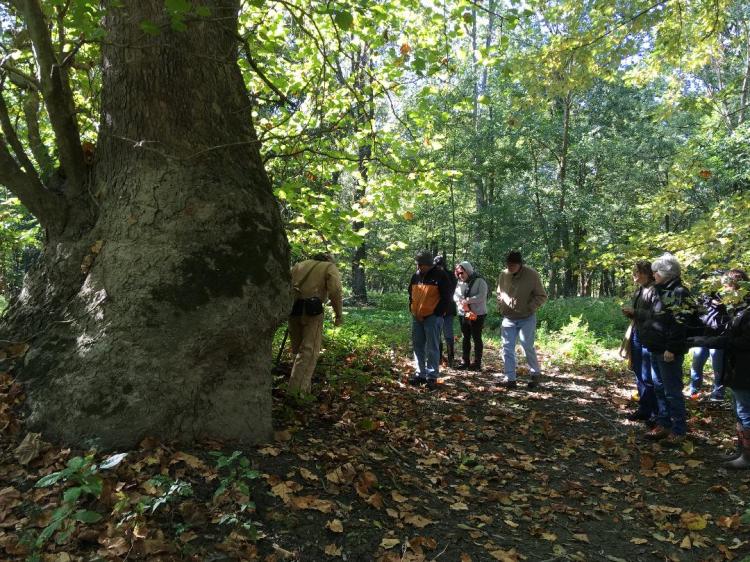
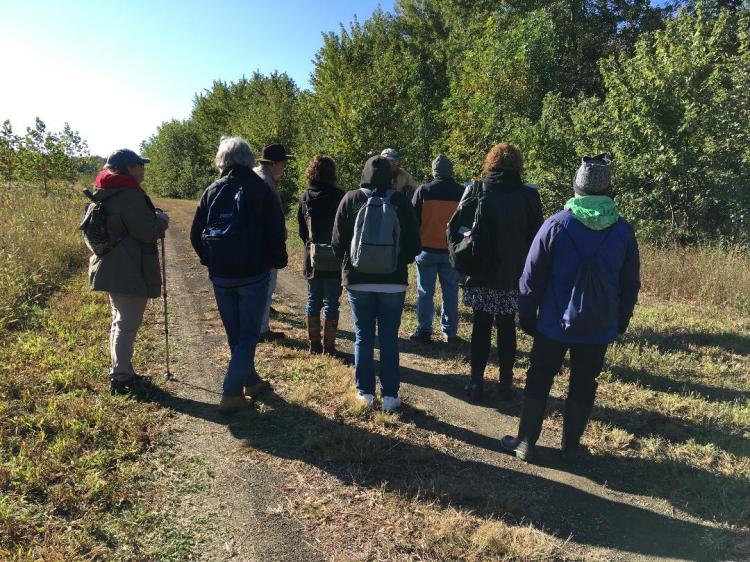
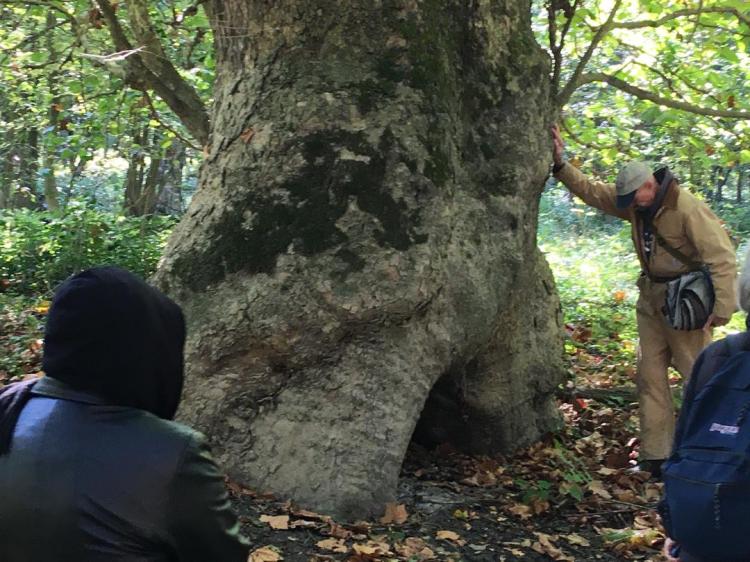
Curt Burnette led the Rainbow Bottom hike in October. He is standing by one of the giant sycamore trees that is there.

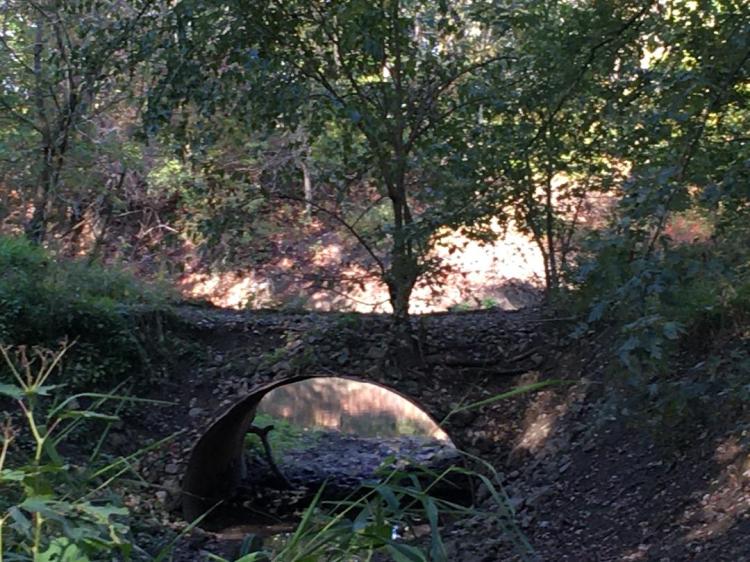
A Self-Portrait of the Ceylon Bridge

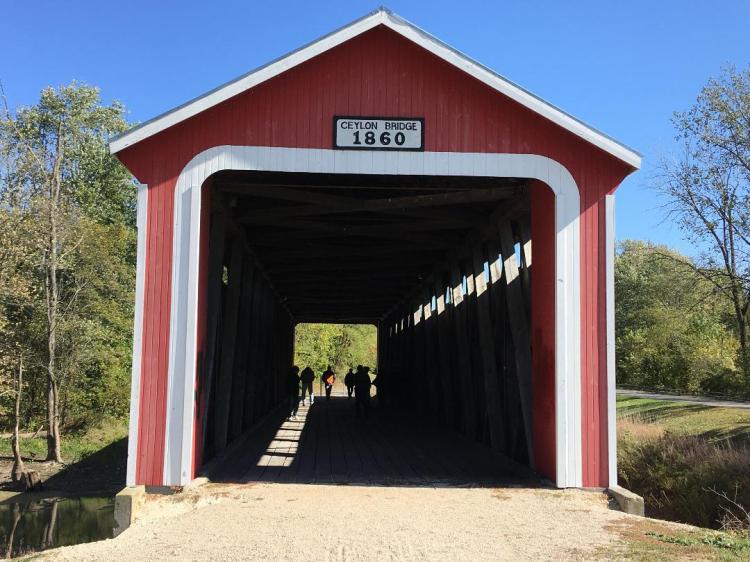
Tiffany visits the Ceylon Bridge whenever her Fort Wayne oldies station plays “Come and Get Your Love.” she has bound her name into hearts above Alex, Kirk, and Loki. Beneath the word “Redbone” spray painted on the wall above the spot on the floorboards where the body summoned by a teenage seance fell from the ceiling into the shadows that cover the floor. The ash trees across the river bed have been hollowed and bored by emerald beetles, and the frogs that once sang evening love songs along the bank have migrated across the road in pursuit of mosquitos and no-see-ums. Now when she arrives at dusk, chanting the chorus in the voice she has huskied from a Virginia Slims habit, Tiffany sprays elaborate valentines on the bare spaces left on the sideboards by Sam and Kacey and Jason and Holly. She signs “What’s the matter with your mind, with your sign?” And twirls in the space where the darkness and the sunlight meet as Lolly Vegas celebrates what the heart wants. As the doves in the rafters look over Tiffany’s shoulders to see if they recognize the new name.

Poetry by Melissa Fey

This week’s poet is Melissa Fey. Melissa is a an officer on the Friends of the Limberlost board. She has worked for Smith Brothers Furniture for over 40 years and is active in the community. The poems are inspired from the Ceylon Covered Bridge and Rainbow Bottom.

History and the Covered Bridge

Built of large wooden beams
          Harvested from mature trees.
The River ran under it
          Although the purpose was for others to cross over it.
Abandoned as a source of transportation
          Now used to capture memories.
Once used to span the River
          Now its graffiti spans time.
An new kind of history it preserves
          As young people record their written words.

Exp: “we’ll be young for the rest of our life”
                             Caroline, Mandy, and Christine

Haiku

A magical world
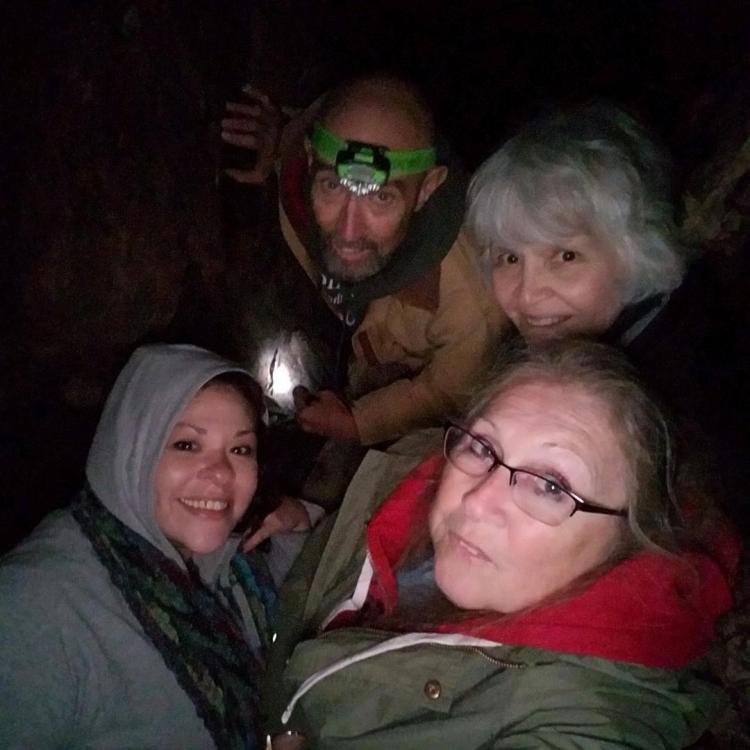
Selfie inside Sycamore
Outside life goes on

Hiking the Bottom
Our presence detected
Jays and Squirrels protest
We continue undeterred

Leaves from Trees

Leaves, leaves big and small,
falling from trees short and tall.
Falling, suspended in space,
not being in their natural place.
Their colors of green, red and gold,
trees preparing for Winter’s cold.
Littering the forest floor,
protecting the tree no more.
This year’s season in the past,
their abundant life didn’t last.

Poetry by Jeanne E. Akins

Jeanne E. Akins is our featured poet this week. She lives in Geneva with her husband Charles and is a tour guide at the Limberlost Cabin.

Where did Gene’s River Go?

River gone!
Where did it go?
Someone moved it long ago.
No fishing here.
No boats.
No bridges.
No skinny-dipping.
No rolled-up breeches.
Earth alone now makes a bed
For this river’s sod-filled head.

Gene is gone!
Where did she go?
With her river long ago.
Yet she lives.
With books
With words.
With photographs
With stories told
And though the land is rearranged,
Gene kept her river never changed.

Cover Our Losses

Make the bridge twice over
Look back and forth through time
Once a bridge with purpose
Now it bridges grime
Once it was important
Serving as a way
Now it serves scribbled words
“Sweet Nothings” on display
Standing on this covered bridge
Sadness covers me
Left alone it would be gone
Except its memory
The sense of loss by renovation
Is suddenly profound
Love isn’t always better
The second time around

My Haiku Hike

Bright sunlight;
Peeking, piercing revelations
In my eyes

Silhouetted trees above:
Branches raised to frighten me
I am small

Snapping twigs:
Happy cracking, popping sounds
​made by forest feet

Poetry by Laura Schwartz

Enjoy the poetry created by Laura Schwartz at Shari Wagner’s poetry workshop on October 12 2019: “Writing Poems at Ceylon Covered Bridge and Rainbow Bottom”

Laura is the head librarian in Geneva for the Adams Public Library System and is active in the community.

Cathedral

Before entering the woods alone along
resolved riverbed, I hid my bicycle behind
the creek’s ridge. Softened under worm

moon, braced for nettle’s greetings, I hopped over
the cracked clay mud, cottonwoods enveloping canopy.
In the shade I would walk those hours alone, eating

flower heads, drinking from stems, chewing roots,
whispering my poems. Now together under hunter’s
moon, this arc, this sanctuary still silences me.

Bottomland

My shadow passes
easily through the days as
curious clearweed,

beneath hunter’s moon,
this giant gray sycamore,
or sanctuary.

Where cacophony
of the crickets, birds and frogs
become our prayers.

Sanctuary

The open mouth

of a giant sycamore swallowed
us whole, on our bellies we slid
inside its sanctuary to explore each

other, our breath as quiet prayers
inside the silent weeping walls
of this dark bottomland cathedral.

Phosphorescent life alights against
wood’s porous lined decay. Our quiet
communion an intimate sight in this

cavernous emptiness, enveloped
in warmth looking up into the trunk’s 
two mysteries that we embrace

as one of our own.

Photos were taken October 12 2019 at Rainbow Bottom along the Wabash River.

Eagles of January

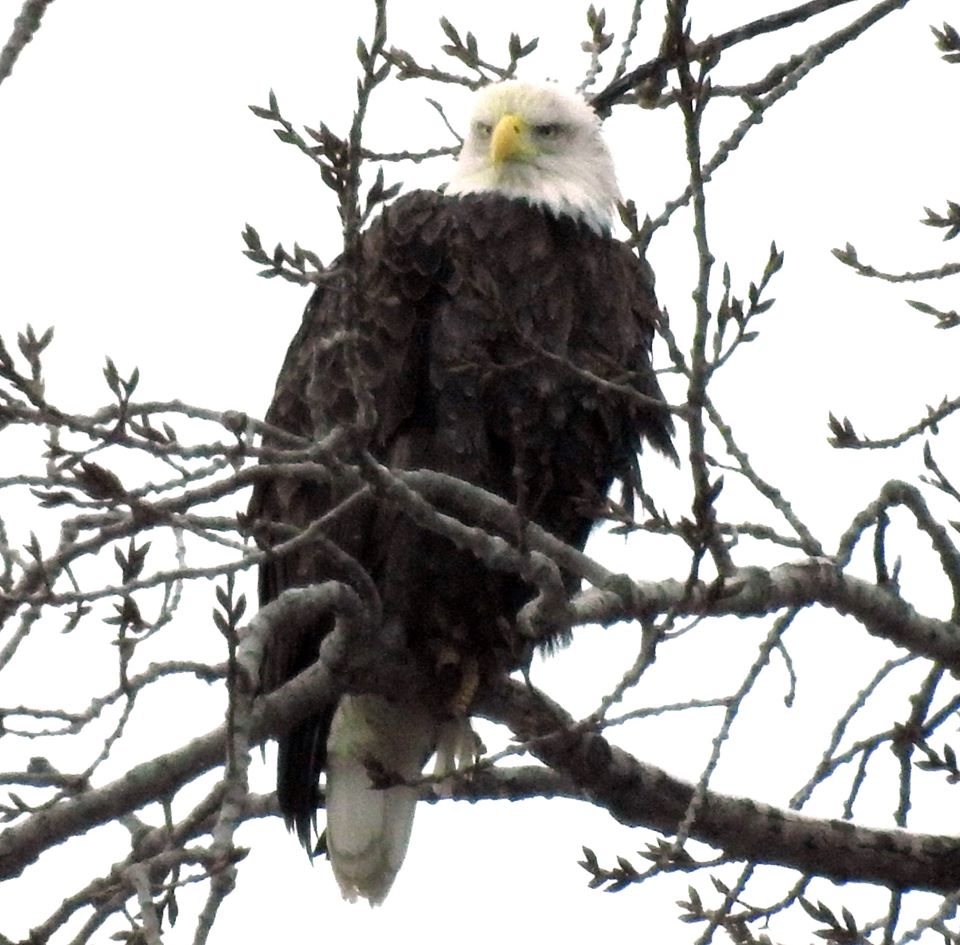
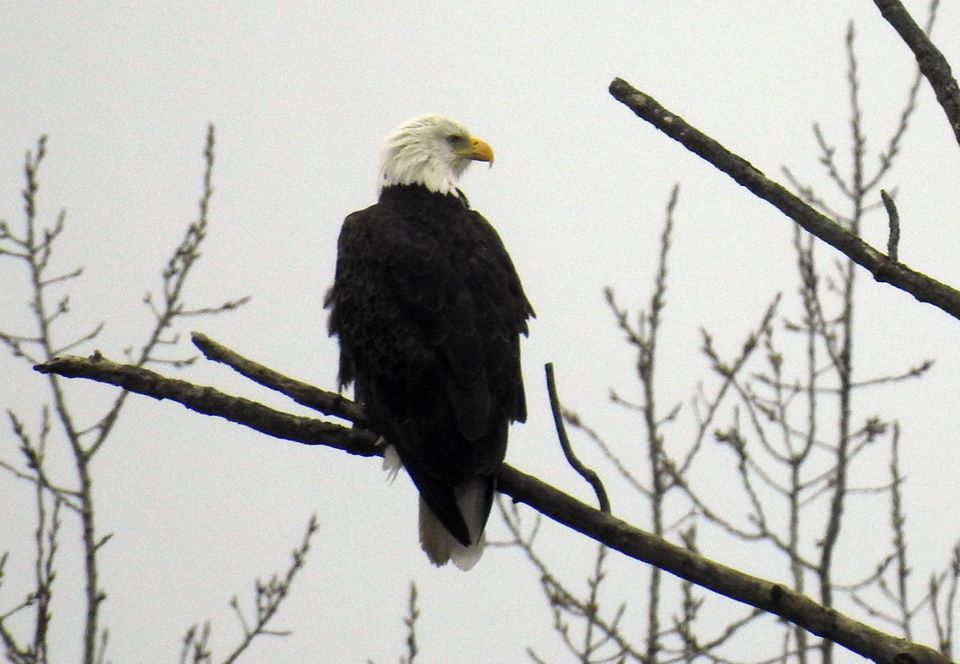
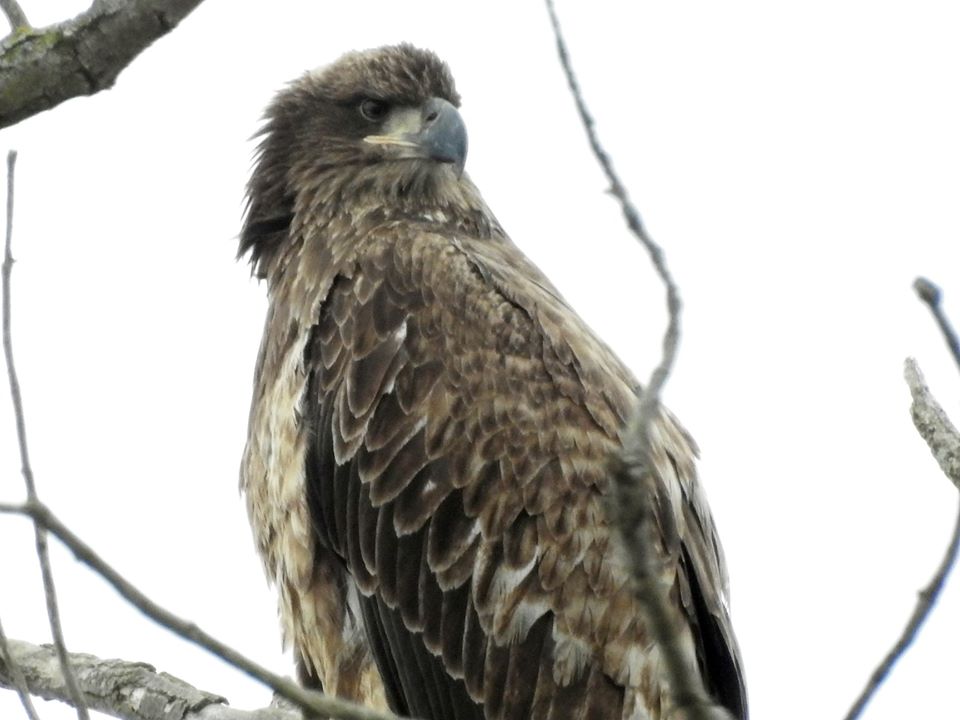
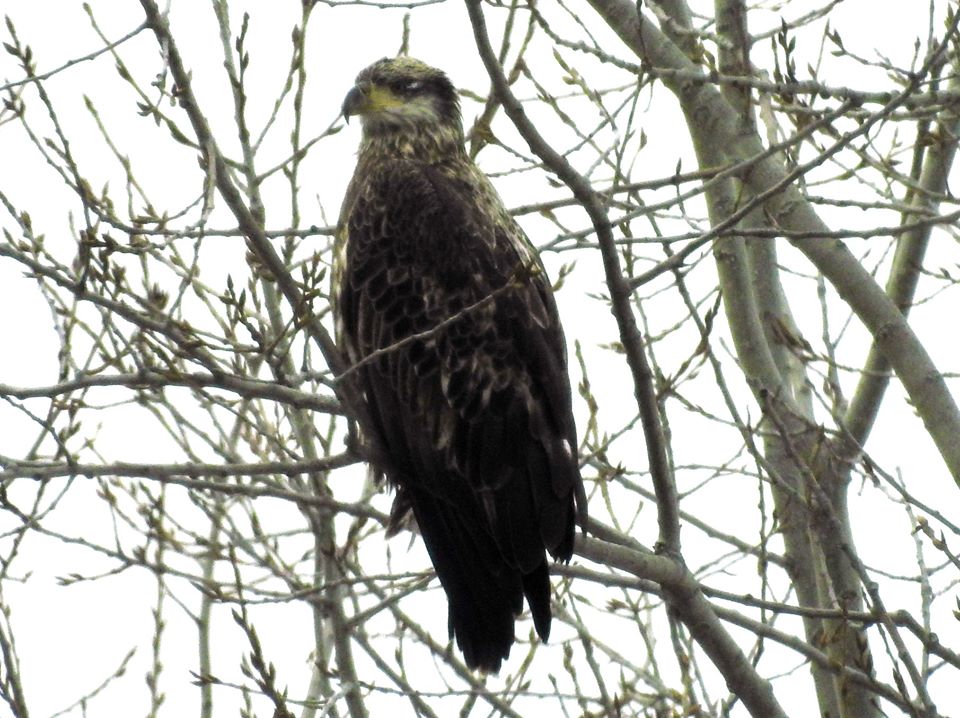
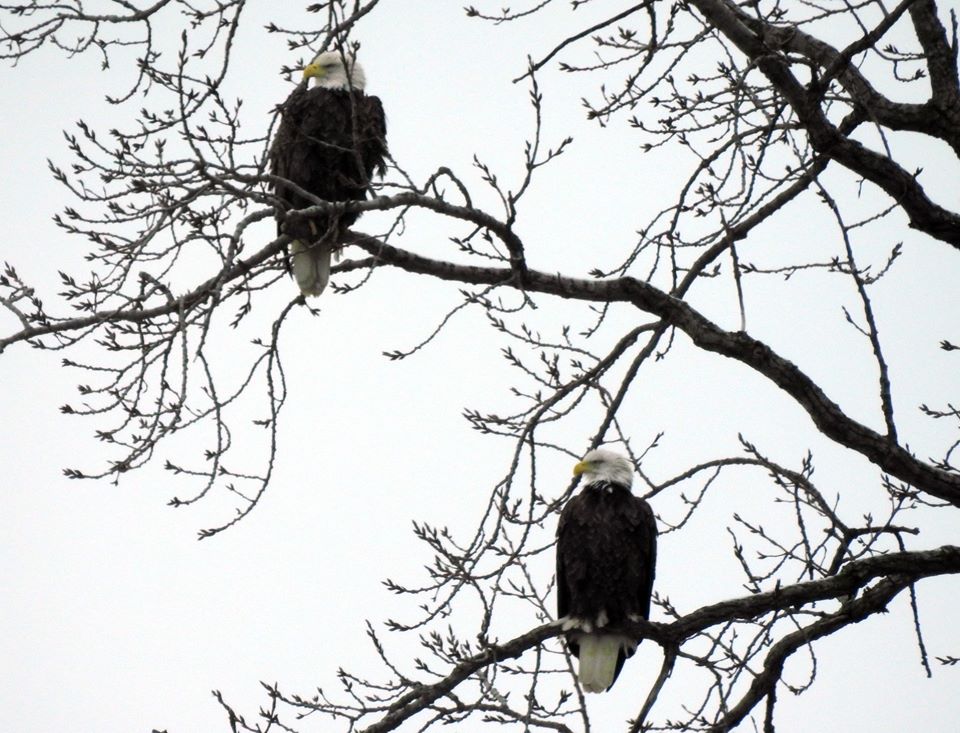
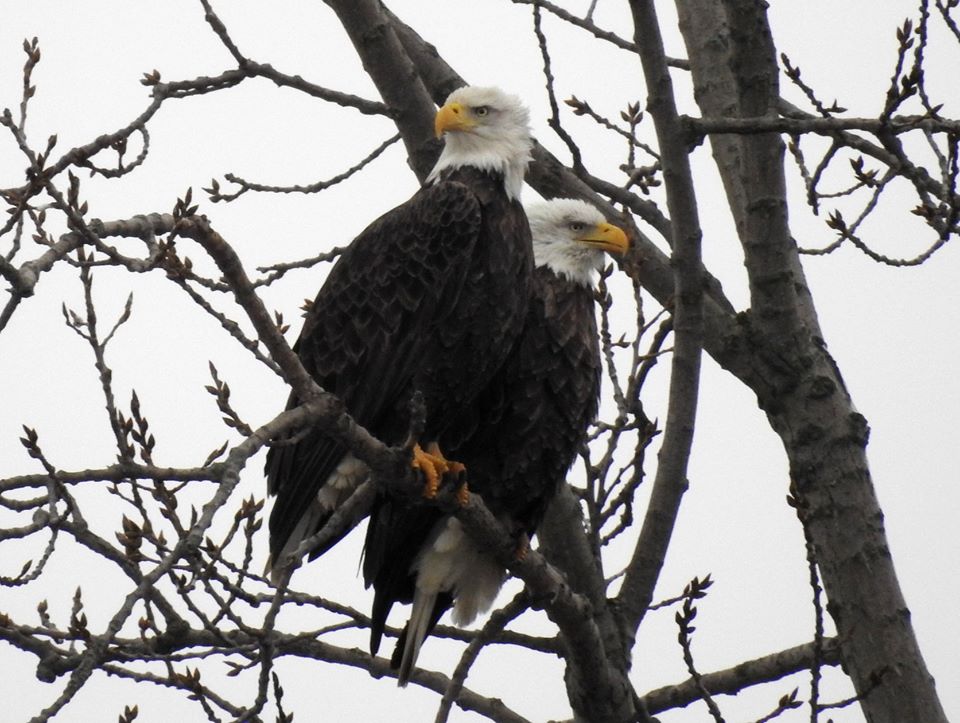
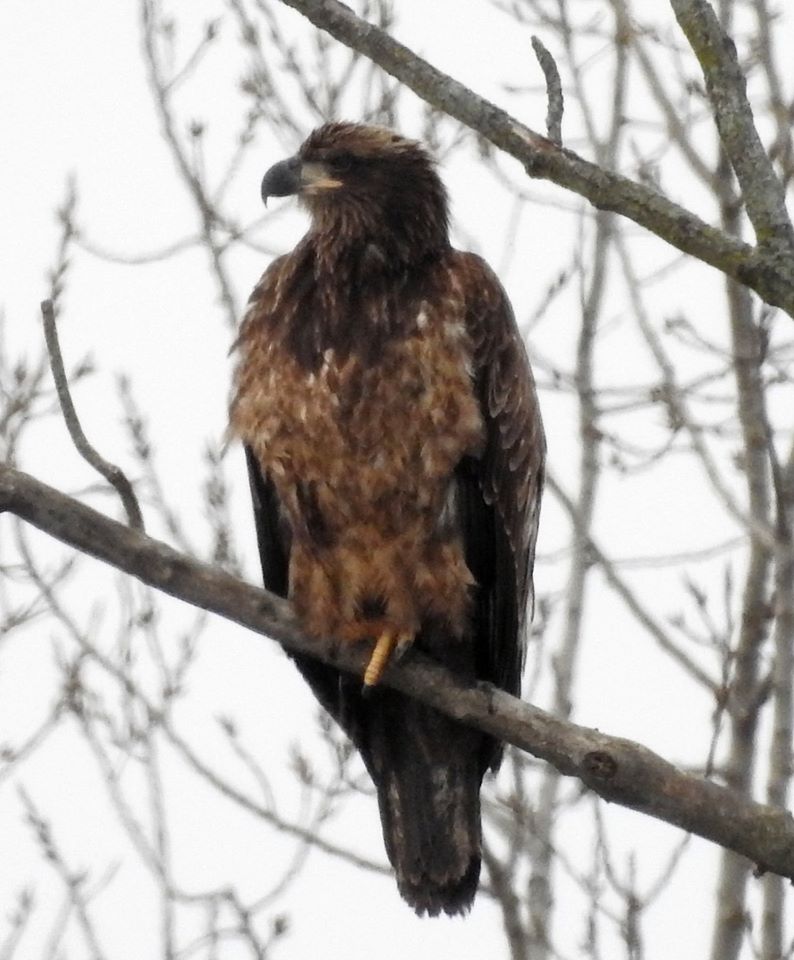
Thank you to Kimberley Roll for her sharing her January Limberlost eagle adventures in photographs. For our SANJO (Southern Adams Northern Jay Ouabache) Christmas Bird Count, we had 18 bald eagles tallied on the count on January 1 2020. In our SANJO CBC National Audubon Society circle, we now have five bald eagle nests and a sixth nest only a couple miles outside the circle. Gene Stratton-Porter would be amazed at the number of bald eagles and the patience of Kimberley to photograph them. Gene would be envious! Gene had to travel to northern Michigan to see bald eagles and was never able to photograph them.

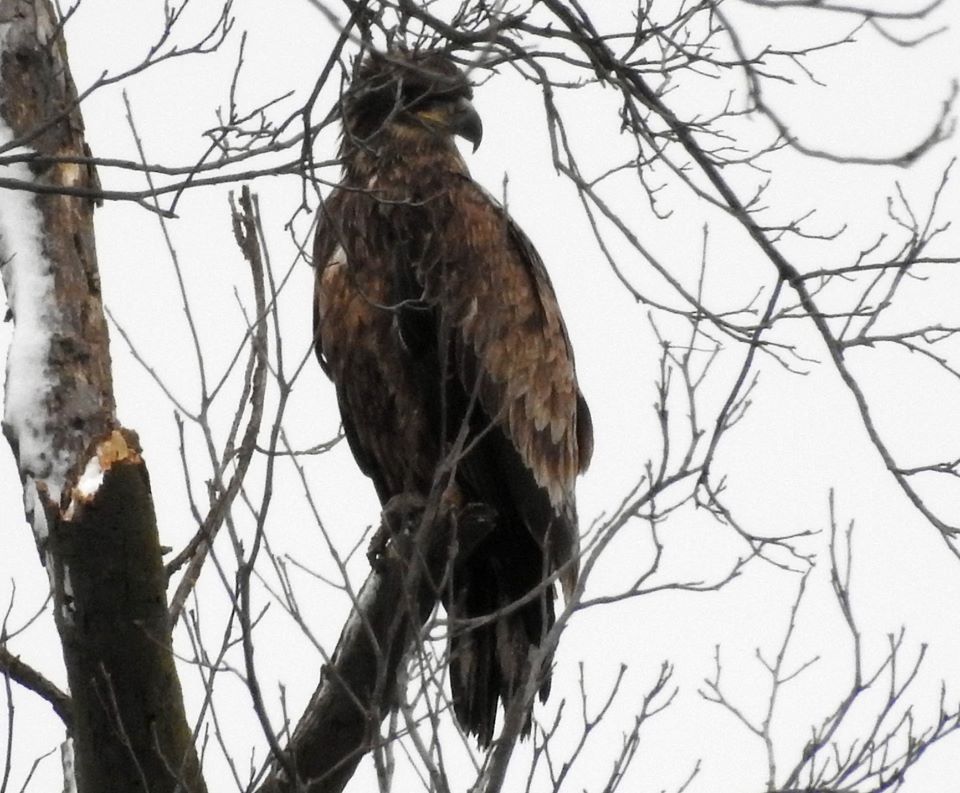
Juvenile bald eagle

Adult bald eagle. One of the Loblolly Marsh pair.

Bald eagle by the Loblolly Creek.

Juvenile bald eagle

Juvenile bald eagle

Bald eagles

Loblolly Marsh bald eagle pair

Juvenile bald eagle