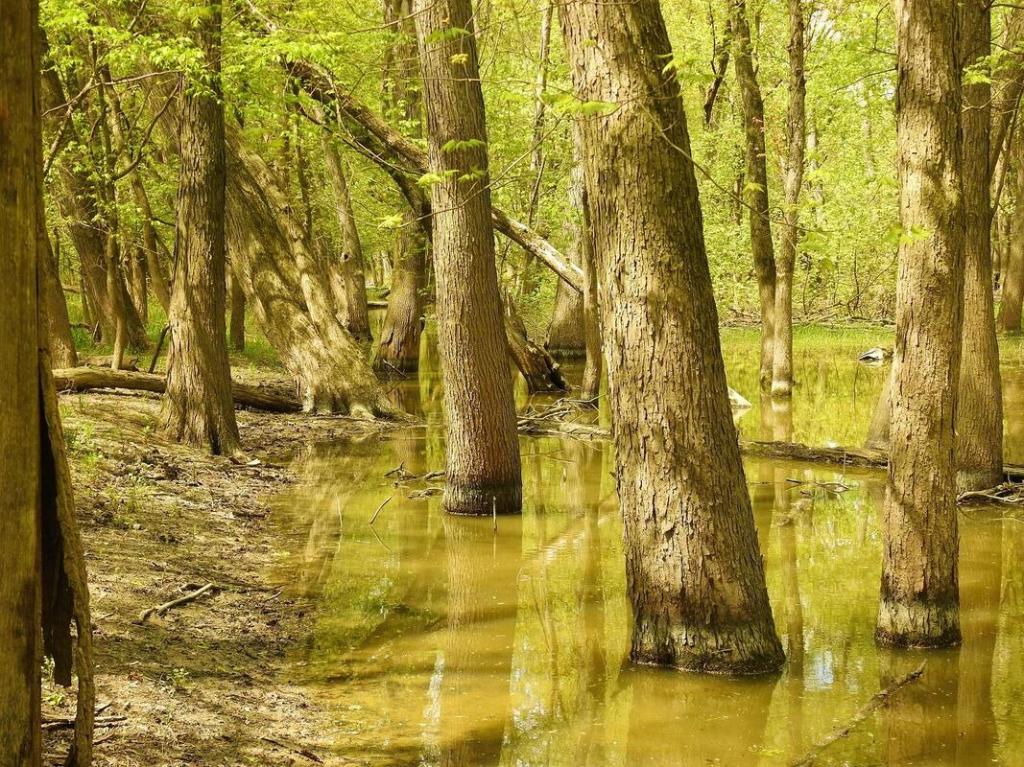
Wherein we examine the attraction that villains and outlaws have to wild and wooly wetlands like the Limberlost Swamp

By Curt Burnette

In her book, Freckles, Gene Stratton-Porter created a character called Black Jack, whom she describes as a villain whose “face is coarse and hardened with sin and careless living.” He is a tree poacher in the Limberlost, cutting and stealing trees from property owned by the Grand Rapids Lumber Company. He is a dangerous man, who even goes so far as to kidnap Freckles.

In A Girl of the Limberlost, Gene created another character called Pete Corson, who is a member of a gang of troublemakers, who frequent the Limberlost. Although he helps Mrs. Comstock catch moths one night in the swamp, he cautions her that her lights will summon others who will ride like fury to get there and “they won’t be nice Sunday school men.”

These men are works of fiction, but the Limberlost Swamp and other wetland areas which were remote and difficult to access actually did harbor criminals and outlaws. At the end of August and the beginning of September of 1900, police from Muncie and Portland searched the Jay County portion of the Limberlost—the Loblolly—for several days in an attempt to capture the Keating brothers. The brothers were wanted for the murder of a Muncie man, who had been stabbed in the neck with a knife. The search was unsuccessful. But a bloody pair of trousers and a blood-stained knife were recovered from the residence of a brother-in-law who lived near the swamp.

In the vast Grand Kankakee Marsh of northwest Indiana, there were two islands located deep within which were notorious hideouts for counterfeiters, horse-thieves, and murderers. Big Bogus Island and Little Bogus Island got their names from the bogus coins the counterfeiters made there. The islands were surrounded by water and marshy terrain, which made it very difficult for law enforcement to sneak up on the lawless inhabitants. The outlaws, however, knew of a hidden sand ridge located just beneath the surface of the water that zigged and zagged its way to their hideaway. At the one spot where the ridge ended before it reached the islands, the resourceful outlaws constructed a 300-foot long submerged log corduroy road on the muck of the marsh bottom. This “hog-back highway” allowed them to come and go easily while officers of the law were floundering through deeper water on their horses.

Many other types of rugged, inaccessible terrain have been used as hideouts. One of the most famous is the Hole-in-the-Wall Pass in the mountains of Wyoming, where for more than 50 years famous outlaws, such as Butch Cassidy and The Sundance Kid, were able to successfully elude the posses sent after them. Wetlands, however, have always been one of the best spots for the lawless to hide, from the pirate Jean Lafitte in the vast swamps south of New Orleans, to Black Jack of Gene Stratton-Porter’s fictional version of the Limberlost Swamp.

Source: Berne Tri-Weekly, October 2013.
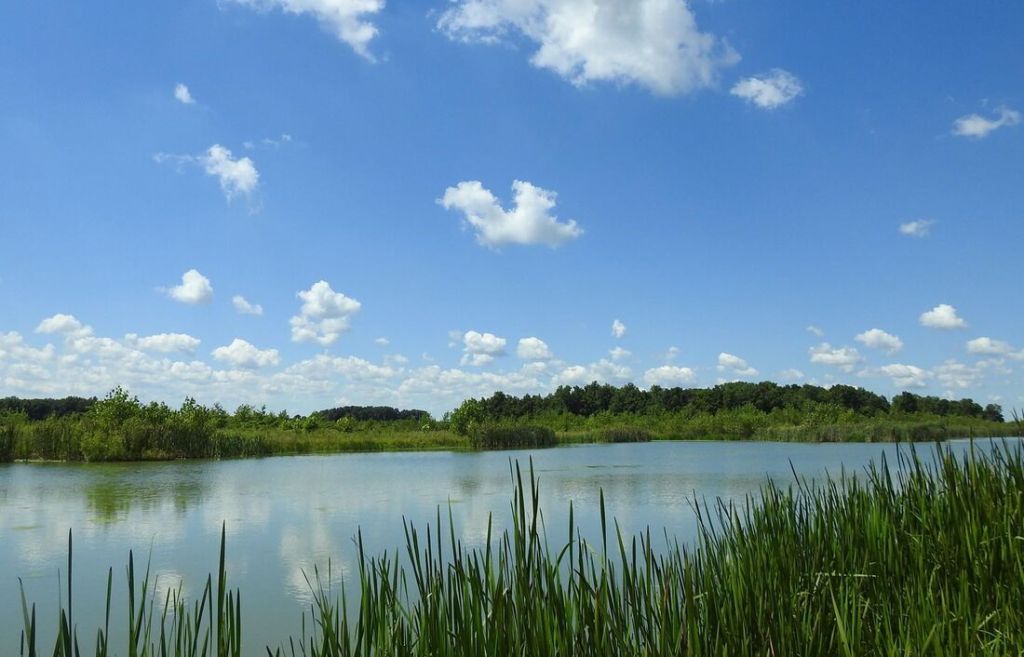
Limberlost Swamp Nature Preserve on the Jay County side.
Birds of Loblolly

In photographs by J and Karen Swygart

Gene Stratton Porter would be amazed at the birds that now call Limberlost home at least part of the year. The bird list is over 225 as of this writing.

We are fortunate that J and Karen Swygart share their photos of their Limberlost adventures.

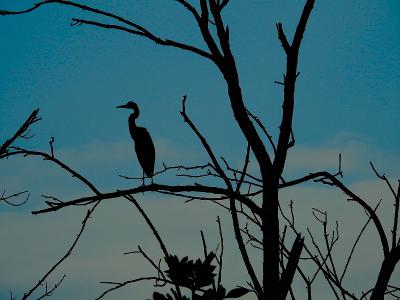
Heron silhouetted against the sky.

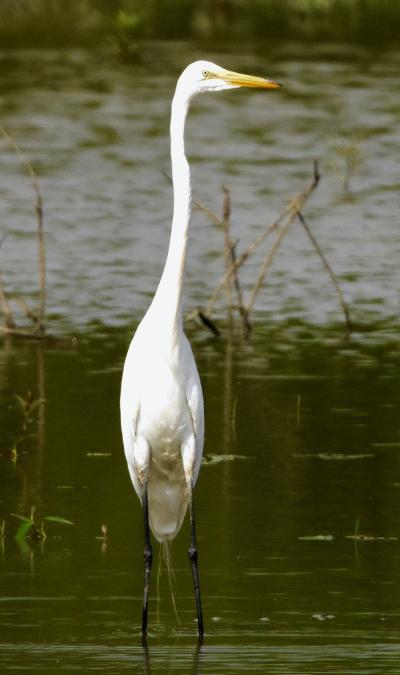
Egret at the Loblolly Marsh Nature Preserve.
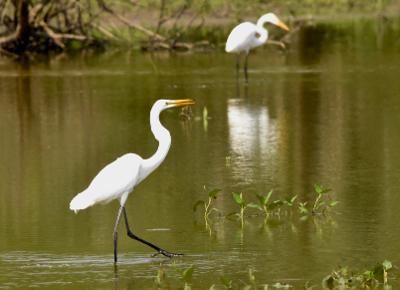
Egrets

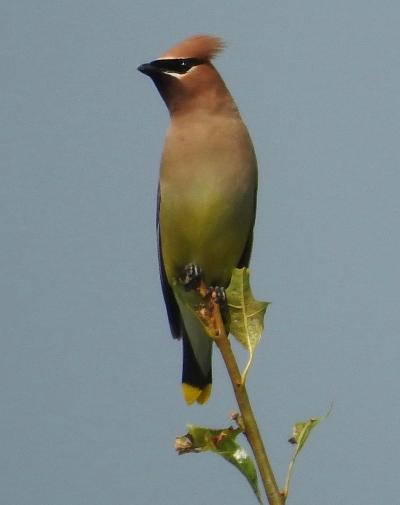
Cedar waxwing

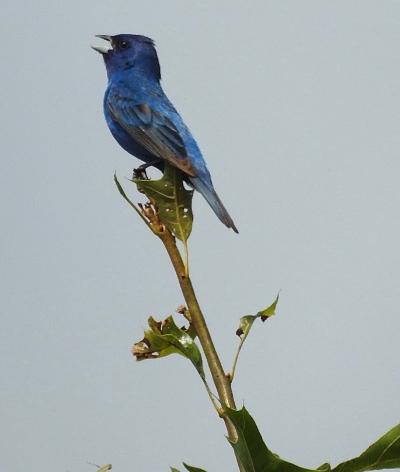
Indigo bunting. One of the most lively singers at the Loblolly Marsh Nature Preserve.
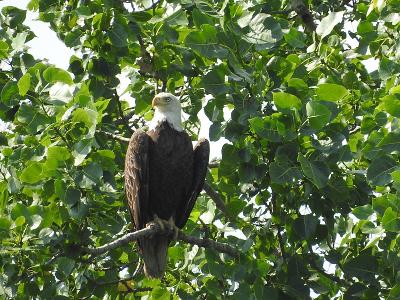
One of the adult bald eagles at Loblolly Marsh seen in one of their favorite perching trees.

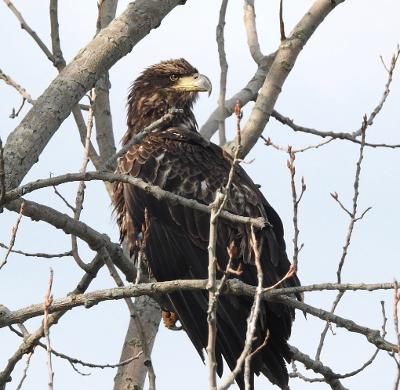
Juvenile bald eagle at the Loblolly Marsh.

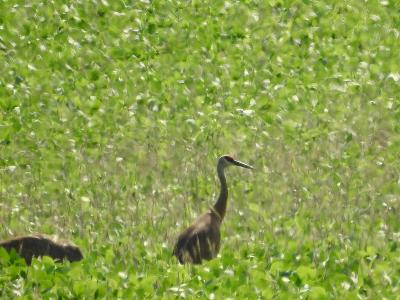
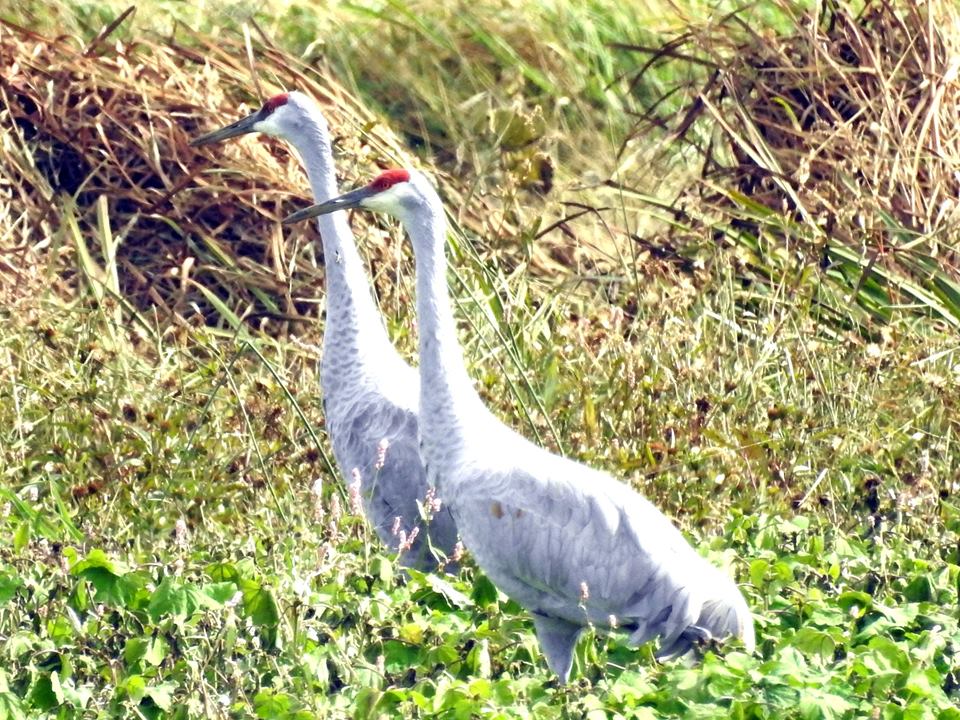
Sandhill cranes just off of the Limberlost Swamp Nature Preserve. Sandhill cranes have been seen at both Limberlost and Loblolly all summer.

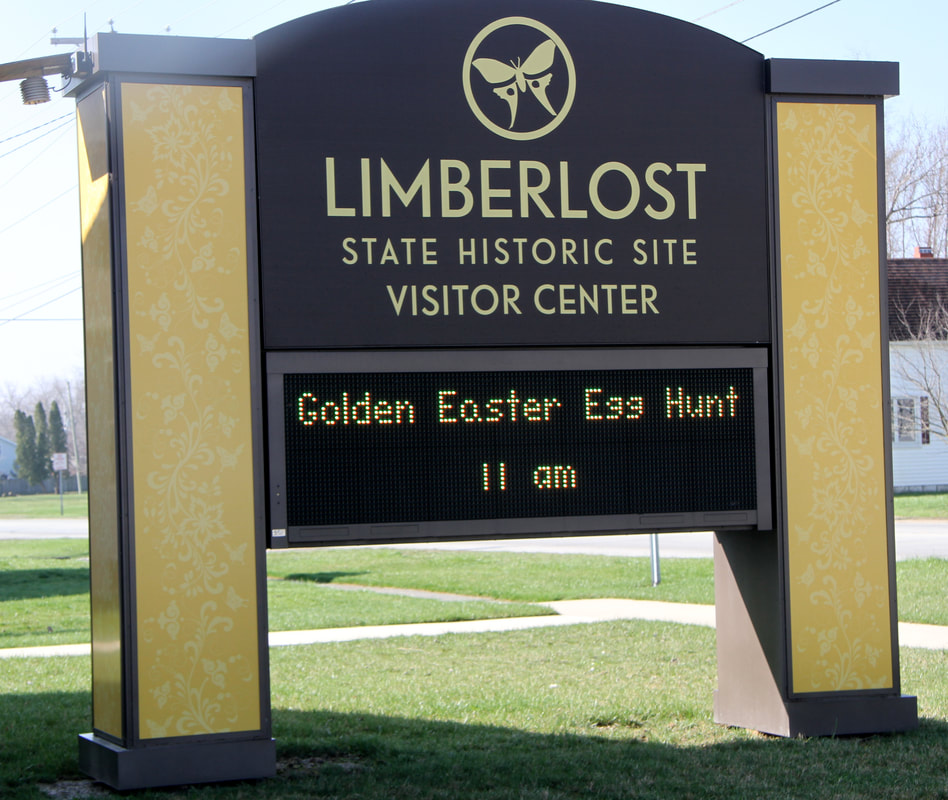
Visitor Center Electronic Sign

We take a look back seven years ago this month to when the Friends of the Limberlost purchased the Electronic Sign for the Limberlost State Historic Site.

Wherein a description of and commentary on the new Limberlost Visitor Center electronic sign is presented in vintage style
By Curt Burnette

The Limberlost Visitor Center, being a relatively new feature of our fair city of Geneva with a quite youthful age of only one and one half years, is now graced with an addition which might best be described as “newborn”, having been installed less than two months ago and only becoming operational with the past month of this report. This being an electronic sign–a most marvelous device conceived by the ingenious minds of our modern technological era.

This electronic sign is housed within a large and attractive framework of gold and brown, which puts forth the name of the Limberlost State Historic Site Visitor Center clearly and displays the Luna moth logo prominently for motoring passers-by to see. Significant portions of this sturdy frame illuminate when darkness falls, so that even as the hustle and bustle of the day begins to diminish, it continues to attract the eye of all traveling near it.

However, it is the sign itself which quickly draws the avid attention of all who look that way, it being an object of much beauty and interest in its own right. This wonder of electric lighting is composed of numerous small lamps of a type of construction known as LEDs, which, under the direction of a small computing electronic brain, is capable of creating the most colorful and amazing displays of an informative nature. When the stout lads who oversee the historic site wish to inform both the local population and passers-by from numerous localities of an impending event which they might find entertaining and educational, or even if they merely want to extend their most pleasant best wishes for a holiday season, all they must do is instruct the electronic brain in what they desire, and it instructs the electronic sign to produce this desired result. The displays which burst forth dazzle the eye with their multitude of colors and vibrant motions, skipping merrily from time to temperature to hours of operation to the latest exciting upcoming event.

This marvel of illumination science is the first of its kind in our small community, no other business or institution having anything of a similar description. Genevaites can be justly proud of the fact that no other state historic site in all of Indiana can declare to be in possession of a signage device like it. Surely Geneva has gained another distinction which its citizens can warmly embrace.

Source: The Berne Tri-Weekly, June 2014.

Limberlost Spring 2021

Kimberley Roll has captured some of the favorite birds that we welcome back to Limberlost in the spring. Thank you for sharing your birding adventures at Limberlost for all to enjoy.

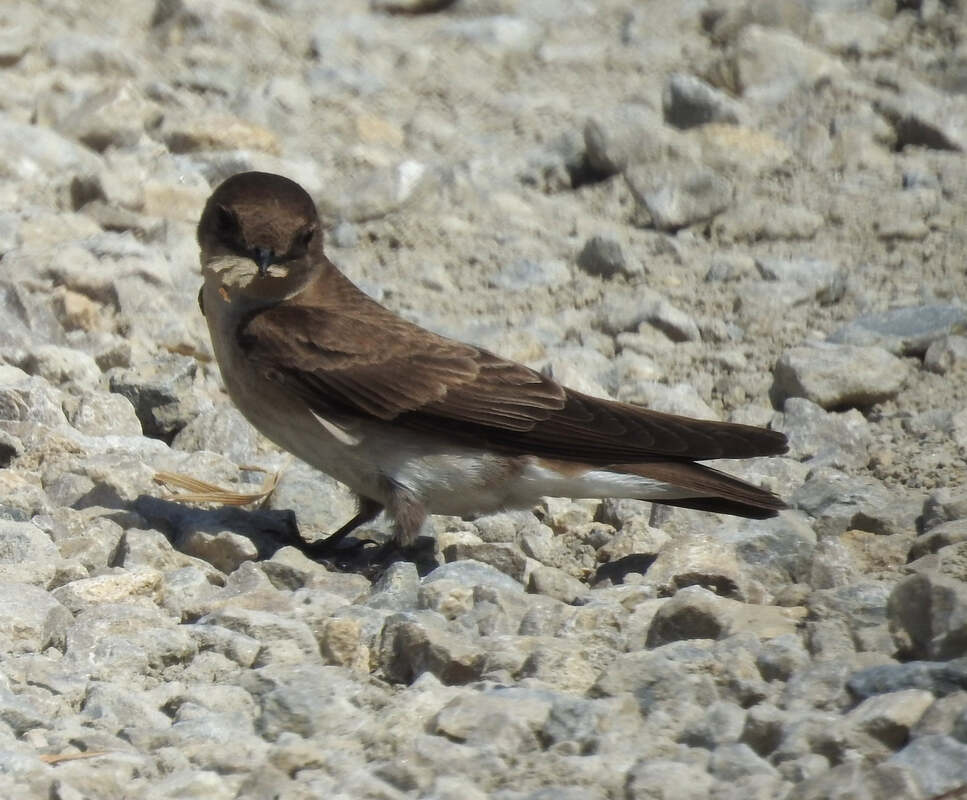
Bank swallow with nesting material in the beak.

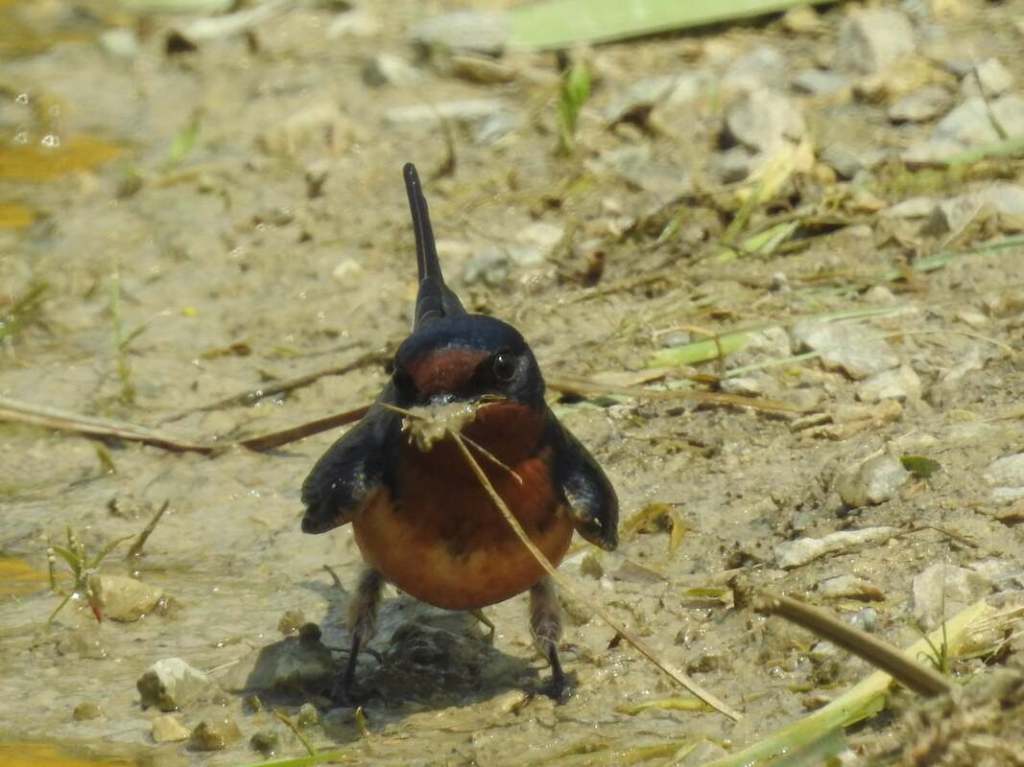
Barn swallow with nesting material in beak.

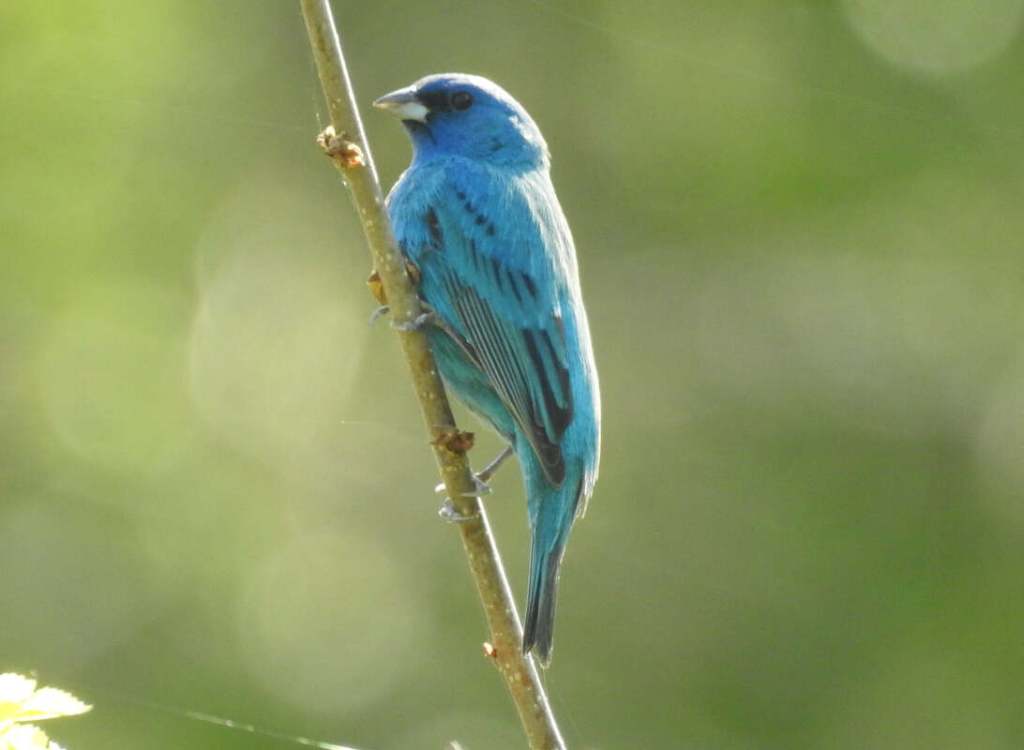
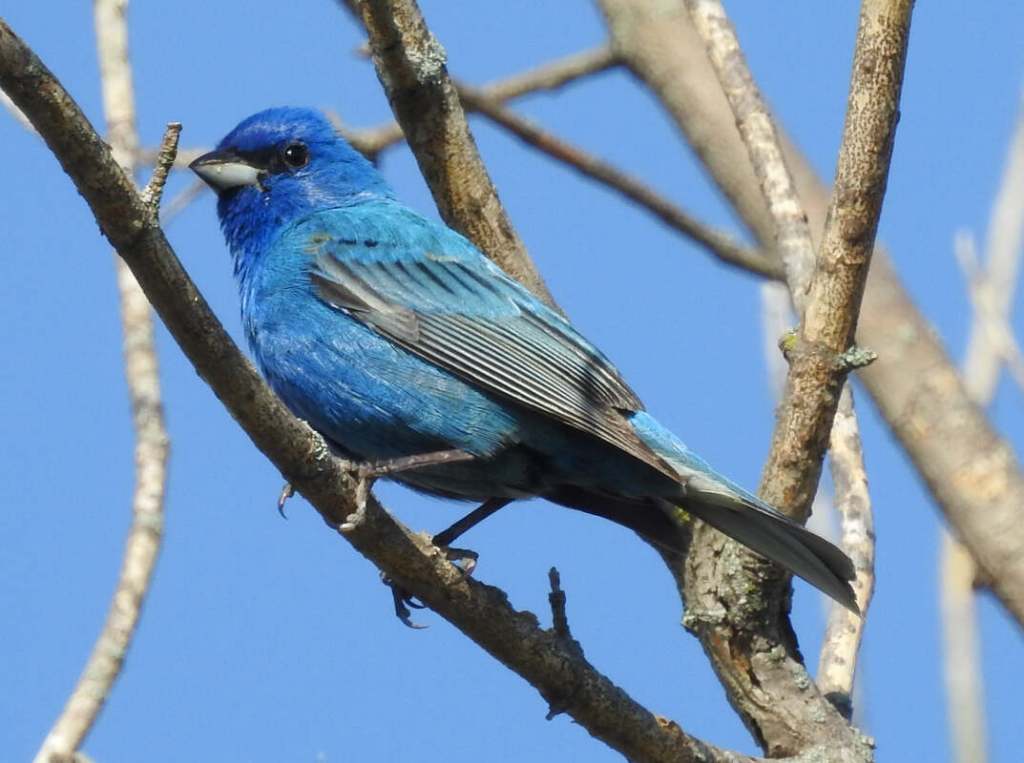
Male indigo bunting. We look forward to hearing his lively song in May.

Male indigo bunting

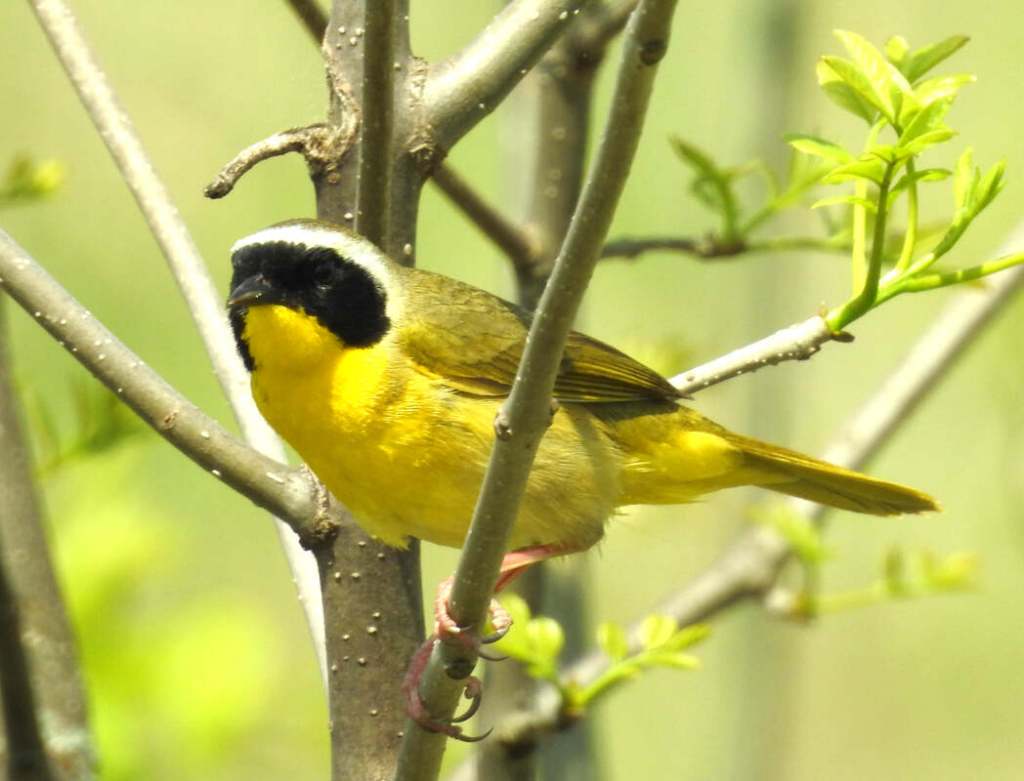
Common yellowthroat. This bird is a welcome singer at the Loblolly Marsh Nature Preserve.

Dickcissel. With the restoration of the wetlands, we are seeing more of these birds now.

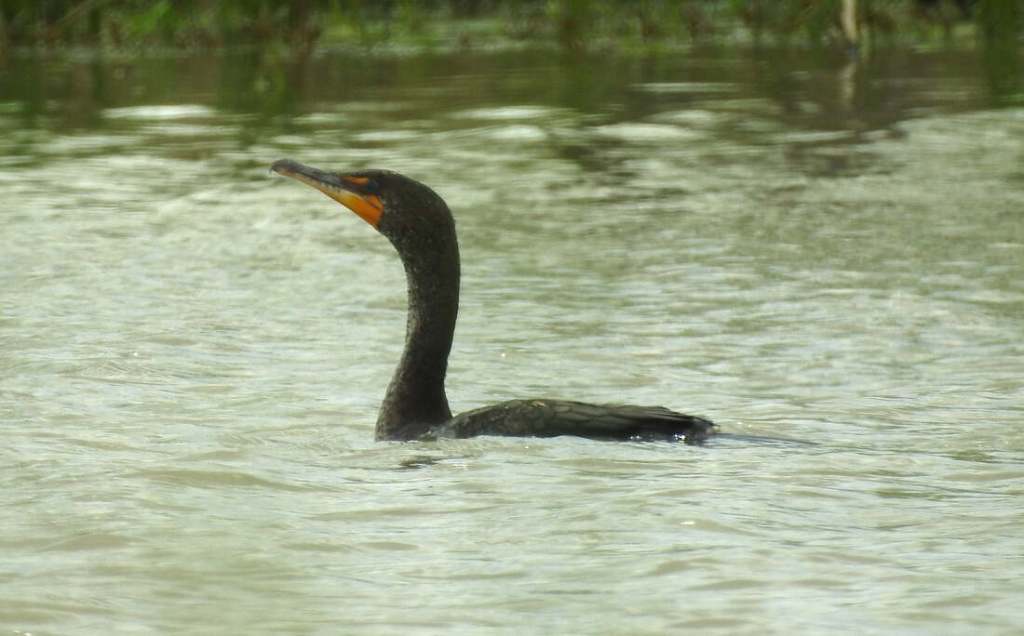
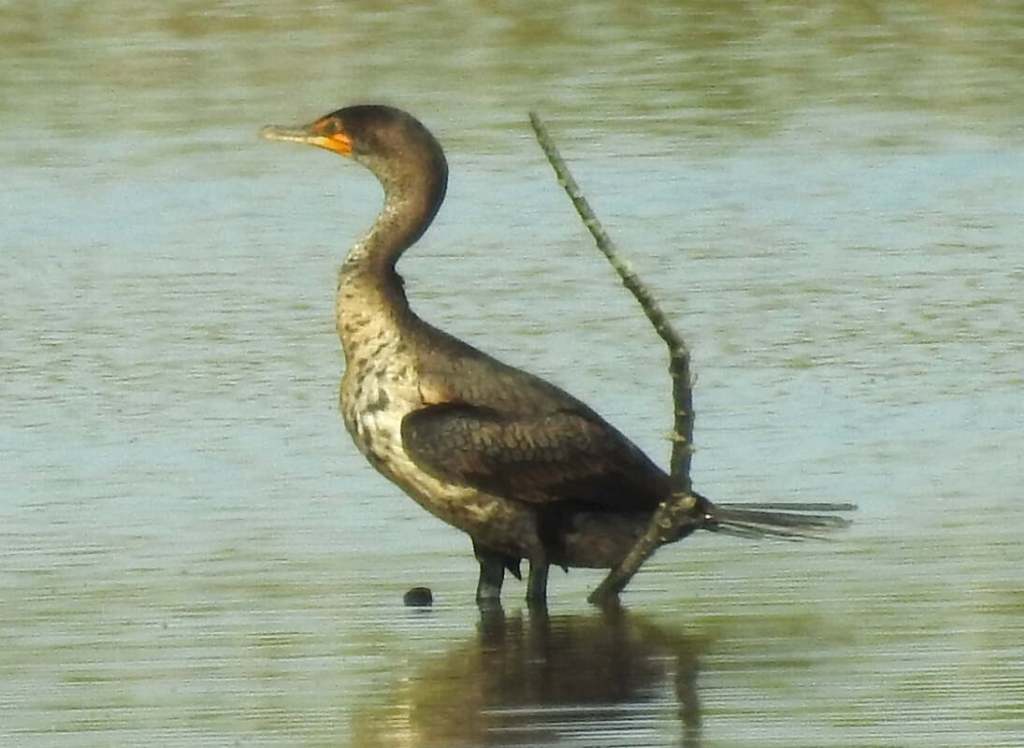
Several cormorants have been seen at the Limberlost Swamp Nature Preserve.

Cormorant

Sandhill Cranes

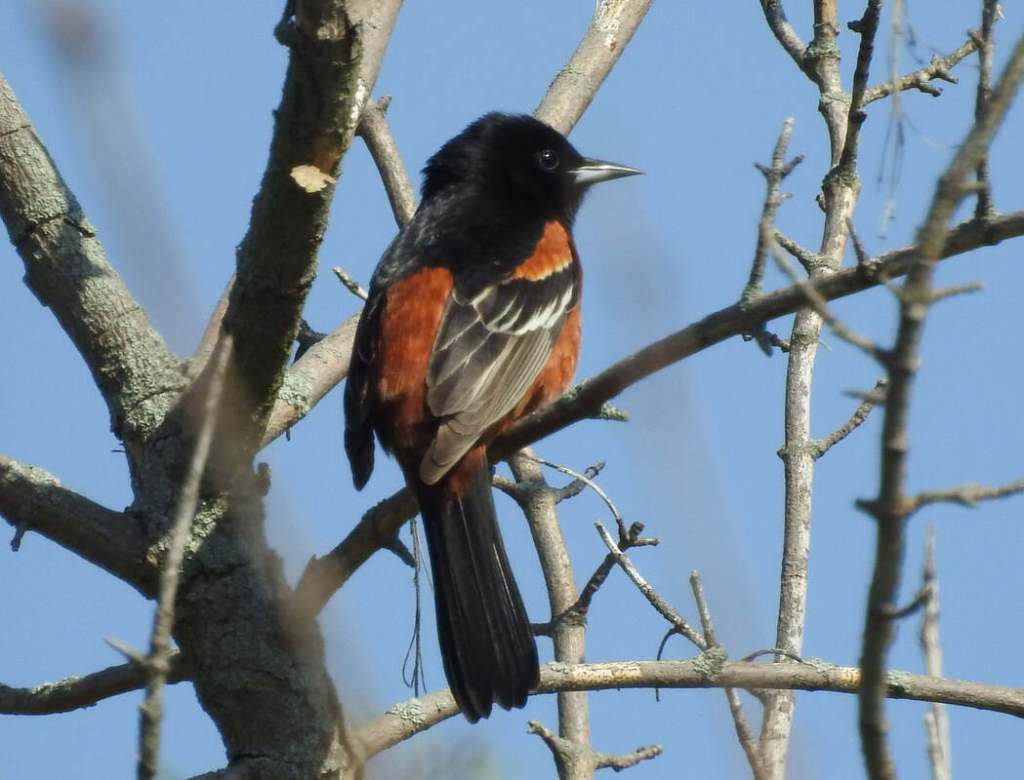
Orchard Oriole

One of the adult bald eagles in flight. They are year round residents at Limberlost.

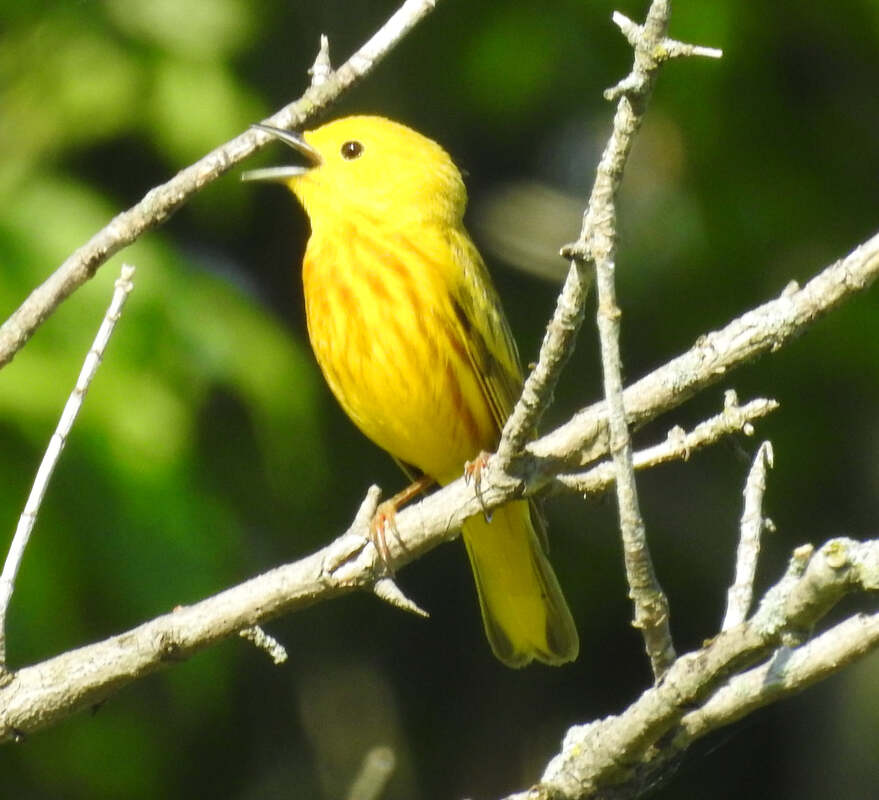
Beautiful male yellow warbler. He is a common singer around Limberlost.

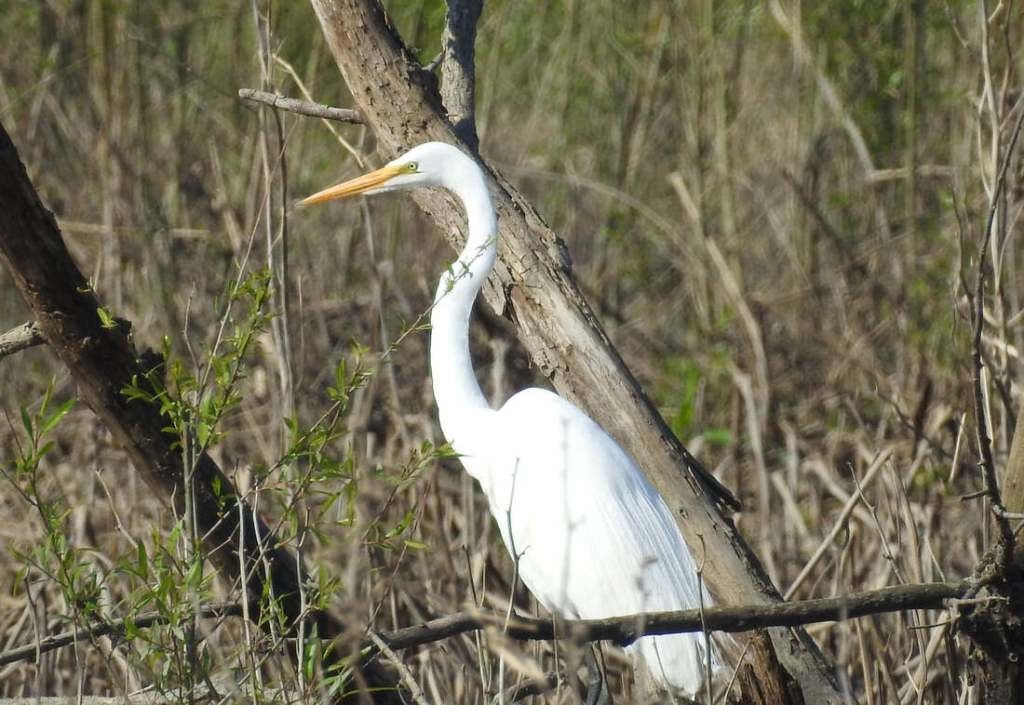
Great egret

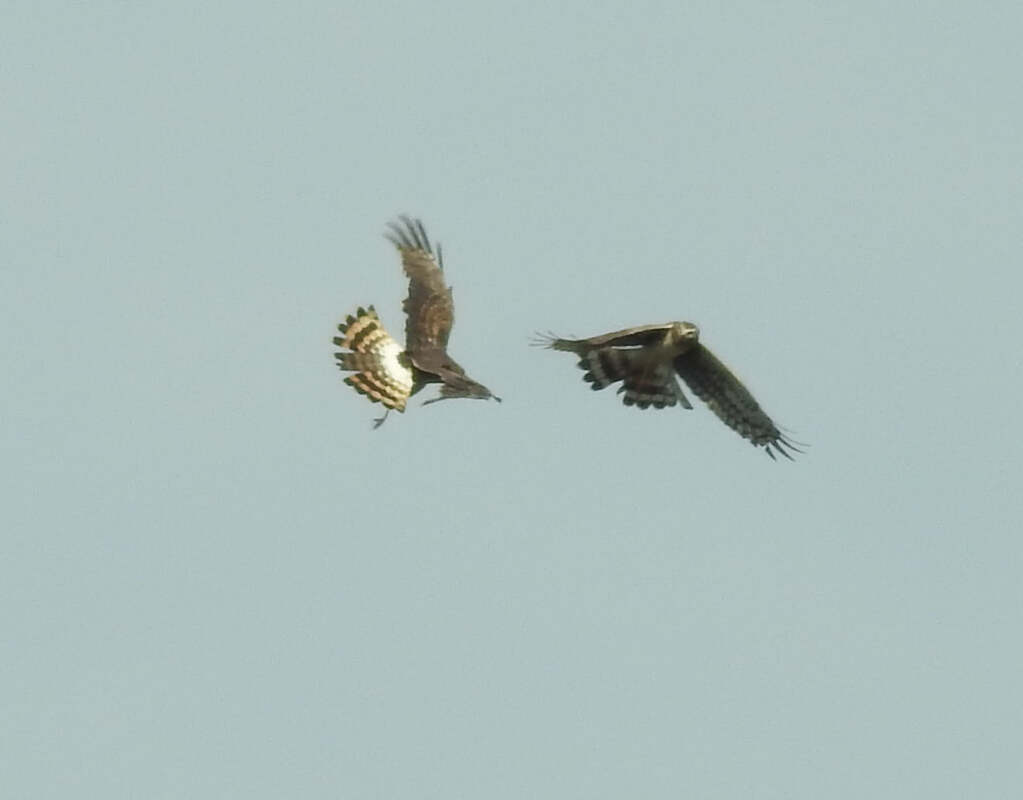
Unusual sight for May: a male and female harrier. They are winter residents here.

We hope you enjoyed some of the birds this May at Limberlost!

Viewing Earth From Space

By Adrienne Provenzano

April 22 is designated as Earth Day! If you are looking for some interesting views of the planet, check, out the website Gateway to Astronaut Photography of Earth! 3.5 million images of Earth have been captured from the International Space Station, which obits the Earth every 90 minutes. Another 500,000 images have been gathered by astronauts on missions dating back to the earliest NASA missions with crew –Mercury, Gemini, Apollo and Shuttle. You can take a look at the free database of still images and videos. Browse through existing collections by topics such as Earth as Art or search for particular locations, including daytime and nighttime views. There are also opportunities to participate in citizen science projects!

This year NASA’s Earth Day theme is Connected by Earth: From Big to Small We’re All Connected. By visiting https://nasa.gov/earthday you can find lots of resources, including an Earth Day Took it and information on how NASA data is used to study animal migrations, vegetation, and more! If you’re looking for an interesting Earth-based project connected with space, you might enjoy being part of the 2021 Community Tree challenge, April 15-May 15. Participants can measure tree height and share the data online. This information is then compared with satellite data. The tree challenge site also lists many family-friendly nature activities to enjoy. The program is organized by GLOBE, the Global Learning and Observations to Benefit the Environment program.

GLOBE was founded on Earth Day 1994, and provides a variety of activities for hands-on learning of Earth’s systems. Data is collected worldwide and then shared online. Elementary GLOBE includes storybooks available in 6 different languages, with observation and data collection investigation activities geared towards students in grades K-4. Topics include clouds, hummingbirds, and soils.

Happy Earth Day!

Adrienne Provenzano is a Friend of the Limberlost, Advanced Indiana Master Naturalist, and NASA Solar System Ambassador

International Space Station

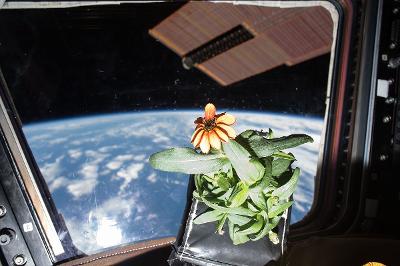
International Space Station Zinna

NASA Apollo 8 December 24 photo of the earth.

Wherein the new Limberlost Visitor Center is chronicled in vintage style

(modeled after newspaper articles of Gene Stratton-Porter’s Geneva years)

By Curt Burnette

To the gratification of all Genevaites and other local citizens of the surrounding environs who have been faithful observers to its construction while eagerly awaiting its completion, Geneva’s delightful new attraction, the Limberlost Visitor Center, is now open. This beautiful 4000 square foot building is clad with Alaskan cedar, but not in the usual lap-siding pattern of which we all are so well acquainted. Instead, these quite attractive boards are arranged in a West Coast style know as “rain screen.” A gap between and behind each board permits them to dry in a most efficient manner after each rainfall and therefore impart to them a longer life. the Limberlost State Historic Site is the first location in the fine state of Indiana to have a structure with this particular type of rain screen design. The rustic golden Alaskan cedar marvelously compliments the red cedar logs covering the Limberlost Cabin where local author and celebrity Mrs. Gene Stratton-Porter and her husband Mr. Charles Porter, himself a local businessman and citizen of note, resided so many years ago.

The interior of this building contains three noteworthy areas. Visitors enter the central area through a wonderful glass foyer where handicap-accessible restrooms and drinking fountains await. Beyond the foyer lies a grand and open room with a splendid cathedral-style ceiling. Within is housed the Friends of the Limberlost gift retail establishment and several enlightening exhibitions about Mrs. Porter, her career, her family, and her beloved Limberlost. To the rear of this lovely hall a small bird-viewing room is discreetly placed for the pleasure of the ornithologically-minded.

The western end of the Center houses a fine storeroom, office facilities for the illustrious Historic Site staff, and a classroom/multi-purpose room appointed with audio-visual equipment of the most updated capabilities. This pleasant classroom can be cleverly arranged with chairs and tables for programs, presentations, meetings, and gatherings of all manner and purpose. The eastern end contains an office for the sturdy and dedicated Nature Preserves staff, a kitchenette, a room housing furnaces and other devices of mechanical nature, plus another, albeit smaller, multi-purpose room.

Limberlost staff undertook the arduous but satisfying move into the building in mid-January and threw open its doors to the public by the end of the month. A dedication and grand opening ceremony is scheduled for Saturday, April 27 at 11:00 am. This festivity will truly be a community-wide celebration as our new attraction will not only welcome visitors to the Historic Site but also to the area at large. A bodacious brochure rack in the grand hall abounds with information about Geneva, Berne, Adams, and Jay counties, and the Hoosier State as a recreational and tourist destination.

The Visitor Center is the latest step in the most worthy effort to restore and promote the Land of the Limberlost. Mrs. Porter’s writings made the Limberlost famous around the world. The heyday of her immense popularity and the magnificence of the might swamp are gone now, but the Limberlost Cabin remains, her books are still read and admired, and the Limberlost Nature Preserves still provide access to the wonders of nature she so enjoyed. The Limberlost Visitor Center is the gateway into her world an is quite deserving of a visit. So govern yourself accordingly.

Source: Berne Tri-Weekly, Limberlost Notebook column, March 2013.

[Note the ground breaking ceremony for the Visitor Center was held in October 2011. As then Site Manager Randy Lehman said it started as a dream he drew on a napkin and it took several years to raise the funds to build it].

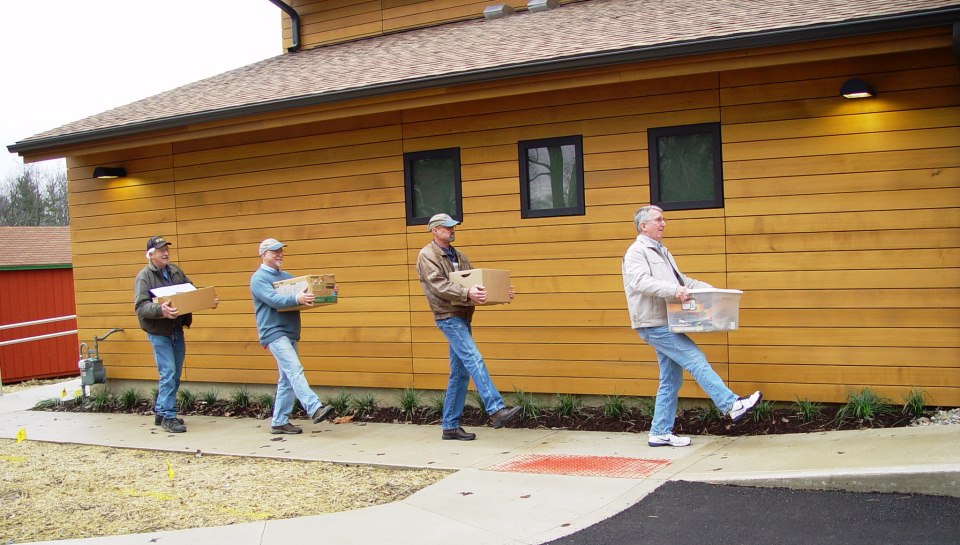
Moving day January 2013: “Limberlost version of Abbey Road” Ken Brunswick (then East Central Regional Ecologist), Randy Lehman (then Site Manager), Curt Burnette (Program Developer and Naturalist), and Dave Cramer (then president of Friends of the Limberlost). Photo by Bill Hubbard.

Wherein A Swamp Man Heeds the Call of the Limberlost

By Curt Burnette

“Eh labas! Comment ca va?” (“Hey there! How’s it going?”) This is how I was greeted by my Cajun co-workers years ago when I worked at a swam tour just outside of New Orleans. To which I would reply, “Ca va bien or comme si, comme ca, or ca va mal” (“It’s going well or so-so or it’s going badly”) – depending on how I felt.

My Cajun co-workers were the captains of the boats that took tourists down the bayous and into the swaps southwest of New Orleans. My job was to do educational programs under the tent where the tourists waited before they loaded onto those boats. I had interacted with Cajuns any times when I was the curator of the Louisiana Swamp Exhibit at the Audubon Zoo in New Orleans, but had never worked so closely with them on a daily basis before. I was embraced by them and accepted into their world, so in a way I became an honorary Cajun – Cajun Curt, the Hoosier on the bayou. I even own a Cajun dictionary and a Cajun canoe known as a pirogue.

I spent many years exploring and learning about the swamps and marshes of southern Louisiana. They are fascinating, legendary, famous places: the Atchafalaya, Honey Island Swamp, Manchac. I missed them when I returned to Indiana after Hurricane Katrina. When I got back to Indianapolis I re-entered the zoo world by working at the Indianapolis Zoo for several years. During that time, the closest I cam to fulfilling my love of swamps and wetlands was using baby alligators while doing education programs. After I quit the zoo, I thought my swamp days were completely over.

But then, as I searched for new work, I discovered a job possibility that actually involved a swamp – a swamp made famous over 100 years ago by an Indiana writer. The Limberlost State Historic Site was looking for someone to fill their naturalist and program developer position opening. I was intrigued. A fascinating, legendary, and famous swamp seemed to be calling me. I applied for the job, was interviewed, and offered the position. I took it and so I cam to the Land of the Limberlost.

By the time it had become famous, the Limberlost was mostly gone. During the time Gene Stratton-Porter was writing about it, it was disappearing. But the Land of the Limberlost survives and the local citizens of that land still care about it. When I arrived I saw the on-going effort to bring back a version of the legend that fit the current world and I was impressed. After 10 months on the job I am still impressed. Next month I will tell you more about why I like what I see and why I like where it is going. Au mols prochain, mes amis (see you next month, my friends).

Note: Last month Curt Burnette celebrated nine years at Limberlost as naturalist. This is a look back at his first Limberlost Notebook column for the Berne Tri-Weekly.

Source: Berne Tri-Weekly, Nov 2012

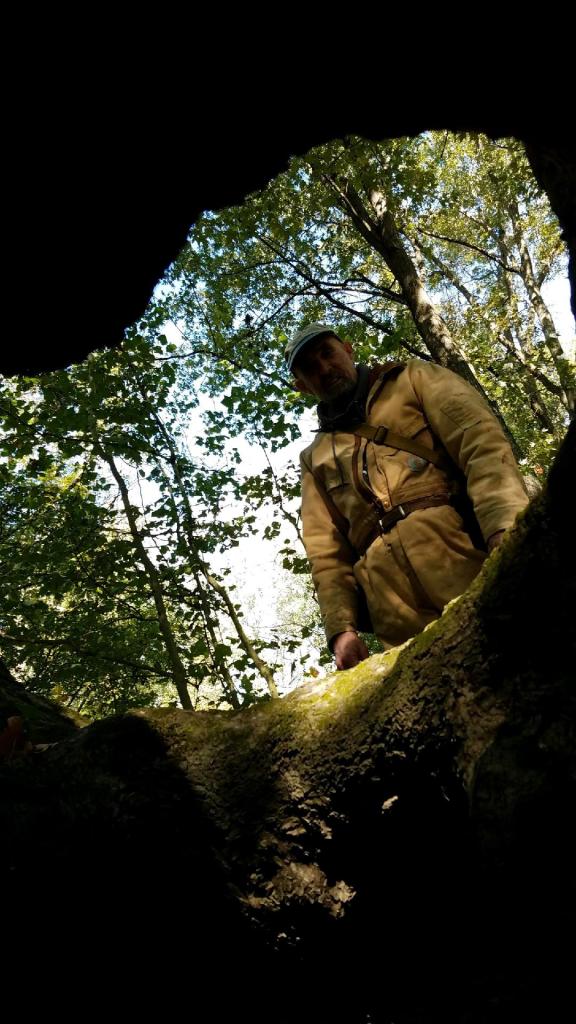
Curt looking into a giant sycamore tree.

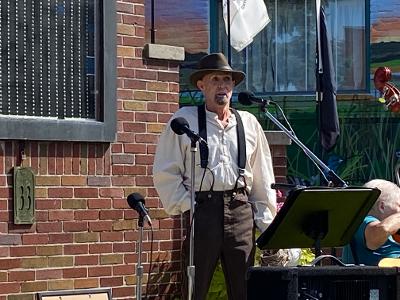
Curt portraying Paxson, Gene’s #1 Swamp guide, at the Mural festivities September 2020.

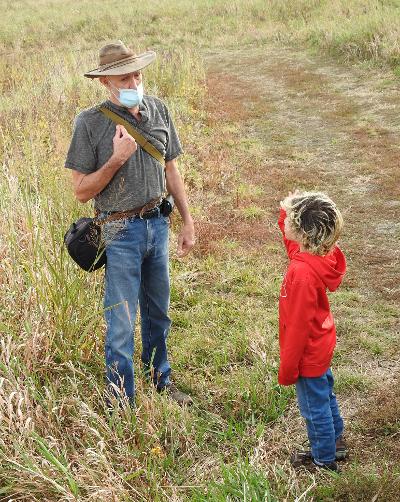
Curt leading a hike in 2020. Young hiker asks a question.

Early Spring? 

By Adrienne Provenzano

Several years ago, I was hiking in Rainbow Bend Park along the original Wabash River path. Suddenly, a furry brown critter dashed across the trail in front of me and into the brush along the bank. What was it? My best guess: a groundhog, also sometimes called woodchuck. It’s a common rodent in Indiana, the largest of the Indiana squirrel family, and goes by the scientific name of Marmota monax. I’ve been thinking about that close encounter with wildlife as February 2, commonly called Groundhog Day, approaches.

In search of more information about these critters, I turned to a publication on mostly small mammals create by Purdue Extension. Written by Robert N. Chapman and Rod N. Williams, the booklet Common Indiana Mammals is part of the education project The Nature of Teaching. This particular resource, FNR-413, and many others, can be found at http://www.purdue.edu/nature. Colorful images of 34 mammals and plenty of details on habitat, diet, distribution, reproduction, and ecology make this an excellent field guide and education resource.

In the introduction, the authors state: “Mammals play an integral role in many natural habitats. Knowing more about these intriguing animals can help us enjoy and appreciate the diversity of wildlife around us.”

According to the Wikipedia article, the idea of the groundhog as a predictor of seasonal change comes from Pennsylvania Dutch tradition that this mammal emerging from hibernation and seeing its shadow on February 2 means six more weeks of winter, but no shadow means early spring. Groundhogs hibernate over the winter months, beginning in October and generally reappear in March or April, but sometimes as early as February. In Germany, where the Pennsylvania Dutch were from, a badger was the forecaster, but sometimes a fox or bear was the designated animal. If you’ve seen the 1993 film Groundhog Day, you’re familiar with Punxsutawney Phil and his annual forecast. This year marks the 135th time the event will occur at Gobbler’s Knob in Punxsutawney, Pennsylvania!

We all may feel stuck in an endless loop these days, but spring is on the way! Whatever the groundhog may predict, if you visit a natural setting over the coming weeks and months you’ll start to see buds appearing on trees, sprouts coming up from the ground, and an increase in green and other vibrant colors. Local and migrating birdsong will fill the air, there will be the scents of blossoms, and gradually warming air. By march 20, the official spring equinox this year, there will be no doubt what season it is!

Adrienne Provenzano is a Friend of the Limberlost and Advanced Indiana Master Naturalist

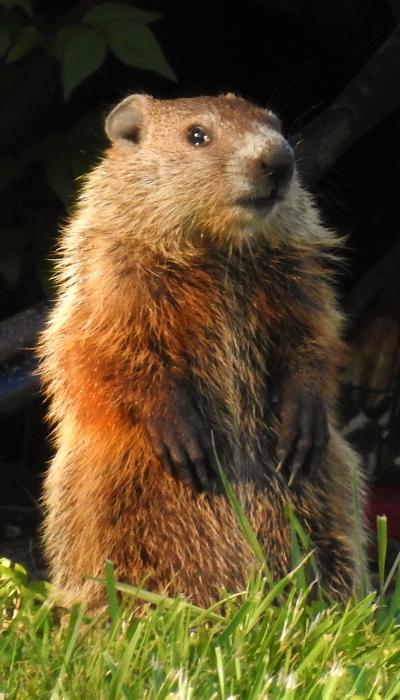
Groundhog. Photo by Curt Burnette.

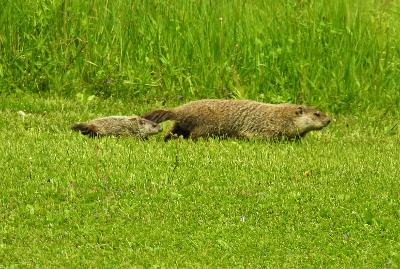
Groundhog with young. Photo by Curt Burnette.

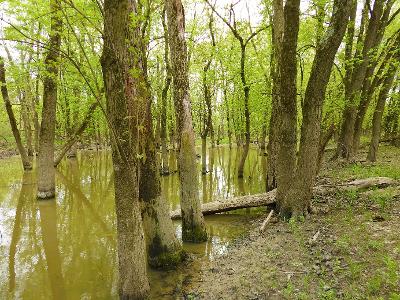
Some of Limberlost’s bottomland where the groundhogs live. Photo by Curt Burnette.

Limberlost where the groundhogs roam. Photo by Curt Burnette.

Limberlost in spring. Photo by Curt Burnette.

Limberlost in spring. Photo by Curt Burnette.

Friends of the Limberlost

In this blog we take a look what we accomplished this past year with the help of our members and generous volunteers and donors. The Friends of the Limberlost is a 501 (c) 3 not-for-profit. We work with the Indiana Department of Natural Resources Nature Preserves which owns most of the land in the Limberlost Conservation Area and the Indiana State Museum which owns the Limberlost State Historic Site.

We thank all that helped us this past year and hope you enjoy a look back on some positive things that happened in 2020 at Limberlost.

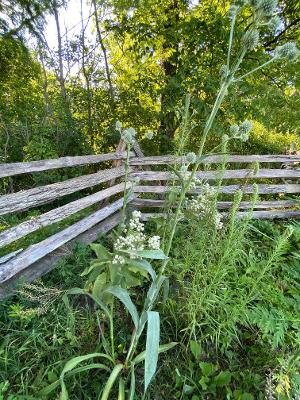
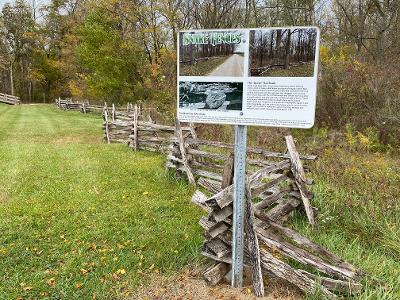
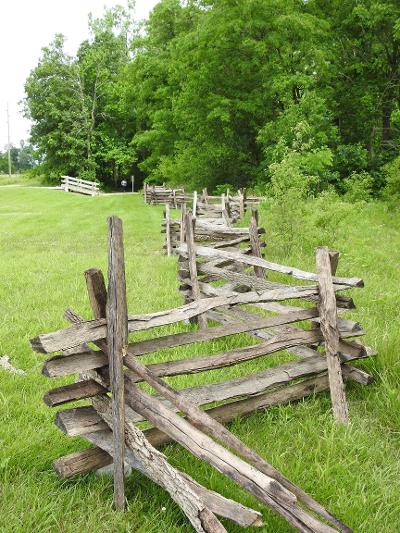
Retired Ecologist Ken Brunswick is currently the chair of the Limberlost Swamp Remembered committee. He had a vision of a snake fence being placed at Music of the Wild Nature Preserve along with native plantings along the fence. In June 2020, Dr. Richard “Doc” Yoder volunteered to build it. He built a 250 foot fence and donated his time and materials.

In the fall of 2019 and 2020, native plants were planted along the fence. We thank Rebecca Stafford for the donation of the plants and Connie Ronald for organizing the volunteers and transporting the plants. Those that helped were: Willy De Smet, Jack Ronald, Dale Widman, Zach Widman, Melissa Fey, Randy Lehman, and LaDonna Habeggar. Ken Brunswick and his grandchildren prepared the ground for the planting.

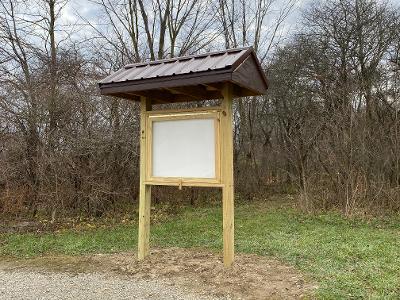
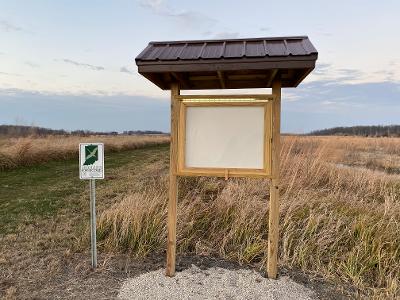
A new kiosk was installed in November at the Bird Sanctuary. This was made possible through a grant by the Goodrich Family Foundation.

A new kiosk was installed in November at the Limberlost Swamp Nature Preserve Deacon’s Trail parking lot. It was made possible with a grant from the Indiana Parks Alliance. The grant committee: Terri Gorney, Willy De Smet, Curt Burnette, Ken Brunswick and Randy Lehman.

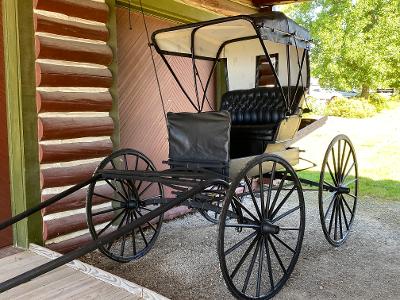
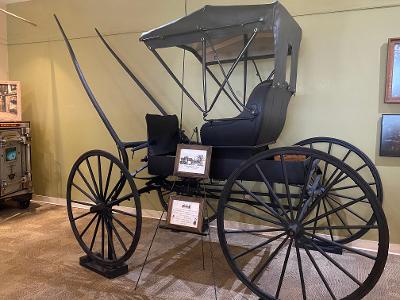
A carriage similar to the one that Gene Stratton-Porter drove for her ramblings around Limberlost was purchased by the Friends of the Limberlost in July 2017. It was restored and ready for its debut in the spring of 2020. The Friends have it on loan to the site.

The carriage is in the Visitor Center for the winter.

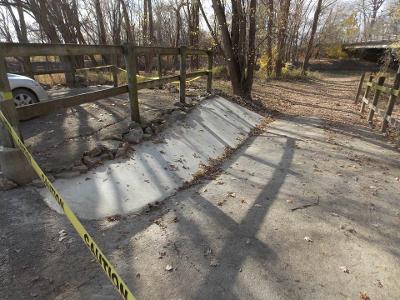
In November, repairs to the Rainbow Bend parking lot were completed.

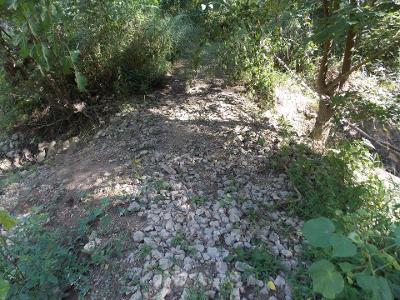
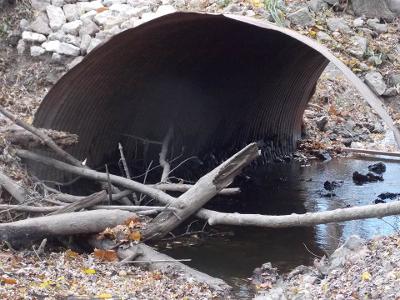
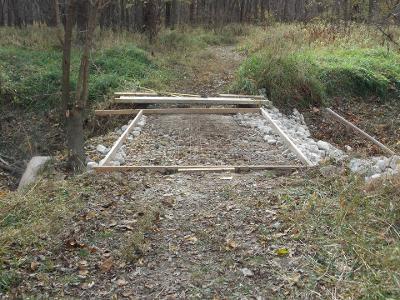
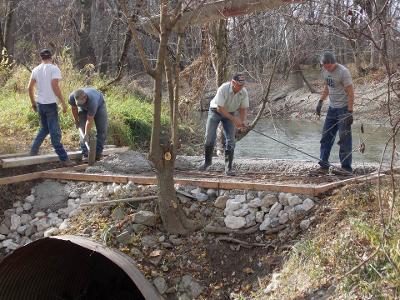
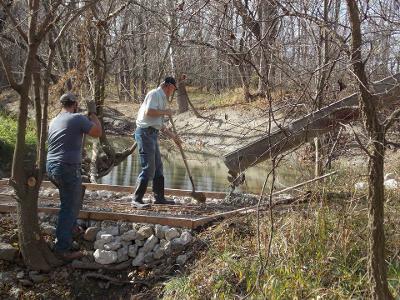
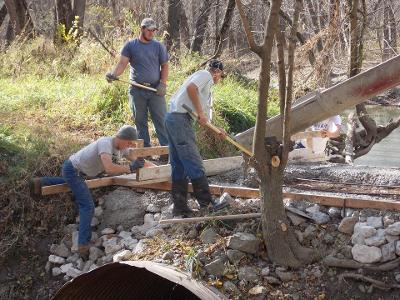
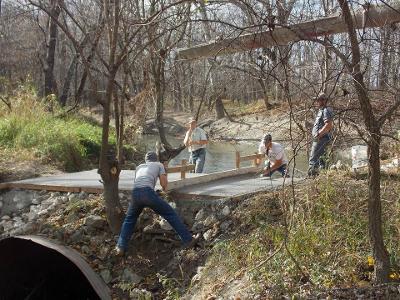
The culvert at Rainbow Bend/Bottom over the Engle Ditch was in need of repair. This was completed in early November. This is the pre repair photo. Ken Brunswick oversaw this construction and took the following photos.

The work begins.

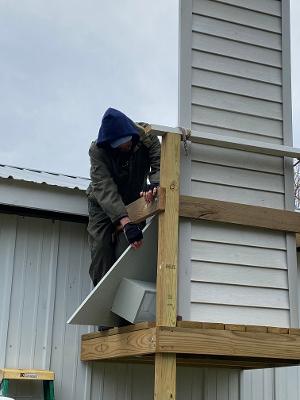
The chimney swift tower was the idea of Alexandra Forsythe. The Robert Cooper Audubon Society in Muncie received a grant to build a tower. Curt Burnette put a lot of volunteer hours into thinking about how to best construct it and then making it. It is attached to the Friends of the Limberlost barn along the Hart Trail at the Limberlost Swamp Nature Preserve. We have a chimney swift interpretive sign ready to be installed this spring. The tower is up and will hopefully be used for a nesting pair of chimney swifts in 2021.

The grant committee is currently working on three more interpretive signs. The 10.64 acres addition to the Loblolly Marsh Nature Preserve the Friends purchased last summer will begin restoration in 2021.

For members, we publish a newsletter four times a year and will continue to do so.

We are looking forward to 2021. January 1 we welcomed three new members to the board: Bill Hubbard, David Rezits and LaDonna Habeggar.

Thank you!

Wherein A Limberlost legend writes a book and gives us insight into how both he and the Limberlost were born again

By Curt Burnette

It is easy to forget that one person can make a difference in the world. It needn’t be something that affects the entire planet, very few people are able to do that. But many people can make a difference locally, and sometimes the impact of their efforts extends far beyond their area or community.

Local farmer-turned ecologist Ken Brunswick initiated and led the effort to begin the recreation of the Limberlost Swamp and other local wetlands. Geneva author Gene Stratton-Porter wrote about these areas in both her world famous novels and her nature books. It was after Ken witnessed farm fields flooding over and over that he connected their location to the Limberlost Swamp and Loblolly Marsh of the past. Once he understood that connection, he then remembered reading the books of Gene Stratton-Porter in his youth and realized this was the area she had written about. Those connections started a process of self-realization and environmental restoration. 

Ken writes about this process in his recently published book, The Limberlost “Born Again.” After his retirement from the Department of Natural Resources Nature Preserves Division, he began organizing his notes and data, researching information he still needed, writing and rewriting, giving draft copies to friends to read for their comments and criticism, and adding and deleting everything from sentences to chapters. In the midst of all of his work, Ken had a stroke which affected him enough to slow him down, but it did not stop him. He continued working on his book while everyone encouraged him and pestered him and anxiously awaited its publication.

His book was worth the wait. Ken describes in detail how each portion of the Limberlost nature preserves was acquired. He also writes about, in the first few chapters, his boyhood in Ohio, the many jobs that gave him expertise he would use in the future, his military experience, moving to Indiana nd dairy farming and his struggle with alcohol. It was his battle with alcohol that eventually led him to embrace his faith and be personally born again. Once Ken had been born again, he was ready to help the Limberlost be “born again.”

The Limberlost “Born Again” is the type of book that an appeal to a wide audience. Those who want to learn about wetland restoration will read a step by step description of the process. Those who like to read about a person’s life and what factors helped to determine the person thy become will enjoy the stories and anecdotes Ken relays. Local folks will enjoy reading about the history of the Limberlost area, from the Ice Age to our current time. And everyone should be interested in the true stories of the Limber Jims (yes, there were more than one!) who gave their name to the creek and swamp, a name Gene Stratton-Porter spread around the world. Ken Brunswick’s book of a man and Limberlost being born again is a ready that is well worthwhile.

Note: This blog was originally published in the Limberlost Notebook column in the Berne Witness in August 2017.

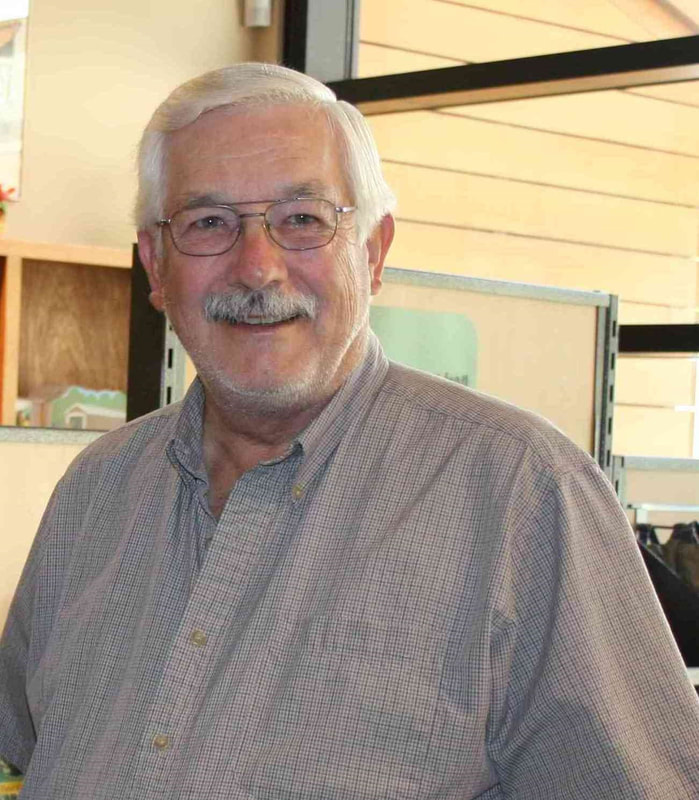
Ken Brunswick

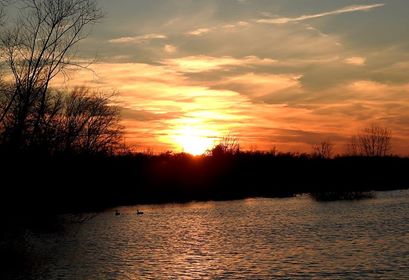
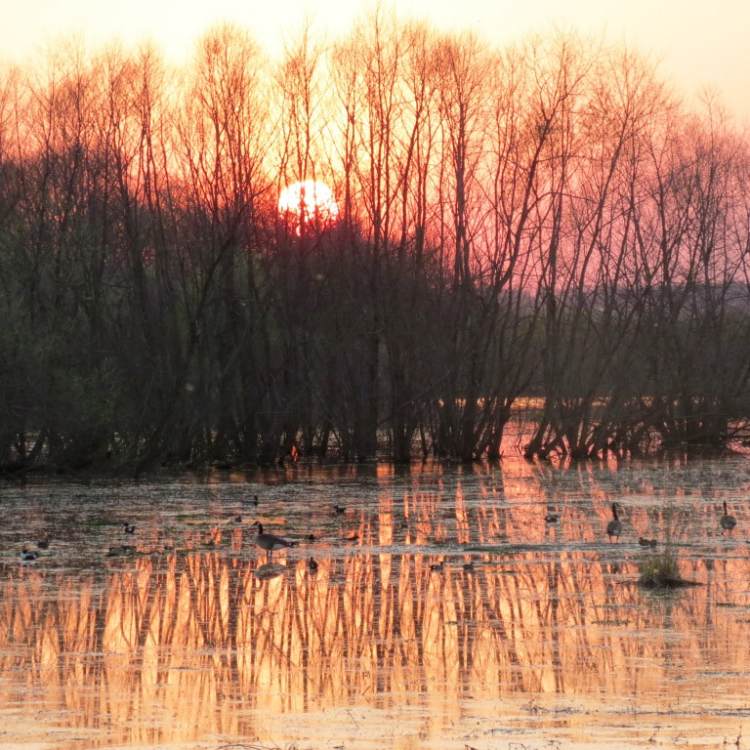
Sunset at the Loblolly Marsh Nature Preserve

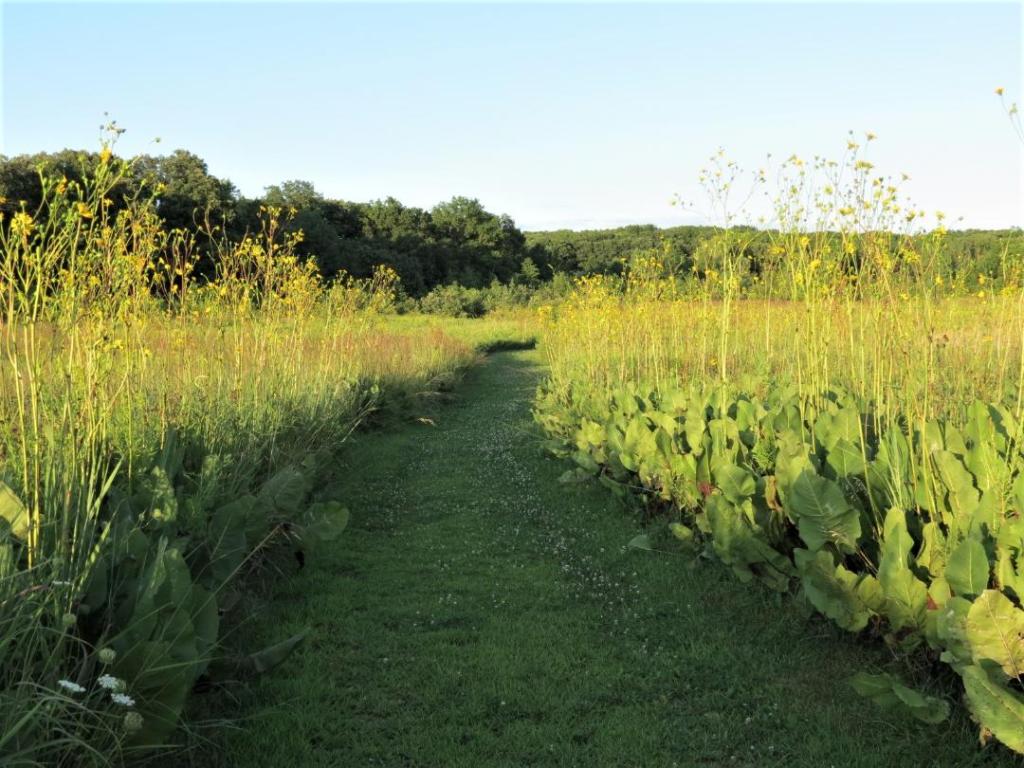
Prairie Dock in late August at the Loblolly Marsh Nature Preserve

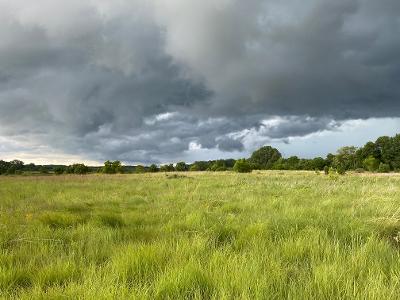
Rain clouds over the Loblolly Marsh Nature Preserve

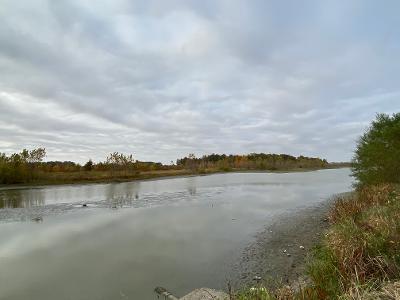
Limberlost Swamp Nature Preserve in October

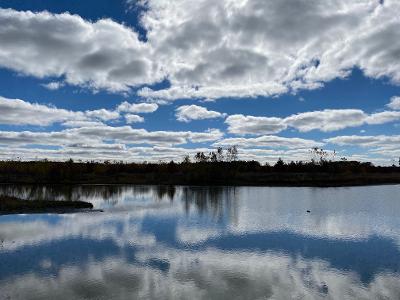
Clouds over Limberlost Swamp Wetland Preserve

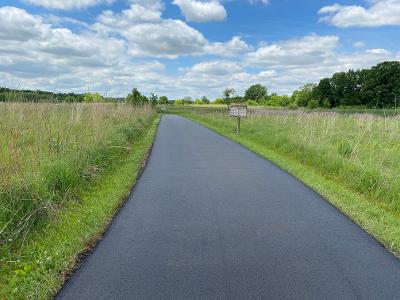
Veronica’s Trail at the Loblolly Marsh

Canada goldenrod

Snake fence at Music of the Wild