Freckles

An Indiana Woman’s Novel

About a year ago “The Song of the Cardinal” a book written by Mrs. Gene Stratton-Porter, an Indiana woman, attracted attention because of the new note it struck in the nature study line. “Freckles,” her latest production, just issued by Doubleday, Page & Co., is a more ambitious effort. It, too, deals with out of door life—the forest, the birds and the flowers—but, in addition it contains a love story of an ardent sort. The scene is laid in and about the Limberlost, the big tract of forest land mentioned in “The Song of the Cardinal,” and supposed to be located in northern Indiana. The hero, a nameless youth known as “Freckles” is in the employ of a lumber company and in his work as watchman of the timber tract acquires a deep love for the wild things of the wood. His sympathy for and acquaintance with birds are especially great and he finds welcome companionship among the feathered creatures. A “woman with a camera,” who also loves birds, comes to know him and through her he meets “Angel,” a young girl of marvelous attractiveness with whom he falls hopelessly in love. There are difficulties and complications, because he is a nameless waif, but these are eventually cleared away. There are also adventures, dangers, and even tragic occurrences, but they only serve to throw the final happiness into relief.

The enthusiasm for nature which pervades the tale is given an intensity to which the average reader will hardly be able to rise, but as it is in keeping with the tone of the nature literature now so popular, perhaps no criticism belongs to it on that account.

The book is likely to be widely read. The volume is profusely illustrated by Earl Stetson Crawford.

A Decatur, Ind., correspondent has this to say of the author and her work “Gene Stratton-Porter is an Indiana woman, a native of Wabash, where she has a host of friends. She has worked all her life to fit herself for a literary career and began publishing four years ago. She is an ardent lover of nature and in order satisfactorily to illustrate her writings in this line she has so mastered the camera that her right to the position of the greatest living photographer of birds is undisputed. No one approaches her work in bird pictures. For the past four years the editors of the Photographic Times Annual Almanac have tendered her first place in natural history photography.

“She was for two years the nature historian of the staff of Outing, and it as on that publication that her skill with the camera became evident and the charm of her nature writings was recognized. All of her short stories she has sent to the Metropolitan, whose editor accepted her first venture in that line and immediately invited her to write his leader for the following Christmas.”

“As she only does nature illustration Mr. Crawford was sent to her home to draw the characters for her novel under her supervision, so that they could not fail to illustrate and harmonize with the story.”

“Mrs. Stratton-Porter lives in a picturesque log cabin, designed by herself, at Geneva, Ind. She devotes all her time to her camera work afield and to literary work at home.”

Source: The Indianapolis Star, 6 Nov 1904, p. 13.

Notes:

The Limberlost was once 13,000 acres in southern Adams and northern Jay Counties. Today the Friends of the Limberlost and DNR Nature Preserves is working to restore some of these wetlands that Gene Stratton-Porter made famous.
The inspiration for her book was Ray Boze who worked for Gene.
E. Stetson Crawford spent part of the summer of 1904 in Geneva illustrating “Freckles.”
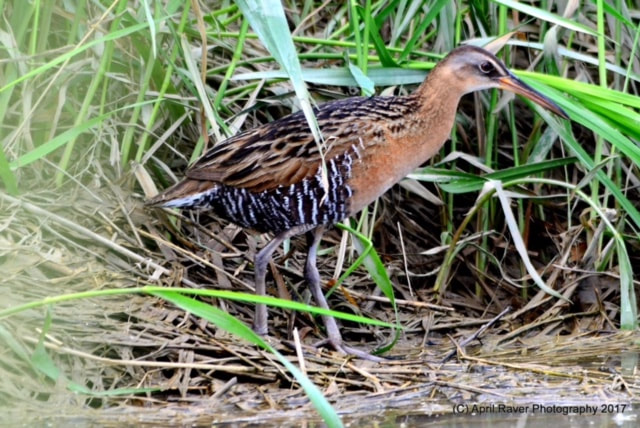

The King Rail

By April Raver

One hundred years ago, a young woman was standing along a dirt road in Geneva. She carried with her a camera weighing close to 40 pounds while she observed the birds and bugs and animals enjoying a crumbling fence along the edge of a field. When suddenly she heard a sound….

Fast forward one hundred years later, another young woman was standing alone along a dirt road in Geneva. She, too, carried a camera with her while she observed the butterflies and birds and animals along the edge of the fields and wetlands. When suddenly she, too, heard a sound….

“M-U-M-M-M-M” “GYCK!” “GYCK!” That’s how Gene Stratton-Porter described that noise she heard that day so many years ago. She quickly made her way across the swamp to where she found a noisy bird calling among the reeds. Gene called her “The Queen.”

Last weekend, it was I who stood along County Line Road, when I heard that same sound. I wasn’t sure what it was…and I had a hard time finding words to describe it other than “LOUD!” After spending some time trying to locate the source of the sound, I was still confused. Thanks to today’s technology I pulled out my cell phone and recorded a quick video of the voice as it echoed through the air. I posted it to my Facebook page and asked….”What is that loud noise!?!” I was fully expecting to be told “frogs” which seems to be the answer every time I get confused by a call I’m not sure of. But not this time! One of my birding friends quickly commented on my post that he was no expert but to him it sounded like a King Rail! A King Rail! I was surprised by that answer. I quickly googled “king rials” and listened to their call on All About Birds. Much to my surprise it sounded just like it! I shared my post to the Birding in Indiana Facebook page and asked….”Could it really be a king rail?” My phone started dinging immediately as people commented agreeing that it was indeed a king rail! The excitement on the post was electric. I text a birding friend who lives not too far from Limberlost and let him know what I was hearing. He headed that way.

The rail continued to call and I continued to try to see it! The call was so loud it was echoing across the fields creating an illusion of more than one bird. When my friend arrived, we could tell the bird was somewhere in the reeds along the creek bed. My friend friend noticed a path worn in the reeds where the rail appeared to travel back and forth along the bank. We stood quietly on the opposite bank, listened to the calls, and watched the moving reeds. Eventually the rail appeared in one of the openings at the water’s edge. We both gasped! There it was! What a beautiful bird! Bright orange neck, long beak, big feet and the cutest little white bottom…a King Rail! We were able to watch the bird for a good while as it traveled back and forth along its little path in the reeds. We both took many pictures and a couple of videos before we left. As we went on down county Line Road for some more birding, we did indeed hear a second king rail about a quarter mile down the road from the first!

As I stood and watched that little rail wander in and out of the reeds, I couldn’t help but think of Gene one hundred years ago. Was she caught in the same awestruck wonder, as I was that day? Did she notice how loud the call was? Did it echo against the fence posts as Gene listened? Did she appreciate what it was that she was observing?

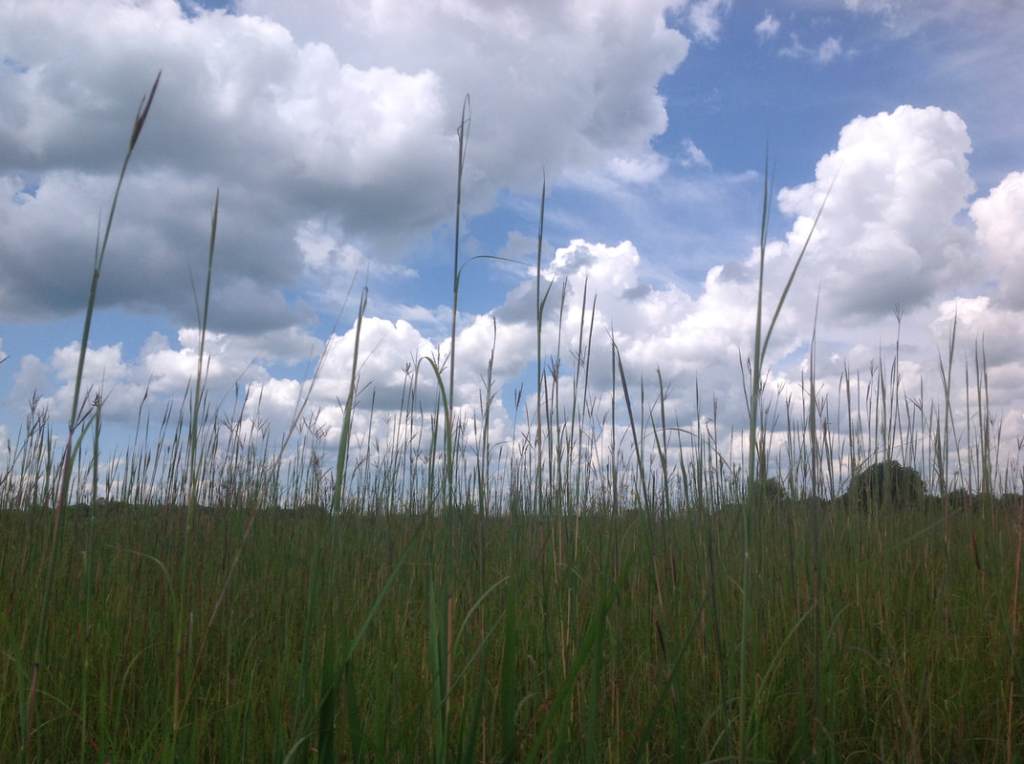
When I stand on the edge of the Limberlost I always think of Gene and her swamp. As the killdeer yell while flying overhead and the blackbirds trill from the tip of every reed, I stand quietly and look around. After the rains, the swam is alive with water. Mallards, egrets, herons, mergansers, and teal play in the waters. Vultures and eagles ride the currents over head. Frogs sing from every corner and snakes slither by in the sunshine. Monarchs and dragonflies buzz across the grass. Did Gene stand in the same spot one hundred years ago and soak in the beauty much like I do today?

If you’ve never visited Limberlost Swamp, I encourage you to take the trip. Take a moment to walk down Deacon’s Trail. Listen to nothing but the sound of the frogs and blackbirds. Let the wind blow your hair and the sun tan your skin. Notice the spots on the sandpiper and the lines on the dragonfly’s wings. And if you hear a “M-U-M-M-M!” “GYCK!” “GYCK!” know that is just The Queen shouting “Limberlost Lives!”

Note: April Raver is a member of the Friends of the Limberlost, president of the Mississinewa Audubon Society, and volunteer for the annual SANJO Christmas Bird Count as well as other organizations.

Loblolly Marsh Collaborative Poems

Collaborative Poems by Indiana Poet Laureate Shari Wagner’s August 26, 2017 Arts in the Parks and Historic Sites poetry workshop at Loblolly Marsh Nature Preserve, Limberlost State Historic Site

Contributors: Kristine Anderson, Cassie Caylor, Tanya Caylor, Rosemary Freedman, Linda Reising, Christina Simmons, Katie Simmons, Jessica Thompson Kathleen Yeadon (Rosemary and Kathleen were part of the July 22 workshop also)

The Prairie Dock

after Mary Oliver

Come with me
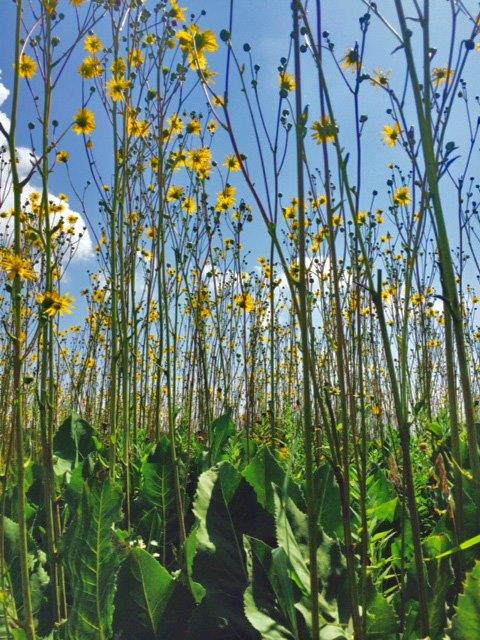
through a yellow canyon

of prairie dock, their faces
bee magnets

or vagabond stars
urging us on

to hide and seek
in an ocean of yellow.

They show us courtesy,
blooming in late August

announcing, or rather
chiming, the fall. They

whisper in passing
how small we are. They are

The celebrities of the prairie,
waving like sails catching

the wind. But wait–
their leaves cling like ballast

close to the ground. Come,
grasp those leaves, rough

like the hands of farmwives.

August Gold

“What a quantity of gold
there is in a marsh……..”
-Gene Stratton-Porter

There’s gold
in the petite bells
of partridge peas,

in how they line-up
along the stem, good
soldiers at attention

There’s gold
in evening primrose,
gold as in slow churned butter
and pressing your lips
to the first peach
of the season

There’s gold in tickseed
ready for the pounce

and in rudbeckia’s
black and yellow-winged
butterflies

There’s gold
in cottonwood leaves,
yellow hearts
pasted over green

Gold in prairie dock,
a thousand stars
anchored to the earth,
reaching for the blue

There’s gold
in the goldenrod, or so
Thomas Edison believed,
making rubber tires
for Henry Ford’s car

The pictures were taken by Shari Wagner.

Butterfly Farming

By Melissa Fey

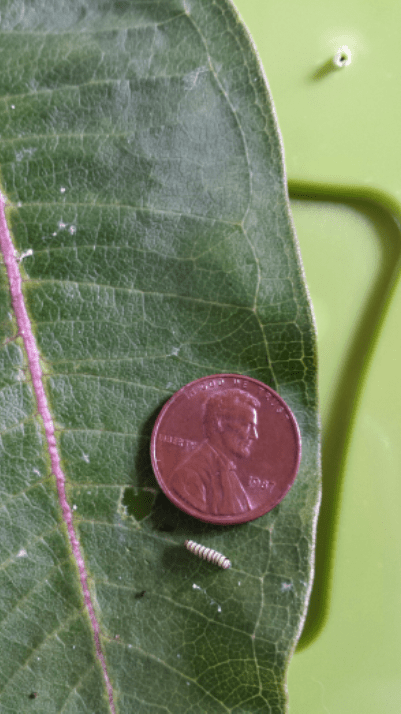
I never dreamed that when I attended a workshop on Monarch butterflies in August 2015 that I would get “hooked.” I went to learn about the life cycle of the Monarch and the fascinating story of their migration journey to Mexico every year. We each were sent home with a Monarch egg and a caterpillar and that was all it took.

The story of the Monarch (Danus plexippus) butterfly is truly fascinating. The butterflies that leave here in the Fall fly almost 2,000 miles to winter in Mexico. They live in large colonies that hang from trees. In March, they start to migrate back north. They will get as far as Texas and deposit their eggs on the new grown of milkweed plants for a new generation and then die. The Monarchs that hatch in Texas will fly as far as Tennessee and lay their eggs; these butterflies that emerge are the ones that fly to the Midwest in the early Summer. It is unknown why they migrate or how they know where to go; just one of those mysteries of Nature.

That first year, 2015, I raised and released 73 Monarch; 2016 was not as good a year for the butterfly and I was only able to raise and release 35 butterflies. However this year is turning out to be a great year for the Monarch.

I started looking for eggs in early July. Before long I had numerous baggies full of milkweed leaves with eggs attached. It normally takes about 3-5 days for the eggs to hatch, at that point I transfer the leaf to a plastic container where the caterpillars continue to eat and grow. The caterpillars continue to eat for 14 days before turning into a chrysalis. In about 10 more days they emerge from the chrysalis as a beautiful Monarch butterfly. The last couple of days before the caterpillar turns into a chrysalis they have a voracious appetite and eat several leaves each day. I have to check the caterpillars morning, noon and night to make sure they have plenty to eat and to clean out the waste in their containers. This means that every day I am out foraging for more and more milkweed leaves and finding more and more eggs and caterpillars.

This year I devised a method to allow the caterpillars more freedom and fresh air, rather than being stuck in a plastic jar. I purchased a mesh organizer that has 6 large compartments. I refer to it as my “caterpillar condo”. Once the caterpillars have grown to 2″ long I move them to the “condo,” where they can munch on leaves and explore the mesh surrounding them. When they are ready to turn into a chrysalis they climb to the top of their compartment and attach to the ceiling. This way when they emerge they can hang down and have a large open area to flex their wings. There is an occasional escapee and they sometimes move from one compartment up to the next, so I think they like it.

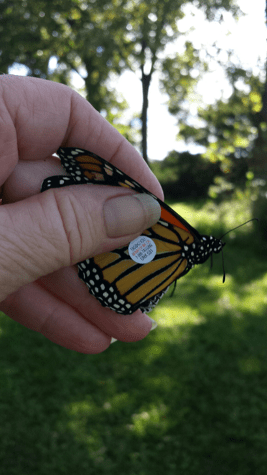
The butterflies that emerge towards the end of August are the ones that make the long trip to Mexico. An organization called Monarch Watch tries to gather data from citizen scientists, such as myself, to determine the numbers of the Monarch plus their range. I purchase tags that are affixed to the Monarch’s lower wing. The tag is 3/8″ round and has an 800 number, website address and a coded number unique to each butterfly. Information I gather: date released, location and sex, are recorded on a spreadsheet for each coded number and then emailed to their organization. In Mexico, they pay villagers to read the tags so scientists can record and track the Monarch migration. Their website can be accessed the following year to see what butterflies “made it.”

The Monarch butterfly is not endangered, but its numbers have dwindled because of loss of habitat, drought and cold weather. What can you do to help? We cannot control the weather, but we can help with the butterfly’s habitat by planting milkweed. This is the only plant that they will lay their eggs on and the caterpillar will eat. Please help bring back the Monarchs.

To learn more about the Monarch visit: www.monarchwatch.org

To keep track of the Monarch migration visit: www.learner.org/jnorth/monarch

Melissa Fey is an Advanced Indiana Master Naturalist and an an officer on the Friends of Limberlost State Historic Site board. 

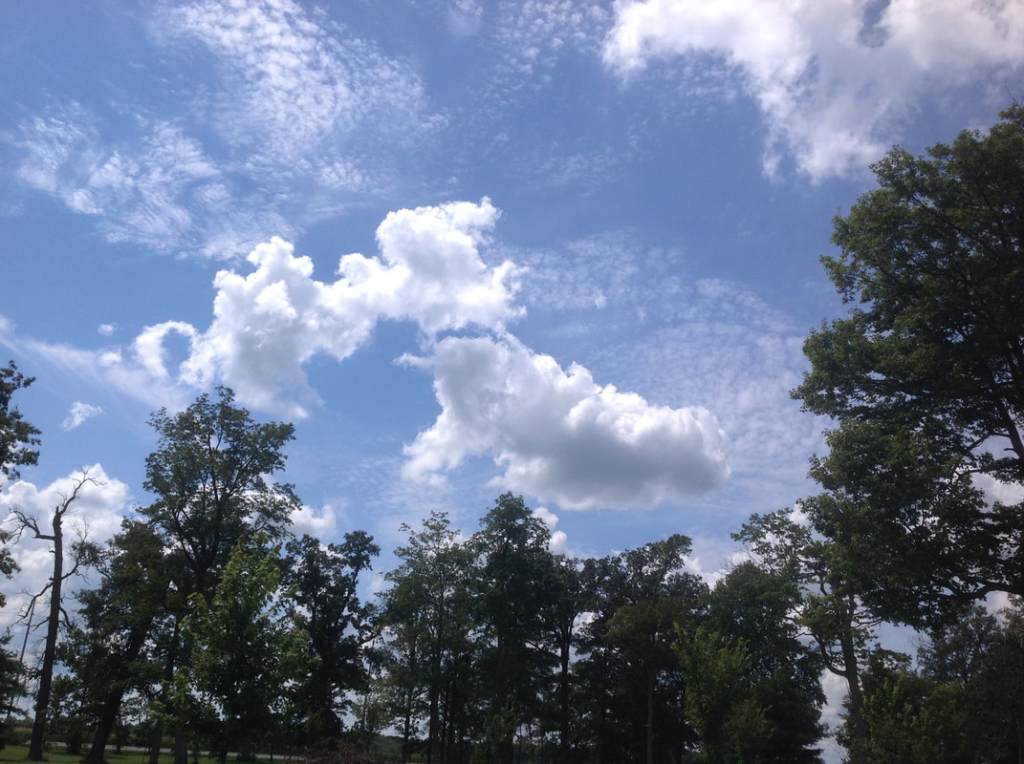
Clouds

In her book “Music of the Wild,” Gene Stratton-Porter quoted Thoreau and disagreed with his statement about cutting down the clouds. In her writing, she showed that she understood about the need for conservation and the consequences for not conserving our resources.

There is a preserve just south of Geneva Indiana called Music of the Wild; Part II of the book was written about this area along the Limberlost Creek. The preserve is open to the public. In October, the second annual guided hike of this area will be given by Limberlost Naturalist Curt Burnette or you can rent-a-naturalist through Limberlost State Historic Site for your own custom tour.

Gene’s writing:

It was Thoreau who, in writing of the destruction of the forests, exclaimed, “Thank Heaven, they can not cut down the clouds!” Aye, but they can! That is a miserable fact, and soon it will become our discomfort in air until they meet other vapor masses, that mingle with them, and the weight becomes so great the whole falls in drops of rain. If men in their greed cut forests that preserve and distill moisture, clear fields, take the shelter of trees from creeks and rivers until they evaporate, and drain the water from swamps so that they can be cleared and cultivated, they prevent vapor from rising, and if it does not rise it can not fall. Pity of pities it is; but man can change and is changing the forces of nature. I never told a sadder truth, but it is truth that man can “cut down the clouds.” In utter disregard or ignorance of what he will do to himself, his children, and his country he persists in doing it wherever he can see a few cents in the sacrifice.

Gene’s Poems

Indiana Poet Laureate Shari Wagner is our poet-in-residence at Limberlost State Historic Site in 2017. These workshops are made possible by the Arts in the Parks and Historic Sites program with a grant from the Indiana Arts Commission. In her July 22 workshop, she incorporated some of Gene Stratton-Porter’s poems. Below are three short poems that Gene wrote for “Music of the Wild.” The photographs at the end of the poems are Gene’s.

The Orchard Moth

When the sun has gone to rest,
And the moon rears her shining crest,
The night moth courts in orchard glade,
To the screech owl’s wavering serenade.

The Smokehouse

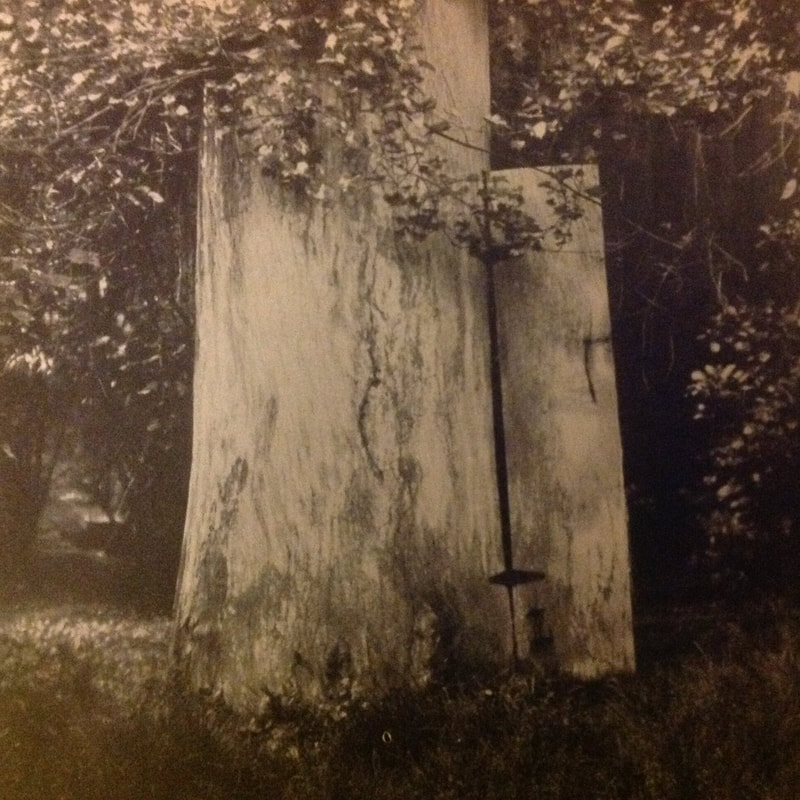
Through cycles the sycamore lifted its head,
Above savage and beast with stealthy feet,
Now it stands by the old woodshed,
And serves to cure the summer meat.

Screech Owl

The screech owl screeches when courting,
Because it’s the best he can do,
If you couldn’t court without screeching,​
Why then, I guess you’d screech too.

Collaborative Poems

From “Inside Gene Stratton-Porter’s Cabin”: A Poetry Workshop, July 22, 2017

Given by Shari Wagner, Indiana Poet Laureate

This workshop was part of the Arts in the Parks and Historic Sites program. It was sponsored by the Indiana Arts Commission and Limberlost State Historic Site.

Limberlost Cabin
After Ted Kooser’s “Abandoned Farmhouse”
In Memory of Gene Stratton-Porter

She loved every flying thing,
says the casement of moths.
The moon-white wings, now still,
stare out at us. A woman of light,
says the square window looking toward town,
the guest window into the Limberlost,
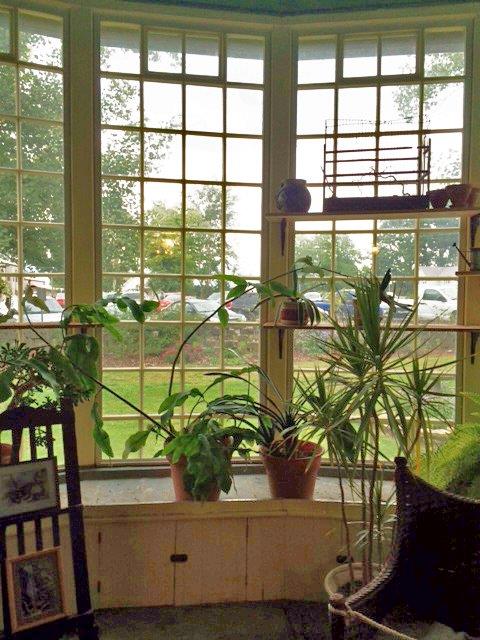
and the west-facing conservatory–
mosaic of small panes to catch
the afternoon sun. She used her strength
to look outside, says the kitchen window,
oak and heavy and open, a size
she could walk through and return.
She crossed tracks of raccoon and skunk,
toes numbed by snowy drifts,
to rescue a bird in mittened hand,
says the iron heat register
that warmed her feet. She gathered
’round my warmth with stories to share,
says the fireplace holding photographs.
Gene was a loved woman,
says the onyx and pearl pendant
given her on her first anniversary.
She stood patiently in the dark
for nature photos to process,
says the rusty old rose lamp.
We knew her purposeful steps,
say the doorways and portals.
She welcomed every creature,
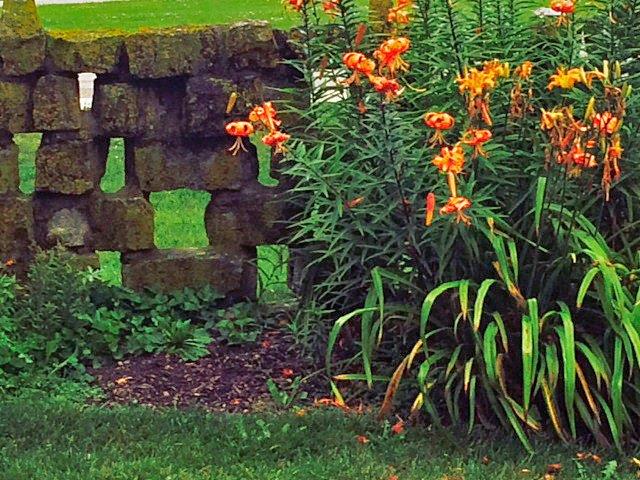
says the stone fence built
with apertures for squirrels and honeybees.
Nature became the mother
she searched for, says the flash,
of a cardinal in the trees.

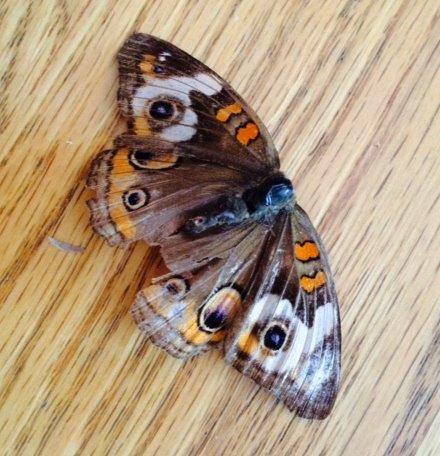
Buckeye Butterfly

Headless, it smells of dust
with eyes like peacock feathers
or the eye of the Magic Eight Ball.
It’s imprinted with the Mystic Eye.
It’s a wooden pin hand-carved
by a master carpenter.
To me, it’s the gossamer cape
of autumn and tattered
like wind-shredded leaves.
Though dead, there’s a passive
fluttering, an earthbound spirit,
when once we remember
the glory of spring.

We thank all the talented poets for these two beautiful poems from their day at Limberlost and to Shari Wagner for your guiding hand and the photographs.

Moth Week

By Adrienne Provenzano

Gene Stratton-Porter’s “Flying Flowers” Celebrated in July by Adrienne Provenzano

July 4th has come and gone, but there are still opportunities to celebrate this summer! Nine days this month – July 22 -30, 2017 – have been designated as National Moth Week. The event was started in 2011 by Friends of East Brunswick Environmental Commission in New Brunswick, New Jersey, as a way to encourage people to learn about moths and engage in citizen science observations.

According to the National Moth Week website, nationalmothweek.org, there are 150,000 to 500,000 moth species, worldwide. The website includes many interesting blog posts about moths worldwide, information on how to attract moths, and suggestions for being a citizen scientists.

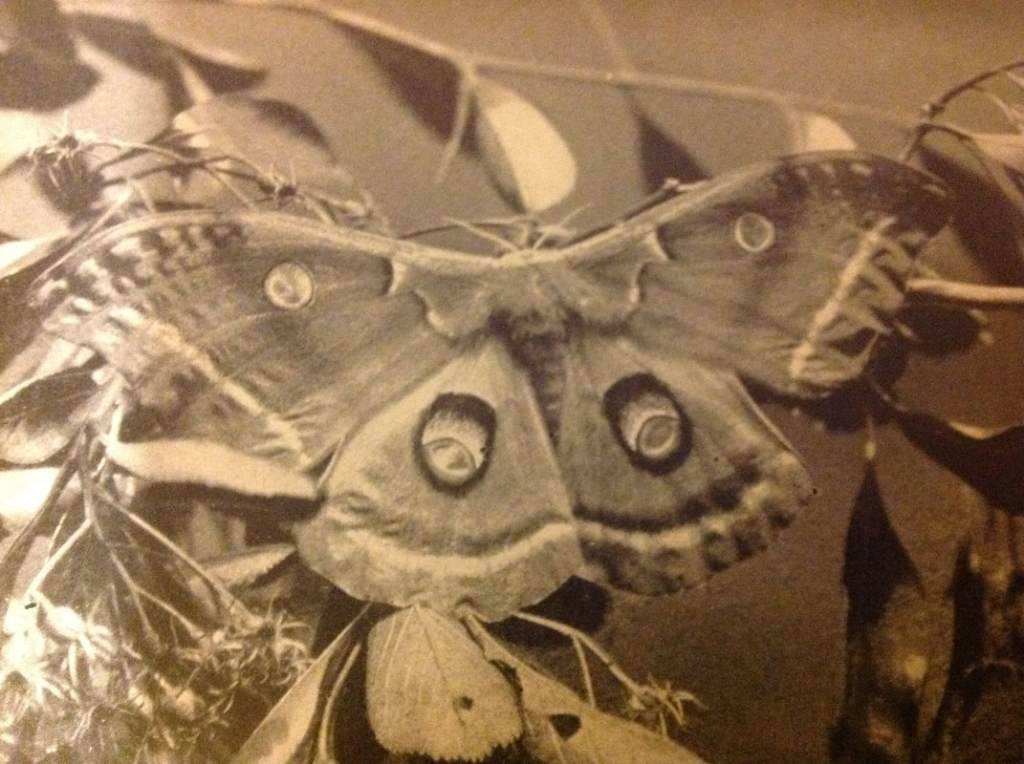
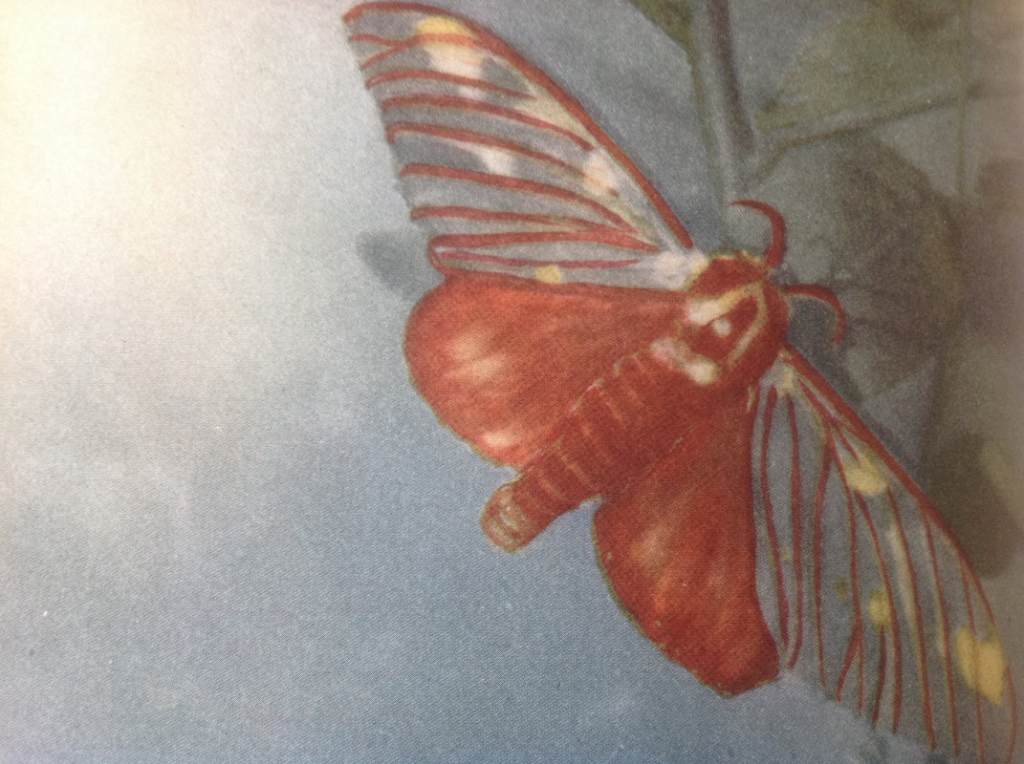
In her 1910 publication, Moths of the Limberlost, Gene Stratton-Porter wrote detailed descriptions of thirteen types of moths she collected in the Limberlost. She also took photos of each type through their full life cycle and hand colored a photograph of each to include in her book. The Eacles Imperialis (Yellow Emperor) that features prominently in Stratton-Porter’s 1909 novel The Girl of the Limberlost is one of the moths lighlighted. Moths of the Limberlost provides insights into Stratton-Porter’s life at Limberlost Cabin and her nature study methods. Passionate about moths, she slept with cocoons near her pillow so as not to miss a moth emerging. She preferred to photograph moths and paint their colors as close to coming out of the cocoon as possible, as that was when the coloring on the wings was most vibrant. Some other moths included are Moths of the Moon (Actias Luna), The Pride of the Lilacs (Attacus Promethea), and King of the Hollyhocks (Protoparce Celeus).

Gene Stratton-Porter was curious about moths even as a little girl, convincing her family though her careful observations and curiosity that Deilephila Lineata, a moth commonly thought of as a bird and called the Lady Bird, was actually a moth. In her youth, she first saw a Cecropia, called the Robin Moth for it’s distinctive reddish markings. It was years later when she saw that species again – on her own front porch of Limberlost Cabin in Geneva, Indiana.

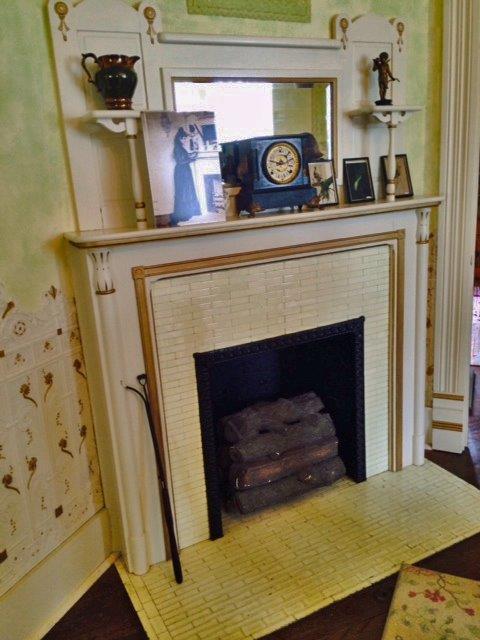
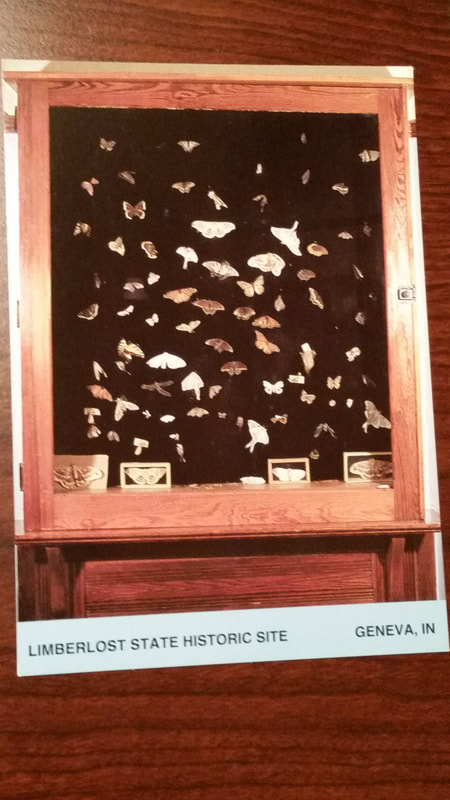
In a bedroom in Limberlost Cabin, a collection case was set up on the mantle of a gas fireplace. That case is still there today and includes a variety of species, in addition to those featured in Moths of the Limberlost. The eighty-four specimens include monarchs, Eastern black swallowtails, luna moths, yellow emperor moths, and even a great spangled fritillary! There are also several dragonflies, another insect Stratton-Porter liked and photographed.

During a visit to the Limberlost State Historic site earlier this year, I took time to carefully observe the collection case. A chart provided to me by site staffers, and created years ago by an entomologist, identifies the contents of this unique “cabinet of curiosities.” Some small paper identification tags remain attached by several specimens. The ink is faded, but it was possible to make out the date: 1906. For that instant, it was as though I’d traveled back in time. As Gene Stratton-Porter states in the beginning of Moths of the Limberlost: “To me the Limberlost is a word with which to conjure; a spot wherein to revel.”

Happy National Moth Week!

Gene’s Faithful and the King Moth

By Terri Gorney

Gene Stratton-Porter had a group of people around Geneva that she called the “faithful.” These were the people who brought her cocoons, moths, caterpillars, wounded birds, or passed her information about birds. Who were these people? Research has shown them to be everyone from school age children to farmers to people who worked for the Porters. Most of these people became friends and lived within three miles of the Limberlost Cabin. Some she mentioned in her nature study books.

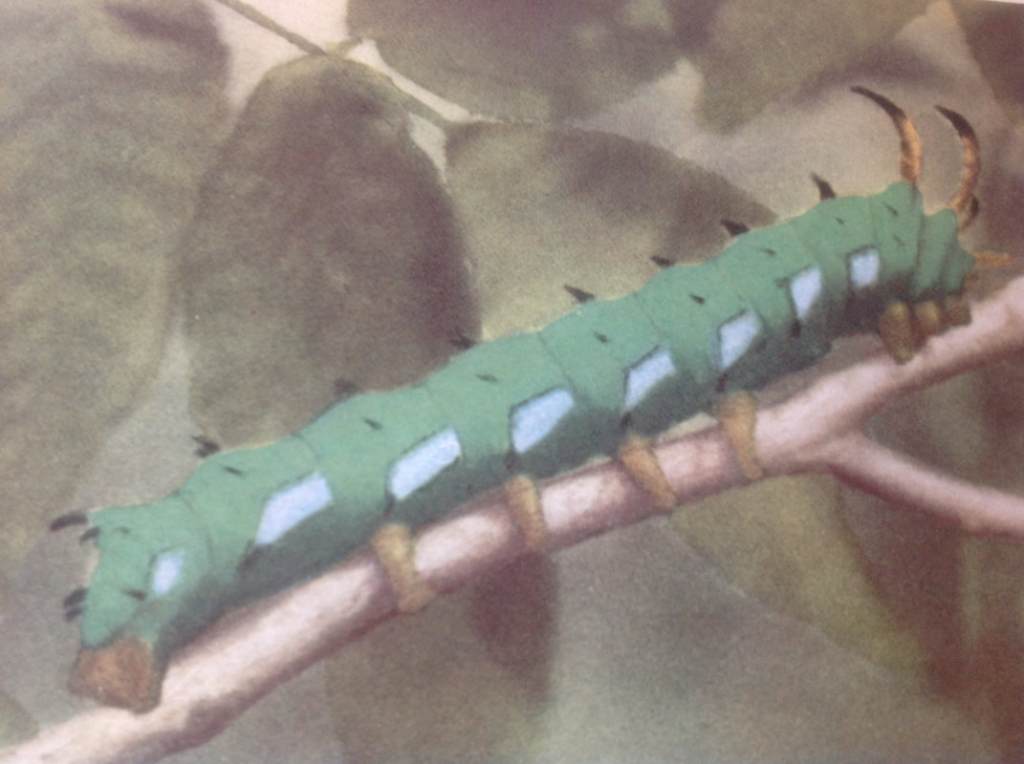
In the summer of 1911, Gene was looking for the Citheronia realis (King Moth). She was “delighted to know that the rarest moth of America was native to the Limberlost.” Gene’s daughter found one along the road (now US 27) to Portland. A few days later, Arthur Fensler brought her a Hickory Horned Devil (King Moth caterpillar) as did Willis Glendenning.

Andrew Idlewine stopped at the Bank of Geneva to give a caterpillar to Charles for Gene. He said it was the “most forbidding insect” he had ever seen. It too was a Hickory Horned Devil and was 6″ long. Andrew told Charles he did not want any money for it, only a copy of a picture if Gene photographed it.

Andrew was one of the “faithful.” He was a native of Indiana and a Civil War veteran. He served with the 5th Indiana Cavalry. After the war, he married Catherine Shingledecker, and settled on a farm outside of Geneva, just west of the Westlawn Cemetery.

Gene watched Andrew’s caterpillar eat hickory leaves for three days until it transformed to the pupa stage. She had three chances of them becoming the King Moth. She watched over them all winter and was rewarded with one female and two male moths! She had “reared specimens of the rarest moth in America.” Andrew’s was the best and the one photographed in her book.

Andrew passed away at age 87 in 1929. His obituary noted that he was “industrious and of a kind and friendly disposition.”

If you want to read more of the King Moth story, it is in the Miracle Moth chapter in “Tales You Won’t Believe.” Gene’s nature study books are perfect for summer reading.

The Bird Sanctuary

By Terri Gorney

In his June 30 “Limberlost Notebook” (Berne Witness) column​, Curt Burnette wrote about the Anniversaries that Limberlost is celebrating this year. One of these is the 70th anniversary of the Bird Sanctuary.

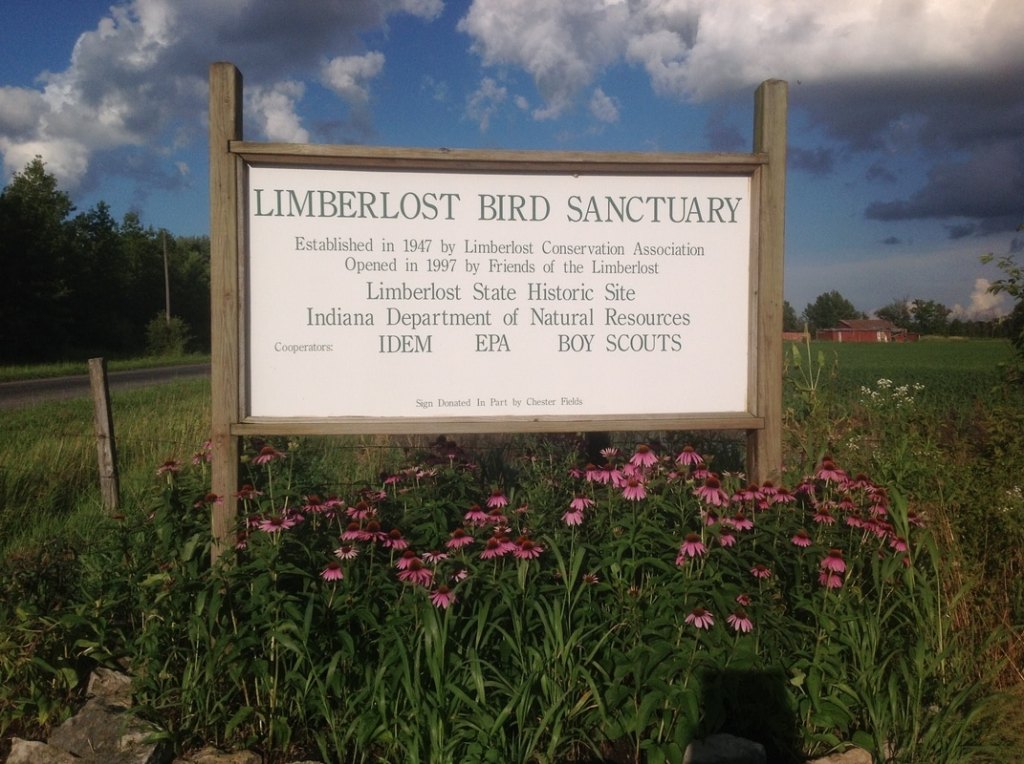
The Bird Sanctuary was the first land purchased of the “new” Limberlost Territories. A group of farsighted people who made up the Limberlost Conservation Association (LCA) purchased 12.4 acres on the jay County side of County Line Road. The year was 1947. The LCA also purchased the Limberlost Cabin from Chloe Price on December 31 1946 and donated it to the state.

The Friends of the Limberlost became involved with the preserve in 1997, twenty years ago.

Ken Brunswick wrote about the Bird Sanctuary in chapter 11 of his new book “Limberlost Born Again: A Lifetime to Restore Gene Stratton-Porter’s Limberlost.” In 1999, Ken began managing the preserve. A parking lot and a trail was created. Ken retired in December 2013 and Ben Hess now has ken’s position of East Central Regional Ecologist.

Cub Scouts and Boy Scouts from Decatur, Berne, and Portland have worked on projects here. A number of individuals and companies have donated time and money to the preserve.

In 2014, Melissa Fey, purchased native plants from Riverview Nursery and redid the flower beds in the parking lot. She faithfully watered and weeded the beds. Melissa has since joined the Friends of the Limberlost board as secretary.

Over the years, Many hands have helped build Limberlost State Historic Site and created the Limberlost Territories that is around Geneva today. Do you have a Limberlost story? We know there are people in the area that gave so much of their time and talent and we would like to hear your story. Eagle Scouts –we would like to hear about your projects.