Sanctuary in the Limberlost

 By Shari Wagner

Indiana Poet Laureate 2016-2017

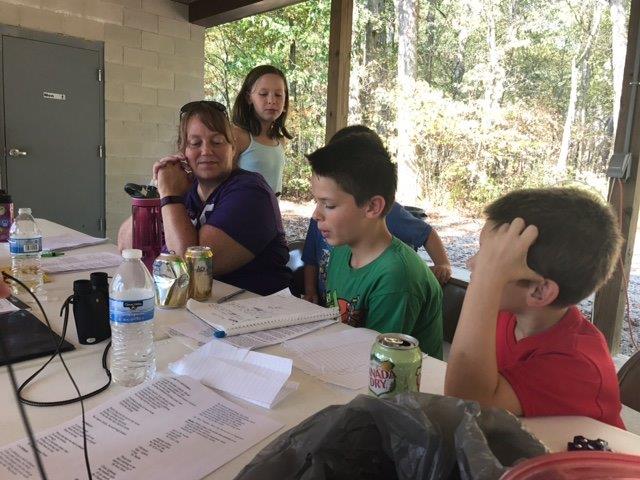
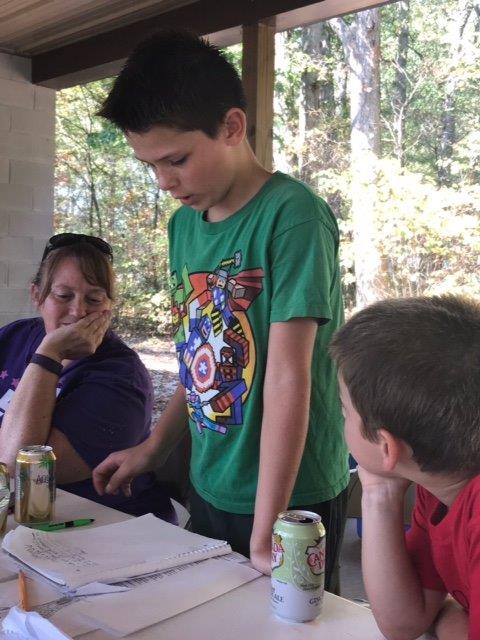
For my artist residency at Limberlost State Historic Site, I led three poetry workshops with writing activities designed to help participants explore the beauty, history, and ecological importance of the Limberlost, as well as its connection to Gene Stratton-Porter. Now that this Arts in the parks and Historic Sites project has come to completion, I would like to express my heartfelt gratitude to the site staff and Friends of the Limberlost who have been so much a part of its success. I am also deeply appreciative of the people who attended the workshops. They came from all over the state, as far away as New Harmony. If you scroll down this blog site, you will find some of their individual and collaborative poems.

Not only did I enjoy my Limberlost events, I had a great time preparing for them. This involved becoming acquainted with the Loblolly trails and Limberlost Cabin, reading all of Gene Stratton-Porter’s poetry, and thinking about what prompts, models and activities might best inspire workshop participants. One particularly nice surprise was discovering that Gene was greatly influenced by one of my own favorite poets -Walt Whitman.

Throughout my activities, I kept recalling the first book I read by Gene—her novel, Freckles. I was about ten years old, and what struck me most in the book was Freckle’s “cathedral,” a particular place in the Limberlost that became his special sanctuary. After reading that book, I went in search of my own Wells County cathedral and found it in the remotest section of my family’s ten-acre woods. A fallen tree trunk served as my pew. Oak and honey locust formed the columns. When I was lonely, this room in nature offered solace and communion.

Not long after I found my cathedral, I began exploring the creek near my home–Griffin Ditch, a waterway that flows between fields and empties into the Wabash. I discovered many intriguing places along the creek’s wooded route, including a tiny oxbow pond with an island (a fragile spot that disappeared in dry spells), an old apple orchard with fairy circles in the grass, and even a heap of discarded furniture almost hidden in thistle and raspberry vines. My psalm to Griffin Ditch titled “Creek-Song” appears in The Harmonist at Nightfall (Bottom Dog Press, 2013), a book that grew from my desire to find sacred places throughout Indiana—special touchstones for the spirit. For this poetry project, I revisited several places from my childhood, but mostly I made pilgrimages to new places, especially to state parks, nature preserves and historic sites. My impetus for this project came from many sources, but surely one was Freckle’s cathedral.

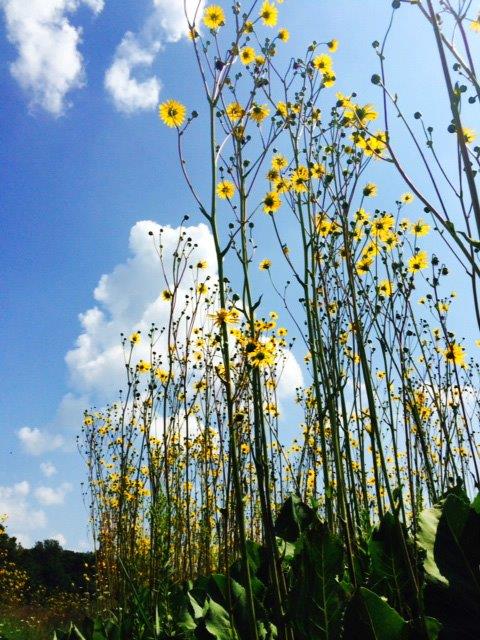
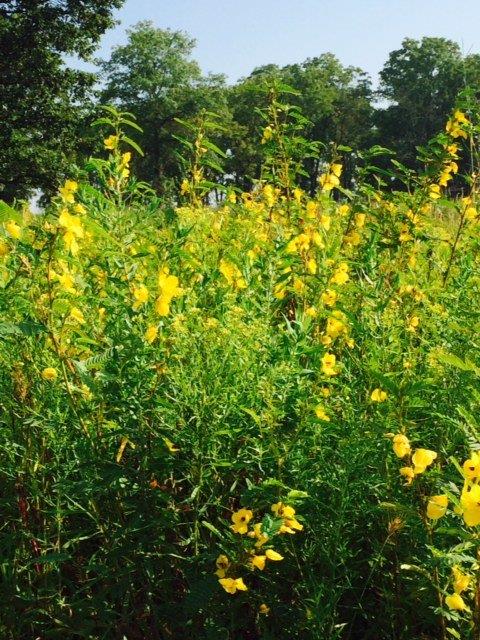
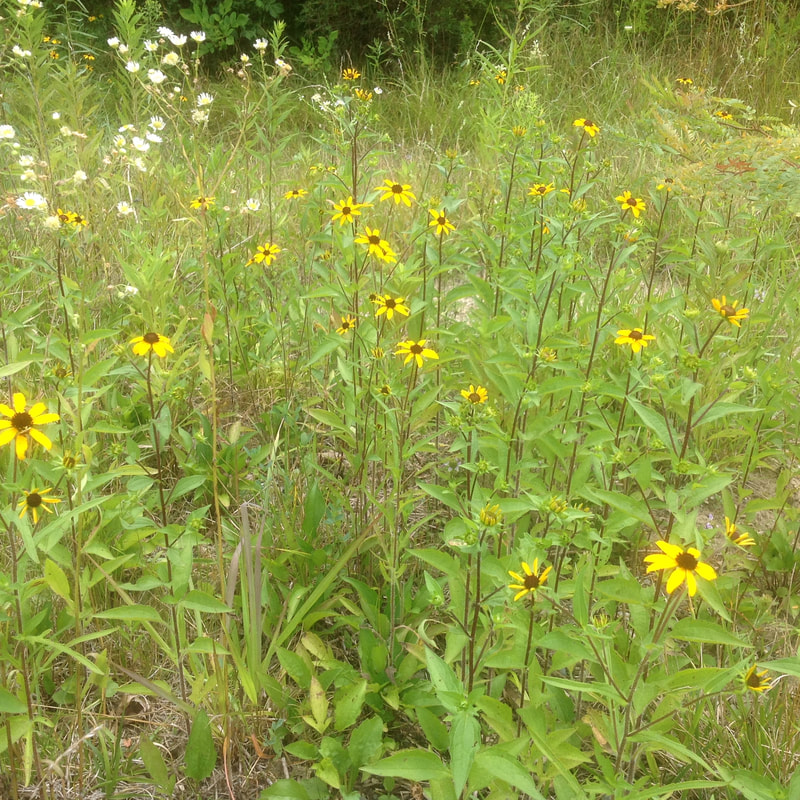
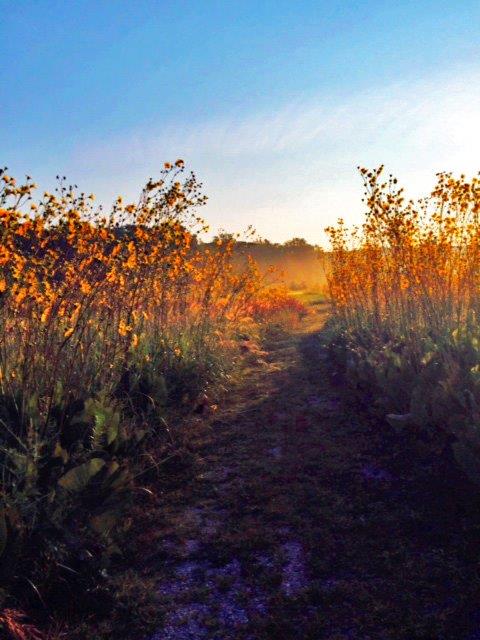
This past September, on the morning of my last workshop at the Limberlost, I left the motel feeling disheartened by the news of mounting tensions between North Korea and the United States. But when I arrived at the Loblolly Preserve, I was immediately consoled by a scene of enchantment–immersed in a prairie fresh with fog and dew, where it felt like the first dawn on earth, with every good thing possible. It was a magnificent sanctuary that I tried my best to memorize and to write about in the poem that follows. I think we all need these places that we return to, either physically or through memory, places that connect us to a reality larger than human concerns.

Morning Forecast

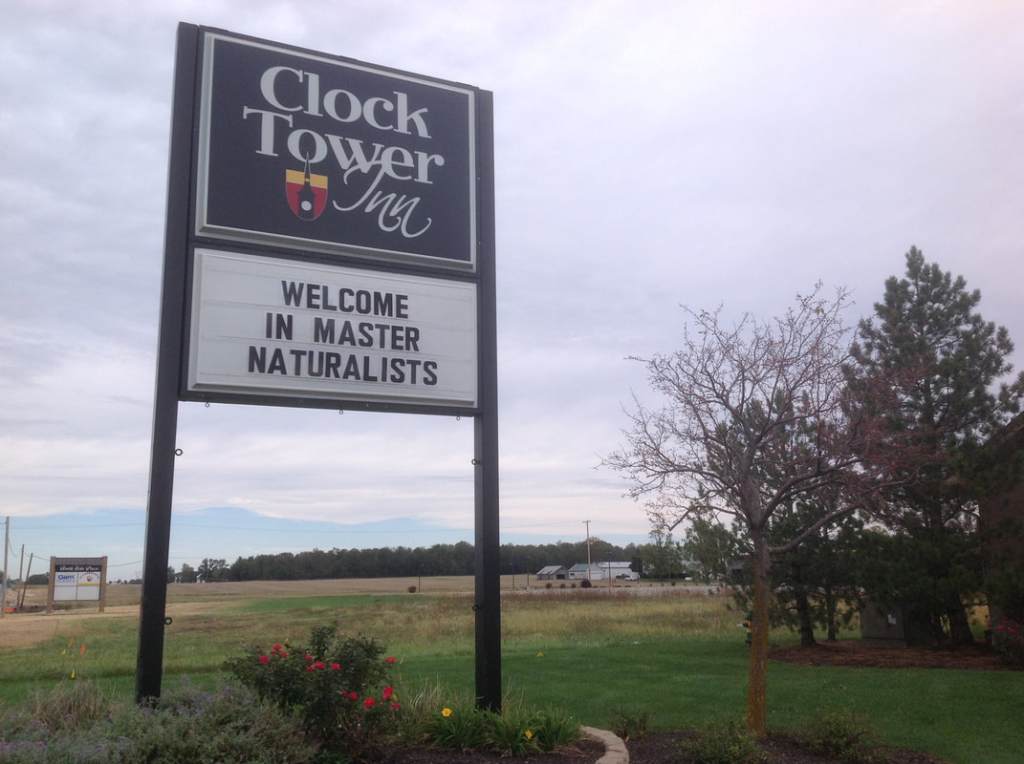
At the Clock Tower Motel
I’m eating cereal with CNN

on the screen: breaking
news of tremors

in North Korea–a small
earthquake or the testing

of a nuclear bomb.
Twitter accounts escalate.

*

Thirty minutes later, pulsing
cricket and cicada song

engulfs me. I’m on foot
in the Limberlost, where

forest was hacked, wetland
drained, prairie tilled

for crops. Now acre by
tender acre, the uprooted

are returning. Fog and
dew cling to seven-foot

bluestem grass. Above my head,
eastern sun illumines

each beaded filament
of a web, one of the true

wonders of the world,
this world, handing me

her huge bouquet
of partridge pea and tickseed,

rattlesnake master and
wild purple asters.

Dawn will succumb
to the forecast: late September’s

ninety-plus heat. But I
keep in a locket this

memento of Eden
where roots reach deeper

than the height of a man
and clutch earth,

for better, for worse,
​through drought and fire.

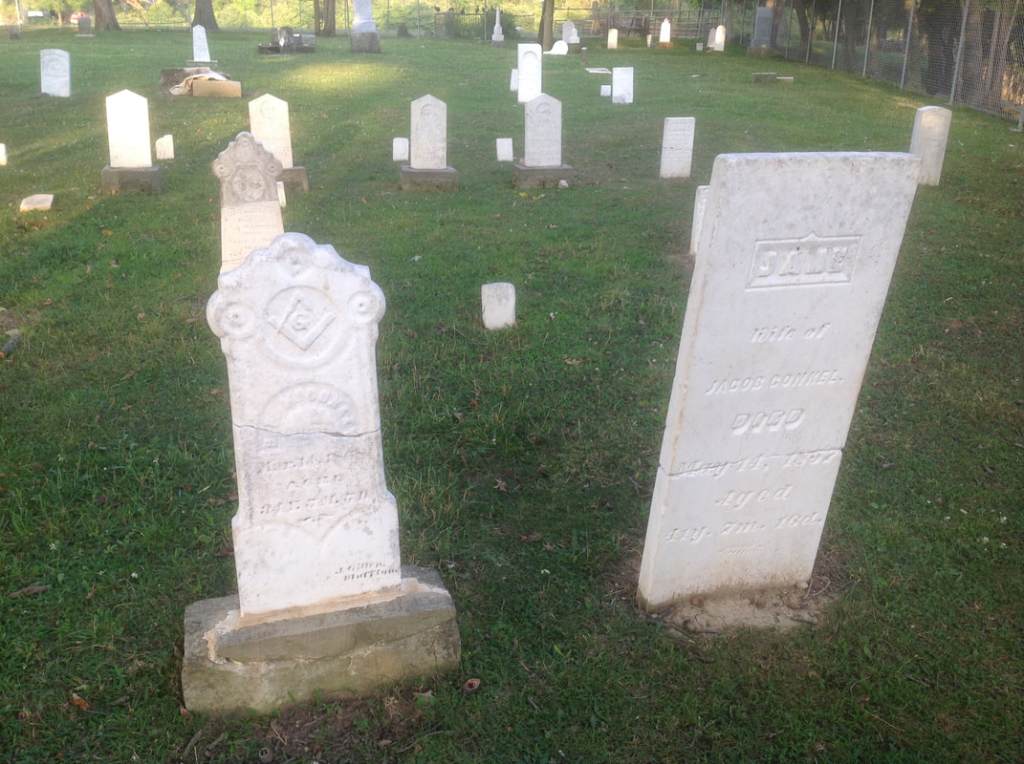
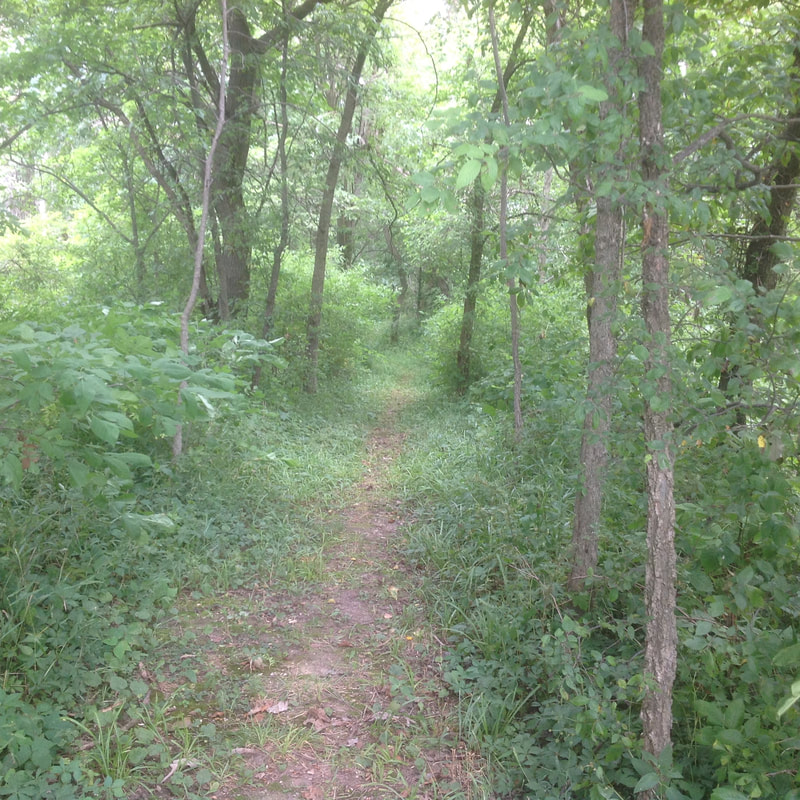
Photographs by Shari Wagner taken at the Loblolly Marsh.
A Walk With Gene

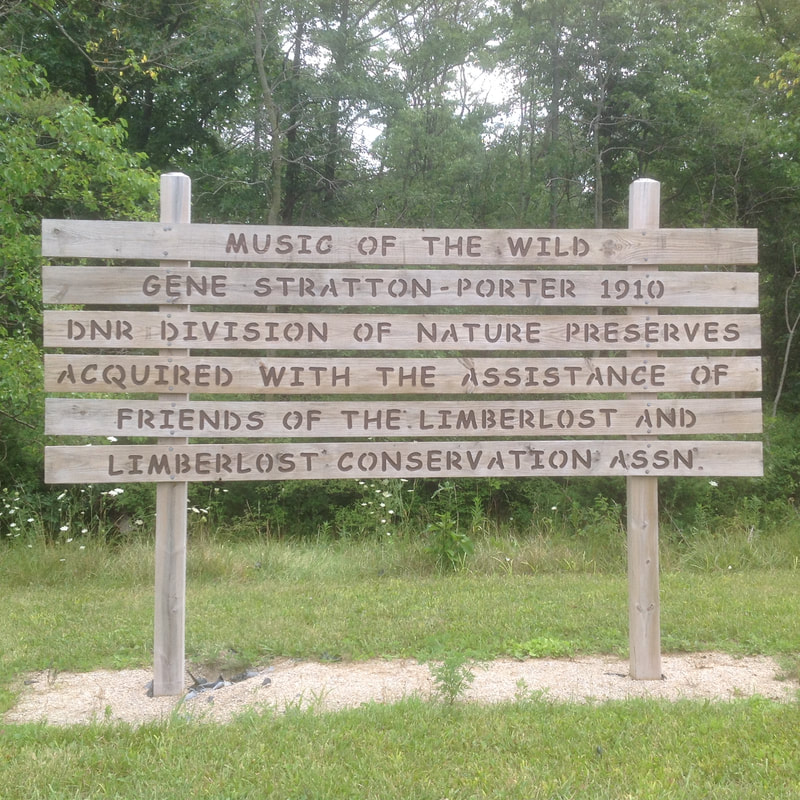
Gene Stratton-Porter wrote “Music of the Wild” about a place she loved which was about one mile south of the cabin. Today, some of the area that Gene walked is a nature preserve called Music of the Wild. We will let Gene introduce you to this area. We hope you enjoy your walk with her.

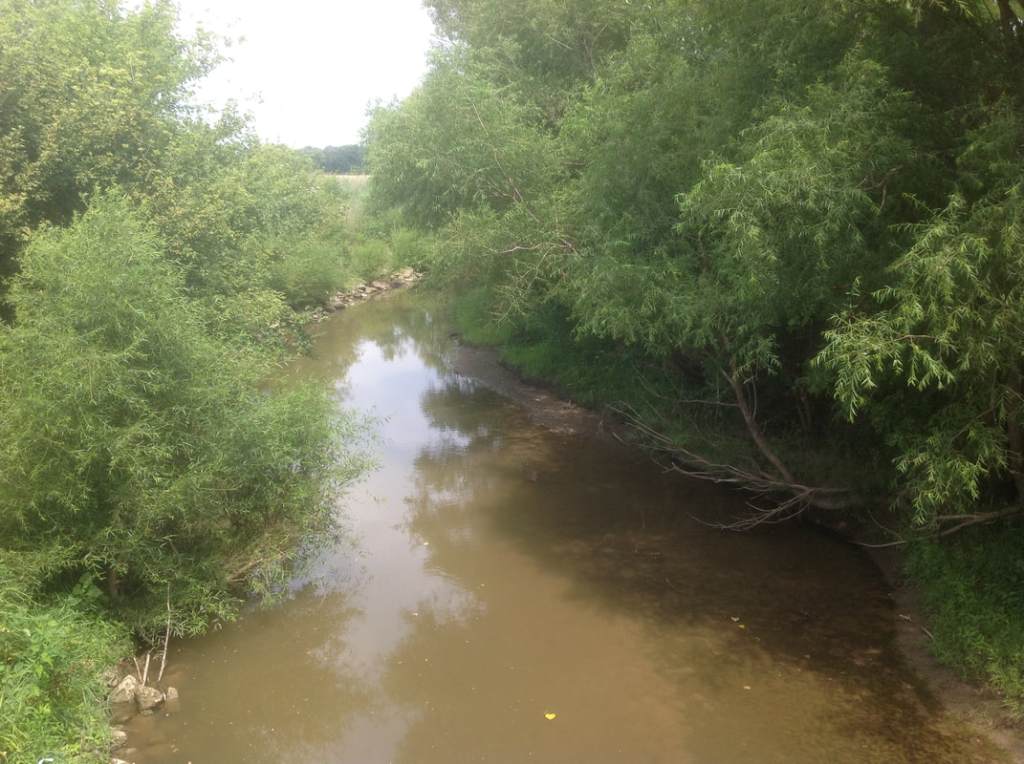
“If the Limberlost loves admiration, here it receives a full share. The banks are covered with enough trees and bushes to make almost continuous shade for the waters, and a thing of beauty it goes laughing on the way to the Wabash [River].”

“……the [Limberlost Creek] flows through the upper corner of the old Limberlost Swamp, hurries across the road once more and so comes singing into Schaffer’s meadow.”

“Here [Limberlost] creek reaches deep-shaded channel once more and bursts into song crossing Armantrout’s pasture; for it is partly shaded, many large trees on the banks are felled. A happy song is sung on the Rayn farm, where it is sheltered by trees and a big hill. In full force it crosses the road [US 27] again, slides below the railroad bridge, rounds the hill, chanting a requiem to the little city of the dead [Burris Cemetery] on its banks……”

“When the Limberlost leaves the thicket and comes into the open again it does not spread, as it did on the bed of ooze; for in the firm clay soil of fields and meadow only a narrow channel is cut, and so with forces renewed by concentration it comes slipping across Bone’s woods pasture.”

“There is little variation, and the birds are the strongest accompanists. Later, when it falls into the regular channel, it sings its characteristic song and appears so much happier and more content.”

We hope you enjoyed your walk with Gene. Her words came from Part II of Music of the Wild. It is not too often that you can walk into a book that is over one-hundred years old. All of the Limberlost Territories are left in a natural state for all to enjoy.

Nature in November

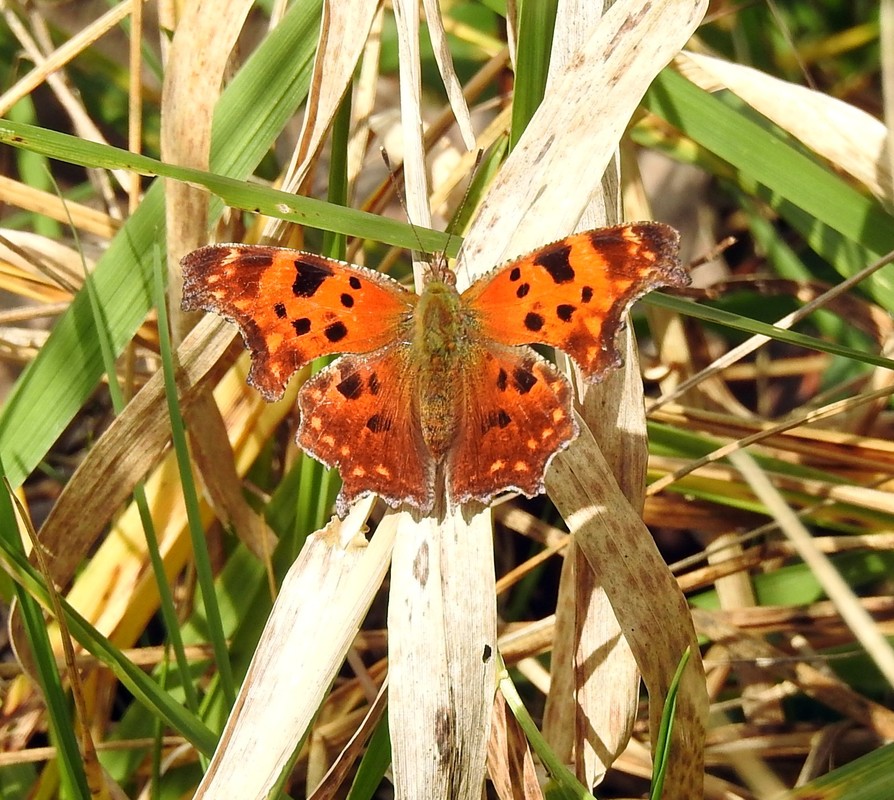
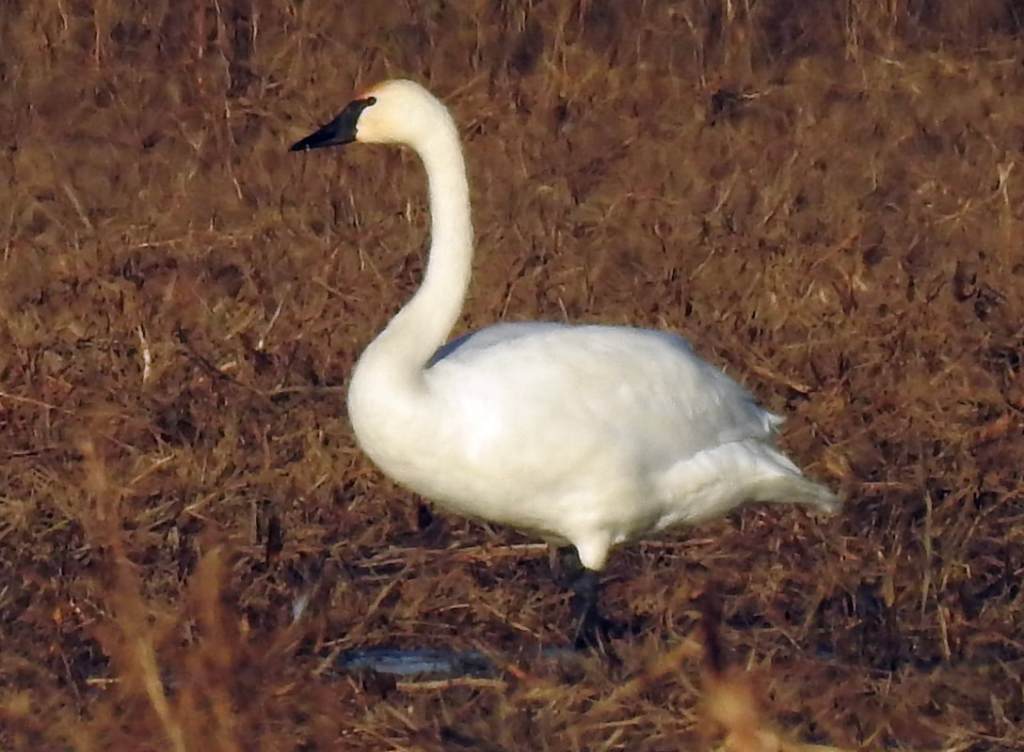
Kimberley Roll is an excellent nature photographer who often visits Limberlost. She has hiked the trails at the Loblolly Marsh and the Deacon’s Trail and Miller’s Woods at the Limberlost Swamp Wetland Preserve. Kimberley’s photographs capture something about Limberlost that mere words do not. We hope you enjoy Nature in November at Limberlost.

Eastern Comma at Limberlost Swamp Wetland Preserve.

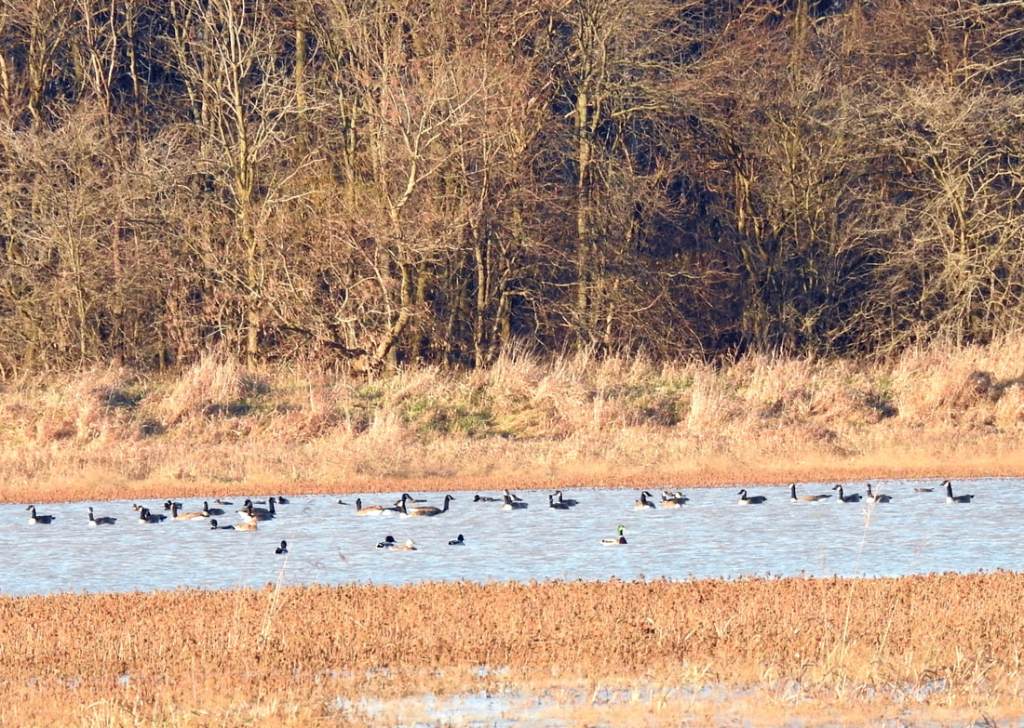
Trumpeter Swan at Limberlost Swamp Wetland Preserve.

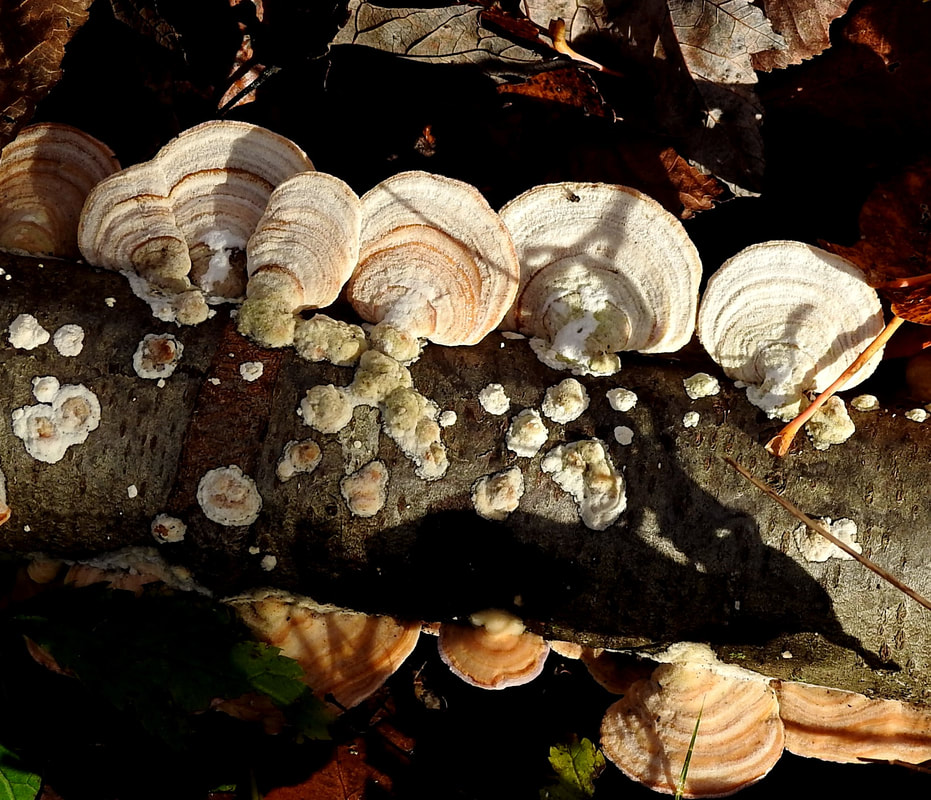
Turkey Tail Fungus at Miller’s Woods.

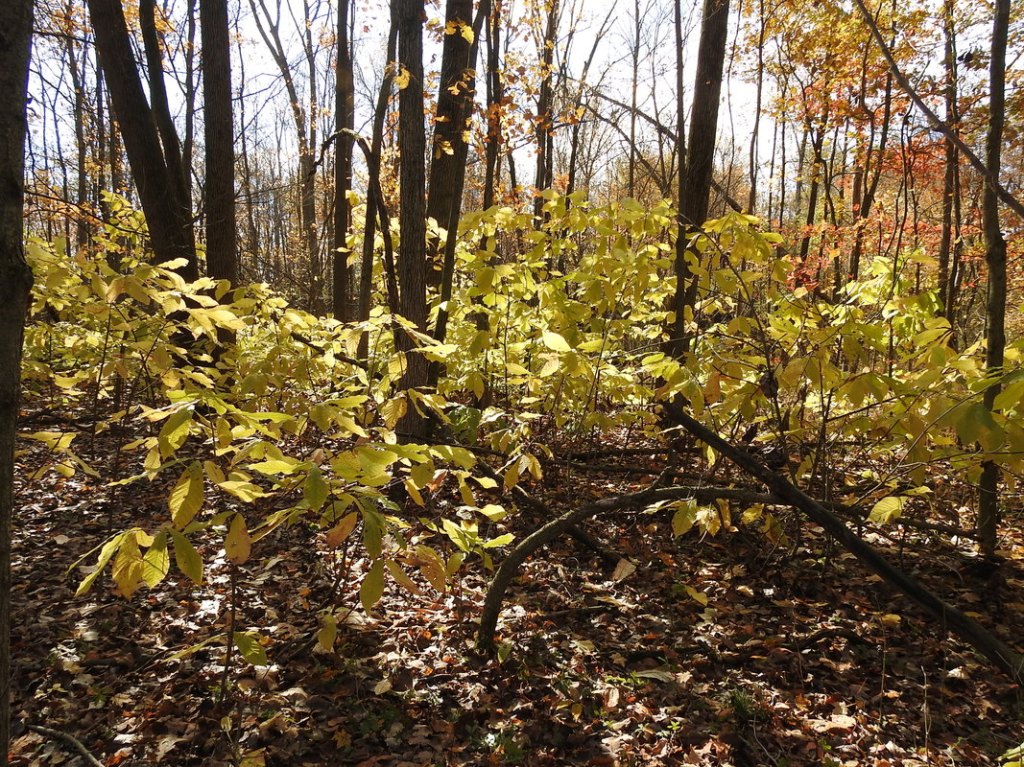
Pawpaws at Miller’s Woods.

Limberlost Swamp Wetland Preserve on a late November day.

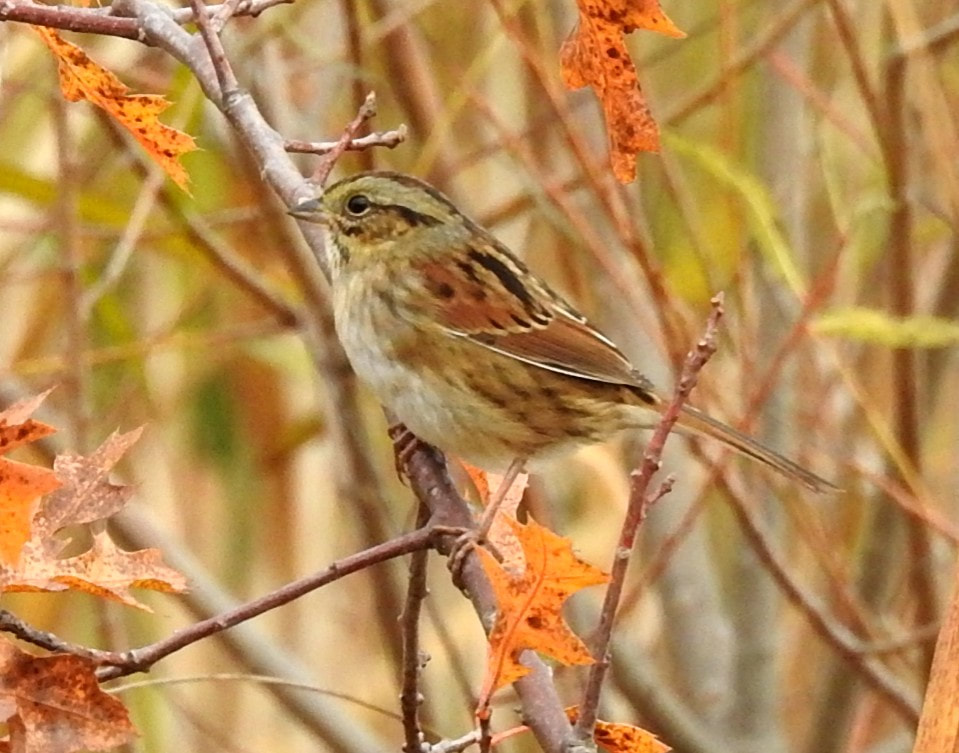
One of our native sparrows, the Swamp Sparrow, at Miller’s Woods.

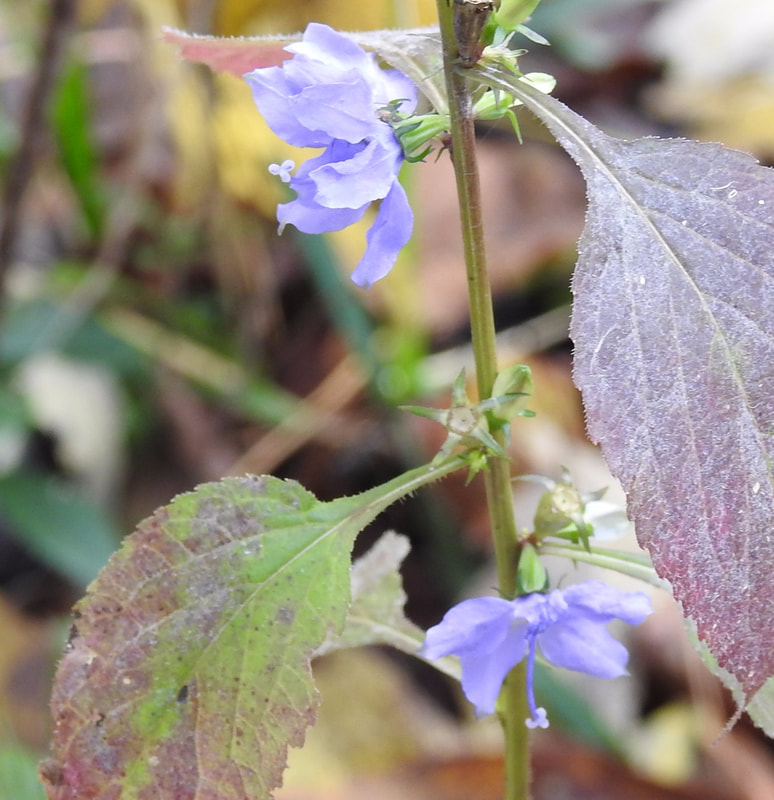
Late blooming Bellflower at Miller’s Woods.

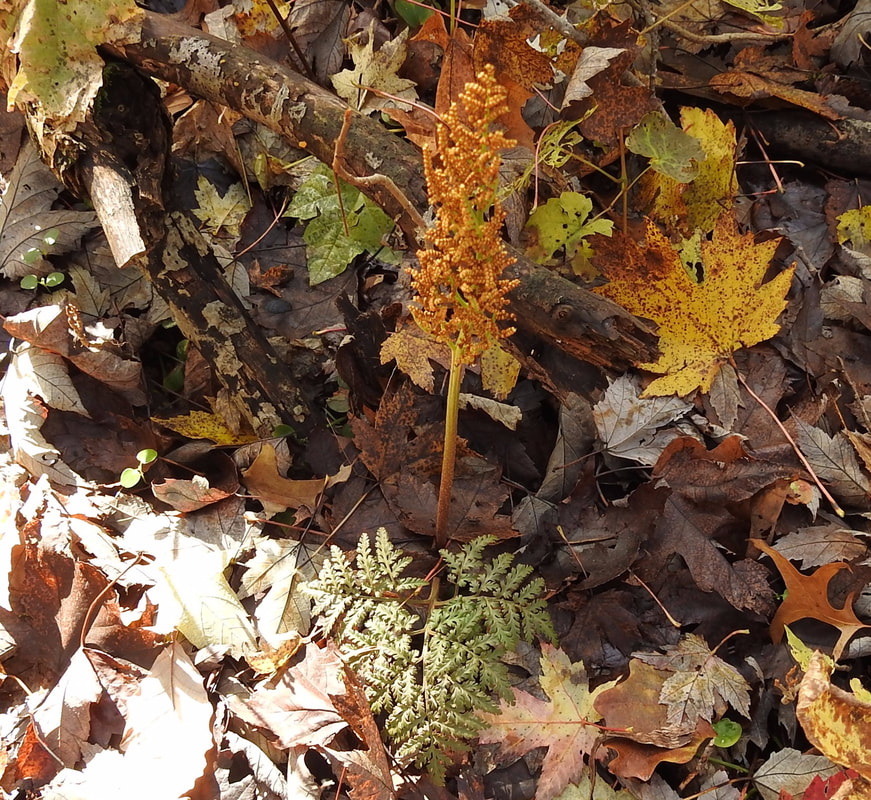
Cut-leave grape fern at Miller’s Woods.

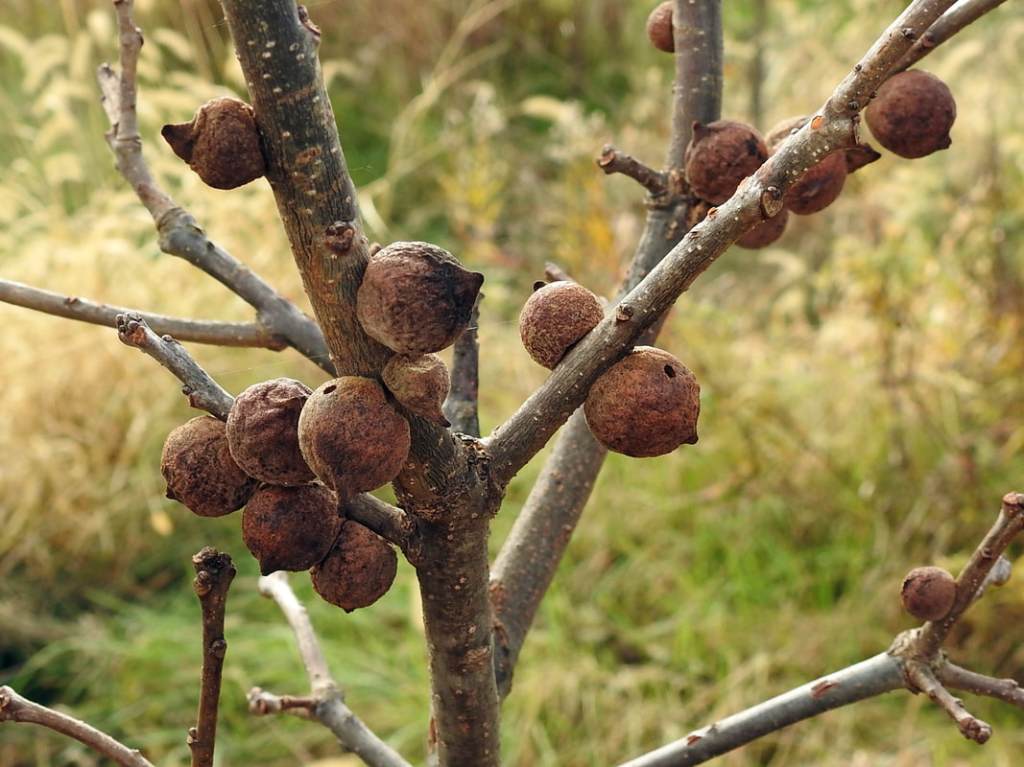
Galls

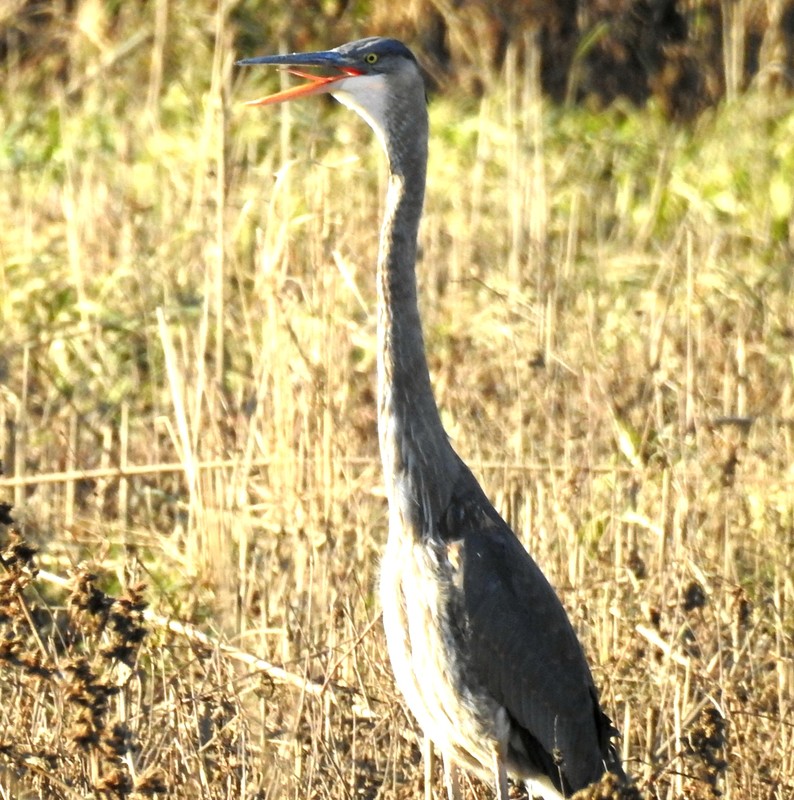
Great blue heron

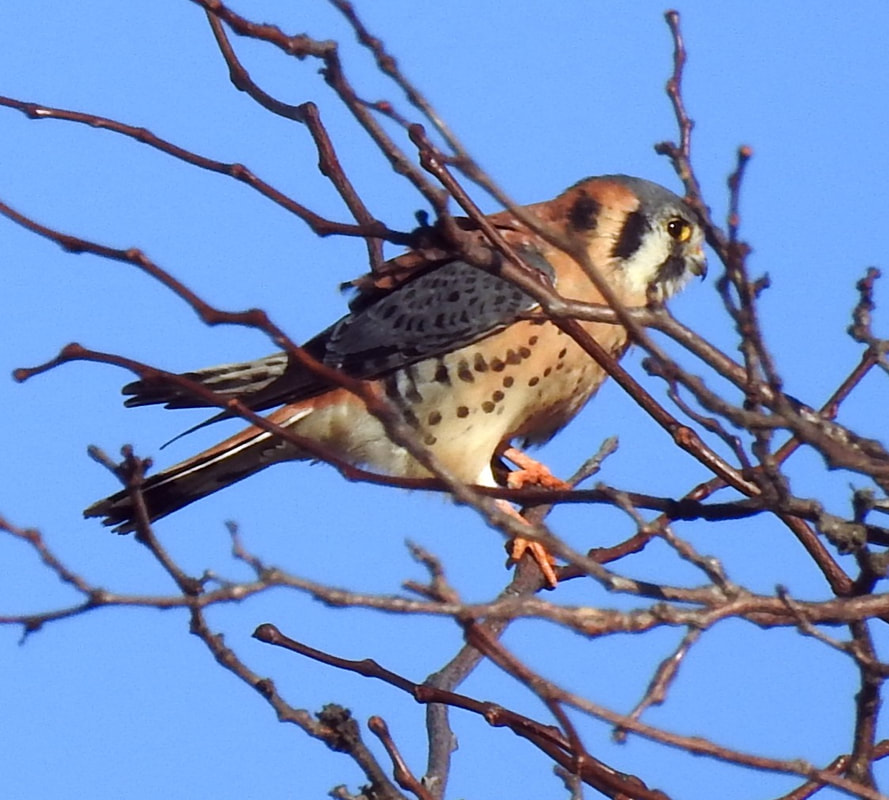
Kestrel

Indiana Literaries

In the late 19th century and early 20th century, Indiana was second only to New York State in the number of bestselling authors the state produced. It is the Golden Age of Literature in Indiana. In 1926 the State of Indiana published a list of thirteen noted Hoosiers for their achievements in literature.

The state survey observed that it “seemed to fall into two groups: those whose ability as storytellers found scope in tales of romantic days gone by, and those who saw beauty in everyday life, and charmingly recorded it.”

There were two women and eleven men on this list. The women were Sarah T. Bolton and Gene Stratton-Porter. The men were James Whitcomb Riley, Gen. Lew Wallace, John Finley, Albert J. Beveridge, Charles Major, Meredith Nicholson, Booth Tarkington, George Ade, Kin Hubbard, Maurice Thompson and Edward Eggleston.

It was noted that they were all important figures who “gained for Hoosierdom fame in literature.”

Caylors’ Limberlost Poems

Letter to Gene Stratton-Porter

I knew where you lived my whole life
Your name as familiar as my relative’s
But this tomboy didn’t want to read
About any Limberlost girl and her Laddie
When the coonskin cap boys were showing off
On the frontier playground.

Who knew you could outshoot the boys
With your lens and maybe even your pistol?
You didn’t need the vote to explore
Your own frontier any more than you needed
Schooling to be a scientist or a shapely
Smile to lure a rich husband who’d fund
Your appetite for adventure. Snakes couldn’t
Scare you away from the lovely swamp things
Whispers that would’ve wounded me a century later
Flowed past you like the wind ruffling
Your unapologetic air
but never taming your nature.

Why didn’t I get to know you sooner?
If you could be here now would you gripe
On this hike about all that was lost?
Or would you embrace those who returned
With just a bit of encouragement
Diminished yet still recognizable
To the swampland reunion?

By Tanya Isch Caylor

Nature’s cafeteria

Walking through Loblolly Marsh
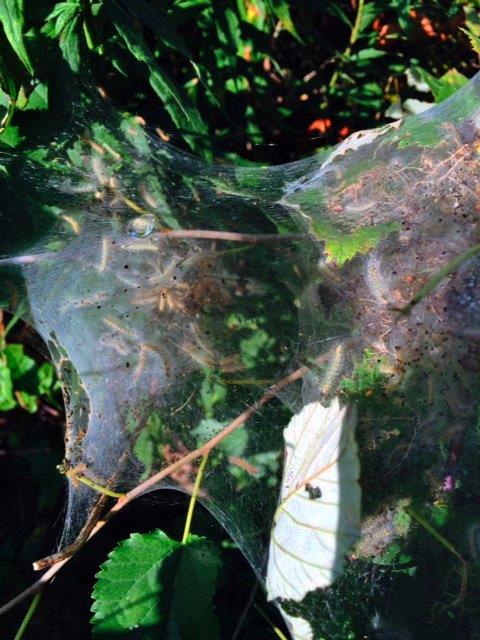
I thought I saw a spider’s web
But the tiny caterpillars inside weren’t victims –
This was their tent,
Keeping predators off their juicy leaf.

Those Eastern Tent Worms looked
like kids in a school cafeteria
clustered together, crazily gobbling
Climbing all over each other
Not sitting still for nothing.

Overhead a drop of water hung
Like a chandelier
Reflecting sunlight
From the ceiling.

Such a big tent for such a tiny worm
But it’s a huge crowd
Feeding, growing, dreaming
Of the day they take flight as moths.

By Cassie Caylor

Limberlost Poems

Poems by Rosemary Freedman

Limberlost

She’s stood I am sure in the
spot you’re now standing.
Close your eyes for one minute
and imagine her handing
a specimen of moth, a geode, a feather.
She’s made a cord, not a tether,
that draws us all here
to a place we like most.
Can you feel her around us?
Like an earth hearty ghost?
The moths even keep
their eyes on her and on us.
She’s the trees only shadow.
The wind’s forceful gust.
She was solemn, but funny.
She filled each day with lovely.
She has colored each one of us in
like moth photos,
the ghost of her making us real.
Gene Stratton Porter,
Girl of the Limberlost,
your birds and your moths
​are watching you still.

Ave Flora
For Gene Stratton-Porter

If birds became her mother
then one could not be enough.
They’re here by the fireplace
in the trees with a puff.

In the morning fog
their symblos and screeches.
They speak to her softly,
perhaps chide at her breeches.

But wat can they do
with a language that languishes?
They caw at her loudly
when she’s frightened or anguishes.

And how does she know really
what they were saying?
And did they look in on her when
at night she lay laying?

And though she seemed happy
ever chasing the wild
did we know of her grief as
a motherless child?

Like a girl with a lantern
she carried her ladder.
In search of the earth
and the things she thought mattered.

Oh, she had fancy things,
like a necklace and flowers,
but her brother Laddie’s drowning
could restrain her for hours.

She pursued the earth daily
like a hearty addiction
to fill up the gape,
the lost mother affliction.

So, when birds’ black eyes turned
or the orange eye of the owl
to look in upon her
with smile or with scowl

I think she accepted, but how could I know.
They were surrogate replacements
during heat, rain and snow.
They flew in the house.
They stared through the casements.

Though I’ve never met her
somehow, feel she’s a sister
and when I arrive at the Limberlost
there’s a sense I’ve just missed her.

Loblolly Marsh

Wait, there’s a memory coming.
I recall I was there.
I worked as a hired woman,
Combing your hair.
And you got mad for an instant 
Cause I pulled on a tangle.
I can see you all differently now from this angle.
You spent up your energy
Through climates cold, sweet and harsh
Getting lost on the think of things
At the Loblolly Marsh.

Poems by Ethan Pieples (Age 6)

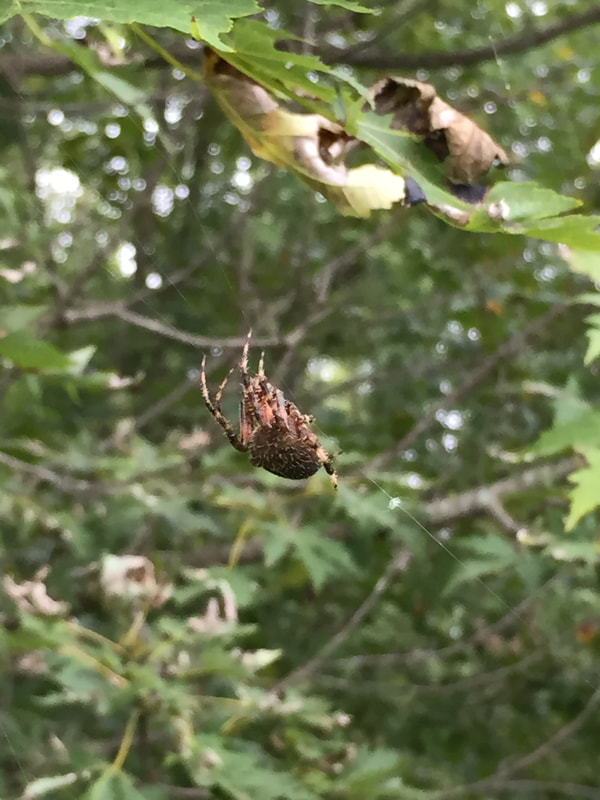
Daddy Long legs and a baby Spider.
They have skinny legs,
like the skinny arms of people.
At night they read about other daddy long legs
who live in China,
Their cousins they will have to travel to meet.
They have bugs for dinner.
I love them.

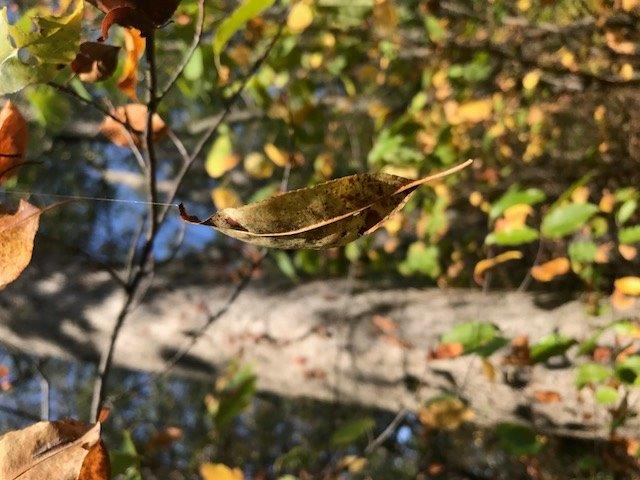
The Twirling Leaf

The twirling leaf
twirls by a web
yellow and gold.

I am a Buckeye

I look blackish-purple.
People pick me up.
I can tell they are
Lucky when they find me.
I am so lucky.
People put me in their 
pockets.
I travel with them
the rest of their life.
They feel my reassuring
smoothness.

Poems by Cameron Pieples (age 4)

I’m Swimming to get a Starfish.
I grabbed it.
I flew into the sky,
and I got it.
I love it, it looks
so pink.
It feels like a bumpy road.

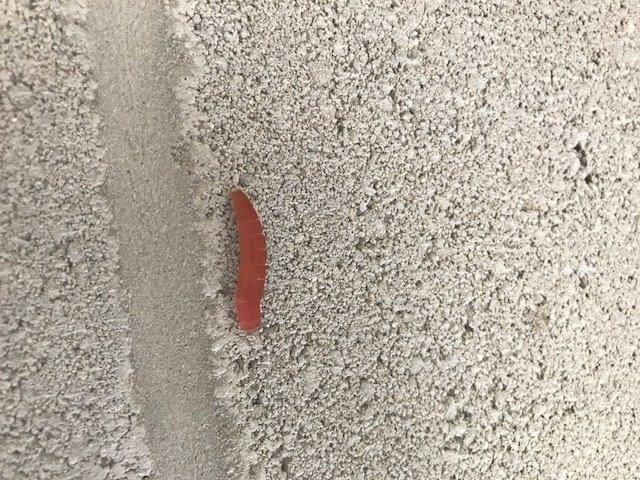
I am a Red Caterpillar

I ask why are those people
playing with playdough.
I walk on the brick wall. I’m fast.
People think I’m fast.
I am red like Ethan’s shirt.

John Brenner’s Cane

By Mary Quigley

John Brenner’s cane leans,
resting at table edge,
leaning like John leaned into it’s tree limb strength,
to check stock of fireplace wood,
water garden,
water horses.

John Brenner’s cane rests,
but waits,
like John waited,
for invitation,
supplication,
to make pilgrimage
for Poplar branch,
moth’s dinner,
procuring a fitting host plant
or winged inspiration
of hostess.

John Brenner’s cane,
a resting limb,
branch of tree for holding him,
third leg,
hewn limb of twin limb,
still holding fast to tree,
that even at rest can cradle birdhouse
that cradles nest.

…birdhouse,
lovingly crafted by John,
devoted architect,
builder,
of houses for Gene’s feathered kin,
and her feathered dreams.
The Little Bird Woman sees her plans cradled,
and tended,
as she leans,
on him,
as he leans.
Both cradled in the love of the Limber-lost,
where so much is found.

John Brenner’s cane rests,
While frog chorus reverberates,
bird song elucidates,
cicadas pulse,
deer seek running streams,
raccoons scamper and sway and chatter.

All this a welcome song that soothes the nerves
worn raw,
raw made of the same sound bites,
alphabet letters,
as war,
marching forward,
or backward.

Battle cried
and guns fired,
in another unCivil War.
John had enlisted,
August 15, 1862,
side by side with Joseph Aspey,
musician,
who might have tried to imitate nature’s songs
for Company D,
who might already intuit,
seek the soothing,
of the Eden nurtured by Gene.

Gene, who forever mourned the loss of one butterfly,
with crushed wing,
inadvertently maimed in reflexive grasp
of falling,
became nature’s pacifist,
leaving gaps in walls,
where all may pass through.
Where Light is always welcome.
Where John Brenner’s cane rests.

IMN Gathering

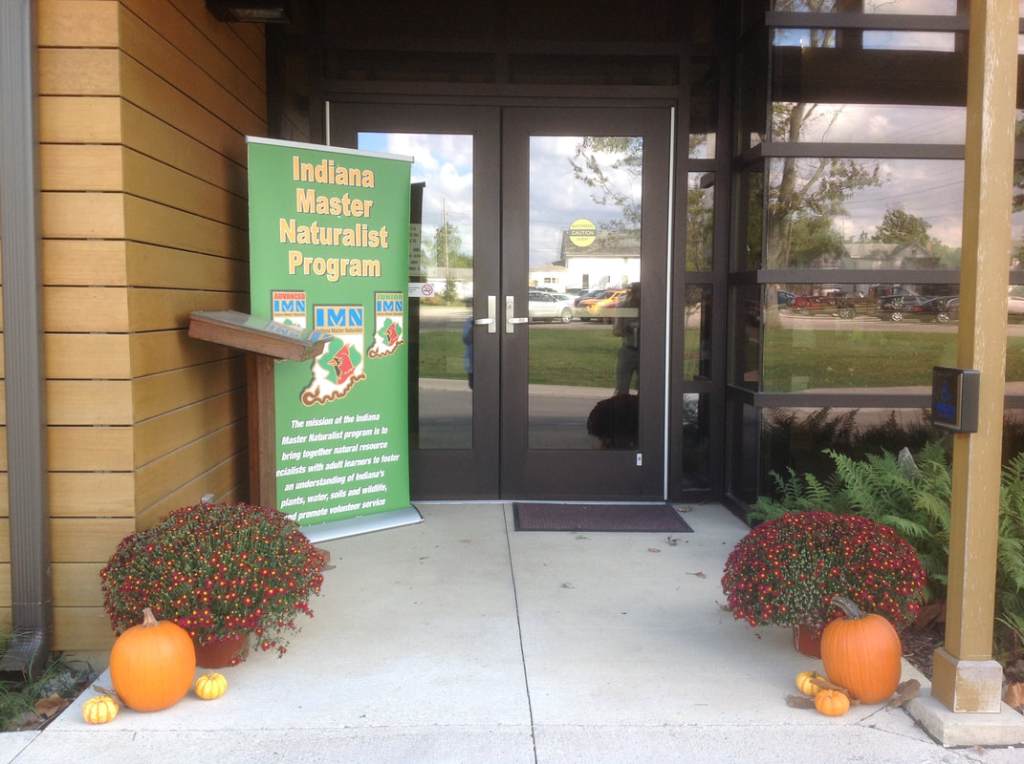
Friends of the Limberlost and Friends of Ouabache State Park were pleased to host the Indiana Master Naturalist 2017 Gathering on October 6-7. We thank all that attended. We hope you will come back to the Land of Limberlost.

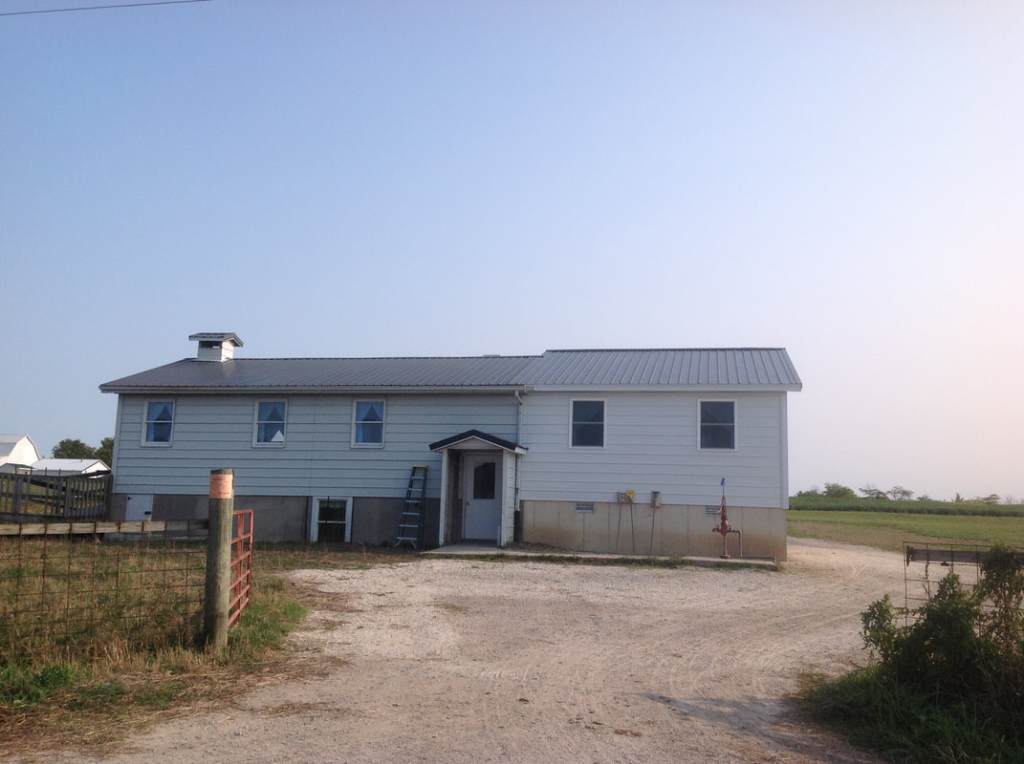
The Limberlost pre-trip on Friday was a visit to an Amish School and an Amish midwife’s home and her birthing rooms. It is an honor to be invited into the Amish community. The “scholars” and their teacher Benjamin were welcoming. Questions were asked and answered, songs were sung, making it an enjoyable visit. We learned that one of our IMN volunteers at the Oliver Mansion and that Benjamin uses an Oliver plow. Besides teaching, Benjamin is a farmer and bird watcher.

Friday evening, Friends of the Ouabache hosted a dinner and bison hike. Jody Heaston gave a great talk on the Civilian Conservation Corps (CCC) at Ouabache State Park. The park has one of the CCC “Iron Mike” statues. The fire tower was saved and is slated to be restored over the winter. These two projects have been achieved due to the hard work of the Friends of the Ouabache. The evening finished with Adrienne Provenzano “Songstress of the Limberlost” performing.

Saturday morning started with chimney swifts flying over the Limberlost Visitor Center while the early hikers were gathering. Naturalist Curt Burnette led an early hike at the Music of the Wild preserve. Gene Stratton-Porter wrote part of her book Music of the Wild about this area.

Ken Brunswick, retired East Central Ecologist, wrote a book called “The Limberlost Born Again.” Ken had a special book signing and enjoyed meeting IMN from around the state.

The day included a program on Gene Stratton-Porter by Site Manager Nicky Ball, a tour of the Limberlost Cabin by Randy Lehman, a program on Moths by Willy DeSmet. Hikes at the Loblolly Marsh were led by East Central Ecologist Ben W. Hess and Naturalist Curt Burnette.

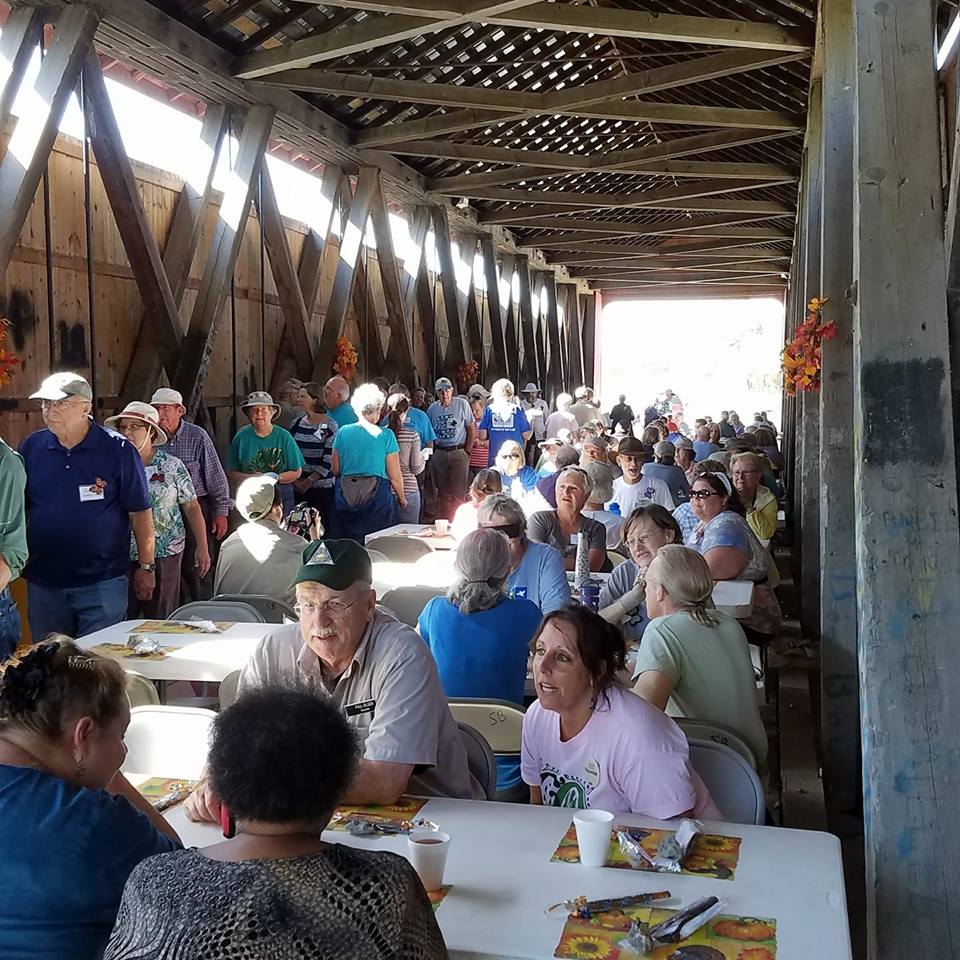
A highlight of the day was lunch on the beautifully restored 1860 Ceylon Covered Bridge. It was a perfect day for lunch on the bridge and a walk at Rainbow Bottom.

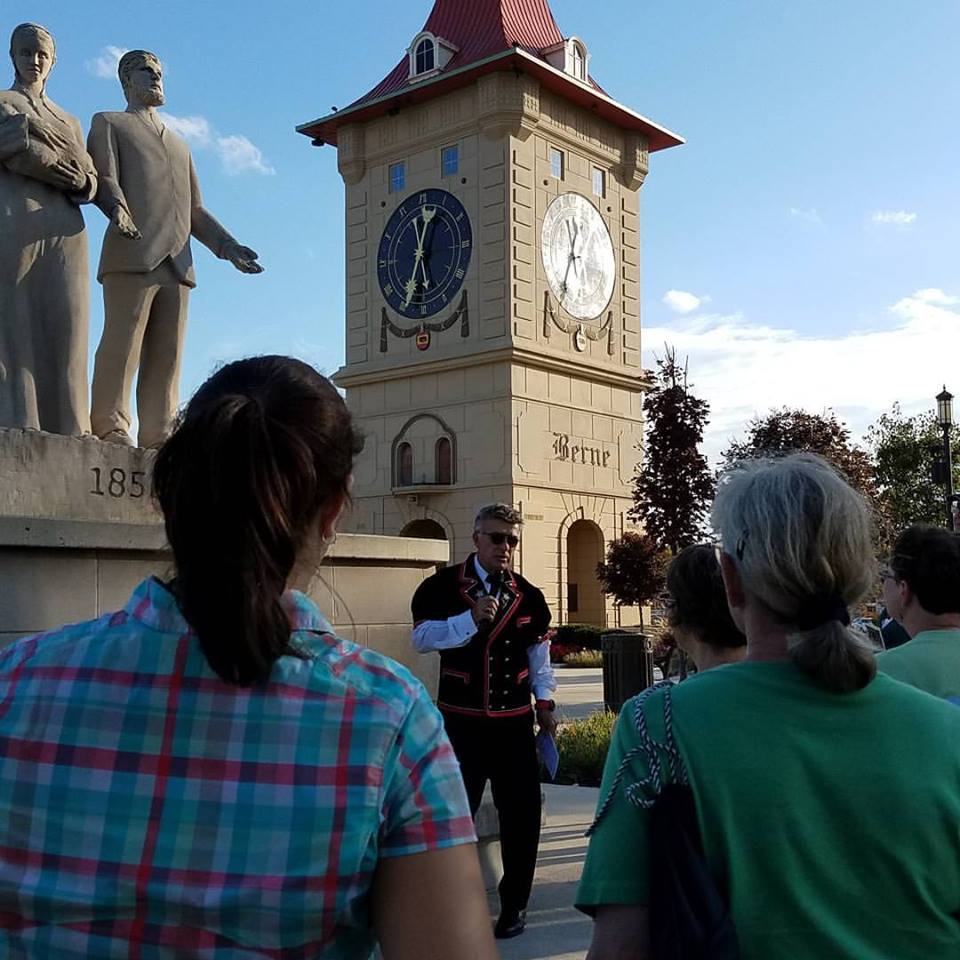
Melissa Fey arranged a nice ending to the day with a program by Floyd Leichty at the Clock Tower and a tour of the Mennonite Church in Berne.

Collaborative Poetry

Gifts from the Four Directions

Loblolly Marsh Look-out

In the East,
yellow leaves and the super
hot sun reminds me of a peach.
Hope in a new day.

In the South,
leaves of red–red cedar wood tree.
when I look at the South,
I look at the Beautiful-Life.

In the West,
spiky Mystery that flies —monarch
butterfly wing spots—and the dark
of the buckeye, reddish black.

In the North,
Wisdom’s white rocks and white doors.
It’s a little purple in the middle—
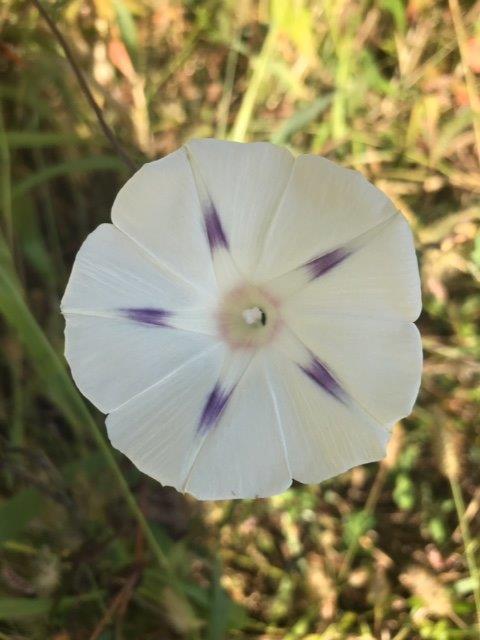
the white morning-glory.

Collaborative poem by Claire (East), Tyler (South), Ethan (West), and Cameron (North)

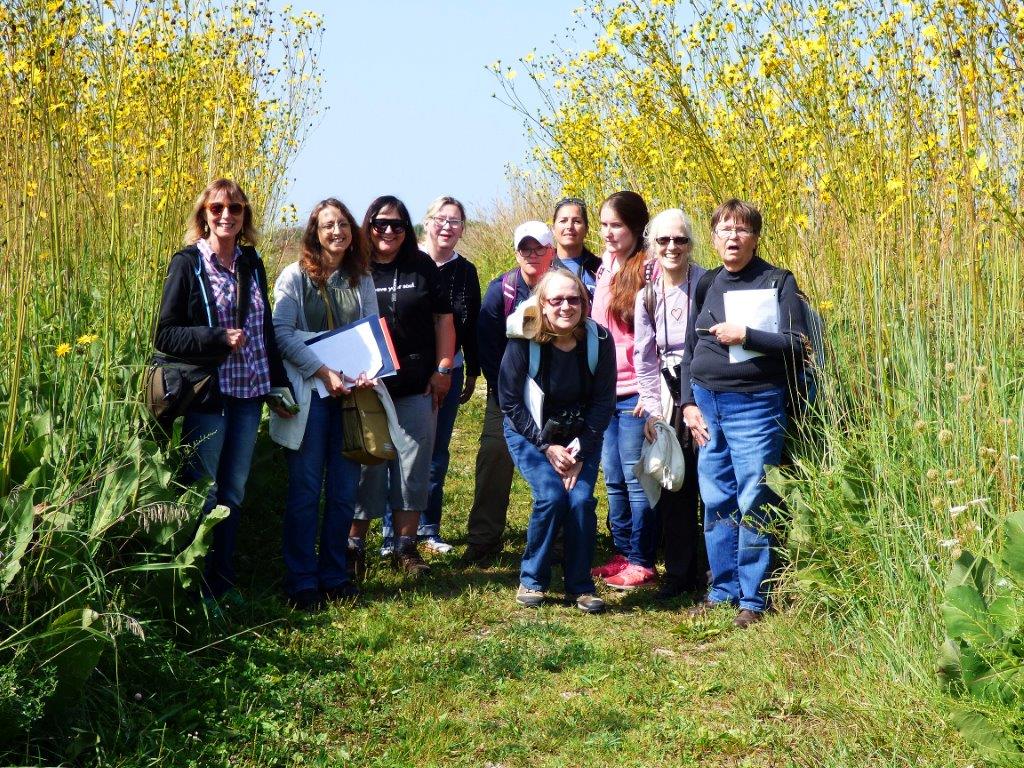
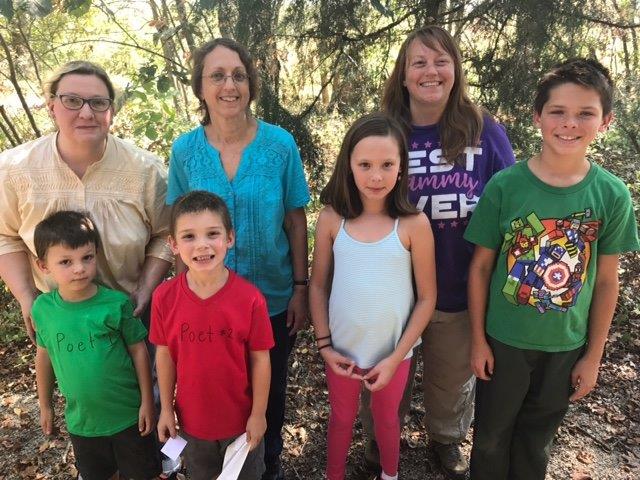
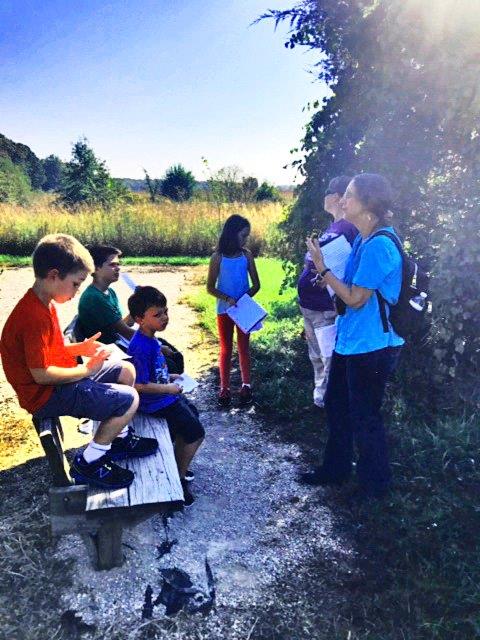
Participants in “Among Sights, Sounds and Silences: A Poetry Workshop at the Limberlost”

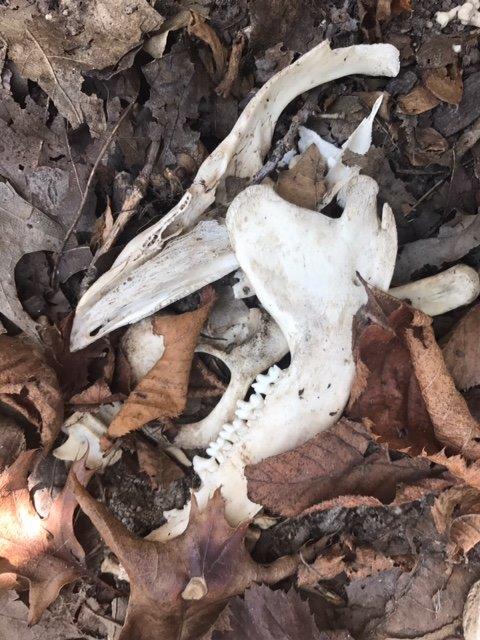
Bones in a Forest

It’s death exposed
in leaves, nuts and dirt—

on display like a museum
brought to us today.

Maybe it’s a dinosaur
like my dinosaur

and his name is Baby Dinosaur.
Or it could be a coyote

with a long jawbone
for a better bite.

It could be a dog
that fell down panting

because he was tired.
The white teeth

look like saws
of old farmers

staring at this land
only dreaming.

Collaborative poems by Cameron, Claire, Than, Peggy, Rosemary and Tyler

Participants in “Among Sights, Sounds, and Silences: A Poetry Workshop at the Limberlost”

Thank you to Rosemary Freedman for the photos and to Jack Freedman for the group photo.

Thank you to Indiana Poet Laureate Shari Wagner for creating and teaching these poetry workshops at Limberlost this year.

Limberlost Territories

The Limberlost Territories consists of primarily five nature preserves around Geneva, Indiana. They are: Loblolly Marsh, Limberlost Swamp Wetland Preserve, Rainbow Bottom, Music of the Wild and the Bird Sanctuary (for more about the Bird Sanctuary see 7/7/2017 blog). They make up the almost 1800 acres of restored wetlands in southern Adams County and northern Jay County that have been created in the past 20 years.

Under the Resource tab of the website is a map of the Limberlost Territories.

The Loblolly Marsh is Indiana’s 250th state dedicated preserve. It is part wetlands, uplands, and woods. There are trails to hike in all seasons. This is one of the natural gems of Indiana. The Friends of the Limberlost own a pavilion and small woods there.

The Limberlost Swamp Wetland Preserve is the largest of the preserves. It is most noted for some of the rare birds that have been seen from along County Line Road. It is partly in Adams County and partly in Jay County. The Friends of the Limberlost own a small parking lot, where visitors can walk the Deacon’s Trail. It is the area where Gene Stratton-Porter set her second book “Freckles” and her vulture study.

The Music of the Wild is a preserve that has the Limberlost Creek flowing through it. Trails were created there in 2015. Some of the trails are impassable in the spring with the rains. Gene Stratton-Porter wrote about this area in her book “Music of the Wild” part II The Fields.

The Bird Sanctuary was the first preserve created by the Limberlost Conservation in 1947. It is wooded and is now attached to the Music of the Wild.

Rainbow Bottom is on the north side of Geneva and is next to the Ceylon Bridge, the last covered bridge on the Wabash River. This 231 acre preserve is along river. Gene Stratton-Porter set her books “Song of the Cardinal” and “At the Foot of the Rainbow” at this location.

The Friends of the Limberlost work with the DNR Nature Preserves and East Central Regional Ecologist Ben Hess to manage these properties. In the future, it is hoped that the Limberlost Territories will increase in size and create a better habitat for birds, insects, mammals.

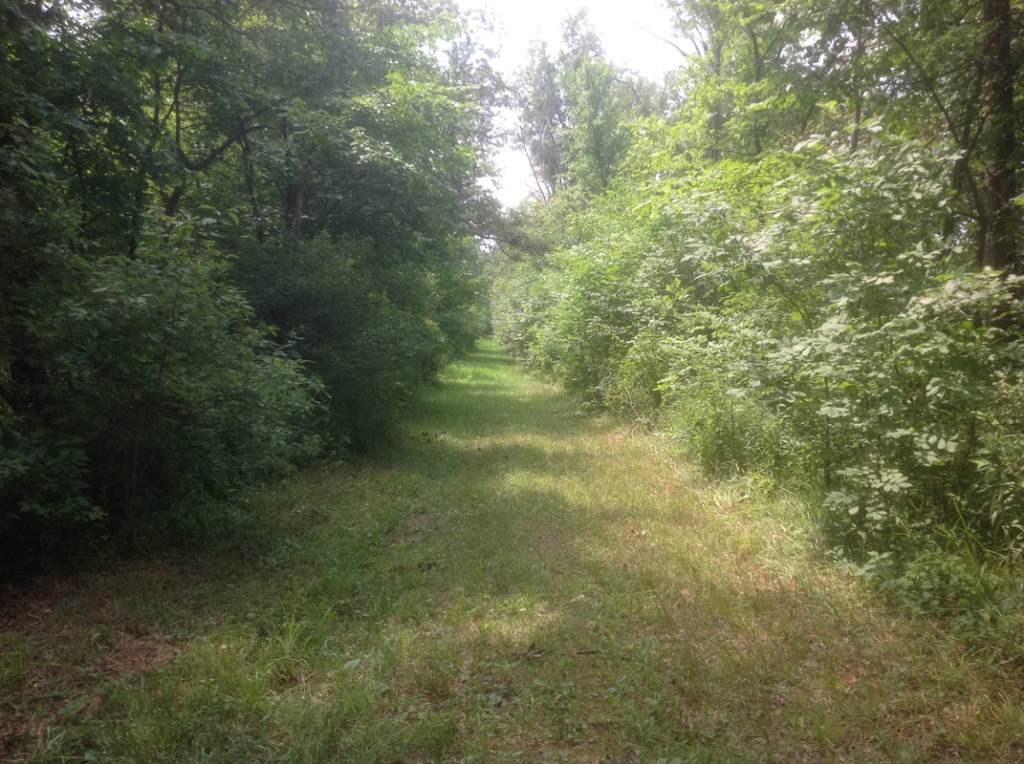
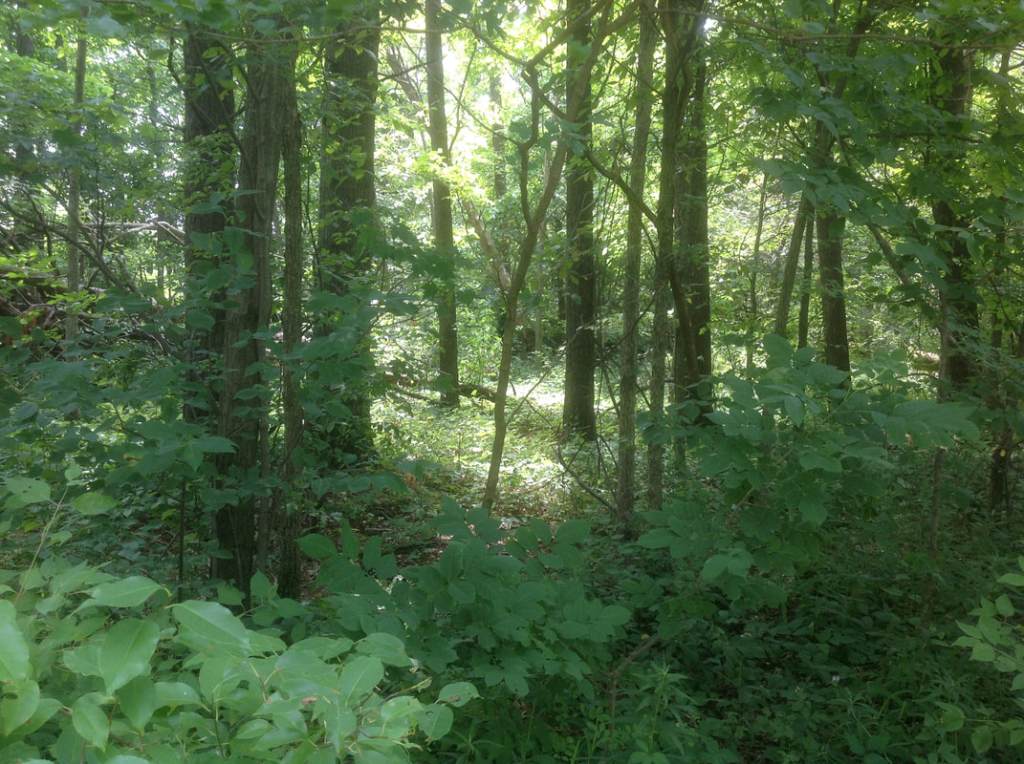
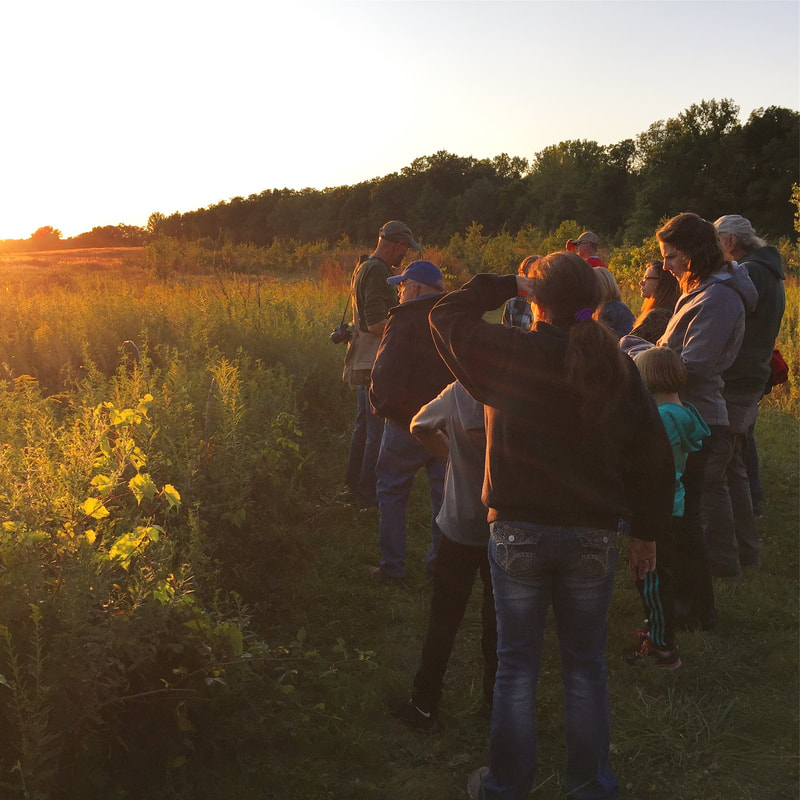
Thank you to Nicky Ball for the photos taken at the Loblolly Marsh. The first is a hike on 9/9/2017 and others are from photos of this week.