A Christmas Camera and A Book Called Wings

By Adrienne Provenzano
In the 1920’s, Gene Stratton-Porter shifted her life and work more and more to California. Still, she was never too far from the Limberlost, and all of her Hoosier homes, in heart and mind. In 1923, the author selected and edited excerpts from several of her Indiana nature studies and published them as a collection entitled Wings. The first publication was a paperback, and hardback editions followed in 1924 and 1925. There have been several other reprints since then. The slender volume – 116 pages – is a sort of literary scrapbook, drawn from What I Have Done with Birds (1907), Friends in Feathers (1917), and Homing with the Birds (1919).

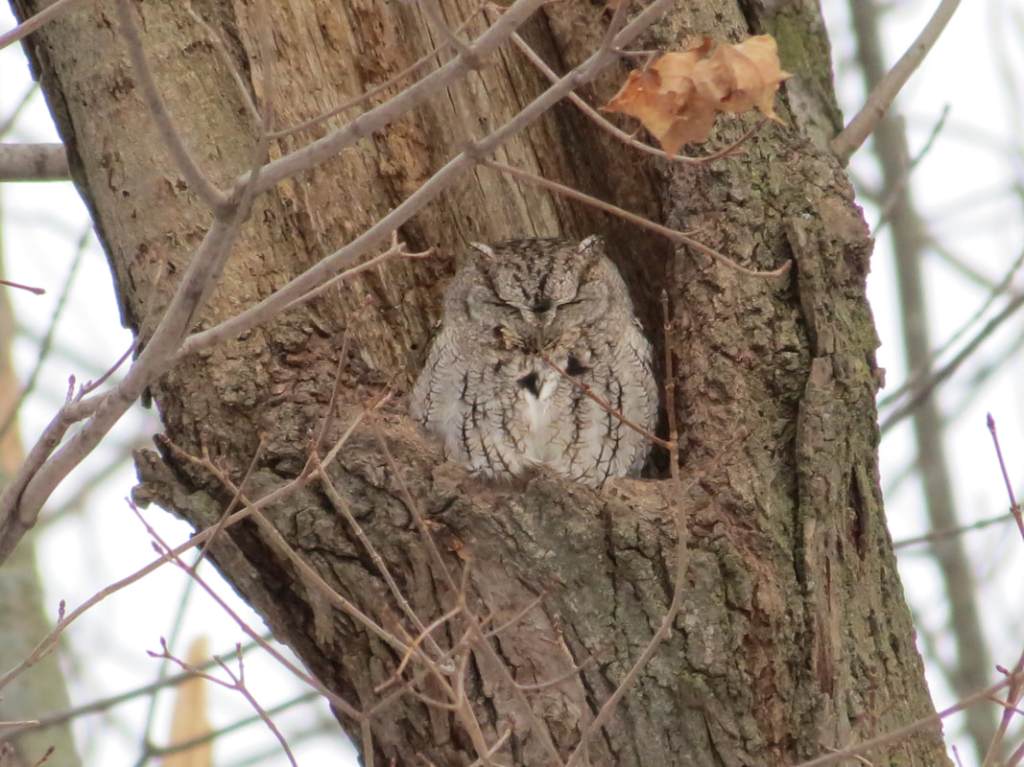
There are detailed descriptions of various encounters with birds, which she sets amongst the flora and fauna and landscape of Indiana. In one chapter, she tells of an early December experience coaxing a screech owl into the kitchen of the Cabin, south (as she called the Limberlost Cabin in Geneva). By using a candle for subdued lighting and imitating the owl’s call, she invited a feathery friend for an overnight visit. The next morning, she took some photographs to accompany an article she was writing and released the bird back into the wild. This creative determination was a hallmark of Stratton-Porter’s approach to observing and documenting the natural world.

It was 1895 when she received her first camera as a Christmas gift from husband Charles and daughter Jeanette, while living in Geneva. An anecdote in Wings explains how the family’s pet parrot, Major, showed determination to receive an oyster at the dining table. The bird’s humorous behavior caused Gene to exclaim “How I wish I had a camera!” That Christmas camera was just the first of many she learned to use for her field work, as well as to take some home portraits.

At the end of the book is a short biography and a list of her works which make clear how accomplished she became through her writing and photography. Millions of Stratton-Porter’s books had been sold by 1923 and some translated into multiple languages. As a child, her mother called her a “little bird woman” and her father gifted her all of the birds at Hopewell Farm in Lagro, Indiana, where she lived from 1863 to 1874. Throughout her life, Gene Stratton-Porter found many ways to share that early love of nature and gift of wings that can still be enjoyed throughout the Limberlost Conservation Area and elsewhere.

Adrienne Provenzano is a Friend of the Limberlost and Advanced Indiana Master Naturalist
On the Banks of the Wabash

By Adrienne Provenzano

Reading the November 6th and 11th postings on the Friends of the Limberlost Facebook Page about the December 2nd Wabash River Watershed clean-up event supported by a grant from the Wabash River Heritage Corridor Commission, with assistance from the Friends of the Limberlost, brought to mind an exhibit I attended this fall at the Indiana Historical Society (IHS) entitled “Rivers, Rails and Roads”. The exhibit closed in late October and was described in an IHS press release as follows: “The exhibit showcases sketches, photographs and maps to illustrate the changes in transportation over time as well as first-person texts and oral histories that explain what it was like to use and work for various modes of transportation.” The press release explained, “People have traveled across Indiana for thousands of years. Before and just after contact with Europeans, indigenous peoples connected their communities with networks of rivers and trails. With European explorers, fur traders, and settlers came new vehicles of transport, such as flatboats, keelboats and horse-, mule – or oxen- drawn carriages and wagons. In the 1800’s, steamboats became a popular and more convenient form of river travel.”

One part of the exhibit that especially caught my attention described the relationship of the Myaamia people to water. Sometimes referred to as the Miami, these peoples lived in Indiana – especially in the Wabash River Valley – before European settlers began to arrive and some remained after most were relocated westward. If you have a chance to hike at Wabash River Rainbow Bend Park, you can walk along a historic trail used by indigenous peoples, and visit past and present channels of the Wabash that are part of the Limberlost Conservation Area. As part of the museum exhibit, Hoosier artist and contemporary citizen of the Miami Tribe of Oklahoma, Katrina Mitten, was quoted as follows: “To the Myaamia people, rivers are more than just a transportation route. The Myaamia believe that they originated as water beings in the rivers and were called on by the creator to pull themselves onto the land. Since then the river provided sustenance through fish and clams, as well as fertile soil to grow crops like corn, beans, and squash. Additionally, the rivers connected the villages and settlements together for trade and community gatherings.”

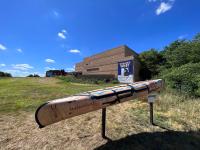
Rivers are important throughout Indiana, and Katrina Mitten was one of fifteen artists who created an art canoe as part of the White River Alliance’s 2022 Art Canoe exhibition project. On her canoe is the word keekiihtanki, which means water is life flowing. As part of her artist statement on the work, she explained that the canoe “has images of water beings and protectors because we as indigenous people have a responsibility to all of life that is dependent on clean water including we human beings.”

The Friends of the Limberlost, South Adams Trails, Wabash River Heritage Corridor Commission and other organizations and individuals certainly share this sense of responsibility as demonstrated through meaningful events such as the December 2nd clean-up.

Adrienne Provenzano is a Friend of the Limberlost, Advanced Indiana Master Naturalist, and NAI Certified Interpretive Guide.

Ice Age Reflections

By Adrienne Provenzano

Last December’s artic blast got me thinking and reading about Indiana’s geologic post–especially that most recent Ice Age that covered the top two-thirds of the state with ice as thick as a mile and drew to a close about 10,000 years ago. That was a time when mega-mammals like wooly mammoths and mastodons, giant sloths and sabre tooth tigers roamed the state. They survived a cold climate for many generations, and once things warmed up and these species died out, their bones remained, waiting to be discovered many generations later.

Perhaps the most famous mastodon remains discovered in Indiana are those of “Fred” – an almost complete skeleton unearthed in a peat bog in Fort Wayne in 1998. “Fred” is now on display in the Indian State Museum’s “Frozen Reign” exhibit. the ISM has a unique Ice Age Paleontology collection. But even “Fred” was dug out, mastodon and mammoth bones were found elsewhere in the Hoosier state. In fact, the discovery of such fossils in Angola, Indiana led to the then IPFW (now PFW) campus in Fort Wayne choosing Don the Mastodon as mascot in 1970, after professors and students identified the bones and participated in further excavation at the Angola site.

In 2022, the Indiana General Assembly voted to choose the mastodon as the official state fossil. Governor Holcomb signed the bill and as of July 1, 2022, Indiana became the second state (Michigan was first to do so) to select the mastodon for this designation. Several states – Alaska, Nebraska, South Carolina, Vermont, and Washington – have chosen the cousin of the mastodon – the mammoth – as their designee. Another cousin of the mastodon is the elephant!

Nowadays, visiting the Limberlost includes enjoying the wildlife – a wide variety of birds, small and large mammals, insects, and more. It’s quite common to spot the state bird – the carinal. Perhaps the next time you are observing such things you might pause and imagine mastodons, mammoths, and the other ancient creatures who once roamed these same grounds. It’s not hard to do so when there’s an icy chill in the air!

Adrienne Provenzano is a Friend of the Limberlost, Advanced Indiana Master Naturalist, and NAI Certified Interpretive Guide.

Frosty October

By Adrienne Provenzano

I sometimes think that the other months were constituted mainly as a fitting interlude between Octobers,” wrote naturalist Aldo Leopold (1886 – 1948) in his classic work, A Sand County Almanac. Born in Iowa and later living in Wisconsin for most of the second half of his life, Leopold experienced the cycle of midwestern seasons many times. His words can resonate with Hoosiers as well.
Words of a Hoosier-born author that come to mind at this time of year are those of the Hoosier poet, James Whitcomb Riley (1849 – 1916). His folksy writings capture times of long ago with observations and feelings that are everlasting. Here’s the first verse of “When the Frost is on the Punkin” by Riley.

When the frost is on the punkin and the fodder’s in the shock,
And you hear the kyouck and gobble of the struttin’ turkey-cock,
And the clackin’ of the guineys , and the cluckin’ of the hens,
And the rooster’s hallyloover as he tiptoes on the fence;
O, it’s then’s the times a feller is a-feelin’ at his best,
With the risin’ sun to greet him from a night of peaceful rest,
As he leaves the house, bareheaded, and goes out to feed the stock,
When the frost is on the punkin and the fodder’s in the shock.

Riley continues with three more verses about the change from summer to fall and his love for the autumnal season and its colorful landscapes. He became so popular he was invited to travel around the country to recite his poems –try reading this one out loud, perhaps while visiting the Limberlost! Here are the other three verses!

They’s something kindo’ harty-like about the atmusfere
When the heat of summer’s over and the coolin’ fall is here –
Of course we miss the flowers, and the blossums on the trees,
And the mumble of the hummin’-birds and buzzin’ of the bees;
But the air’s so appetitin’; and the landscape through the haze
Of a crisp and sunny morning of the airly autumn days
Is a pictur’ that no painter has the colorin’ to mock –
When the frost is on the punkin and the fodder’s in the shock.

The husky, rusty russel of the tossels of the corn,
And the raspin’ of the tangled leaves, as golden as the morn’

The stubble in the furries – kindo’ lonesome-like, but still
A-preaching’ sermuns to us of the barns they growed to fill;
The strawstack in the medder, and the reaper in the shed;
The hosses in theyr stalls below – the clover over-head! –
O, it sets my hart a-clickin’ like the tickin’ of a clock,
When the frost is on the punkin and the fodder’s in the shock!

Then your apples all is gathered, and the ones a feller keeps
Is poured around the celler-floor in red and yeller heaps;
And your cider-makin’’s over, and your wimmern-folks is through
With their mince and apple-butter, and theyr souse and sausage, too!…
I don’t know how to tell it – but ef sich a thing could be
As the Angels wantin’ boardin’, and they’d call around on me –
I’d want to ‘commodate ‘em – all the whole-indurin’ flock –
When the frost is on the punkin and the fodder’s in the shock!

Adrienne Provenzano is a Friend of the Limberlost, Advanced Indiana Master Naturalist, and National Association for Interpretation Certified Interpretive Guide

NASA Events and Resources for Earth Day 2022

By Adrienne Provenzano

April 22 marks another celebration of Earth Day – an annual event started in 1970. While NASA did not create the event, the agency provides many free resources for Earth day activities. Here are a few links that you might want to check out!

All day on April 22, from 10 a. m. – 7 p. m. ET, there will be free online activities hosted by NASA, including live talks and chats, games, and family friendly materials. You can register for free and have access to the resources on-demand through May 2, 2022.

For a general NASA site about Earth Day, check out https://www.nasa.gov/earth-day-2022 to discover lots of the resources, including images of Earth from space, articles about the people at NASA who study the Earth, recipes, and more! This year’s NASA Earth Day poster features many links to NASA programs, such as Eyes on Earth, Live Views from Space, NAA Aeronautics, and Benefits from Space. If you are tech savy, you can use the QR codes on the to connect to 17 different sites. You can also click on those links in English or Spanish at the poster page and even make the poster the screen saver on your phone!

Lastly, if you are a social media enthusiast, you can post photos about your Earth Day activities using #NASAEarthling and learn how others are celebrating Earth Day.

Happy Earth, 2022!

Adrienne Provenzano is a Friend of the Limberlost, Advanced Indiana Master Naturalist, and NASA JPL-Caltech Solar System Ambassador.

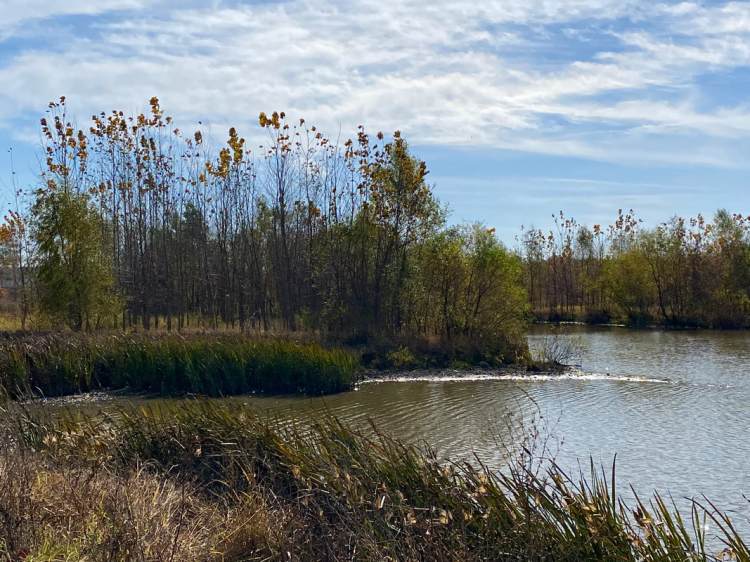
​Photos are from Limberlost celebrating Earth Day and wetland restorations.

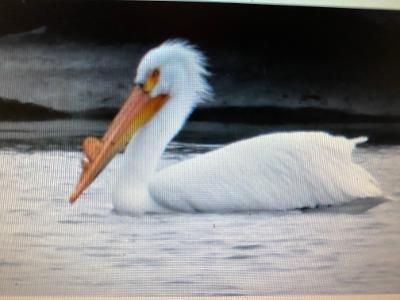
Pelican in breeding plumage. Photo by Randy Lehman.

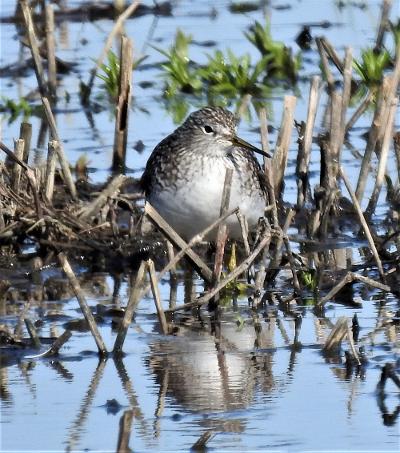
Solitary sandpiper. Loblolly Marsh April 16,2022. Photo by Randy Lehman.

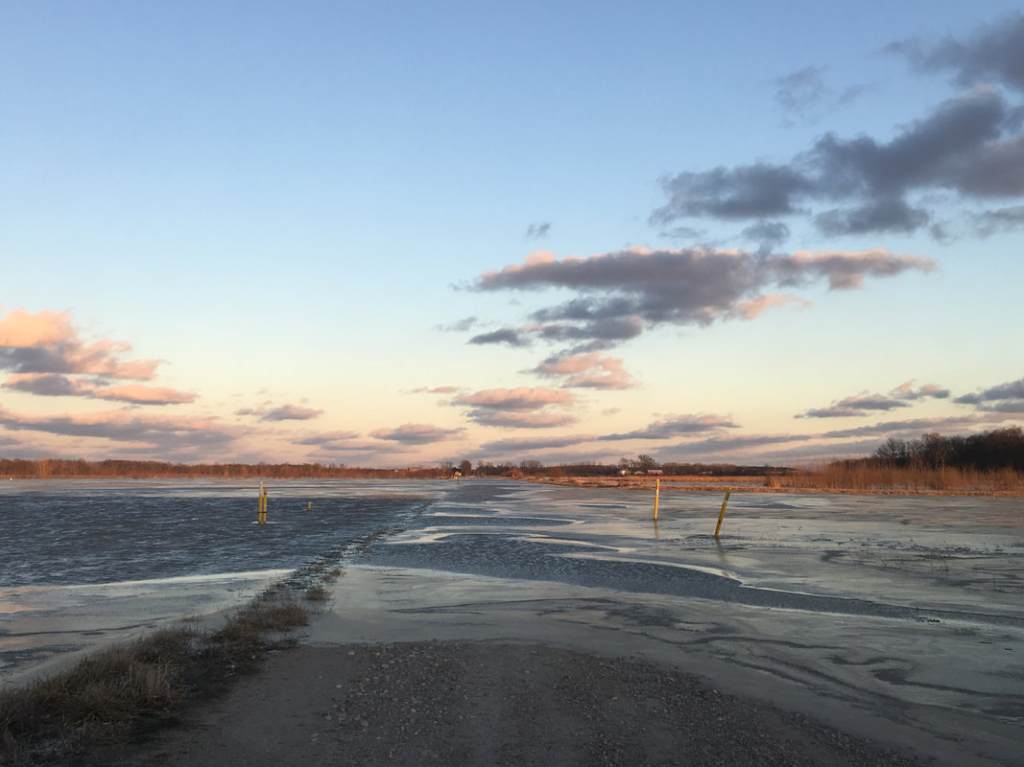
Limberlost Swamp Nature Preserve after a rain and over Co Rd 1200 S/900 N. Photo by Terri Lehman.

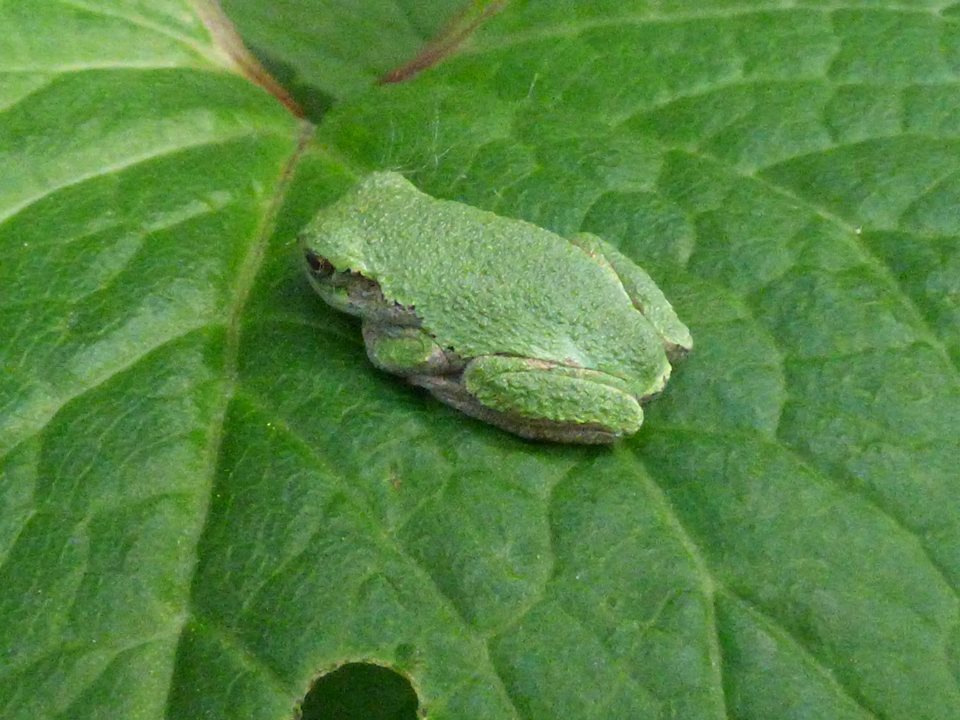
Frog. Photo by Taylor Lehman.

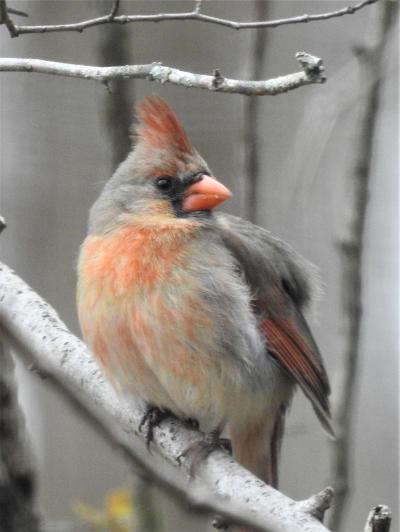
Female cardinal. Photo by Randy Lehman.

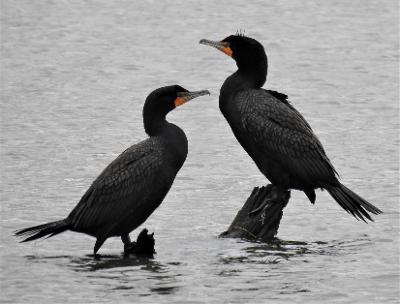
Cormorants. Photo by Randy Lehman.

Wherein is revealed the two types of birds for which the Bird Woman had no love

By Curt Burnette

Gene Stratton-Porter was known as “The Bird Woman”. It was a nickname she acquired as a child when her other called her “the little Bird Woman”, and it stuck with her for the rest of her life. A feature article in a 1904 Muncie newspaper was titled “The Bird Woman of the Limberlost.” Gene capitalized on the name by writing herself into her two most popular novels, Freckles and A Girl of the Limberlost, as the character of the Bird Woman who befriends Freckles and Elnora. Gene’s love of nature was broad, but of all the living things which are a part of nature her greatest love was for birds.

It might be thought this love encompassed every type of bird—but that would not be entirely true. There were, in fact, two types which she definitely did not love, and actually wished for their extinction. In her own words: “If I have any influence whatever, I shall mot earnestly use it in advocating the complete extermination of cowbirds and English sparrows”. What was it about these two species that could bring about such vitriol and hate from a passionate bird-lover?

The English sparrow, also known as house sparrow, is a species from Europe and Asia that was introduced to the United States in New York in 1852. they spread rapidly across this country and by 1886, the year Gene married Charles Porter, they had already invaded the entire Midwest and were making their way across the Great Plains. The Bird Woman considered English sparrows to be a threat to her beloved native Limberlost species as they would attack other birds, destroy their nests, break their eggs, and kill their young. She considered them to have “disgusting habits: and called them “…..little villains….[which]….were always hanging around ready for any mischief they might do.”

Cowbirds, specifically the brown-headed cowbird in Indiana, are nest parasites which the Bird woman found to be intolerable, even though they are native, not introduced like the English sparrow. Cowbirds do not build their own nests in which to lay their eggs, they lay in the nests of other birds and let a different species rear their young. The Bird Woman witnessed cowbirds destroying host bird eggs when they laid their eggs in, and if they see that their own eggs have been thrown out, will ransack or destroy the nest of the offenders. This amazing vengeance has been labeled “mafia behavior”! although the Bird Woman apparently did not know about his nasty side of her despised cowbirds it did not matter. She still thought of them as “such unspeakable pests they are worthy of mention only to advise their extinction.”

Source: Berne Tri-Weekly, Limberlost Notebook, January 2014.

Wherein strange days occur in the Land of the Limberlost

By Curt Burnette

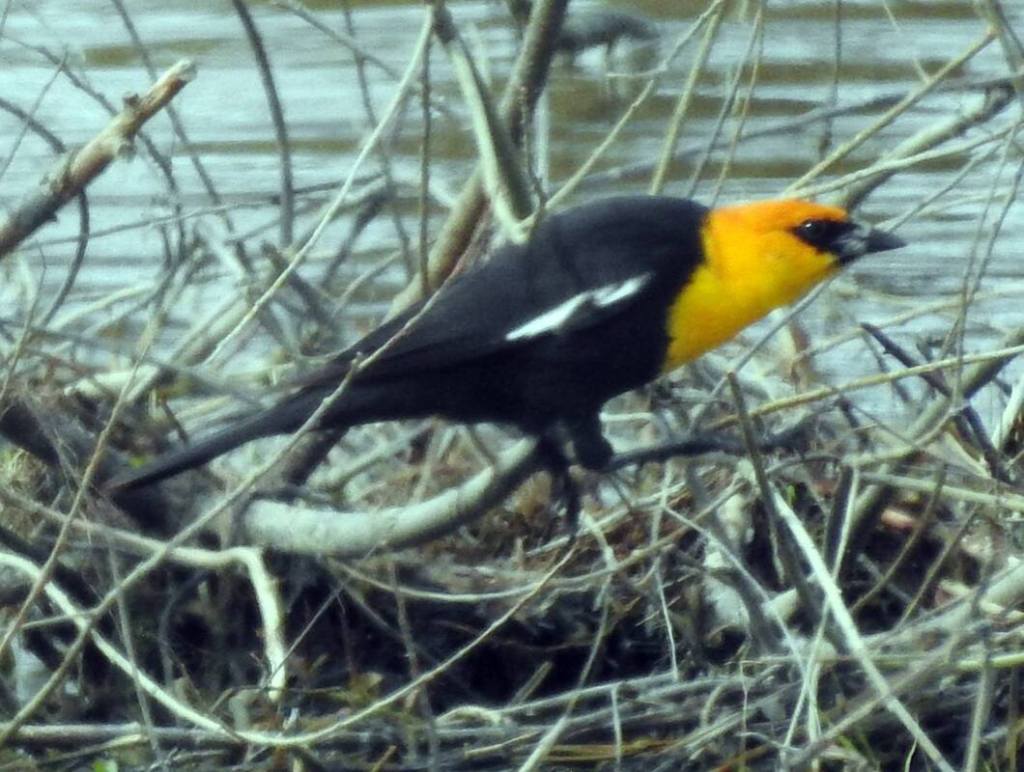
Strange days. They began in May. A bold and colorful bird was spotted in the Limberlost Swamp Nature Preserve on the Jay County side of County Line Road. This yellow and black bird was a male yellow-headed blackbird, a handsome western U. S. relative of our red-winged blackbird. These birds are very common out west, but are a rare site in northeastern Indiana. Many birders (as bird-watchers are now called) came to the Limberlost to see him. This wayward fellow hung out at one particular spot singing his song of love, but since the Limberlost is not normal yellow-headed blackbird territory, there were no females of his own kind to hear his mating calls. So, after a couple of weeks of performing for a non-existent audience, he departed.

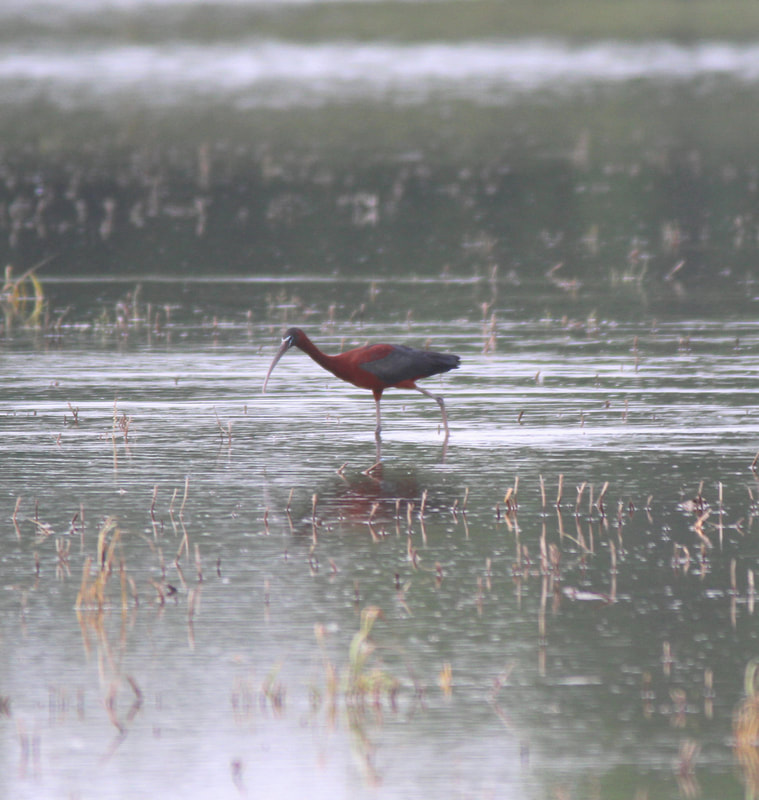
Then in early June, about a quarter of a mile away from where the blackbird had temporarily taken up residence, another unusual bird was sighted. Just outside the Limberlost Swamp preserve, in a flooded farm field, a glassy ibis was seen busily foraging in the shallow water. Glosssy ibis are common on the Gulf and Atlantic coasts, but very rare for northeastern Indiana. This was only the second sighting in 40 years or so. Again, many birders came to see it, some from as far away as the Louisville area.

A couple of days into the ibis visit, it was noticed that another unusual-looked bird had appeared in the same field. This was yet a third rare bird to northeastern Indiana –a Hudsonian godwit, a bird that should have been in its breeding grounds in the Arctic. As with the ibis, the last time a godwit had been seen was about 40 years ago. Unbelievably, within a few weeks time, three rare birds had shown up in the Limberlost within a quarter mile of each other, two in the same field at the same time!

But wait, the story gets eve more unbelievable. One evening, while the ibis and godwit were still hanging out in the field, some birders watching them realized a third type of rare bird had made an appearance near them. Black-necked stilts had been seen briefly in the Limberlost Swamp Nature Preserve in May for the last three years. Two or three of them seen twice in the same year, but now they had joined the other two rare birds in the field. Three rare birds were standing in the same field at the same time, a few weeks after another rare bird had been seen just a little way down the road!

Before this happened, I would have said one rare bird sighting was unusual, two rare birds sighted at the same time in the same place was extraordinary, and three rare bird sightings in the same place at the same time was almost impossible. Add to that another rare bird sighting in the same area a short time before, and a historic flood in that area a short time after, and I would have said it was impossible for all those things to happen in that small space of time in one area. Shows you what I know Strange days indeed.

Source: Berne Tri-Weekly, Limberlost Notebook, July 2015.

Yellow-headed blackbird

Glossy ibis

Christmas Bird Count 2022

By Kimberley Roll

Kimberley Roll and her husband Jeff and friend Greg McCallister participated in the SANJO CBC (Southern Adams Northern Jay Ouabache Christmas Bird Count) on January 1. Their territory was the Loblolly Marsh Nature Preserve.

January 1 was a mild day with temperatures in the 40s F but there was fog in the morning and rain by 11:00 am. These are her photos of some of the birds that Kimberley captured with her camera. Field counters are dedicated people who go out every year for the CBC in all kinds of weather to document the birds that are seen in this area.

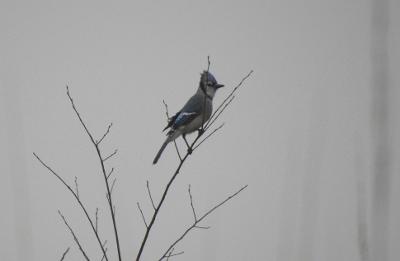
Blue Jay. A common bird that was seen in good numbers this year.

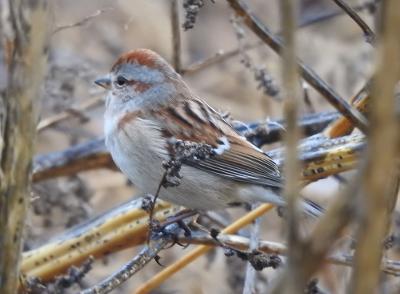
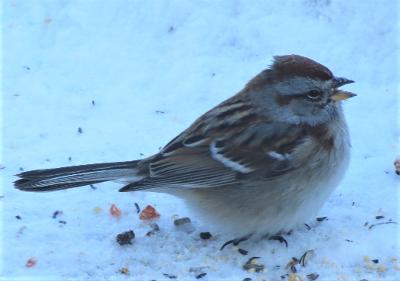
American Tree Sparrow. Seen in this area in the winter months.

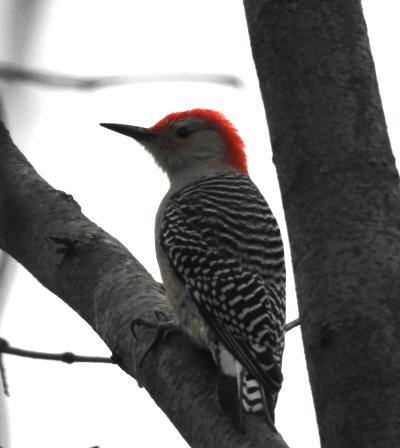
Red-bellied woodpecker. One of our native species of woodpeckers.

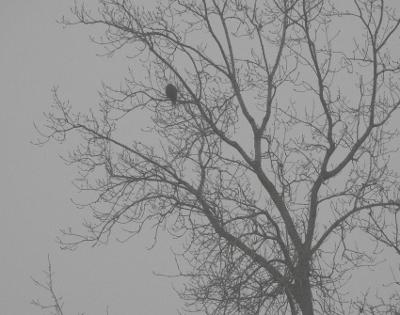
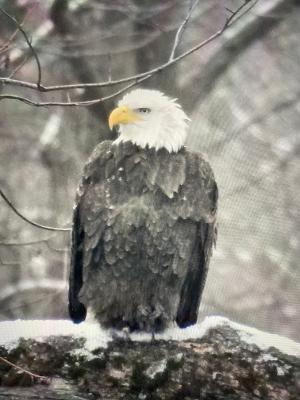
Bald Eagle on one of his favorite perches. Bald eagles are now a bird seen and recorded every year on the Christmas Bird Count.

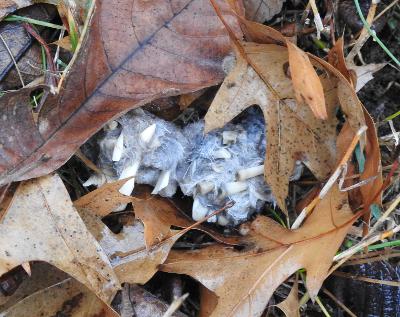
Owl pellet

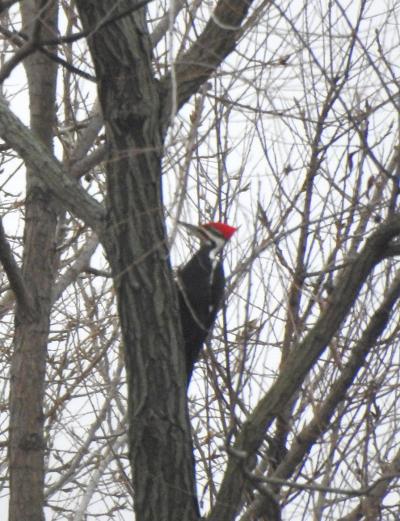
Pileated woodpecker. A nice bird to see. Several were recorded on the CBC this year.

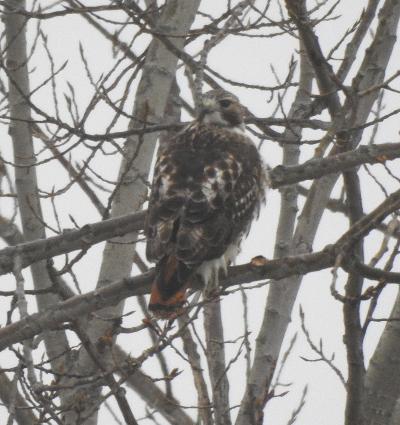
Red-tailed hawk. A common hawk here all year round.

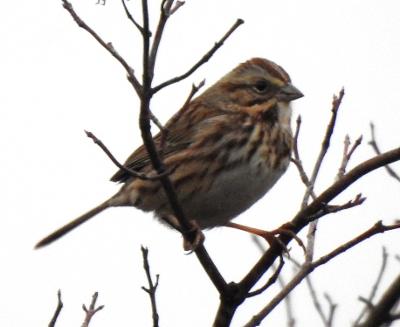
Song sparrow. One of our native sparrows that is here all year round.

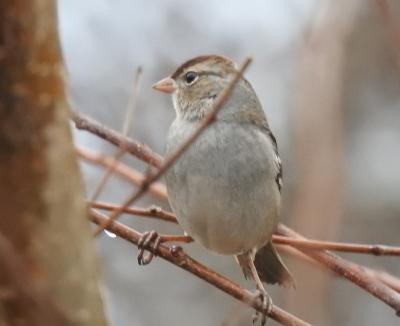
White-crowned sparrow. One of our native sparrows.

Where In We Examine Early Christmas Bird Counts

By Terri Gorney Lehman

The Cardinal Chapter of the Indiana Audubon Society was formed March 17, 1948. The chapter was named for Gene Stratton-Porter’s first book, “Song of the Cardinal.” By the 1980s, it was known as the Cardinal Club. Members were mostly from Berne and Geneva.

The first officers in the organization were Mrs. Karl Hilty, president; Mrs. Mamie Schenbeck, vice president; Mrs. Wilbur Nussbaum, secretary-treasurer.

The earliest known Christmas Bird Count (CBC) by the Cardinal Chapter in Adams County was in 1948. A total of 14 species were spotted and 846 birds were counted. In comparison, the January 1, 1973 CBC had 43 species and 4,137 birds on the list.

In 1956, on the annual Christmas Bird Count, thirty-nine species were recorded including a snowy owl and 100 Lapland longspurs. According to the Berne Witness, those participating were: Dr. and Mrs. Von Gunten, Paul and Jerry Macklin, Mrs. James Lybarger, Mrs. Sidney Buckmaster, Mrs. Paul Shoemaker, Mrs. Helen Atz, Mrs. Lester Price, Mrs. Paul Felber, Miss Dorcas Sprunger, Mrs. Augusta Dubach, Mrs. William Schenbeck.

Around 1968, the date of January 1 was established for the count and it has been this date since this time. That is seventy-three years of bird counts in Adams County as either a county count or a National Audubon Society circle.

January 1, 1974, CBC there were a total of 3,497 birds seen, including: a bobwhite, Eastern meadowlark, red-winged blackbird, and a vesper sparrow. Those who participated in the CBC were: Earlene and Dorothy Moser, Elmer Moser, Vickie Andrew, Mrs. Gordon Augsburger, Lloyd Biberstein, Mrs. August Dubach, Mrs. Phoebe Edington, Mrs. Madge Hemphill, Mrs. Karl Hilty, Timothy Lambert, Mrs. Lester Price, Mrs.. Orlu Martin, Harry Moser, Mr. and Mrs. Lloyd Munro, Mrs. Wilbur Nussbaum, Mr. and Mrs. Charles Oswalt, Susan and Julie Oswalt, Mrs. Kathryn Renner, Greg Rittenhouse, Mrs. Mamie Schenbeck, Frances Smith, Grace Smith, Mrs. Menno Stauffer and Mrs. Neola Stauffer.

The Cardinal Chapter of IAS joined the Amos Butler Audubon Society on April 7, 1951, for a trip to Jasper-Pulaski to see the Sandhill cranes. Today Sandhill cranes use Limberlost Conservation Area during migration in the early spring and late fall. We have even had them listed on recent CBC. In 1989, there was a program on the re-introduction of the bald eagles in southern Indiana. Today, eagles are a common sight in Geneva. In 2021, Geneva had four active eagle nests; Linn Grove and northern Jay County each had one.

In 2014, I became the compiler for the Adams County Christmas Bird Count. Larry Parker was the compiler before me and Earlene Moser the compiler before that. For the 2015-2016 CBC, I changed it into a circle for inclusion into the National Audubon Society’s records and to include all of the Limberlost Conservation Area and Ouabache State Park. The circle is called SANJO CBC (Southern Adams Northern Jay Ouabache). I was happy that Earlene and Dorothy Moser, Elaine Bluhm and Larry Parker who were members of the Cardinal Club helped with the CBC. Carl Yoder, who was a longtime supporter of the Friends of the Limberlost was also a member of the Cardinal Club.

Continuing the tradition begun by the Cardinal Club, members of the Robert Cooper Audubon Society of Muncie, Mississinewa Audubon Club of Marion and Stockbridge Audubon Society of Fort Wayne as well as local people who help with count either in the field or bird feeder counters. There is always room for new people to help with this count.

In 1973, Stockbridge Audubon Society started the tradition of a chili dinner. I started that tradition in 2014 when I took over as compiler. It is nice time to gather to meet new people and greet old friends.

I have been able to find some of the history of the Cardinal Club and the bird counts in Adams County from articles in the Berne Witness and the Decatur Democrat.

CBC chili lunch at the Limberlost Visitor Center.

Bald eagle over the Wabash River during a sleet storm on the January 1, 2021 CBC. Photo by Randy Lehman.

Tree sparrow 2021. Photo by Terri Lehman.

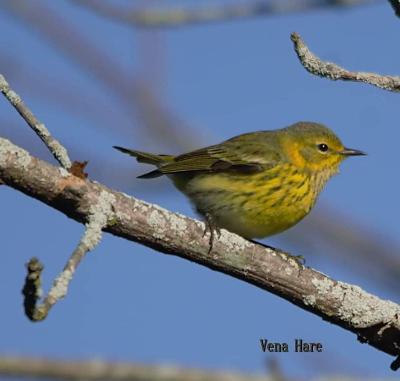
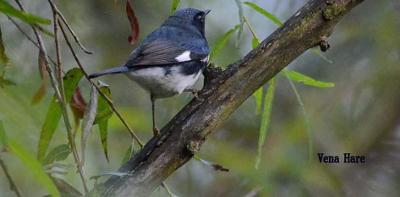
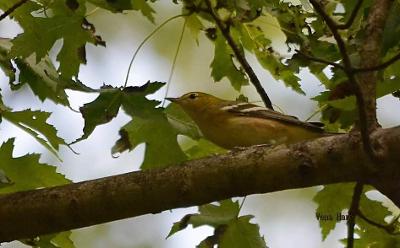
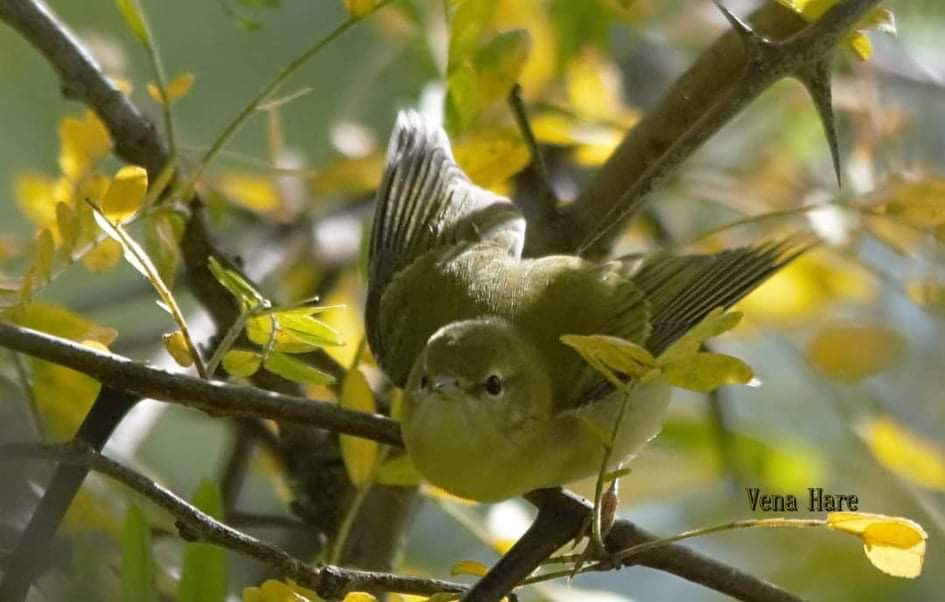
Warblers of Rainbow Bottom

By Vena Hare

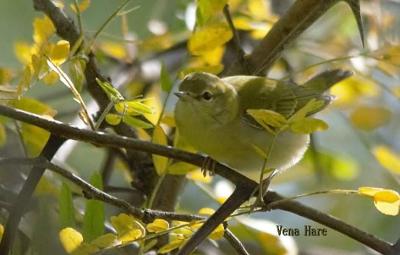
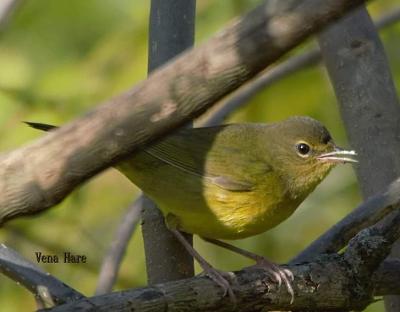
Vena Hare has been regularly hiking Rainbow Bend and Bottom and photographing her adventures. Vena has the patience and persistence of Gene Stratton-Porter with photographing birds. Warblers are some of the hardest birds to photograph as they move quickly in the foliage and they are usually at the tops of the trees. We hope you will enjoy some of her photos of warblers in their fall plumage.

We thank Don Gorney for the positive ID of the birds. Warblers in the fall can be some of the hardest birds to identify.

Cape May Warbler

Black-throated Blue Warbler

Bay-breasted Warbler

Tennessee Warbler

Orange-crowned Warbler

Tennessee Warbler